
Shopping Cart
Starter kits: the fastest way to get going
If you're just starting out, starter kits save you having to search for each component separately. They're designed so you can open the box and get to work straight away, with all the materials pre-measured and compatible with each other. There are kits focused on silicone and resin moulding, polymer clay work and decorative finishing with water-based acrylic resin.
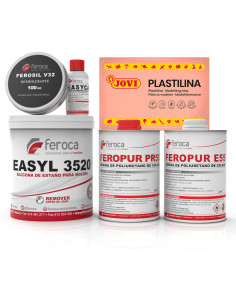 Moulding kit for resins
Silicone, resin, release agent and plasticine included.
Moulding kit for resins
Silicone, resin, release agent and plasticine included.
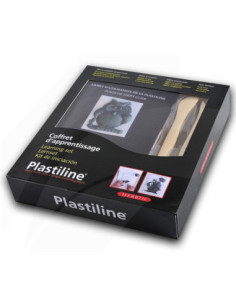 J. HERBIN Caja Iniciación Modelaje en Plastilina
350 g of Plastiline, tools and user manual.
J. HERBIN Caja Iniciación Modelaje en Plastilina
350 g of Plastiline, tools and user manual.
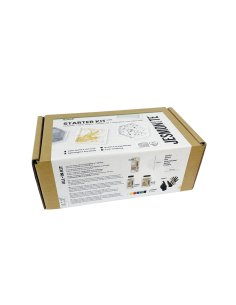 Jesmonite AC100 -Kit de Inicio-
Water-based acrylic resin with moulds and pigments.
Jesmonite AC100 -Kit de Inicio-
Water-based acrylic resin with moulds and pigments.
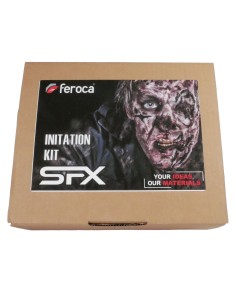 Kit de Iniciación SFX
Complete sculpting, moulding, casting, pigmenting and application.
Kit de Iniciación SFX
Complete sculpting, moulding, casting, pigmenting and application.
Resins for crafts and decoration
Resin is the backbone material of most hobby projects: it lets you encapsulate elements, make jewellery, create water effects or build decorative pieces in free-form shapes. Depending on how you use it, you'll need a different formulation: high transparency for jewellery, great thickness for tables and sculptures, fast cure for short runs, or water-based if you want to work without solvents.
Transparent epoxy resins
The ClearWater range of epoxy resins are formulated with UV filter and high optical clarity. They're the go-to choice for jewellery, doming, encapsulations and fluid art. Depending on the thickness of the piece you want to make, choose between the standard version or the Deep Pour, which allows pours of up to 12 cm in a single session.
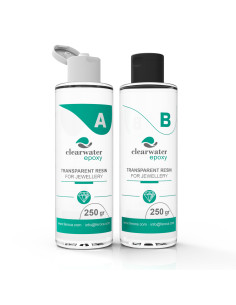 ClearWater Epoxi -Resina Transparente para Joyería-
Transparent, 1:1 mix ratio, 30 min working time.
ClearWater Epoxi -Resina Transparente para Joyería-
Transparent, 1:1 mix ratio, 30 min working time.
 ClearWater Deep Pour Epoxi -Resina alto espesor-
Up to 12 cm in a single pour.
ClearWater Deep Pour Epoxi -Resina alto espesor-
Up to 12 cm in a single pour.
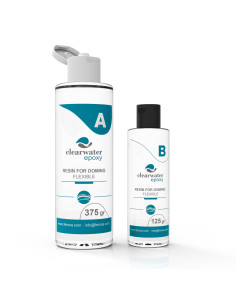 ClearWater Epoxi Doming Flexible -Gota de Resina-
Flexible dome effect for labels and stickers.
ClearWater Epoxi Doming Flexible -Gota de Resina-
Flexible dome effect for labels and stickers.
 ClearWater UV Resin Adhesive
Single-component, instant cure under UV light.
ClearWater UV Resin Adhesive
Single-component, instant cure under UV light.
Jesmonite acrylic resin: water-based decorative projects
Jesmonite AC100 is a water-based acrylic resin, free of solvents and VOCs, that combines easy handling with high-quality finishes. It's especially popular for home décor objects: candle holders, vases, stands and small pieces. It accepts pigments, mineral fillers and artificial marble veining.
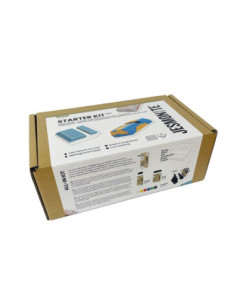 Jesmonite AC100 Starter Kit SOPORTE PARA MOVIL
Complete kit with phone stand mould.
Jesmonite AC100 Starter Kit SOPORTE PARA MOVIL
Complete kit with phone stand mould.
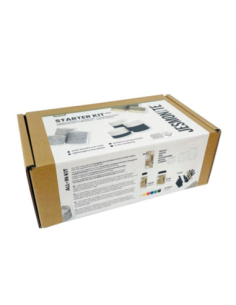 Jesmonite AC100 Starter Kit Portavelas
Complete kit for making decorative candle holders.
Jesmonite AC100 Starter Kit Portavelas
Complete kit for making decorative candle holders.
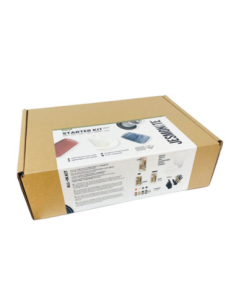 Jesmonite AC100 Starter Kit MAXI JARRON
Kit with large vase mould included.
Jesmonite AC100 Starter Kit MAXI JARRON
Kit with large vase mould included.
Moulds: silicones for reproducing pieces in series
Making your own mould lets you reproduce a piece as many times as you need with complete fidelity to the original. Condensation silicones are the most widely used in hobbies and crafts because they don't require vacuum, are compatible with most resins and have a short learning curve. For moulding pieces with complex geometries or pronounced undercuts, choose a low Shore A hardness silicone. For flatter surfaces or production moulds, medium hardnesses offer greater tear resistance.
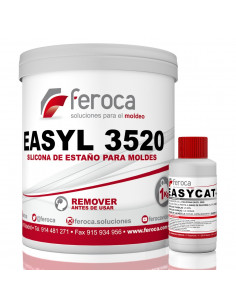 EASYL 3520 Base + Catalizador
Shore A20, soft, ideal for complex undercuts.
EASYL 3520 Base + Catalizador
Shore A20, soft, ideal for complex undercuts.
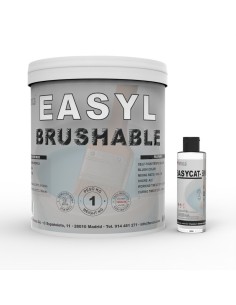 EASYL Brushable - Auto-thixotrópica
Thixotropic, brush-applied without dripping.
EASYL Brushable - Auto-thixotrópica
Thixotropic, brush-applied without dripping.
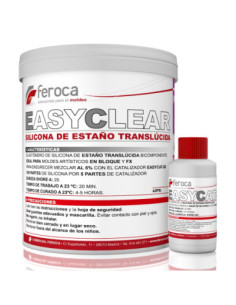 EASYCLEAR -Silicona de Estaño Translúcida-
Translucent, lets you see the original inside the mould.
EASYCLEAR -Silicona de Estaño Translúcida-
Translucent, lets you see the original inside the mould.
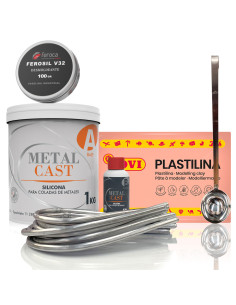 Metal moulding kit
Everything included for moulding with low-melting-point metals.
Metal moulding kit
Everything included for moulding with low-melting-point metals.
Resin 3D printing for scale modelling
3D printing with photopolymer resins has transformed scale modelling and miniature making: it lets you get pieces with detail down to tens of microns, without cutting tools and directly from a digital file. At Feroca you'll find resins for every use case, from board game miniatures to technical prototypes, along with printers, consumables and post-processing tools.
Photopolymer resins for LCD/MSLA printers
The choice of resin determines the detail, strength and final finish of the piece. For collector miniatures and gaming figures, low-shrinkage, high-definition resins are recommended. If you need functional parts, there are ABS-type formulations with greater toughness. Water-washable resins simplify post-processing when you don't want to work with isopropanol.
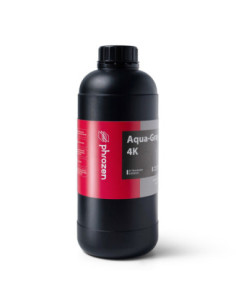 Resina 3D Phrozen Aqua-Gray 4K
Grey 4K, low shrinkage, high precision.
Resina 3D Phrozen Aqua-Gray 4K
Grey 4K, low shrinkage, high precision.
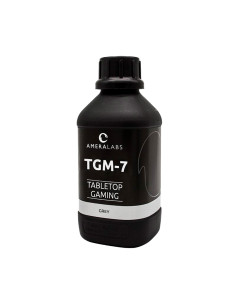 Resina 3D Ameralabs TGM-7 Grey
Rigidity-flexibility balance, ideal for miniatures.
Resina 3D Ameralabs TGM-7 Grey
Rigidity-flexibility balance, ideal for miniatures.
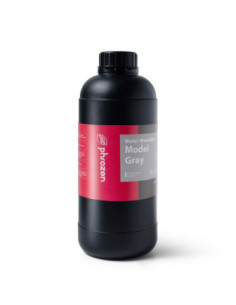 Resina 3D Phrozen Water-Washable Model Gray
Water-washable, easy post-processing without solvents.
Resina 3D Phrozen Water-Washable Model Gray
Water-washable, easy post-processing without solvents.
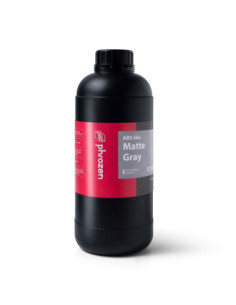 Resina 3D Phrozen ABS-Like Matte Gray
High ABS-like rigidity for functional parts.
Resina 3D Phrozen ABS-Like Matte Gray
High ABS-like rigidity for functional parts.
Resin printers
Phrozen manufactures LCD/MSLA printers with high-resolution monochromatic screens. The compact format of the Sonic Mini 8K is the usual entry point for miniatures and small pieces, while the Mighty 8K expands the build volume without sacrificing resolution. For larger-scale runs, the Sonic Mega 8K offers a large-format print area with the same level of detail quality.
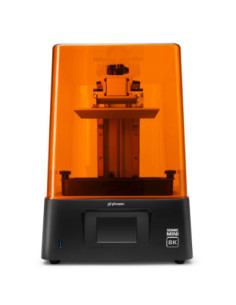 Impresora 3D Phrozen Sonic Mini 8K
8K resolution, 22 µm XY, compact format.
Impresora 3D Phrozen Sonic Mini 8K
8K resolution, 22 µm XY, compact format.
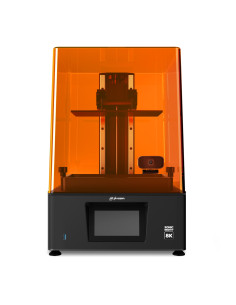 Impresora 3D Phrozen Mighty 8K
10" screen, 28 µm, larger build volume.
Impresora 3D Phrozen Mighty 8K
10" screen, 28 µm, larger build volume.
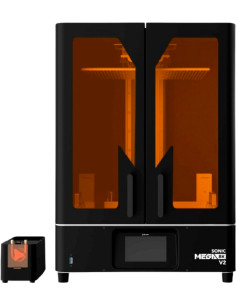 Impresora 3D Phrozen Sonic MEGA 8K V2
Large format 15", 330×185 mm print area.
Impresora 3D Phrozen Sonic MEGA 8K V2
Large format 15", 330×185 mm print area.
3D printing post-processing
Once the piece is printed, post-processing determines the quality of the final finish. Washing removes uncured resin from surfaces, UV curing fully hardens the photopolymer, and deburring tools allow you to remove supports cleanly and precisely. If you print frequently, a washing station and a curing chamber significantly reduce processing time.
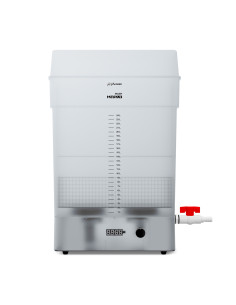 Phrozen Wash Mega S -Estación de Lavado-
25 L capacity, dual vortex, efficient washing.
Phrozen Wash Mega S -Estación de Lavado-
25 L capacity, dual vortex, efficient washing.
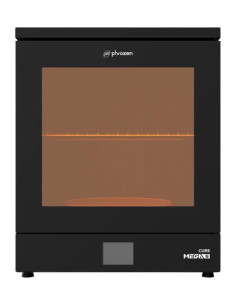 Phrozen Cure Mega "S" UV Lamp - Cámara de Curado-
360° uniform curing, large internal capacity.
Phrozen Cure Mega "S" UV Lamp - Cámara de Curado-
360° uniform curing, large internal capacity.
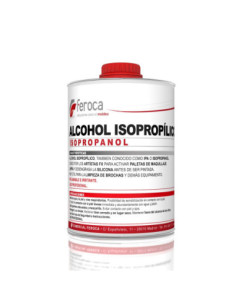 Alcohol Isopropílico 99.9% -Isopropanol-
Uncured resin cleaning, 99.9% purity.
Alcohol Isopropílico 99.9% -Isopropanol-
Uncured resin cleaning, 99.9% purity.
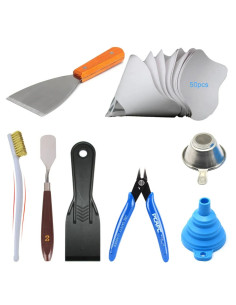 3D Kit de herramientas para Impresión
8 essential tools for 3D post-processing.
3D Kit de herramientas para Impresión
8 essential tools for 3D post-processing.
EVA foam for cosplay, crafts and scale modelling
High-density EVA foam is one of the most versatile materials for building armour, props and decorative elements. It cuts with a craft knife, shapes with heat and bonds with contact adhesive without needing any special equipment. FRC Foam is available in three thicknesses and three colours, and is complemented by pre-made profiles for edging, corners and ribs.
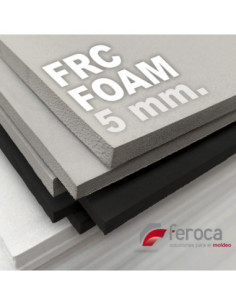 FRC FOAM GRIS 5mm -Goma EVA Alta Densidad-
5 mm, 156 kg/m³, thermoformable and cuttable.
FRC FOAM GRIS 5mm -Goma EVA Alta Densidad-
5 mm, 156 kg/m³, thermoformable and cuttable.
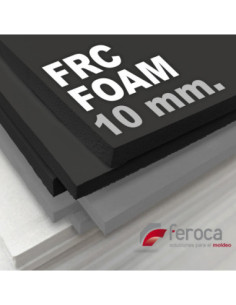 FRC FOAM NEGRA 10mm -Goma EVA Alta Densidad-
10 mm black, high density, for thick structures.
FRC FOAM NEGRA 10mm -Goma EVA Alta Densidad-
10 mm black, high density, for thick structures.
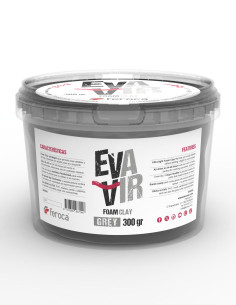 EVA AIR Gris- Foam Clay Profesional -
Ultra-lightweight foam clay, air-dries in 24–48 h.
EVA AIR Gris- Foam Clay Profesional -
Ultra-lightweight foam clay, air-dries in 24–48 h.
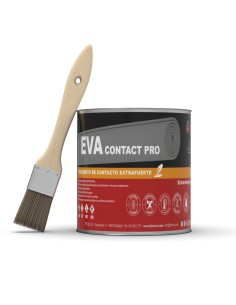 EVA Contact Pro - Adhesivo de contacto
Professional toluene-free contact adhesive for EVA.
EVA Contact Pro - Adhesivo de contacto
Professional toluene-free contact adhesive for EVA.
Pre-made EVA profiles
Pre-made EVA profiles save cutting time and give a cleaner finish on ribs, edging and decorative frames. They're available in round, half-round and triangular cross-sections, in multiple diameters, or as a complete kit with all three shapes.
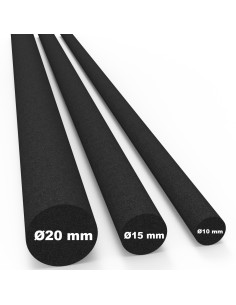 Perfil EVA Redondo 1 metro
Circular cross-section for fake pipes and edging.
Perfil EVA Redondo 1 metro
Circular cross-section for fake pipes and edging.
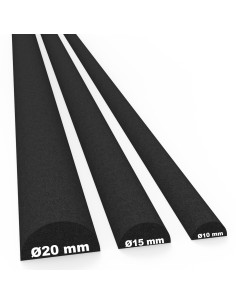 Perfil EVA Media Caña 1 metro
Half-round for profiled and decorative finishes.
Perfil EVA Media Caña 1 metro
Half-round for profiled and decorative finishes.
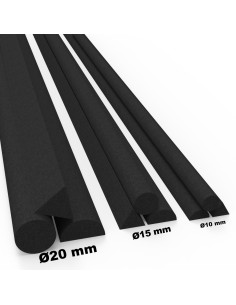 Kit de Perfiles EVA 1 metro
9 profiles, three shapes, three diameters per shape.
Kit de Perfiles EVA 1 metro
9 profiles, three shapes, three diameters per shape.
Clays for modelling and sculpture
Sio-2 natural clays are the standard tool for sculpture, free-form modelling and artisan ceramics. They harden in air or in an oven depending on the variety, without needing kiln firing in most cases, which makes them accessible for any workshop. For those who need greater detail on small surfaces or pieces for casting, J. Herbin Plastiline doesn't dry in air and holds its shape indefinitely until you decide to give it its final finish.
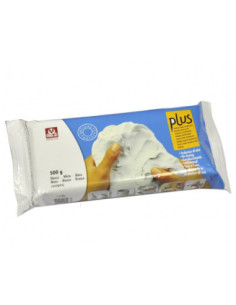 Arcilla Sio-2 PLUS Blanca
Air-drying, high plasticity, no firing needed.
Arcilla Sio-2 PLUS Blanca
Air-drying, high plasticity, no firing needed.
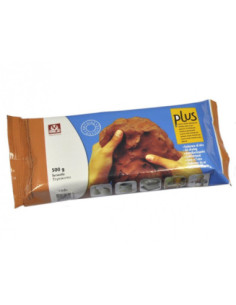 Arcilla Sio-2 PLUS Terracota
Natural terracotta colour, air-drying.
Arcilla Sio-2 PLUS Terracota
Natural terracotta colour, air-drying.
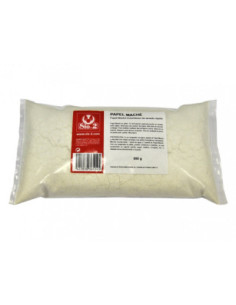 Papel Maché SIO-2
Powder form, fast drying, non-toxic and lightweight.
Papel Maché SIO-2
Powder form, fast drying, non-toxic and lightweight.
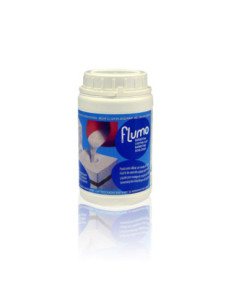 Flumo - Arcilla Líquida
Slip without firing, ceramic hardness when dry.
Flumo - Arcilla Líquida
Slip without firing, ceramic hardness when dry.
Pigments for resins, silicones and Jesmonite
Colour is an essential part of the finish of any piece. At Feroca you'll find pigments specific to each matrix: paste pigments for polyurethane and polyester resins, translucent ones for depth effects in epoxy, water-based dispersion pigments for Jesmonite, alcohol inks for fluid art and highly concentrated silicone pigments for prosthetics and special effects.
Pigments for epoxy, acrylic and polyurethane resins
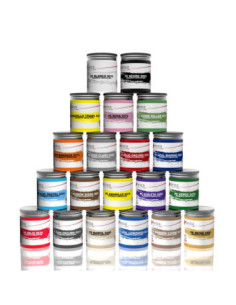 Pigmento empastado
Opaque, high concentration, for mass-tinted resins.
Pigmento empastado
Opaque, high concentration, for mass-tinted resins.
 UltraColor -Pigmentos Translúcidos para Resinas-
Translucent, vivid colours for depth effects.
UltraColor -Pigmentos Translúcidos para Resinas-
Translucent, vivid colours for depth effects.
 Piñata -Tintas al Alcohol-
Highly saturated, ideal for fluid art in epoxy.
Piñata -Tintas al Alcohol-
Highly saturated, ideal for fluid art in epoxy.
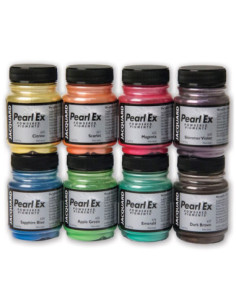 Pigmentos en Polvo Pearl Ex de Jacquard
Pearlescent and metallic, stable in resin and paint.
Pigmentos en Polvo Pearl Ex de Jacquard
Pearlescent and metallic, stable in resin and paint.
Pigments for Jesmonite
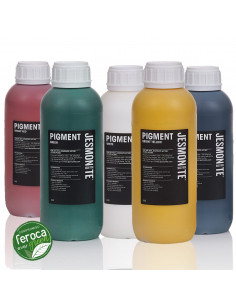 Pigmentos Jesmonite
Aqueous dispersion, UV resistance, high stability.
Pigmentos Jesmonite
Aqueous dispersion, UV resistance, high stability.
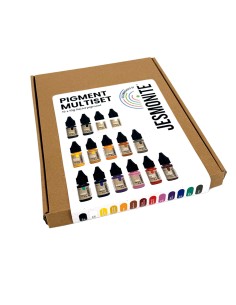 Jesmonite Pigment Set de 15 x 10g
15 jars, 13 colours, complete mixing set.
Jesmonite Pigment Set de 15 x 10g
15 jars, 13 colours, complete mixing set.
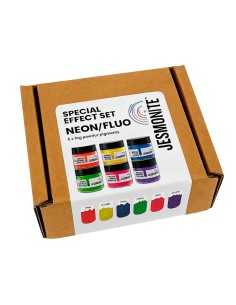 Jesmonite Set FLUO Pigments
6 fluorescent pigments of 10 g each.
Jesmonite Set FLUO Pigments
6 fluorescent pigments of 10 g each.
Pigments for silicones
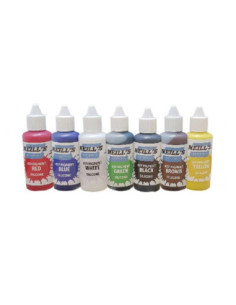 Pigmentos de Silicona
Concentrated, compatible with platinum and tin silicones.
Pigmentos de Silicona
Concentrated, compatible with platinum and tin silicones.
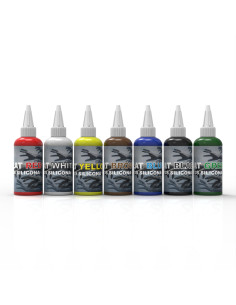 DYE PLAT - FX
Ultra-concentrated, wide range for special effects.
DYE PLAT - FX
Ultra-concentrated, wide range for special effects.
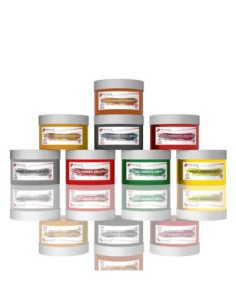 Magic Powder -Carga en Polvo Efecto Metal-
Bright metallic effect in resins and silicones.
Magic Powder -Carga en Polvo Efecto Metal-
Bright metallic effect in resins and silicones.
Finishes and paint for props and finished pieces
FullDip is a liquid vinyl in spray form that you apply in layers, peels off when you want to change the colour and perfectly withstands the typical conditions of use for props and scale models. It covers resin, EVA, plastic and metal without primer. Available in solid colours, metallic finishes, chameleon effect and candy colours.
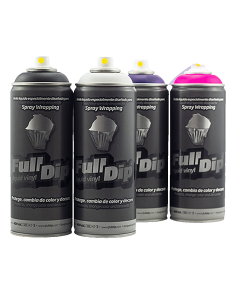 FullDip Liquid Vinyl - Colores Solidos
Matt, flexible, high UV resistance, peelable.
FullDip Liquid Vinyl - Colores Solidos
Matt, flexible, high UV resistance, peelable.
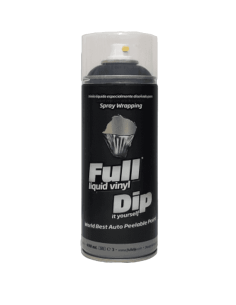 FullDip Liquid Vinyl - Metalizados
Chrome metallic finish, flexible and crack-free.
FullDip Liquid Vinyl - Metalizados
Chrome metallic finish, flexible and crack-free.
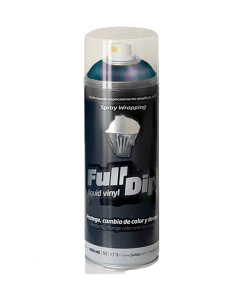 FullDip Liquid Vinyl - Camaleón
Multicolour chameleon effect, requires black base coat.
FullDip Liquid Vinyl - Camaleón
Multicolour chameleon effect, requires black base coat.
Safety and personal protection
Working with resins, silicones and solvents requires basic protection you shouldn't overlook: nitrile gloves that won't inhibit the cure of platinum silicones, masks with certified filters for organic vapours, and isopropyl alcohol for cleaning tools and surfaces.
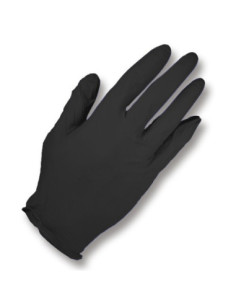 Guantes de Nitrilo sin Polvo
Won't inhibit silicones, disposable, ambidextrous.
Guantes de Nitrilo sin Polvo
Won't inhibit silicones, disposable, ambidextrous.
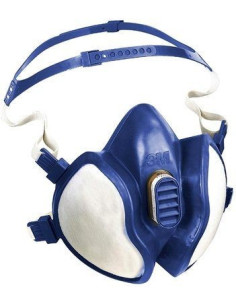 Máscara Reutilizable 4251 3M
FFA1P2 filter, protection against organic vapours and particles.
Máscara Reutilizable 4251 3M
FFA1P2 filter, protection against organic vapours and particles.
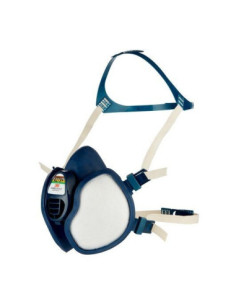 Máscara Reutilizable 4279 3M
FFABEK1P3 filter, extended multi-vapour protection.
Máscara Reutilizable 4279 3M
FFABEK1P3 filter, extended multi-vapour protection.
Frequently asked questions
Which epoxy resin should I use for making jewellery and small pieces with a silicone mould?
For jewellery and small pieces in a silicone mould, the most common option is ClearWater Epoxi, which mixes at a 1:1 ratio by weight, has a 30-minute working time and cures at room temperature. If you want harder pieces in a short time, ClearWater Epoxi Super Fast reduces the cure to 1–2 hours. For the dome effect on stickers or flat surfaces, use ClearWater Epoxi Doming in its flexible or rigid version depending on the feel you're after. In all cases, work with nitrile gloves and in a ventilated space.
What's the difference between printing in resin and FDM filament for making miniatures?
LCD/MSLA resin printers reproduce details of 20–40 microns that FDM printers can't achieve with standard filament. For board game miniatures, collector figures and pieces with fine textures, photopolymer resin is the right technology. FDM is better suited to large, functional parts or when surface detail isn't critical. Post-processing in resin requires washing with isopropanol or water (depending on the resin type) and a final UV cure; with FDM you just need to remove the supports.
Can I use FRC Foam EVA foam with any contact adhesive?
High-density FRC Foam EVA foam bonds optimally with EVA Contact Pro, a toluene-free contact adhesive formulated specifically for this family of materials. Conventional contact adhesives with a high aromatic solvent content can attack the foam surface and weaken the bond. Apply the adhesive to both surfaces, let it flash off for 2–3 minutes and press together under pressure. For corner or profile bonds, a blast of hot air from a heat gun after bonding improves the seal.
Which silicone should I use for the mould if the original has lots of undercuts and complex geometry?
For pieces with pronounced undercuts, the most recommended silicone is EASYL 3520, with Shore A20, which thanks to its low hardness deforms enough to demould without damaging either the mould or the piece. If the geometry is very complex and you need to apply the silicone in layers rather than by pouring, EASYL Brushable is the right choice: its thixotropic formulation lets you brush it on without dripping, building the mould layer by layer. In both cases, if the original has porous surfaces, apply release agent before pouring the silicone.
Which pigments work with Jesmonite AC100 and won't lose colour over time?
The specific pigments for Jesmonite are water-based dispersion pigments compatible with the chemical base of AC100 resin. You have the individual Jesmonite pigments available, the Jesmonite Pigment Set of 15 jars with 13 colours, and the Set FLUO if you're looking for fluorescent shades. All of them offer UV resistance and high colour stability. Avoid using alcohol inks or oil-based pigments in Jesmonite because they're not compatible with the water base and can cause phase separation or long-term colour loss.