Shopping Cart


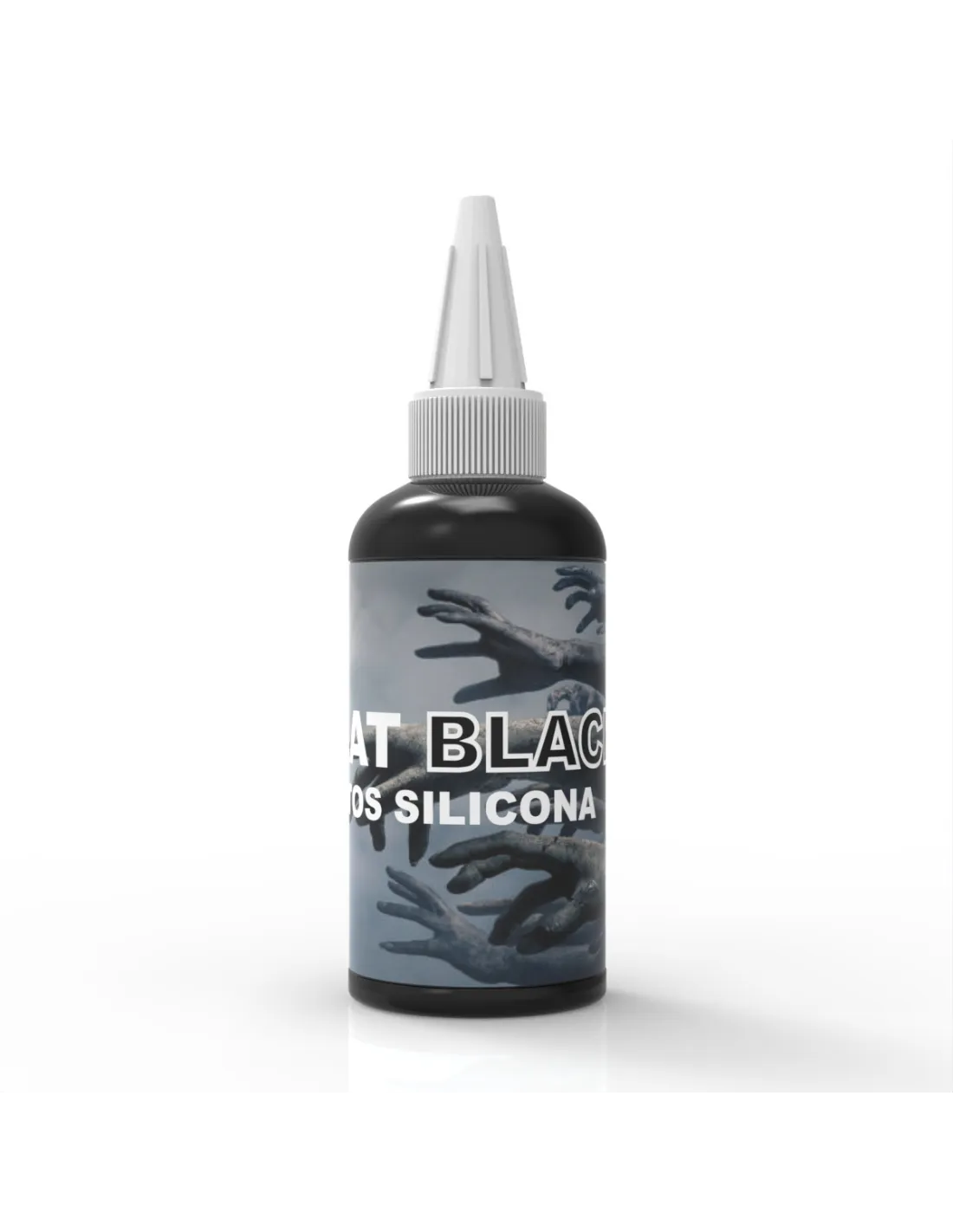
DYE PLAT - FX
590320200
€5.50
6,66 € Tax incl.
6,66 € Tax incl.
Highly concentrated liquid pigments for platinum and tin silicones. 20 g container. A single drop colours large quantities.
DYE PLAT - FX are highly concentrated liquid pigments specifically formulated to colour silicones, both platinum (addition) and tin (condensation). Their high concentration means a small amount is enough to pigment large volumes of silicone, making them a very cost-effective option for the workshop.
Technical specifications
| Feature | Detail |
|---|---|
| Product type | Liquid pigment for silicone |
| Compatibility | Platinum silicones (addition) and tin silicones (condensation) |
| Format | 20 g container |
| Concentration | High — small amounts colour large volumes |
| Availability | Various shades (individual, primary kit, flesh tone kit) |
What it is used for
These pigments are designed to be incorporated directly into liquid silicone before curing, allowing you to obtain uniformly coloured pieces throughout their entire mass. They are especially useful in special effects production, prosthetics and mould manufacturing with chromatic identification.
- Colouring silicones for prosthetics and Artificial Flesh in cinematic and theatrical special effects
- Pigmenting silicones for identification moulds (different colours for different materials or layers)
- Manufacturing decorative silicone pieces with vivid or custom colours
- Simulating flesh tones in anatomical replicas, figures and silicone dolls
- Prototypes and industrial parts where colour is an identification or design requirement
- Mixing shades to obtain custom colours by combining different pigments
How to use it
- Prepare the silicone following the manufacturer's instructions and weigh parts A and B in the correct ratio.
- Add the DYE PLAT - FX pigment to part A (base) before mixing with the catalyst. Always start with a minimum amount: one drop per 100 g of silicone is a typical starting point.
- Stir the pigment into part A until you obtain a uniform colour with no streaks. It is important that the colour is homogeneous before adding the catalyst.
- Incorporate part B (catalyst) and mix carefully for the time indicated by the silicone manufacturer.
- If you are using platinum silicone, remember that it is sensitive to inhibitors. See the notice below.
- Pour or apply the pigmented silicone according to your usual process (casting, brushing, etc.).
- Allow to cure under the recommended conditions. The colour remains stable once cured.
Warning — platinum silicones (addition): If you are going to pigment a platinum silicone, bear in mind that this type of silicone is very sensitive to cure inhibition. Materials containing sulphur (some sulphur-based clays, certain rubbers), latex, cyanoacrylate adhesives, amines, plasticised PVC and unclean surfaces can prevent correct curing. Always carry out a compatibility test before working on the final mould or piece: mix a small amount of silicone with the pigment and check that it cures correctly.
Usage tips
Start with a little and add gradually
The concentration of these pigments is very high. Adding too much at once can saturate the colour or, in excessive amounts, affect the mechanical properties of the silicone. Always work in small increments until the desired shade is reached, and record the amount used so you can replicate the result in future batches.
Mixing colours for custom shades
DYE PLAT - FX pigments are intermixable, allowing you to create a personalised colour palette. If you need precise flesh tones for prosthetics or figures, the flesh tone kit is the most efficient starting point. For primary colours and free mixing, the primary kit gives you maximum versatility. Always record the mixing ratios to ensure consistency between batches.
Homogeneity before the catalyst
It is essential that the pigment is completely integrated into the base before adding the catalyst. If you mix the colour after adding the catalyst, the working time is reduced and it is harder to eliminate colour streaks. Poor mixing can result in pieces with uneven pigment distribution, which is especially visible in translucent or very light-coloured silicones.
Frequently asked questions
Are these pigments compatible with any silicone?
DYE PLAT - FX is compatible with platinum silicones (addition) and tin silicones (condensation). They are not formulated for polyurethanes or other resins. If you have doubts about compatibility with a specific silicone from the Feroca catalogue, always carry out a small test before working on the final piece.
How much pigment should I add to the silicone?
As they are highly concentrated, the recommended initial dose is between 0.1% and 1% by weight of the total silicone. This is approximately equivalent to one or two drops per 100 g. From there, adjust to the desired shade. Exceeding 2–3% may start to affect the properties of the cured silicone.
Does the colour hold over time or does it fade?
Once the silicone is cured, the pigment is integrated into the mass and the colour is stable. Prolonged exposure to intense UV light may slightly affect the shade in pieces with a large exposed surface area, as happens with any pigment. For outdoor applications or continuous UV exposure, consider using additional stabilisers.
Can I mix several pigments to obtain a custom colour?
Yes. DYE PLAT - FX pigments are miscible with each other. You can combine several shades within part A of the silicone to obtain the exact colour you need. Always record the proportions to reproduce the result in subsequent productions.
Does the pigment affect the cure time or the mechanical properties of the silicone?
At recommended doses (below 1–2% by weight), DYE PLAT - FX does not significantly alter the cure time or the mechanical properties of the silicone. Very high doses may slightly interfere with curing, especially in platinum silicones, so it is always advisable not to exceed the necessary amounts.
Can it be used to brush colour layers onto already cured silicone?
DYE PLAT - FX is formulated to be incorporated into the mass of liquid silicone before curing, not to be applied onto cured surfaces. For painting or tinting already cured silicone surfaces, there are specific intrinsic paint products and compatible paste pigments available. Check the Feroca catalogue for available options.
Is the 20 g container enough for a typical project?
Given the high concentration level, a 20 g container is enough to colour several kilograms of silicone, depending on the desired colour intensity. For small or workshop projects, one container is more than sufficient. For batch production or very saturated shades, the seven-unit kits offer a better quantity-to-price ratio.
Can I use these pigments to create effects with Flocking?
Flocking is a different technique that uses short fibres adhered to the silicone surface to create textures. For that effect, Feroca has the Titanic FX Flocking range, available in various colours. DYE PLAT - FX and Flocking are complementary techniques: you can pigment the silicone base with DYE PLAT - FX and apply Flocking on the surface to achieve more complex visual effects.
No reviews
Tap to zoom