Shopping Cart


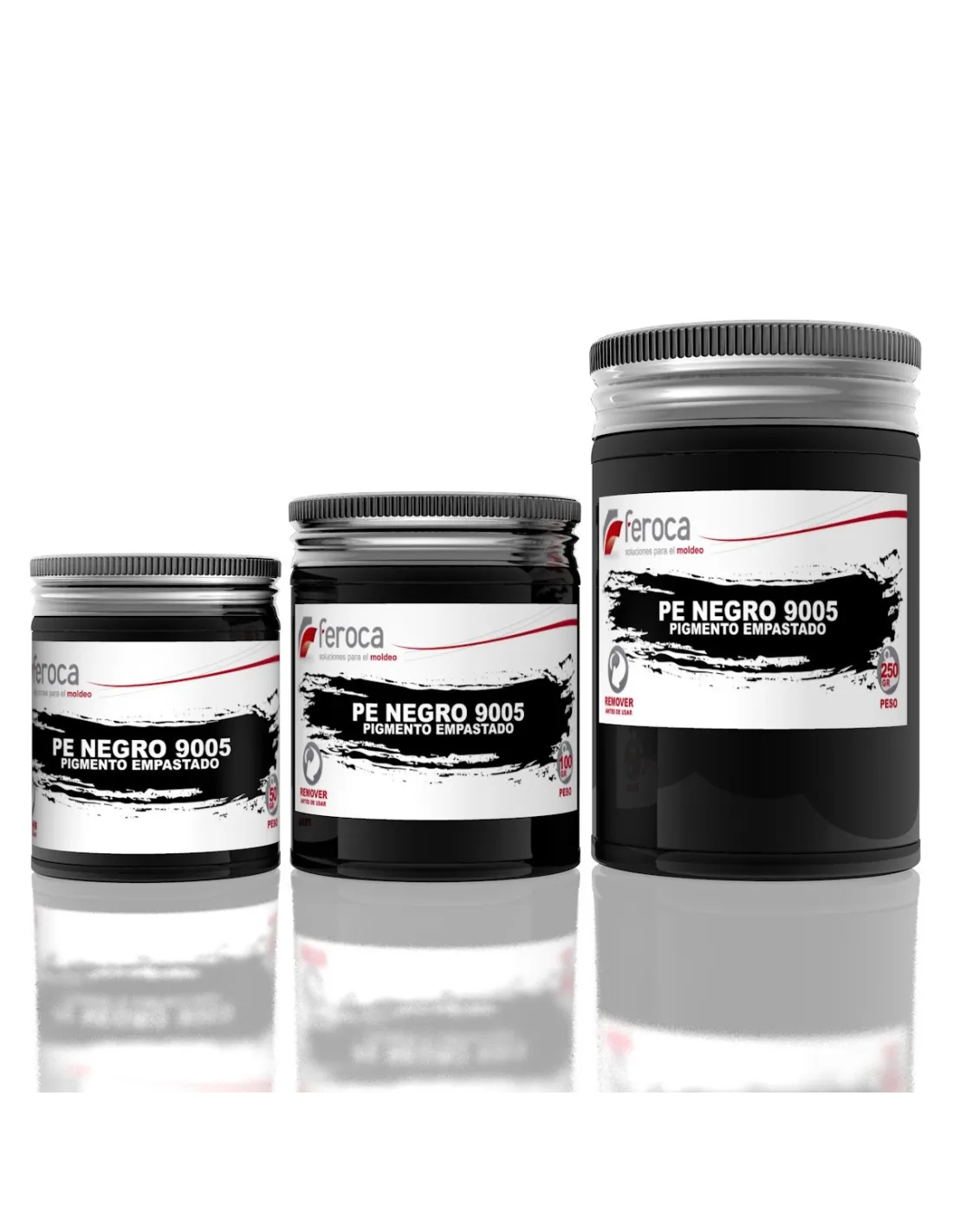
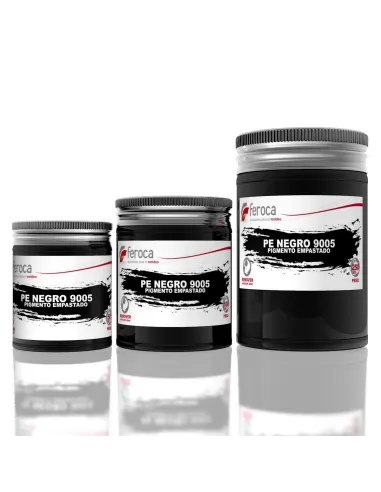
Pigment filled
639005100
€6.50
7,87 € Tax incl.
7,87 € Tax incl.
High-concentration opaque paste pigments for mass colouring of resins. Lead-free. Recommended dosage approximately 3% by weight.
Feroca's paste pigments are high-concentration opaque colorants, formulated to be mixed directly into the mass of all types of resins. They are lead-free and available in a wide range of colours, making them the simplest and most effective solution for achieving uniformly coloured parts from the very first cast.
Technical specifications
| Type | Opaque paste pigment |
|---|---|
| Recommended dosage | ~3% by weight of resin |
| Compatibility | All types of resins (polyurethane, polyester, epoxy, etc.) |
| Lead content | Lead-free |
| Effect | Opaque |
| Form | Ready-to-mix pigment paste |
What it is used for
These pigments are designed for mass colouring of resins, meaning the colour is integrated throughout the entire part and not just on the surface. They are ideal for casting, laminating or foaming processes where a uniform, opaque colour is required in the final result.
- Mass colouring of rigid polyurethane resins
- Pigmentation of rigid polyurethane foams and flexible foams
- Colouring of epoxy and polyester resins
- Special effects and props for theatre, film and television
- Manufacturing of decorative parts, scale models and coloured prototypes
- Fine arts, sculpture and model making
- Production of industrial parts where opaque colour is a functional requirement
How to use it
- Calculate 3% by weight of the total resin you are going to use: that is the amount of paste pigment you need.
- Take a small amount of resin (component A or the one with the lower viscosity) and mix it first with the pigment until you obtain a smooth, lump-free paste.
- Once the pigment is well dispersed in that fraction of resin, gradually add the rest of the resin component while stirring continuously.
- When the colour is perfectly integrated and uniform, add the hardener or component B in the ratio indicated by the resin manufacturer.
- Mix the whole carefully to avoid incorporating air bubbles and proceed with the usual casting or application.
Important: Do not exceed 3% pigment by weight. An excess of paste pigment can interfere with the curing reaction of the resin, resulting in sticky, soft or completely uncured parts. If you need a very intense colour, mix several colours together rather than increasing the dose of a single one.
Usage tips
Pre-mixing for perfect dispersion
The key to avoiding streaks or colour spots is not to add the pigment directly to all the resin at once. Always pre-disperse the paste in a small amount of resin, stirring vigorously until there are no lumps or unpigmented areas. Only then incorporate the rest. This step makes the difference between a professional result and a poor one.
Colour mixing to expand the palette
The different paste pigment colours are compatible with each other and can be freely mixed before incorporating them into the resin. This allows you to create intermediate shades, pastels or custom tones without needing to purchase a specific reference for each shade. Experiment with small amounts before mixing a large batch.
Compatibility with other pigments and fillers
If you are looking for metallic or pearlescent effects, you can combine these opaque pigments with Magic Powder to achieve metallic sheen finishes while maintaining the opaque colour base. If you prefer translucent effects instead, the UltraColor translucent pigments are the right alternative. For polyurethanes with very specific colour requirements, also check out the PolyColor Dyes, specially formulated for this family of materials.
Frequently asked questions
How much pigment should I add to the resin?
The recommended dosage is approximately 3% by weight of the total resin. For example, for 100 g of resin use around 3 g of paste pigment. Never exceed this percentage: an excess can inhibit curing and leave the part sticky.
Are these pigments suitable for any type of resin?
Yes, they are compatible with most resins commonly used in the workshop: polyurethane, epoxy and polyester. For polyurethane resins with very specific colour requirements, the PolyColor Dyes are an alternative specifically developed for that family.
Does the colour remain only on the surface or throughout the entire part?
The colour is integrated throughout the entire mass of the part, not just on the surface. This means that if the part is cut, machined or worn down, the colour remains uniform on the inside. This is the great advantage of mass colouring over paints or surface coatings.
Can different colours be mixed to obtain custom shades?
Yes. Feroca's paste pigments are compatible with each other and mix without any problems. You can freely combine them to create intermediate colours or custom shades. Remember that the total amount of pigment (sum of all colours used) must not exceed 3% by weight.
Why has my part turned out sticky after adding pigment?
Most likely you have added too much pigment. An excess of paste pigment interferes with the chemical curing reaction of the resin. Check that you have not exceeded 3% by weight and that you have thoroughly mixed the hardener in the correct ratio. If the problem persists with correct doses, review the temperature and humidity conditions in the workshop.
Is the paste pigment suitable for food contact or skin contact?
No. These pigments are formulated for workshop use and technical or artistic applications. They are not certified for food contact or cosmetic use. For skin or food contact applications, consult Feroca about which materials and pigments are appropriate for your specific use.
What is the difference between these pigments and translucent pigments?
Paste pigments produce a completely opaque effect: the colour covers and does not allow light to pass through. The UltraColor translucent pigments allow light to pass through the part, creating vivid and luminous colour effects. The choice depends on the visual finish you need.
How do I prevent the pigment from streaking or remaining undispersed in the part?
The technique is always the same: pre-disperse the pigment in a small fraction of the resin before incorporating the rest. Mix vigorously until there are no lumps or unpigmented areas. Adding the pigment directly to all the resin at once is the most common cause of streaks or uneven colour spots.
No reviews
Tap to zoom