Shopping Cart



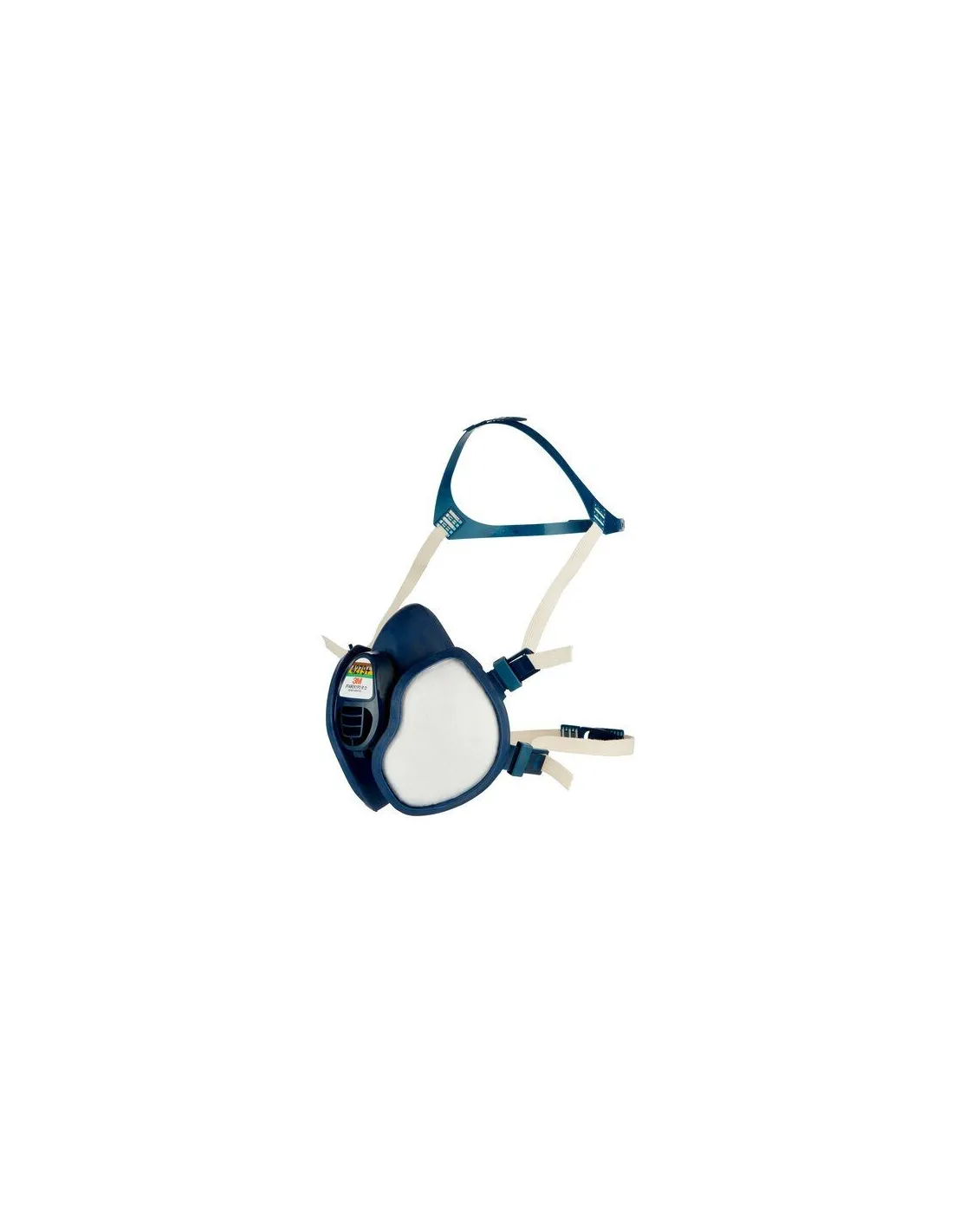
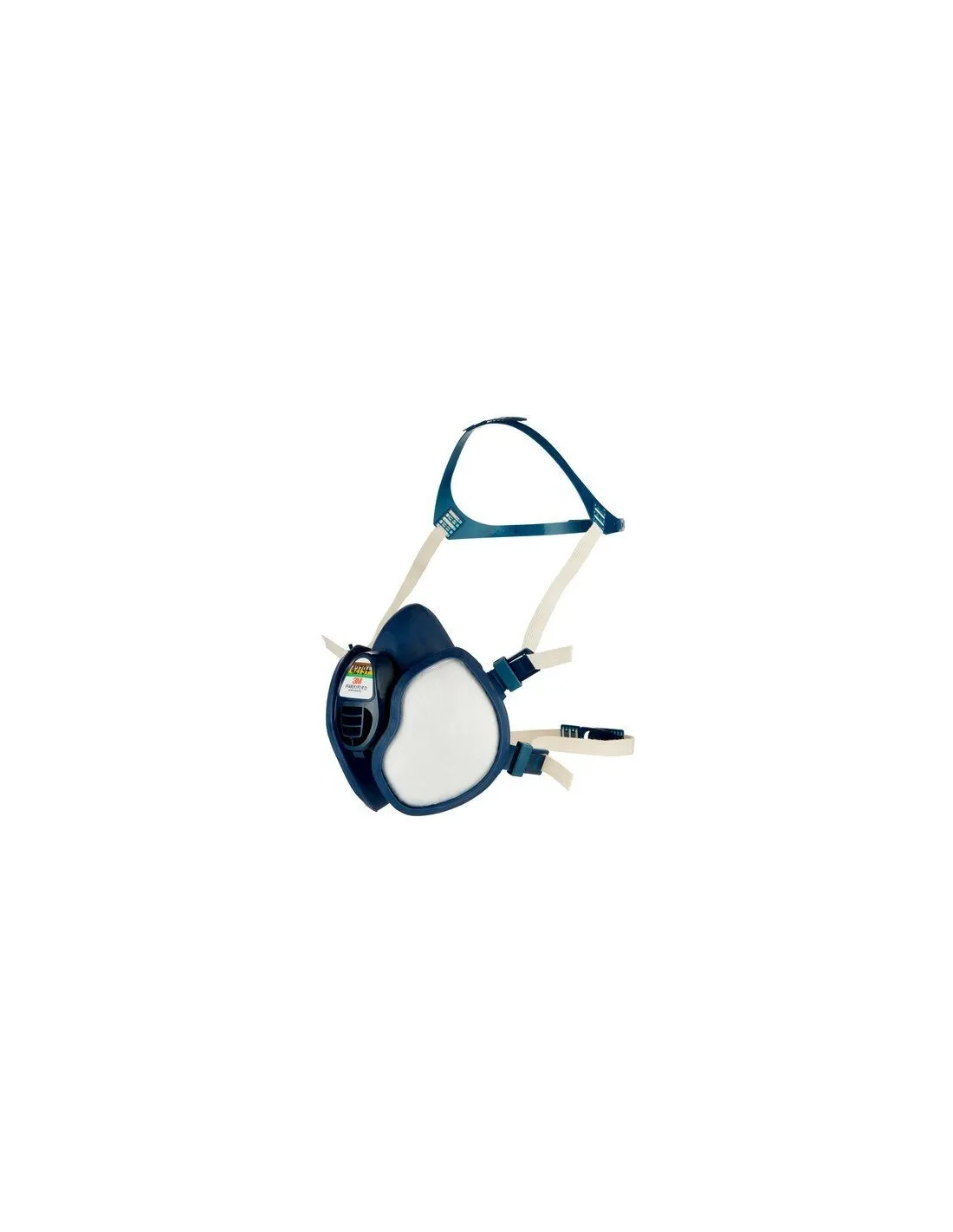
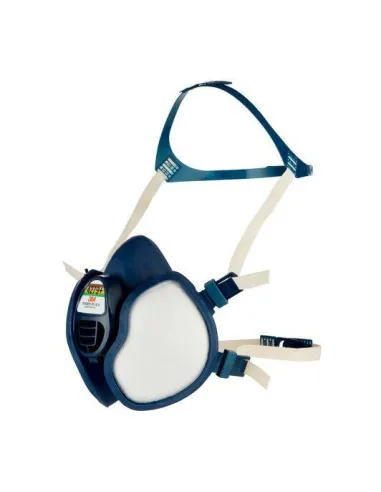
Reusable Mask 4279 3M
309100107
€45.00
54,45 € Tax incl.
54,45 € Tax incl.
3M 4279 reusable mask with integrated filter FFABEK1P3 R D. Protection against gases, organic vapours and particles. EN 405 certified.
The 3M Reusable Mask 4279 is a maintenance-free half mask with integrated filters and cartridge (type FFABEK1P3 R D), ready to use with no prior assembly. It offers protection against a wide range of gases, organic vapours and hazardous particles, with a textured, hypoallergenic, silicone-free facial piece that ensures a comfortable and secure seal. A solid choice for work with resins, solvents, isocyanates and other common chemical agents in the workshop.
Technical specifications
| Feature | Value |
|---|---|
| Series | 4000 Series Half Mask |
| Product type | Reusable half mask |
| Integrated cartridge / Filter | FFABEK1P3 R D |
| Filter type | Gas, organic vapour and particles |
| Connection type | Permanent (non-replaceable) |
| Standard / Certification | EN 405:2001+A1:2009 |
| Particle protection level | P3 |
| Facial piece | Silicone-free, textured, hypoallergenic |
| Exhalation valve | Yes, central, improved mounting |
| Harness | Adjustment straps with regulation system |
| Maintenance | Not required (integrated filters) |
| Storage | Resealable bag included |
What it is used for
This mask is designed for workshop and technical work environments where there is exposure to chemical vapours and airborne particles. Its combined filter makes it suitable for a wide range of situations common in composites workshops, mould making, laminating, painting and post-processing:
- Working with epoxy, polyurethane or polyester resins (mixing, casting and laminating)
- Use of organic solvents and thinners: acetone, isopropyl alcohol, styrene, naphtha
- Application of spray release agents or volatile liquids
- Sanding, cutting and machining of fibreglass, carbon fibre or cured material parts
- Painting and application of surface coatings
- Work with cyanoacrylate adhesives or other products with irritating vapours
- Moulding and work with materials that generate fine dusts or aerosols
- General workshop use as combined respiratory PPE
How to use it
- Remove the mask from the resealable bag and visually check that the facial piece and exhalation valve are in good condition.
- Place the mask over your nose and mouth, holding the facial piece with both hands.
- Pass the upper harness over the top of your head and the lower one behind your neck.
- Adjust the straps by pulling the ends until you achieve a firm and comfortable seal.
- Perform the positive seal check: exhale gently while covering the valve; if air escapes from the sides, readjust the straps or reposition the mask.
- Work normally. The central valve facilitates exhalation and reduces heat build-up.
- When finished, store the mask in the resealable bag in a cool, dry place away from contaminants.
- Discard the mask when you notice increased breathing resistance, detect odour through the filter, or it has exceeded its service life according to the manufacturer's instructions.
Warning: This mask incorporates non-replaceable integrated filters. Do not use it once filtration capacity is exhausted — if you detect odour or taste through the filter, replace it immediately. Always consult the safety data sheet (MSDS) of the chemical product you are working with to verify that the protection level of this mask is adequate for the exposure concentration. Not suitable for oxygen-deficient atmospheres.
Usage tips
Correct storage between uses
Always store the mask in the included resealable bag, in a cool, dry place away from chemical vapours. The activated carbon in the filter can become saturated even when not in use if left exposed to the workshop environment. Do not leave it on the workbench between sessions.
When to replace it
As soon as you detect any odour through the mask, filtration has reached its limit and you must replace it. The same applies if breathing resistance increases noticeably (clogged particle filter) or if the facial piece shows deformations that compromise the seal. Do not wait for physical symptoms before replacing it.
Complete your protection
The mask protects the respiratory tract, but in the workshop it is always recommended to use full personal protective equipment: use powder-free nitrile gloves to avoid skin contact with resins and solvents, and safety goggles when working with materials that may splash or generate projected particles.
Frequently asked questions
What is the difference between a disposable FFP3 mask and a half mask with a combined filter?
Disposable FFP3 masks only filter solid and liquid airborne particles, but do not protect against organic vapours or gases. The Mask 4279 incorporates a combined filter FFABEK1P3 that acts against both particles (P3 level) and organic, acid and inorganic gases and vapours. For work with solvents, resins or paints, this type of combined protection is essential.
How long does the filter on this mask last?
Service life depends on the concentration of the chemical agent, the duration of work and environmental conditions (temperature, humidity). As a general rule: replace the mask when you detect odour or taste through the filter, when breathing resistance increases, or when the maximum service periods stated on the packaging are reached. There is no fixed duration in hours applicable to all scenarios.
Can I use this mask with epoxy and polyurethane resins?
Yes. The Mask 4279 with filter FFABEK1P3 R D is suitable for working with epoxy, polyurethane and polyester resins, as well as their associated solvents. Always consult the safety data sheet of the specific product to confirm that the filter class (A, B, E, K) covers the agents present in your mix.
Does this mask also protect against sanding dust from composites?
Yes. The P3 component of the filter retains fine particles, including dust generated when sanding, cutting or machining fibreglass, carbon fibre or other cured materials. This is one of the main advantages of the combined filter over simple particle masks.
How do I know if the fit is correct?
Perform the positive seal check: with the mask on, cover the exhalation valve with your palm and exhale gently. If you do not notice air escaping from the sides or the nose bridge, the seal is correct. If there are leaks, readjust the harness straps or reposition the facial piece. A defective seal nullifies the protection.
Can it be cleaned or disinfected for reuse?
The facial piece can be wiped with a soft damp cloth. Do not submerge the mask in liquids or use aggressive solvents that could damage the material or the integrated filter. As the filters are non-replaceable, the service life of the mask is tied to that of the filter: once exhausted, the entire mask is discarded.
What additional PPE do I need when working with chemical products in the workshop?
In addition to respiratory protection, always use powder-free nitrile gloves to avoid dermal contact with resins, solvents and catalysts, and safety goggles when there is a risk of splashing or particle projection. Feroca stocks nitrile gloves and safety goggles as part of its workshop PPE catalogue.
Where can I find the safety data sheet for this mask?
Feroca provides safety data sheets (MSDS/SDS) for the products in its catalogue. You can request it directly through the product page on the website or by contacting the Feroca team. For the chemical products you use the mask with, always consult the relevant manufacturer's data sheet.
No reviews
Tap to zoom