Shopping Cart


CRYSTAL PEARLS
425007002
€15.00
18,15 € Tax incl.
18,15 € Tax incl.
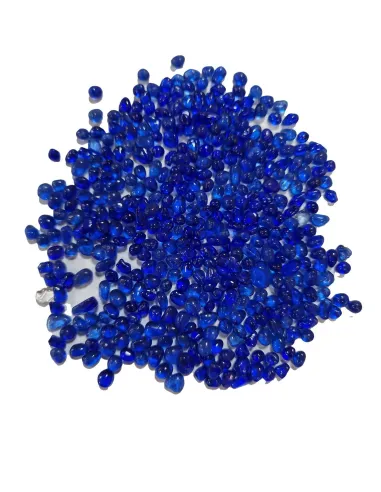
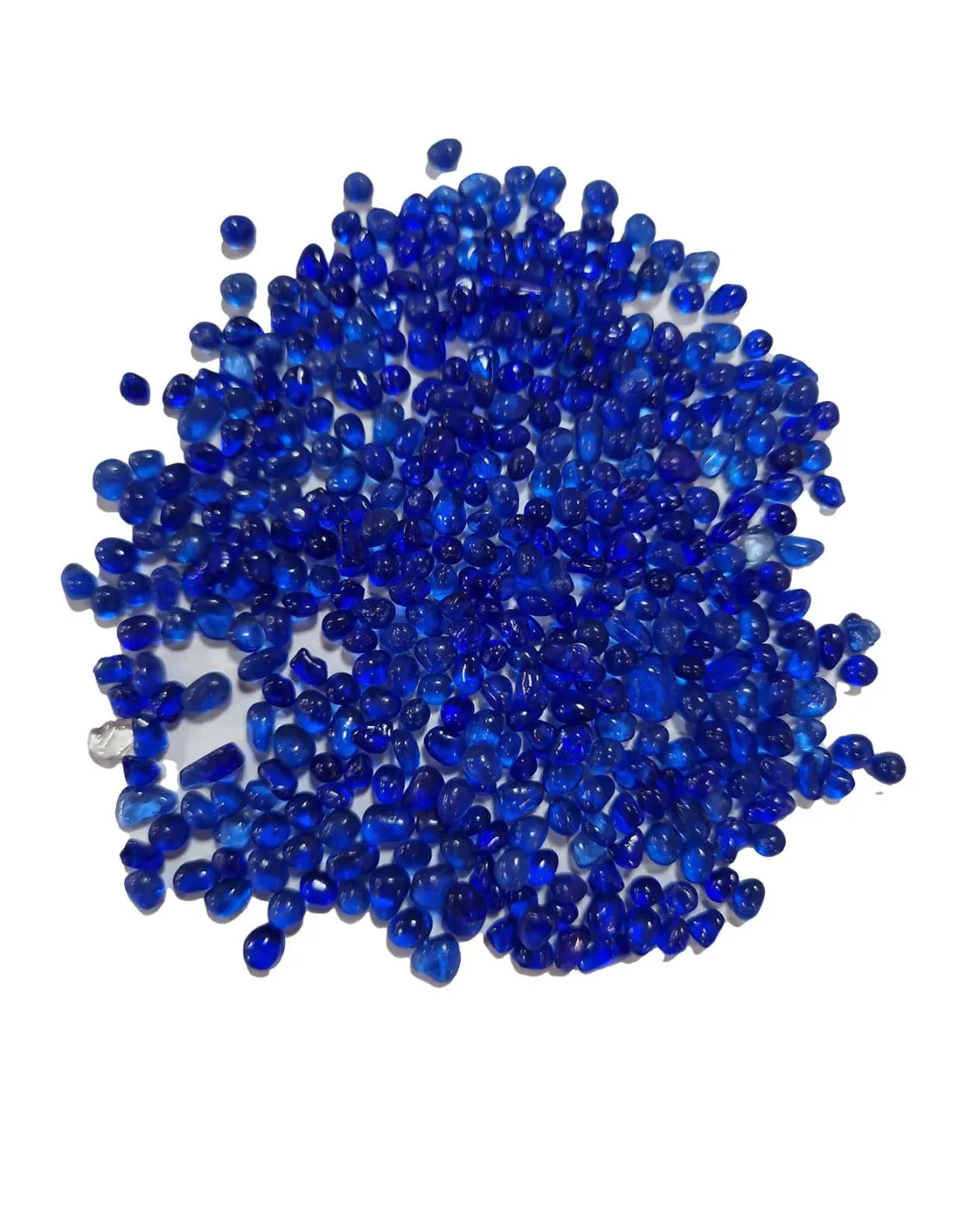
Transparent glass spheres 3–6 mm compatible with acrylic, epoxy and polyurethane resins. Sandable and polishable for glossy finishes.
Crystal Pearls are transparent glass spheres between 3 and 6 mm designed to be incorporated into acrylic, epoxy and polyurethane resins as a decorative or filler element. Their surface is sandable and polishable, allowing high-quality glossy finishes on finished pieces. They are a versatile solution for decoration, jewellery, art and visual effects in all kinds of workshop projects.
Technical specifications
| Format | Spheres |
|---|---|
| Size | 3 – 6 mm |
| Appearance | Transparent / different shades |
| Compatibility | Acrylic, epoxy and polyurethane resins |
| Sandable | Yes |
| Polishable | Yes (glossy finish) |
What it is used for
Crystal Pearls are designed for decorative and artistic projects where a three-dimensional visual effect, depth or aesthetic filler within a resin matrix is desired. Their main applications include:
- Encapsulation in transparent epoxy resins to create decorative objects with an in-depth visual effect
- Mixing with acrylic resins such as Jesmonite AC100 or Acrystal Prima for planters and handcrafted pieces
- Creating handcrafted jewellery: pendants, bracelets and unique pieces with resin as the fixing medium
- Decorative filler in resin castings to simulate water, stone or organic material effects
- Resin art: paintings, trays and decorative surfaces with three-dimensional inclusions
- Prototypes and scale models with texture effects or visual filling
- Applications in decorative composites where an aesthetic rather than structural filler is required
How to use it
- Prepare your resin mix according to the manufacturer's instructions (acrylic, epoxy or polyurethane).
- Pour a first layer of resin into the mould or container until the bottom is covered.
- Distribute the Crystal Pearls spheres over the resin layer in the desired position or randomly.
- Cover with a second casting of resin up to the final level, making sure the spheres are fully encapsulated.
- Allow to cure according to the cure times of the resin system used, avoiding vibrations or movement during the process.
- Demould the piece once fully cured.
- If necessary, sand the surface with progressively finer sandpaper (from coarser to finer grits) until a uniform surface is achieved.
- Polish the piece with a resin-specific polish to restore transparency and gloss.
Usage tips
Compatibility with resins
Crystal Pearls are inert and do not react with common resin systems. They work especially well with transparent epoxy resins, where the optical clarity of the matrix allows the visual effect of the spheres to be appreciated in full depth. With acrylic resins such as Jesmonite or Acrystal, the result is more opaque but equally effective for decorative pieces. Avoid mixing them directly into highly exothermic resins without temperature control, as excessive heat can generate bubbles around the spheres.
Sanding and polishing
One of the advantages of Crystal Pearls over other decorative fillers is that they are sandable. If the finished piece has surface imperfections, you can progressively sand with wet-and-dry sandpaper from grit 400 up to 2000 and finish with a resin polish. This process allows full transparency to be restored in epoxy pieces and achieves a high-quality finish in handcrafted jewellery or decorative surfaces.
Distribution and visual effects
For uniform depth effects, place the spheres in alternating layers with the resin, waiting for each layer to gel slightly before adding the next. If you are looking for a more organic effect, pour all the spheres at once and let them settle naturally by gravity. In flat pieces such as trays or paintings, an irregular and random distribution usually gives more natural and attractive results than a perfectly ordered arrangement.
Frequently asked questions
Can they be used with any type of resin?
Yes. Crystal Pearls are compatible with acrylic resins (Jesmonite AC100, Acrystal Prima), transparent epoxy resins and polyurethane resins. The visual result varies depending on the transparency of the chosen resin: with transparent epoxy the full spherical depth is visible; with acrylic resins the effect is more integrated into the mass.
Do they float or sink inside the resin?
Glass spheres are denser than resin, so they tend to sink to the bottom. To keep them in a central or suspended position, pour the resin in layers and allow each one to gel before adding the next batch of spheres. This allows you to control the final distribution in depth.
Is it necessary to clean or prepare the spheres before use?
Under normal workshop conditions no special pre-treatment is required. However, if the spheres have been exposed to dust, grease or moisture, it is advisable to clean them with isopropyl alcohol and allow them to dry completely before incorporating them into the resin. Residual moisture can generate bubbles around the spheres during curing.
Can they be sanded without breaking the spheres?
Yes. Once encapsulated in cured resin, the spheres become part of the matrix and behave as a homogeneous solid material. Sanding with progressively finer wet-and-dry sandpaper does not break the spheres; it simply removes surface material until a uniform surface is achieved. Subsequent polishing restores the gloss and transparency.
What quantity of spheres is recommended per kilogram of resin?
There is no fixed ratio, as it depends on the desired visual effect. For occasional inclusions a few strategically distributed spheres will be enough. For denser fillings or high-volume textures, you can fill between 20 and 40% of the total volume of the piece. It is advisable to carry out small-scale tests before tackling large pieces.
Are they suitable for jewellery in contact with skin?
Crystal Pearls spheres are made of inert glass and present no biocompatibility issues. The final suitability of the piece for skin contact depends mainly on the resin used as the matrix. For jewellery it is recommended to use a certified epoxy resin or a fully cured high-quality epoxy, and to sand and polish the finished piece correctly.
Can the spheres be painted or dyed?
The spheres are made of glass and their surface does not absorb pigments directly. To obtain coloured spheres, the most effective solution is to dye the resin in which they are encapsulated with compatible pigments, so that the colour sits in the matrix surrounding each sphere. This creates a very attractive depth-of-colour effect in the finished piece.
Can they be used outdoors or in pieces exposed to the weather?
Glass spheres are stable against weathering. The outdoor resistance of the finished piece depends on the resin chosen. For outdoor use it is recommended to use a UV-resistant epoxy resin or to apply an outdoor protective varnish over the finished piece to prevent yellowing of the resin matrix.
No reviews
Tap to zoom