Shopping Cart



Bondo Moulds
221000200
Temporarily out of stock
€19.00
22,99 € Tax incl.
22,99 € Tax incl.
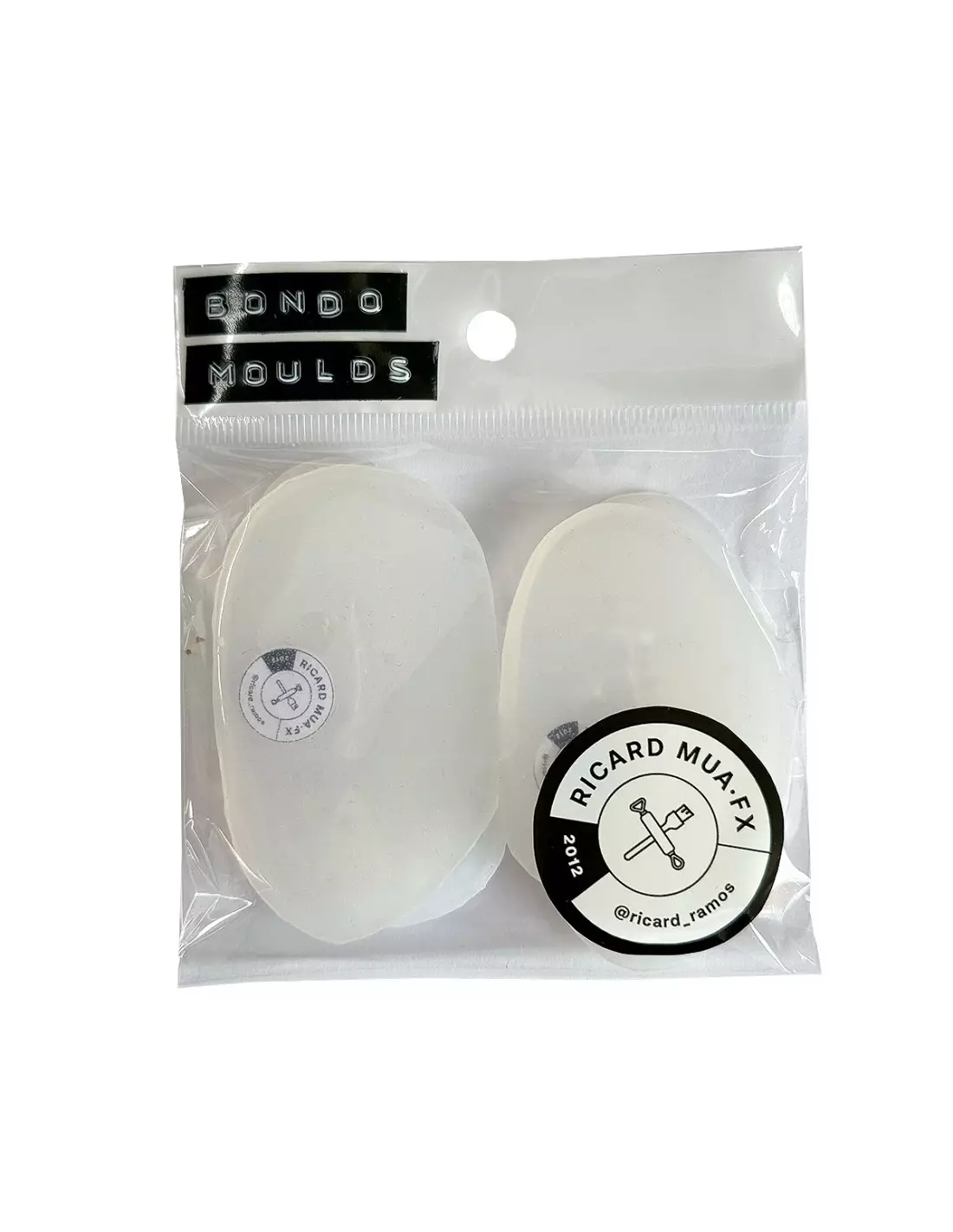
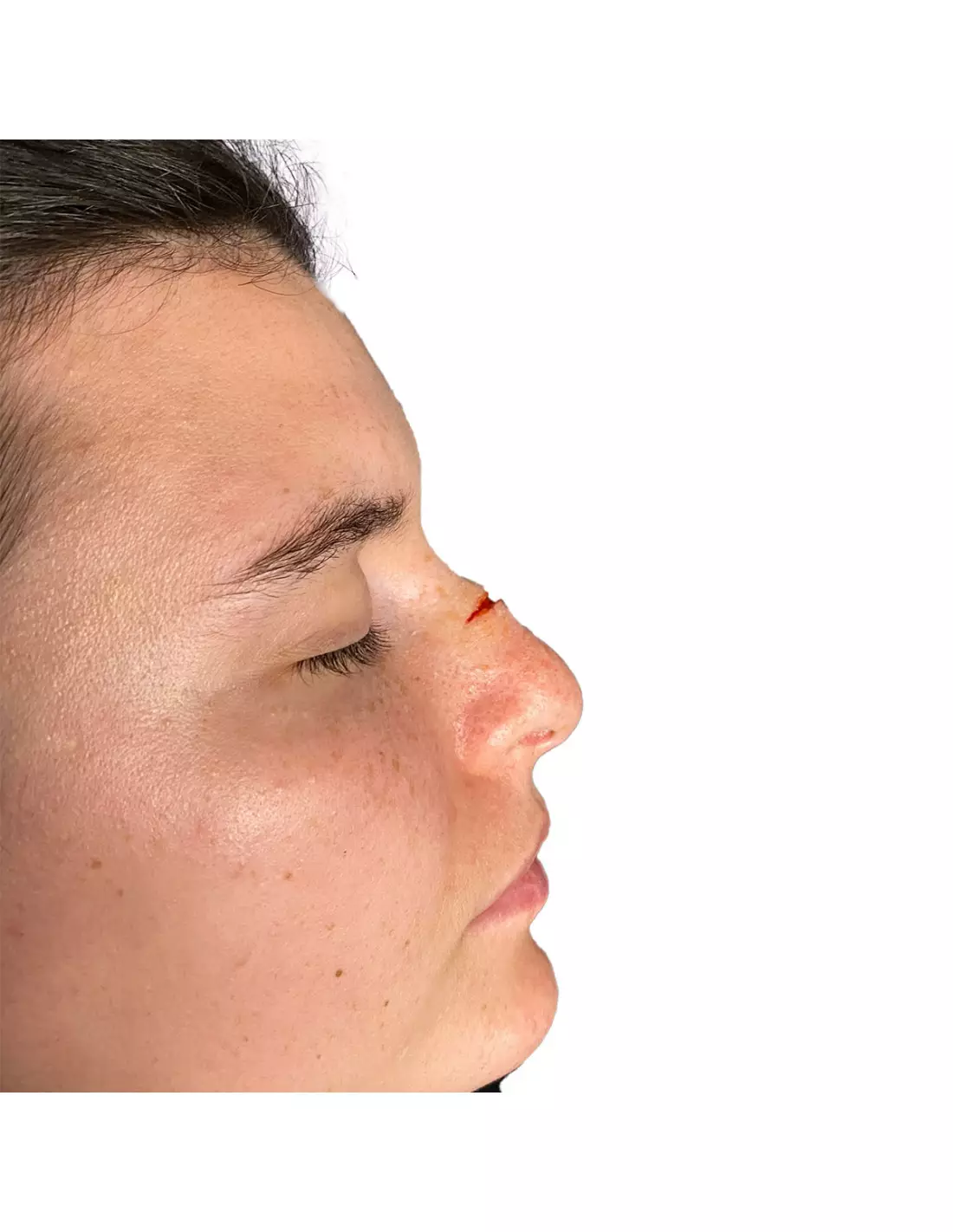
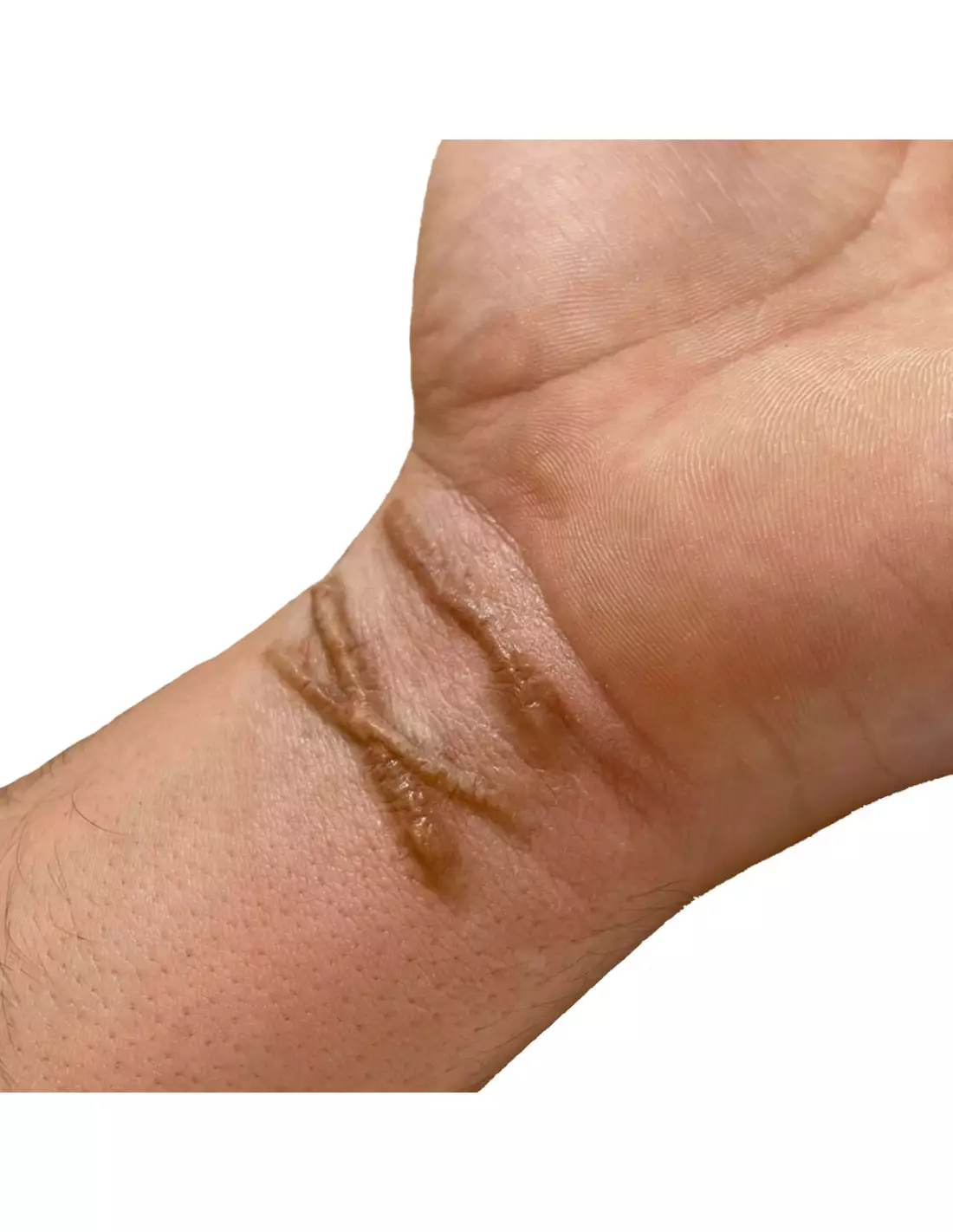
Set of 4 platinum silicone moulds for SFX wound and keloid effects. Designed by Ricard MUA FX. Reusable and professional quality.
Bondo Moulds are a set of four platinum silicone moulds specifically designed for creating open wounds, keloids and scars in special effects makeup. Created by Ricard MUA FX, they offer the precision and durability that SFX professionals need: realistic results, defined edges and unlimited reuse when properly maintained.
Technical specifications
| Feature | Detail |
|---|---|
| Mould material | Platinum silicone (addition cure) |
| Number of moulds | 4 |
| Specialisation | Open wounds, keloids and scars |
| Designer | Ricard MUA FX |
| Reusable | Yes |
| Compatibility | PTM, medical silicone, SFX gelatine, latex foam |
What they are used for
These moulds are designed for SFX makeup professionals and artists who need to reproduce wound and scar effects quickly and consistently. They are compatible with the most common prosthetic materials in the professional market:
- Creating open wounds for film, television and theatre
- Reproducing keloids and hypertrophic scars for realistic character work
- Serial production of silicone prosthetics with PTM Light Flesh or PTM Clear
- Special effects for photo shoots, cosplay and professional Halloween
- Training and practice in special effects makeup courses
- Creating transfer pieces using Tattoo and PTM Transfer Paper
How to use them
- Clean and dry the mould before each use to remove residue from previous castings.
- Apply a suitable release agent to the mould cavity if the material being poured tends to stick to silicone.
- Prepare the chosen prosthetic material: for example, mix PTM Light Flesh or PTM Clear according to the product instructions.
- Pour or apply the material into the mould, making sure to cover all the cavity details without leaving air bubbles.
- Allow to cure for the time indicated by the material used, at room temperature or in an oven as appropriate.
- Demould carefully by progressively pulling the edges of the silicone mould to avoid damaging the piece or the mould.
- Trim and paint the finished prosthetic with compatible pigments before applying it to skin.
Warning — Platinum silicone inhibition: Bondo Moulds are made from platinum silicone (addition cure). If you use materials containing sulphur inside them (such as certain sulphur-based clays), tin, latex, cyanoacrylate adhesive residue or latex gloves, the platinum catalyst may be inhibited and leave the material uncured or with a sticky surface. Always work with nitrile gloves and make sure all materials in contact are compatible with addition cure silicones.
Usage tips
Mould care and storage
Platinum silicone moulds are durable but sensitive to contamination. Store them clean, away from dust and direct heat sources. Avoid storing them in contact with materials containing sulphur or sulphur-based clays, as transfer contamination can affect future castings even without direct contact with the material being moulded.
How to avoid bubbles in the piece
To obtain prosthetics free from surface bubbles, first apply a thin layer of the material (PTM or other) with a brush over the entire mould cavity before filling the rest. This first layer pushes air out of recesses and ensures that all details are perfectly reproduced.
Pigmentation and realistic finish
The final result depends largely on pigmentation. Use compatible intrinsic pigments mixed directly into the material before pouring to achieve a uniform base colour. Complete the effect with extrinsic pigments applied to the surface once the piece has been demoulded. If you work with PTM Clear, you will have better control over translucency to mimic skin texture more naturally.
Frequently asked questions
How many times can a platinum silicone mould be used?
With proper maintenance, platinum silicone moulds like Bondo Moulds can be used hundreds of times. The key is to clean them thoroughly after each use, not force demoulding and avoid contact with inhibiting materials. Platinum silicone does not degrade over time as long as it is stored in suitable conditions.
What material is best for filling these moulds?
Bondo Moulds are compatible with various SFX prosthetic materials. PTM Light Flesh is a highly regarded option for its skin-like finish and flexibility. PTM Clear allows custom pigmentation and greater translucency. SFX gelatines or latex foams can also be used depending on the desired effect.
Do I need a release agent to work with these moulds?
It depends on the material you use. Some materials like PTM do not require a release agent on platinum silicone because they do not adhere to it. However, if you use resins or materials with greater adhesion, it is advisable to apply a thin layer of release agent in spray or aqueous solution to ease demoulding and preserve the mould.
Can these moulds be used to create wound transfers?
Yes. You can use Bondo Moulds together with Tattoo and PTM Transfer Paper to create prosthetics that transfer directly onto skin. This technique allows quick on-set application without the need for conventional prosthetic adhesives.
How do I clean the mould after use?
Once the piece has been demoulded, remove any material residue with your fingers or a soft rubber spatula. For deeper cleaning, you can use water with mild soap or diluted isopropyl alcohol. Avoid aggressive solvents such as acetone or MEK, which could degrade the silicone over time. Dry the mould thoroughly before storing.
Do these moulds work with SFX gelatine?
Yes, SFX gelatine is compatible with platinum silicone moulds. Pour the melted gelatine directly into the mould and allow it to set at room temperature. Demoulding is straightforward thanks to the flexibility of the mould. Bear in mind that gelatine pieces are more fragile than PTM pieces and require refrigeration to be preserved.
Can I use these moulds for mass pigmentation of the material?
Yes. Intrinsic pigmentation (adding pigment directly to the material before pouring) is fully compatible with Bondo Moulds. This technique ensures the colour is uniform throughout the prosthetic, with no risk of surface wear during character application.
No reviews
Tap to zoom