Shopping Cart


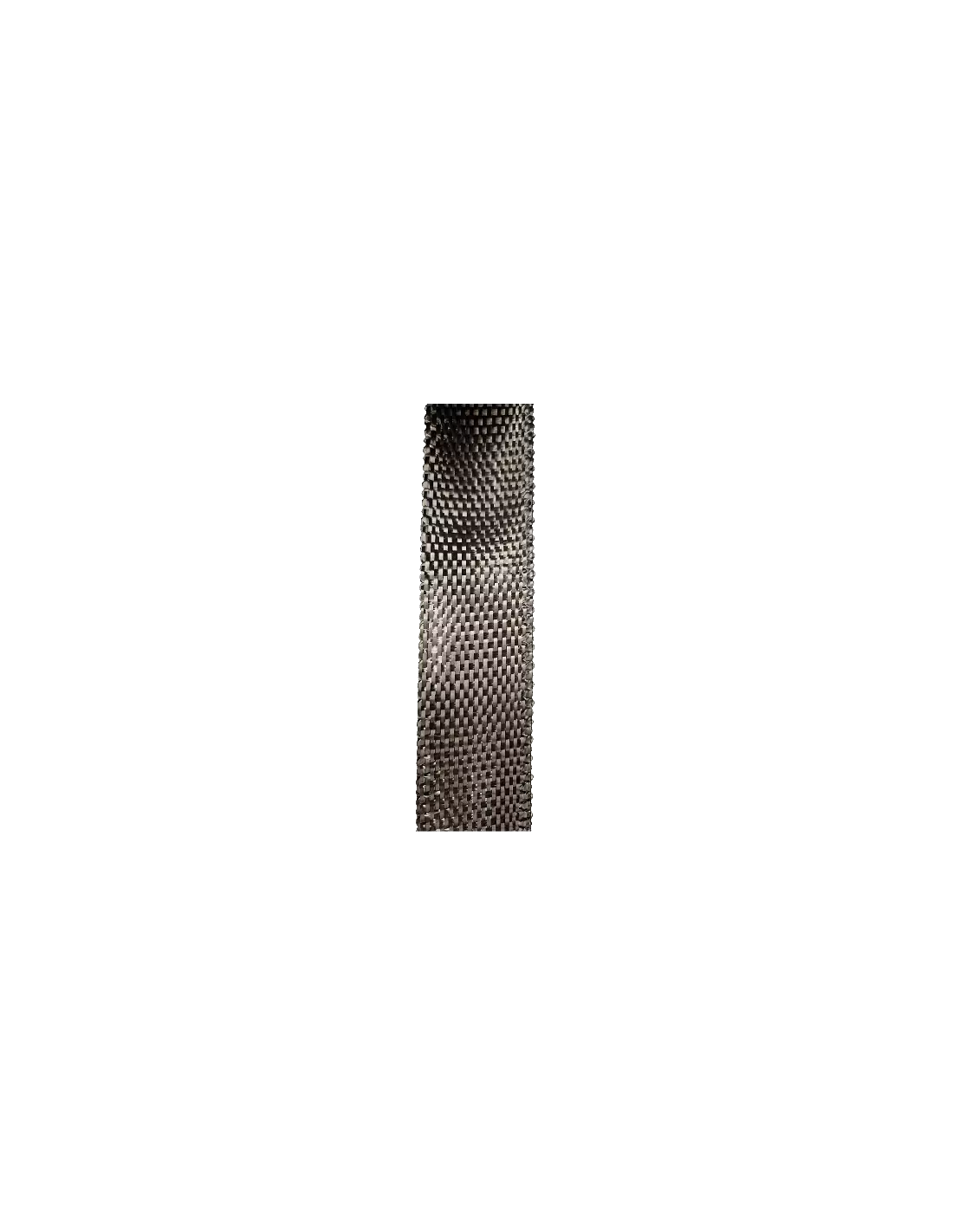
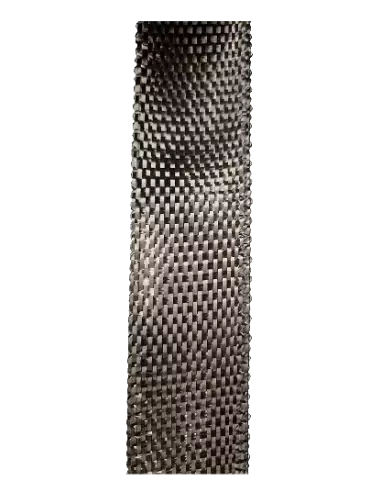
Plain 3K Carbon Tape - 200g x 50mm
103204001
€8.00
9,68 € Tax incl.
9,68 € Tax incl.
3K plain weave carbon tape, 200 g/m², 50 mm wide. Lightweight, stiff and strong for structural reinforcements and technical composite parts.
The 3K plain weave carbon tape, 200 g/m² and 50 mm wide, is a plain weave carbon fibre fabric with 3000 filaments per tow, ideal for precision structural reinforcements, repairs and the manufacture of technical composite parts. Its narrow format makes it easy to work in hard-to-reach areas, profiles, edges and complex geometries where a wide fabric is difficult to handle.
Technical specifications
| Parameter | Value |
|---|---|
| Weave type | Plain weave |
| Filaments per tow | 3K (3000 filaments) |
| Weight | 200 g/m² |
| Width | 50 mm |
| Warp | 5.0 ends/cm (3K – 200 tex) |
| Weft | 5.0 ends/cm (3K – 200 tex) |
What it is used for
This narrow 50 mm format is designed for applications where high strength and stiffness are needed in specific areas without adding unnecessary weight. It is especially useful for localised reinforcement and exposed carbon fibre finish applications.
- Reinforcement of edges, flanges and profiles on carbon fibre or fibreglass parts
- Structural repair of damaged parts in sports equipment, chassis and bodywork
- Manufacture of tubes, rods and composite profiles by filament winding or laminating
- Decorative and finish layers with exposed carbon on panels, lids and covers
- Reinforcement of joints and splices in lightweight structures for drones, aeromodelling and marine applications
- Engineering applications requiring stiffness in two axes with reduced weight
- High-performance sports equipment: rackets, poles, bicycle frames, boards
How to use it
- Prepare the surface: clean and degrease the substrate or mould. Apply a release agent if working with a mould and you plan to demould the part.
- Prepare the resin: mix the epoxy or polyester resin in the proportions specified by the manufacturer. Work in a temperature-controlled environment (18–25 °C) to ensure adequate working time.
- Wet out the tape: lay the tape on a flat surface or directly on the mould. Apply the resin with a brush or roller and make sure all filaments are fully wetted out without bubbles.
- Position the tape: place the wetted tape on the area to be reinforced or in the mould, following the desired orientation (0°/90° for balanced loads).
- Remove air: run a consolidating roller or rubber squeegee from the centre outwards to expel any air bubbles trapped between layers.
- Add layers if needed: repeat the process for each additional layer. Plain weave is symmetrical, so each layer can be alternated or overlapped without introducing asymmetric stresses.
- Cure and demould: allow to cure according to the resin manufacturer's instructions. Once cured, carefully demould the part and carry out finishing operations (trimming, sanding, varnishing) as required.
Tips for use
Clean cuts without fraying
Use carbide scissors or a fresh-blade cutter to cut the tape. To prevent edges from fraying before laminating, you can apply a strip of masking tape along the cut line and cut through it, or secure the filaments with a spot of resin before handling the piece.
Layer orientation and overlap
Plain weave provides balanced strength in warp and weft (0° and 90°). If you need strength in more directions, alternate 0°/90° layers with ±45° layers. For edge reinforcement with this 50 mm tape, centre the tape over the edge and fold 25 mm down each side for a symmetrical grip.
Resin compatibility
The tape is compatible with epoxy, polyester and vinylester resins. For best results with an exposed carbon finish, use low-viscosity epoxy resins that thoroughly wet out the 3K filaments and minimise surface bubbles. If you are using wider formats on the same part, wet out the hard-to-reach areas with this 50 mm tape first and then apply the wider fabric.
Frequently asked questions
What is the difference between a plain weave and a twill weave in carbon fibre?
In plain weave each tow passes alternately over and under the perpendicular tow, giving a very balanced and stable structure but with greater filament crimp. Twill has less crimp, which slightly improves mechanical properties and makes it easier to drape over curved geometries. This 3K plain weave carbon tape at 200 g/m² is particularly well suited to flat surfaces, straight profiles and applications where fabric symmetry is a priority.
What resins is this carbon tape compatible with?
It is compatible with epoxy, unsaturated polyester and vinylester resins. For structural applications or exposed carbon finishes, low-viscosity epoxy is recommended, as it wets out the 3K filaments better and offers superior mechanical properties. Polyester and vinylester resins are suitable for less demanding applications or where cost is a decisive factor.
How many layers do I need for a strong part?
It depends on the application and expected loads. For a lightweight or decorative exposed carbon reinforcement, 1–2 layers of this 200 g/m² tape is usually sufficient. For structural parts, the laminate should be calculated based on the loads, but as a general guideline, 4–6 layers of 200 g/m² with epoxy produce a stiff and strong panel suitable for most sports and light engineering applications.
Can I use this tape to repair a broken carbon part?
Yes. The narrow 50 mm format is very practical for localised repairs. Prepare the damaged area by sanding back to expose clean fibre, apply layers of epoxy-wetted tape overlapping at least 30–50 mm onto sound material on each side of the break, and cure according to the resin instructions. For repairs over larger areas, combine it with the 100 cm carbon fabric.
Do I need a release agent if I am laminating directly onto another composite?
No. If you are laminating onto an already-cured composite to add reinforcement, the goal is adhesion. Sand the surface, degrease it and apply the resin directly. A release agent is only used when you want to separate the part from the mould once cured.
How do I avoid bubbles in the laminate?
Wet out the tape with just the right amount of resin (neither too much nor too little) and use a consolidating roller working from the centre outwards. Work at a temperature between 18 and 25 °C: in cold conditions the resin is more viscous and traps more air; in excessive heat, working time is shortened. If applying multiple layers, do not allow the resin in previous layers to cure fully before adding the next one (wet-on-wet lamination reduces interlaminar bubbles).
What is the difference between 3K and other filament counts such as 6K or 12K?
The K count indicates the number of filaments per tow: 3K has 3000, 6K has 6000 and 12K has 12000. With fewer filaments per tow (3K) the fabric has a finer, more uniform appearance, is easier to wet out and is preferred for high-quality exposed finishes. Higher K fabrics (6K, 12K) are more economical and are used in structural laminates where surface finish is not a priority.
Can I combine this tape with fibreglass or aramid fibre fabrics?
Yes. Hybrid laminates combining carbon with fibreglass or aramid are common when a balance between stiffness, impact resistance and cost is required. Carbon tape is typically used in the outer layers to provide stiffness, while intermediate fibreglass or aramid layers absorb impacts. Make sure all fibres are compatible with the chosen resin.
No reviews
Tap to zoom