Shopping Cart



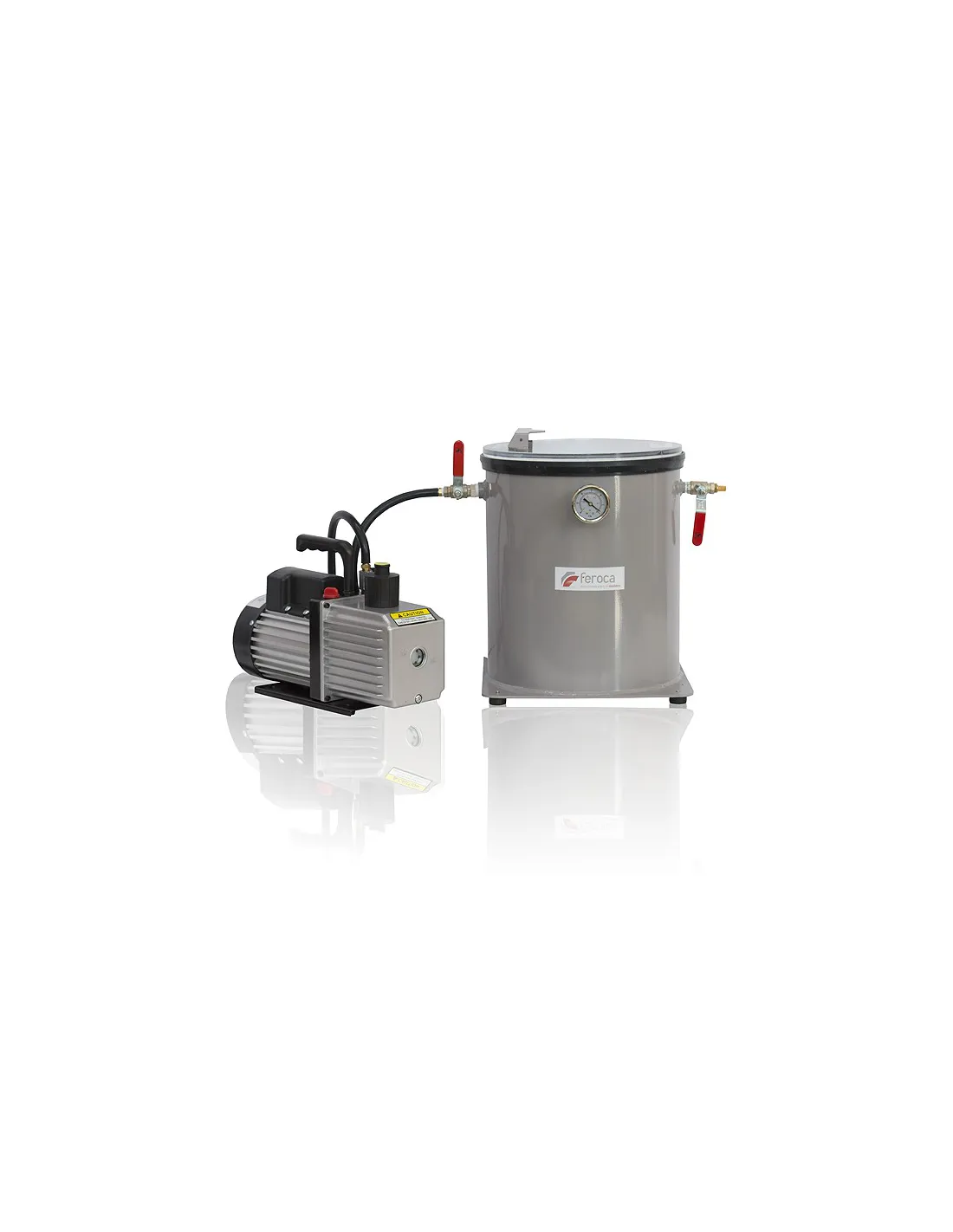
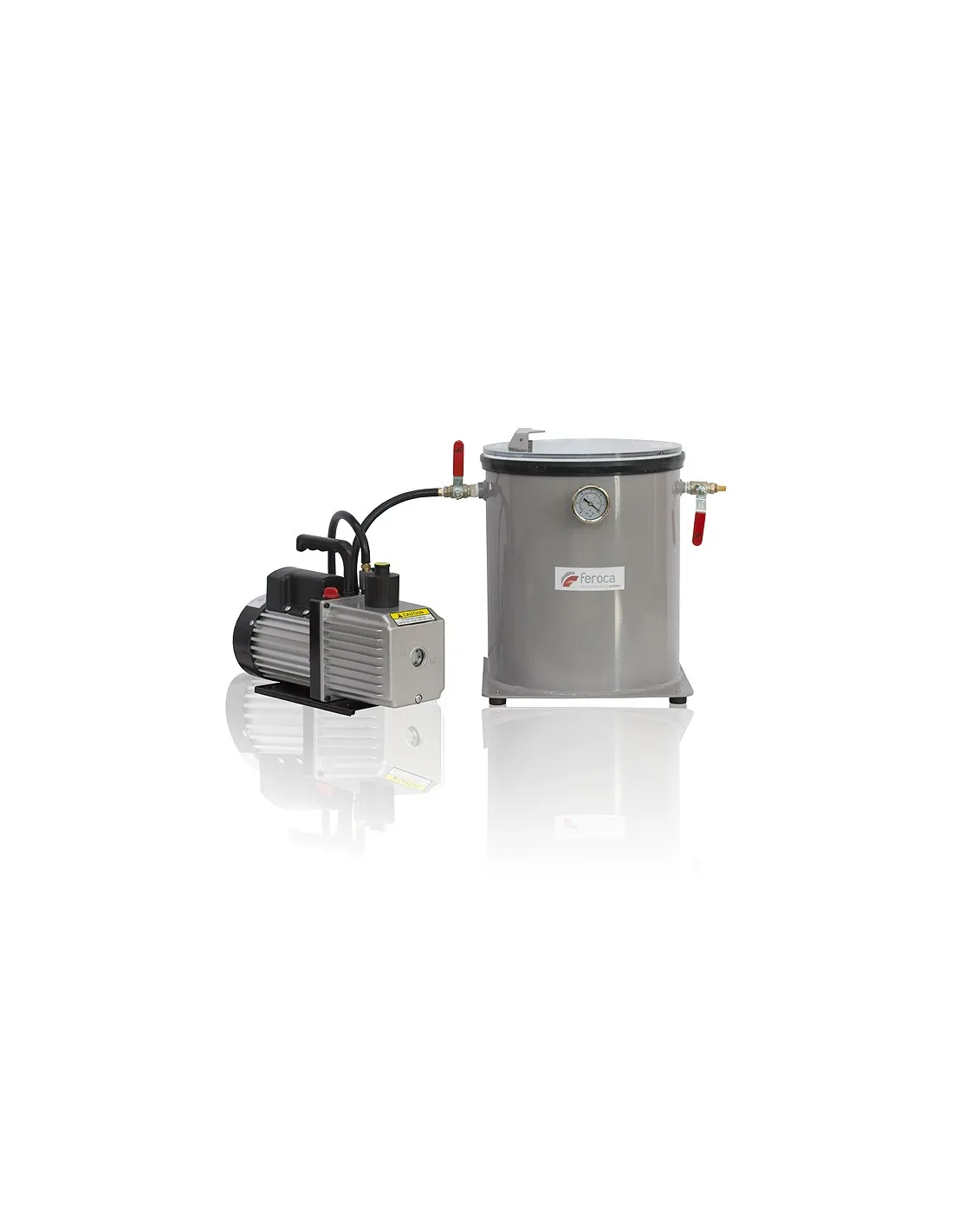
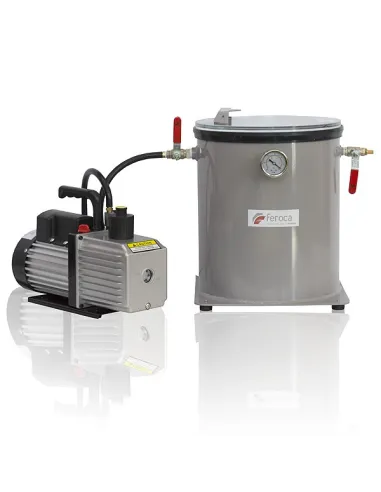
Complete vacuum system for degassing
230100000
€650.00
786,50 € Tax incl.
786,50 € Tax incl.
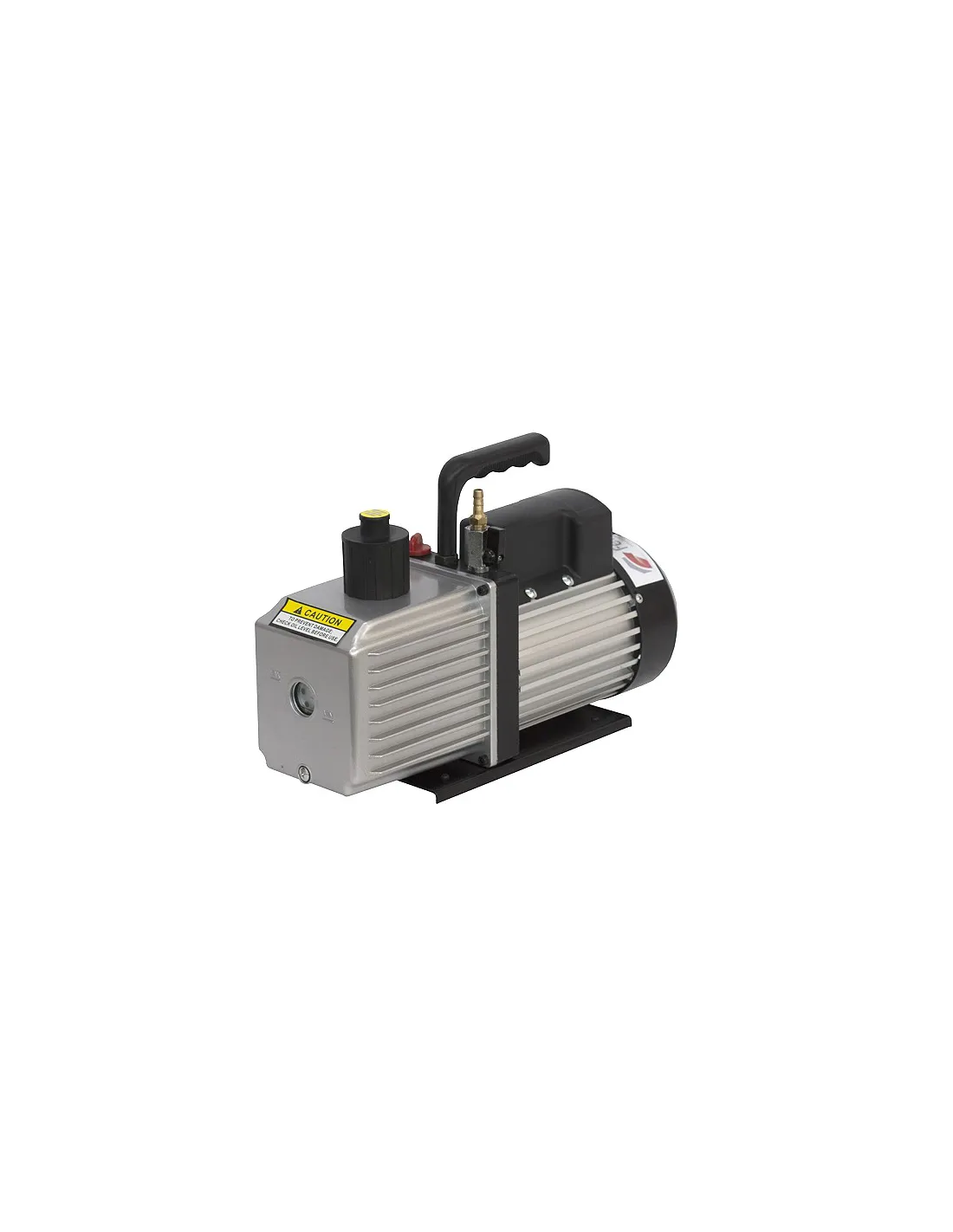
Complete vacuum system with 12 CFM (20.4 m³/h) pump and 26-litre chamber. Eliminates bubbles in resins and silicones, including fast-curing polyurethane.
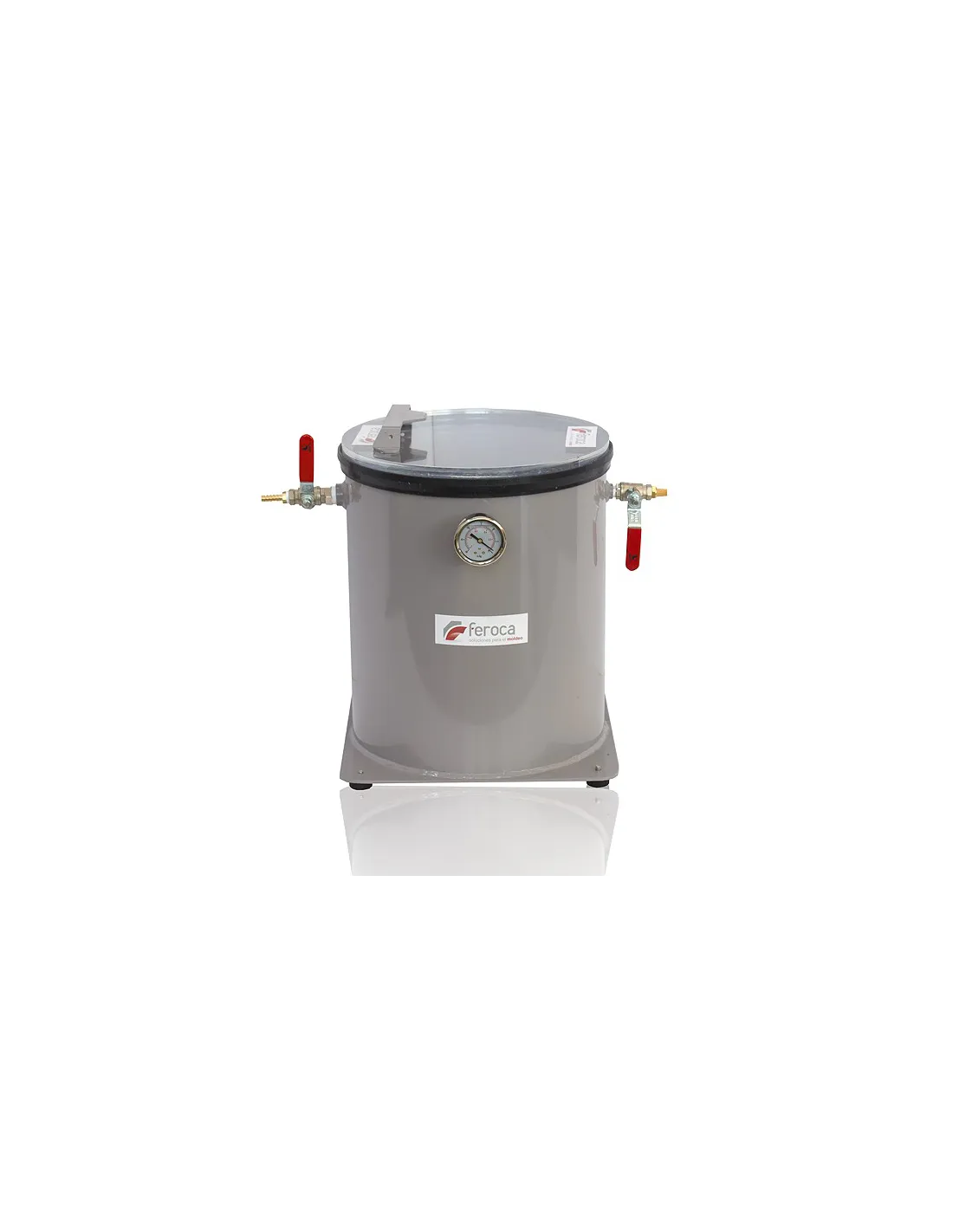
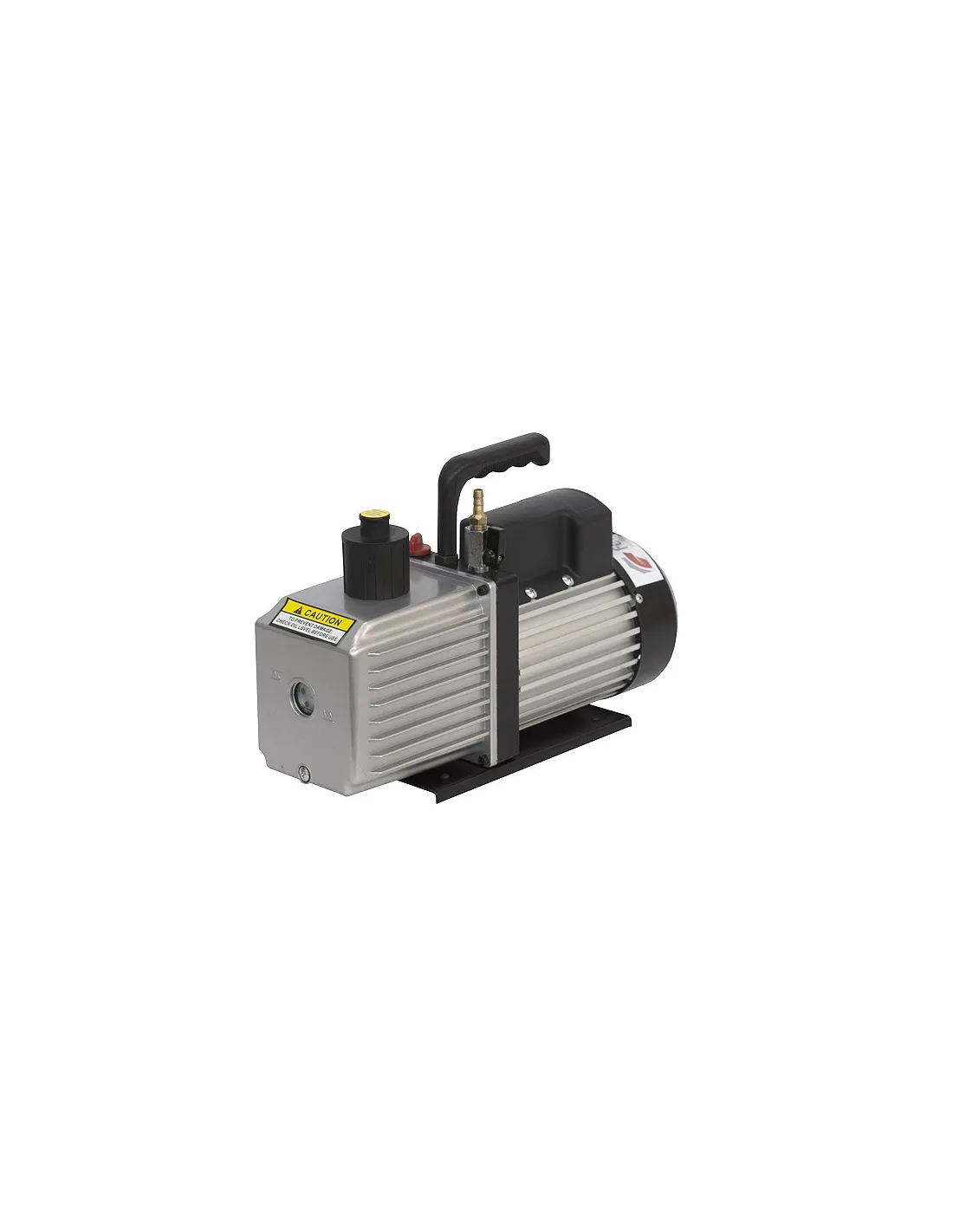
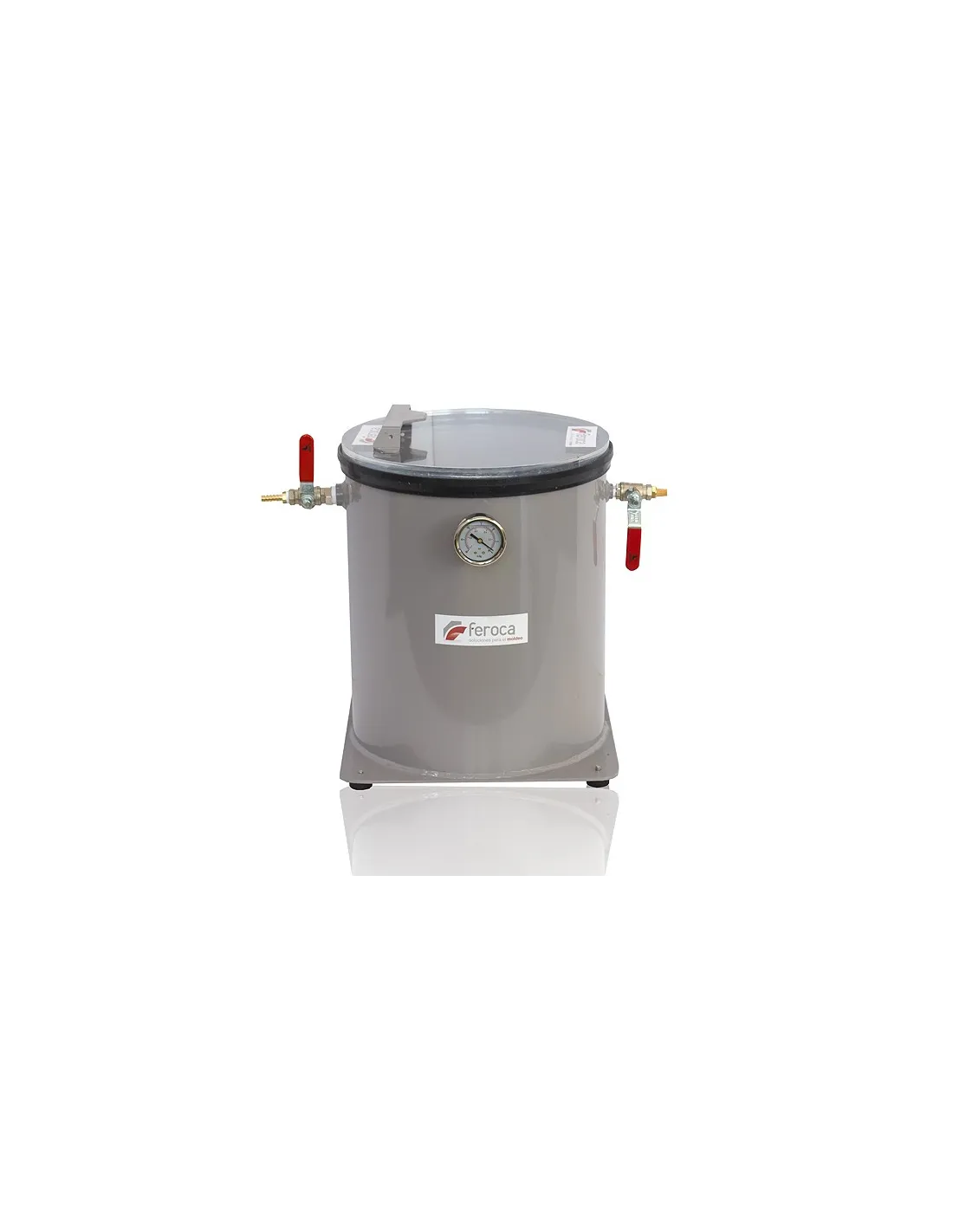
Feroca's complete vacuum system combines a 12 CFM (20.4 m³/hour) pump with a 26-litre chamber and transparent lid for degassing resins and silicones before curing. With a vacuum capacity of 99.995%, it reaches full vacuum in approximately one minute — enough time to work even with fast-curing polyurethane resins. Includes everything you need to get the system up and running from day one.
Technical specifications
| Parameter | Value |
|---|---|
| Pump flow rate | 12 CFM (20.4 m³/hour) |
| Maximum vacuum level | 99.995% |
| Chamber volume | 26 litres |
| Chamber lid | Transparent (allows visual monitoring of the process) |
| Approximate time to full vacuum | ~1 minute |
| Kit contents | Pump, chamber, lid, hose and connection accessories |
What it is used for
Vacuum degassing is the most effective method for eliminating air bubbles generated when mixing resins and silicones. Without this process, those bubbles become trapped in the finished piece, ruining surface detail, weakening the structure or creating unsightly pores. This system is sized to work with a wide range of materials, including the most demanding in terms of working time:
- Degassing polyurethane resin mixes before pouring into the mould
- Degassing platinum and tin silicones before curing
- Degassing polyester and epoxy resins with slower cure times
- Making high-quality, pore-free silicone moulds
- Production of articulated figures and reborn babies in flexible silicone
- Special effects and prosthetics work where detail is critical
- Degassing containers of up to 20 kg of resin or silicone
- Any application requiring a bubble-free casting
How to use it
- Place the chamber on its base and check that the chamber gasket is in good condition and properly seated.
- Mix your resin or silicone in a suitable container following the manufacturer's recommended ratios.
- Place the container with the mix inside the chamber. Make sure the container has enough capacity — the mix can expand considerably under vacuum.
- Close the chamber with the transparent lid and ensure an airtight seal.
- Connect the hose between the chamber and the vacuum pump.
- Switch on the pump. Through the transparent lid you will be able to see bubbles rising and bursting. The mix will increase in volume during the process.
- Maintain the vacuum until the foam has risen, collapsed and the surface of the mix is smooth and free of bubble activity (generally between 1 and 3 minutes depending on the material).
- Close the chamber valve, switch off the pump and slowly open the bleed valve to equalise pressure before opening the lid.
- Remove the degassed mix and pour immediately into the mould.
Important — expansion during vacuum: mixes can double or triple their apparent volume while under vacuum. Always use a container with at least double the capacity of the mixed volume to avoid overflow inside the chamber. If working with polyurethane, take its pot life into account: remove the mix from the chamber before it starts to visibly react.
Usage tips
Pump maintenance
Pump performance depends directly on the condition of the vacuum pump oil. Check it before each work session: clean oil is clear or slightly yellow; if it appears cloudy, milky or contains particles, replace it. Oil in poor condition reduces flow rate, extends vacuum time and can permanently damage the pump. Change the oil after the first few uses to purge manufacturing residues, and subsequently approximately every 50–100 hours of use.
How to work with short pot life materials
Polyurethane is the most demanding material: many formulations have working times of just 1–3 minutes. With this 12 CFM pump, full vacuum is reached in approximately one minute, leaving operational margin. To optimise the process: mix in a cold container (slows the reaction rate), keep components at room temperature before mixing, and have the mould ready and at hand before switching on the pump. As soon as the mix foam subsides, open the chamber without delay and pour.
Caring for the chamber and gasket
The transparent lid is acrylic: clean cured material residues carefully, without aggressive solvents that could create micro-cracks. Inspect the sealing gasket before each use; a cracked or deformed gasket prevents full vacuum from being reached and unnecessarily prolongs the process. If you notice the pump taking longer than usual to reach maximum vacuum, check the gasket and hose connections before looking for the problem in the pump itself.
Frequently asked questions
What is the difference between a small and a large pump for degassing?
The key difference is not the vacuum level they reach (both achieve 99.995%) but the speed at which they get there. A low-flow pump (under 8 CFM) can take several minutes to evacuate the chamber — longer than the pot life of fast materials such as polyurethane. This 12 CFM (20.4 m³/h) pump completes the vacuum in approximately one minute, making it compatible with virtually all workshop materials, including polyurethane.
Can polyurethane be degassed with this system?
Yes. That is precisely what the 12 CFM pump included in this kit is sized for. Polyurethane resins have very short working times, and a low-flow pump would not complete the vacuum before the reaction begins. With this system, full vacuum is reached in around one minute, leaving sufficient time to degas and pour the mix into the mould.
How much material fits in the chamber?
The chamber has 26 litres of internal capacity, sufficient to work from small castings up to containers of several kilos. Bear in mind that during degassing the mix can double or triple its apparent volume due to bubble expansion, so the container you place inside must have ample room for that temporary increase in volume.
How often does the pump oil need to be changed?
It is recommended to change the vacuum pump oil after the first few uses to remove manufacturing residues, and subsequently every 50–100 hours of operation. If the oil appears cloudy, milky or contains suspended particles, replace it immediately regardless of usage time. Operating with degraded oil reduces performance and can cause permanent damage to the pump.
Why is the pump taking longer than usual to reach vacuum?
The most common causes are: pump oil in poor condition (cloudy or low level), a worn or poorly seated chamber gasket, or a leak in the hose connections. Check these three points in that order before looking for the problem in the pump itself. A gasket in poor condition alone can significantly reduce system performance.
Does it work for degassing both tin and platinum silicones?
Yes, this system is compatible with both types of silicone. Tin (condensation) silicones have longer working times, making degassing particularly straightforward. Platinum (addition) silicones also benefit enormously from vacuum to obtain pore-free moulds, especially in fine-detail work such as prosthetics, special effects or articulated figures.
Can the chamber be used without switching on the pump, just as a container?
The chamber is a vacuum vessel and is not designed as a general storage container. Its function is to create a low-pressure environment while the pump is running. To protect the chamber and gasket, use it exclusively for degassing and store it with the lid resting on top (without pressure) when not in use.
Do I need any additional accessories to get started?
The kit includes everything needed for immediate start-up: pump, chamber, transparent lid, hose and connection accessories. For long-term maintenance it is advisable to have vacuum pump oil and a spare chamber gasket to hand, as these are the system's regular consumable items.
Video tutorial
Standard Vacuum System Guide
No reviews
Tap to zoom