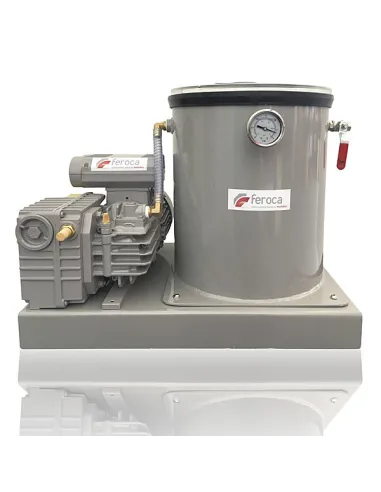
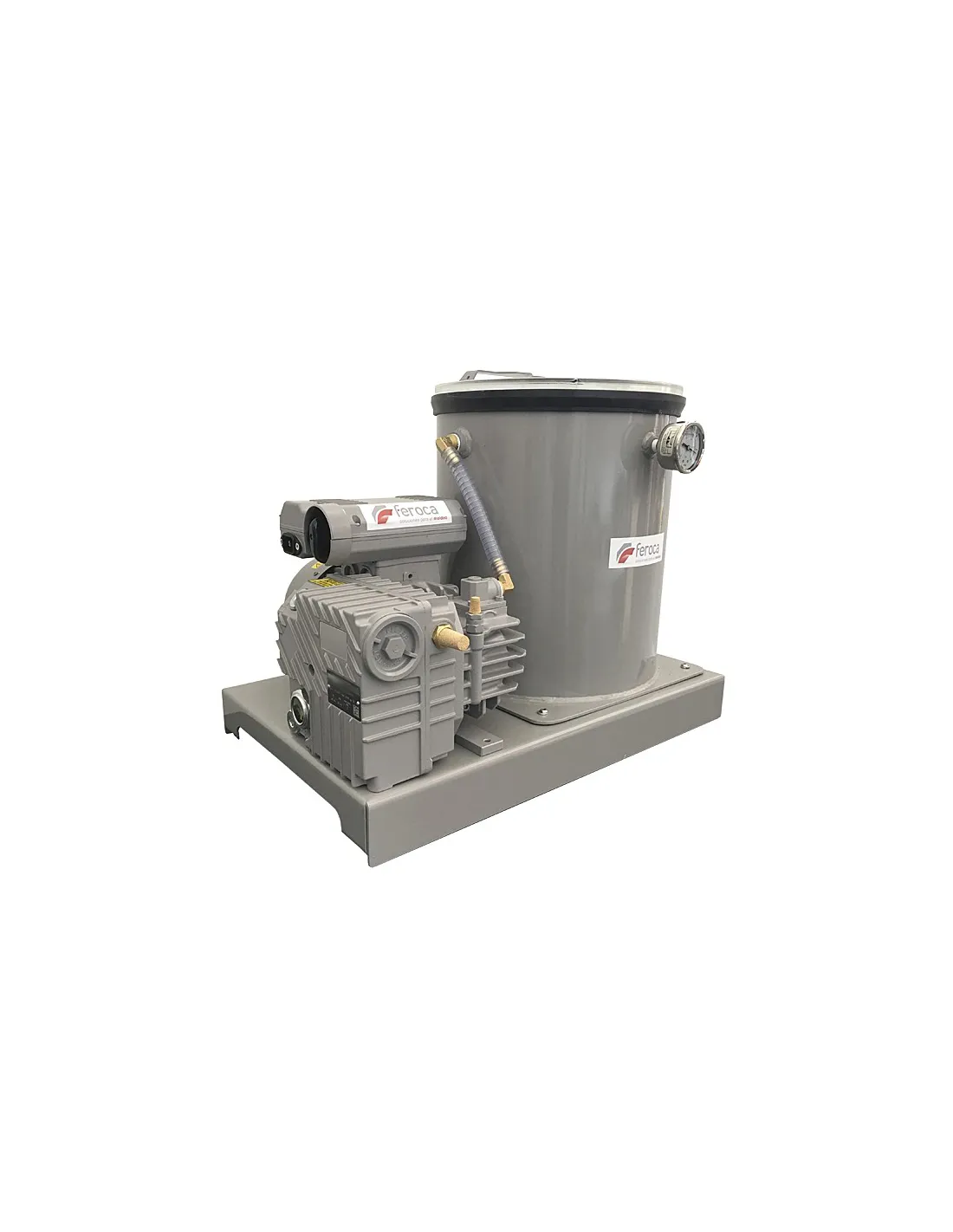
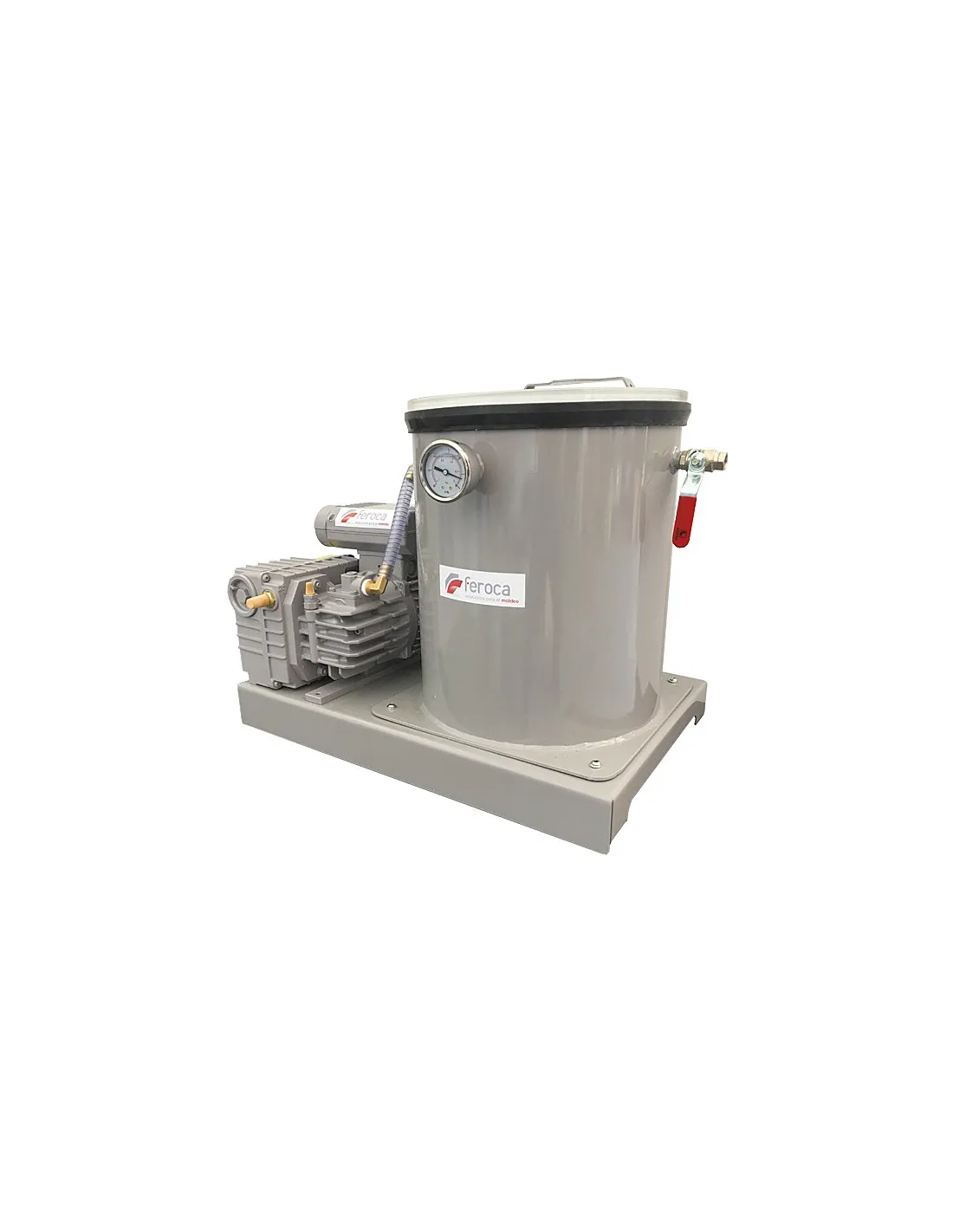
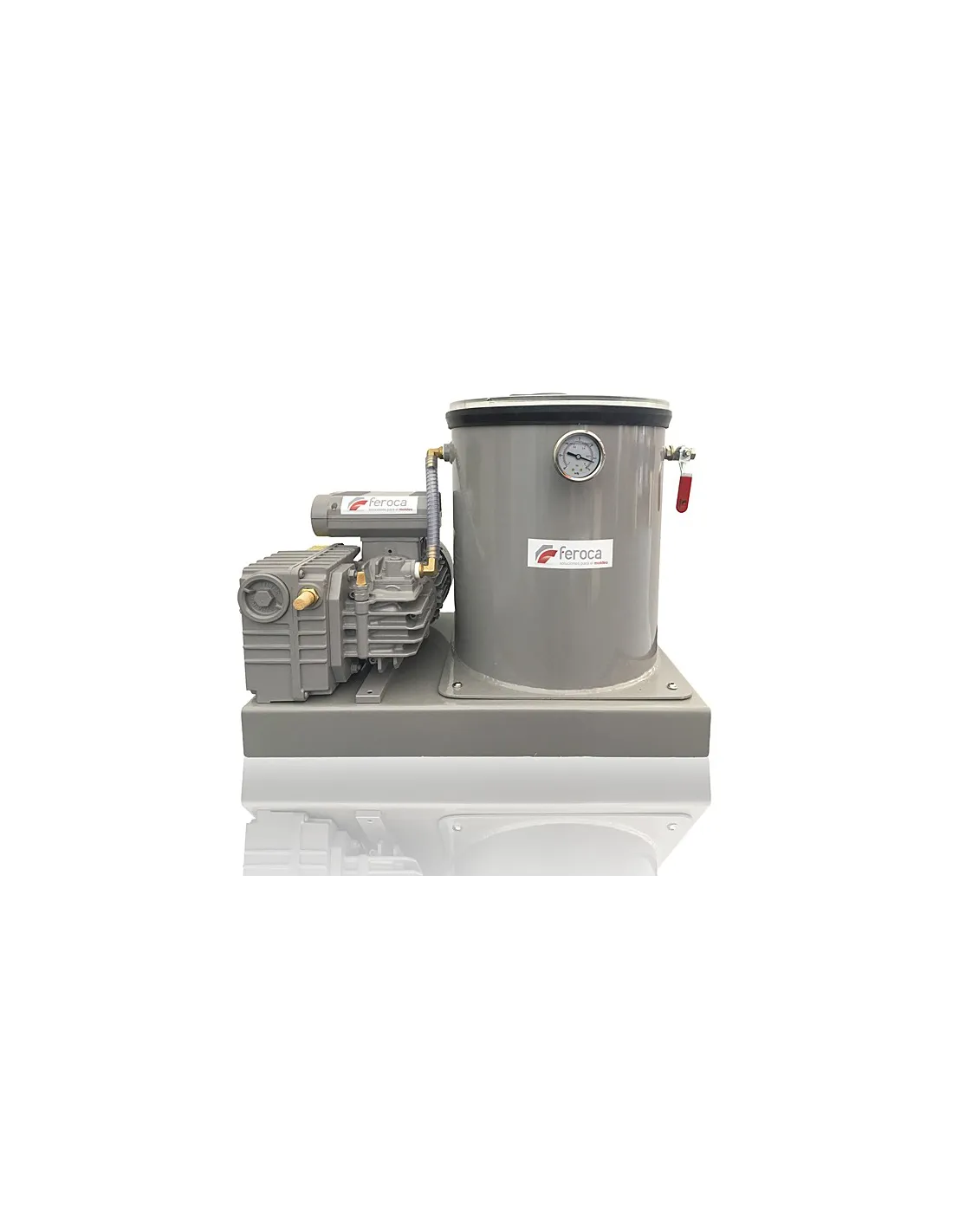
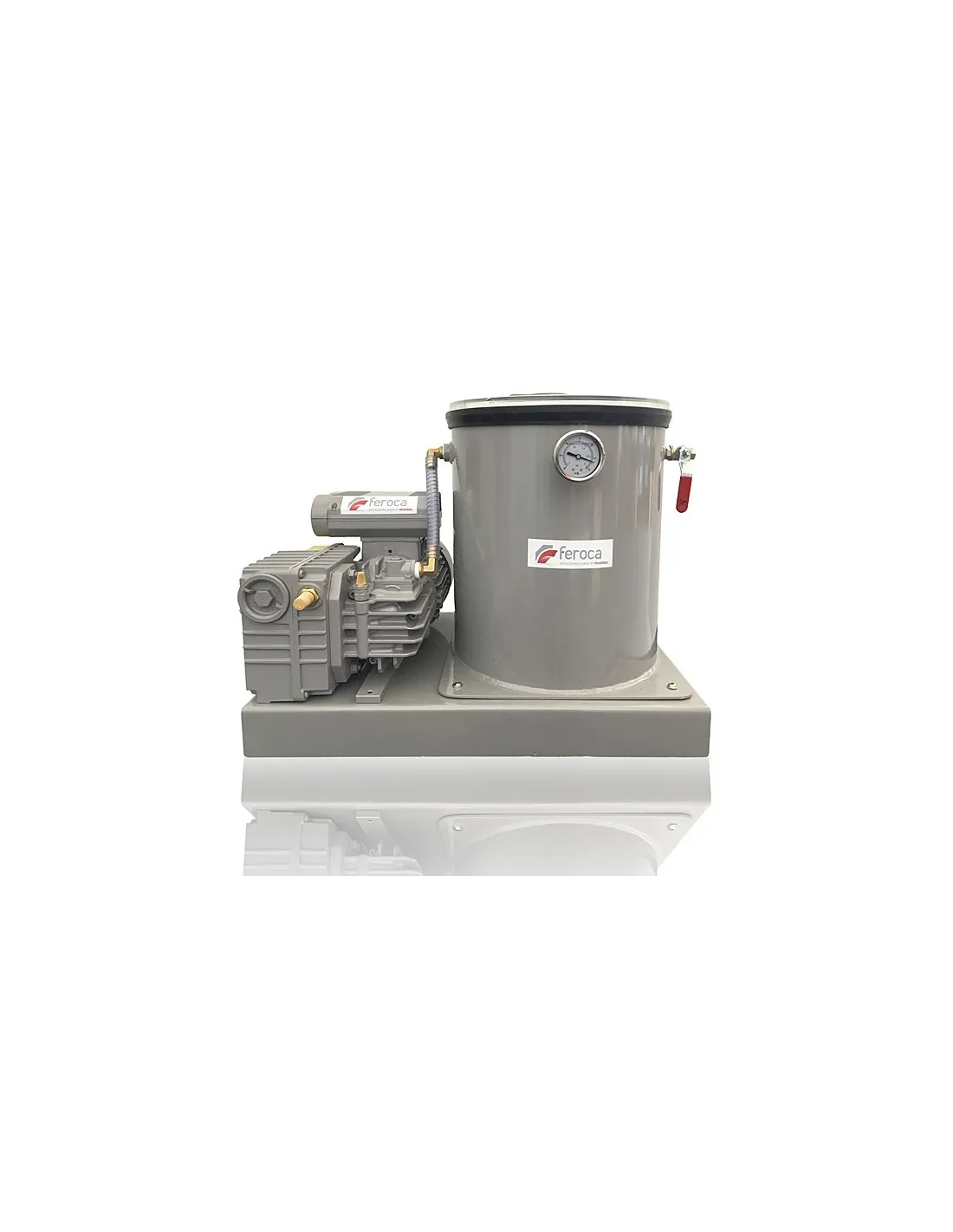
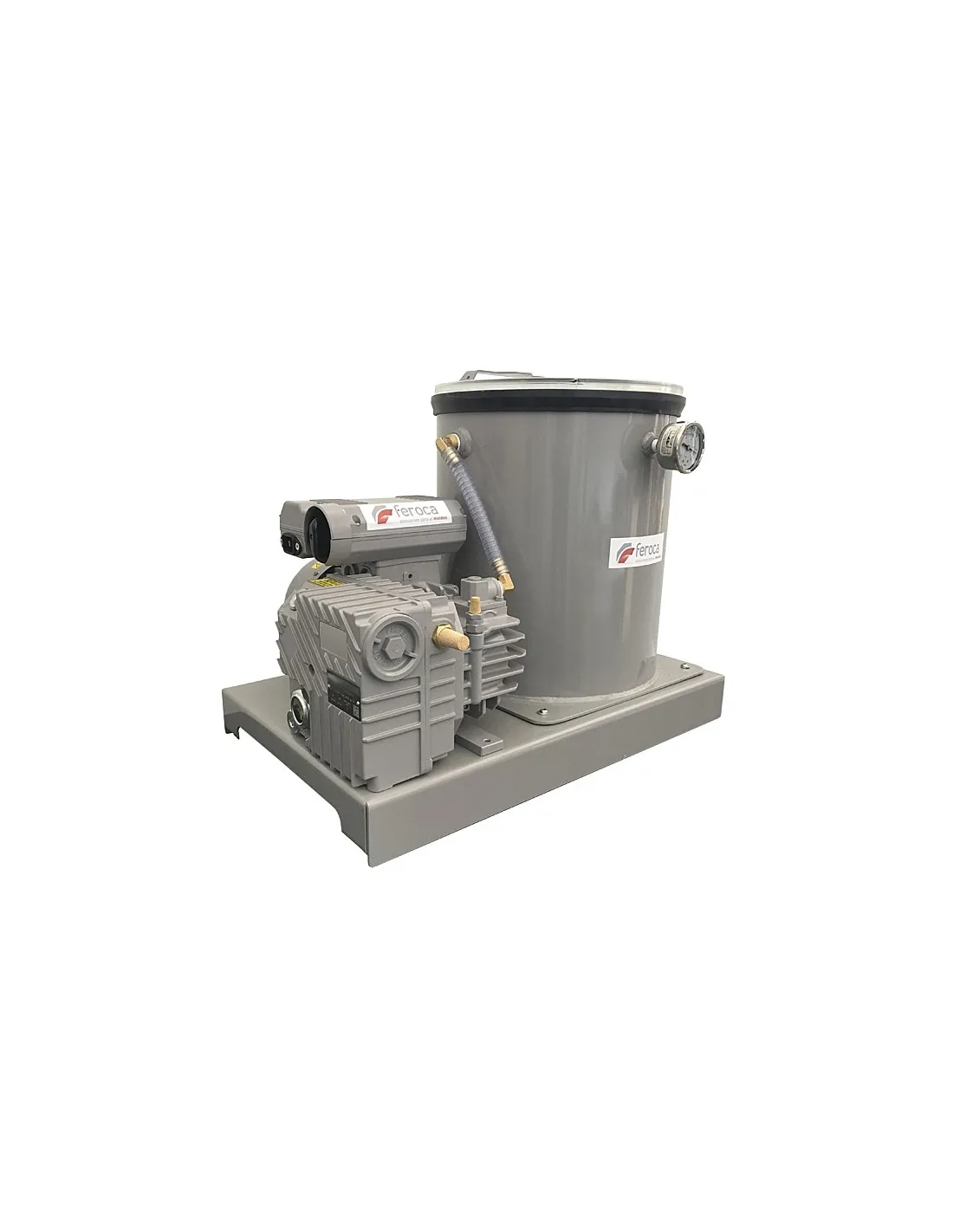
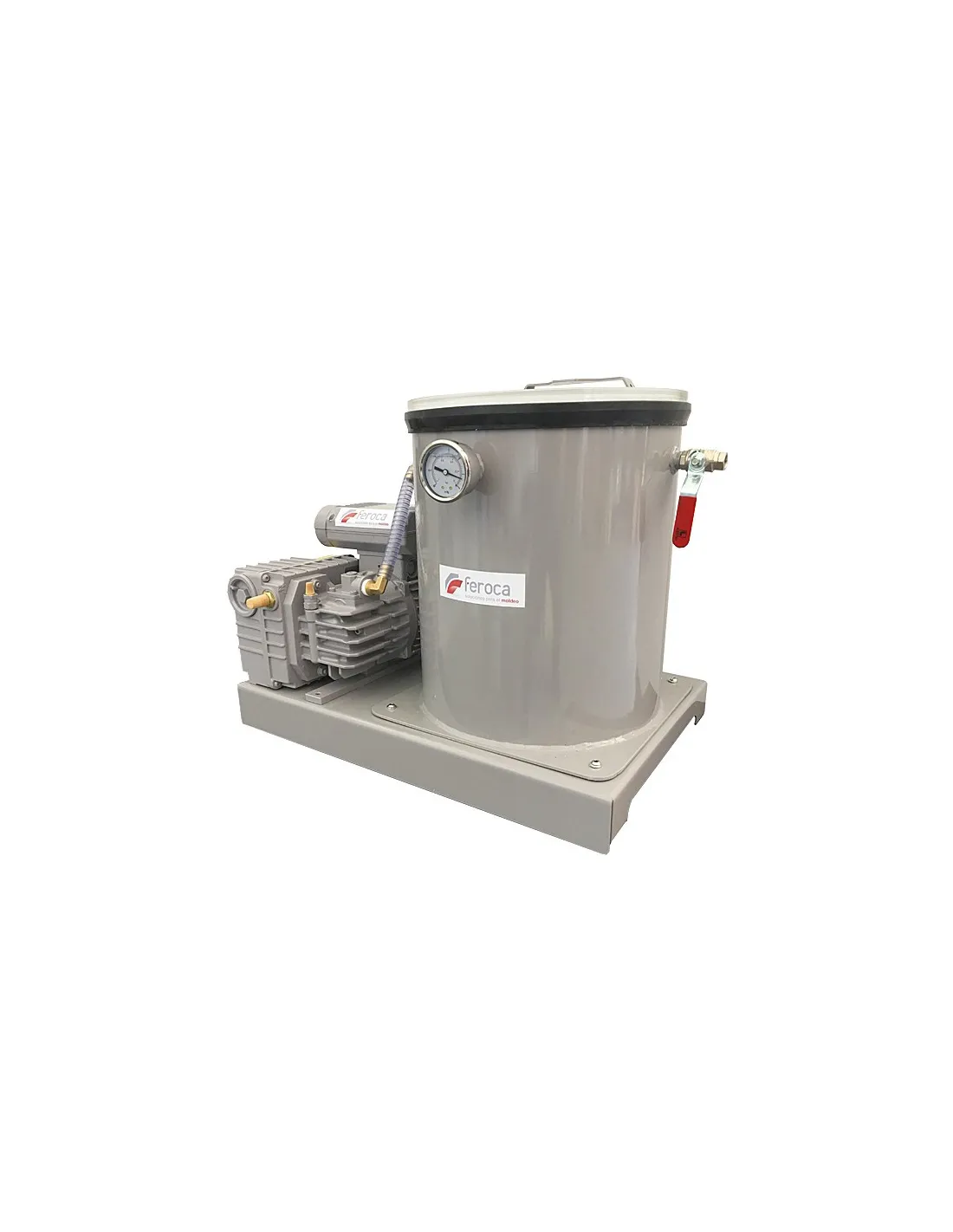
The SV-26P is a fully integrated vacuum degassing system designed for professional and industrial use. With a 26-litre chamber, high-performance pump and compact design with no start/stop valves, it is the most complete solution on the market for eliminating bubbles in resins, silicones and polyurethanes before pouring or curing.
Technical specifications
Parameter
Value
Chamber volume
26 litres
Pump flow rate
12–14 CFM
Maximum vacuum level
99.995%
Chamber thickness
4 mm steel with grey powder coating
Lid
20 mm transparent acrylic
Sealing gasket
Custom silicone
Vacuum gauge
Glycerin-filled
Operation
Start/stop without external valves
Noise / fumes
No noise or fume emission
Contents
Complete ready-to-use system
What it is used for
The SV-26P is designed for any workshop or production process where it is necessary to remove entrapped air from casting or moulding materials before they cure. Proper vacuum makes the difference between a part with internal bubbles — invisible from the outside until you sand or lacquer it — and a part that is clean and solid from the core.
Degassing platinum and tin silicones before pouring into the mould
Degassing highly reactive polyurethane resins
Eliminating bubbles in transparent casting resins (epoxy, acrylic, polyurethane)
Preparing silicone compounds for high-definition moulds
Special effects and animatronics applications where maximum surface fidelity is required
Manufacturing reborn pieces and resin prototypes without imperfections
Composite processes where void-free impregnation must be guaranteed
Degassing electronic encapsulation materials
How to use it
Place the SV-26P on a flat, stable surface with free space around it for pump ventilation.
Check that the chamber gasket is clean and properly seated in its groove; any cured material residue can break the seal.
Mix the material (silicone, resin or polyurethane) in a suitable container, filling it no more than halfway to allow for expansion under vacuum.
Place the container with the mixed material inside the chamber.
Place the acrylic lid on the chamber and make sure it sits evenly on the gasket.
Switch on the pump: the vacuum gauge will show the progressive rise in vacuum level. Watch through the transparent lid as the material rises and bubbles emerge and collapse.
Maintain the vacuum until the material stops bubbling and returns to approximately its resting level (typically 2 to 5 minutes depending on material viscosity).
Switch off the pump and slowly open the vent valve to restore atmospheric pressure before removing the lid.
Remove the container and pour the degassed material into the mould as quickly as possible to make the most of the remaining working time.
Usage tips
Control the volume in the container
Under vacuum, most materials can double or triple their apparent volume during bubbling. Always use a container with at least twice the capacity relative to the volume of material you are going to degas. If the material reaches the lid, switch off the pump immediately and vent before opening.
Temperature and viscosity
The lower the temperature, the higher the viscosity and the longer the degassing time required. If you are working with particularly dense resins or silicones, slightly pre-warm the components (between 25 and 30 °C) before mixing: viscosity drops, bubbles rise more easily and the vacuum process is noticeably faster and more effective.
Gasket and lid maintenance
Clean the silicone gasket and the chamber rim after each work session. Cured material residue or dust can create micro-leaks that prevent the optimal vacuum level from being reached. If the vacuum gauge does not reach its usual maximum, inspect the gasket and the lid before checking the pump. Replace the gasket as soon as you notice deformation or loss of elasticity.
Frequently asked questions
What is the purpose of degassing a material before pouring it?
When mixing two components (silicone, polyurethane, resin), air is introduced in the form of microbubbles. If that air is not removed before curing, it becomes trapped in the final part as internal porosity or surface bubbles. The SV-26P extracts that air through vacuum, ensuring clean parts with better detail definition and greater mechanical strength.
How long does it take to degas a material?
It depends on the viscosity and temperature of the material. Under normal workshop conditions (22–25 °C), most low- to medium-viscosity silicones and resins are fully degassed in 2–5 minutes. Denser or colder materials may require 5 to 10 minutes. The SV-26P, with its 12–14 CFM pump, reaches maximum vacuum level in seconds, minimising the total process time.
Can a mould that has already been filled be degassed directly?
Yes, although the most common procedure is to degas the material before pouring it. For already cast moulds, the SV-26P also allows a vacuum cycle to be performed on the assembly, which helps expel any bubbles that became trapped during pouring. This is especially useful with transparent casting resins where any bubble is visible.
How much material fits in the chamber?
The chamber has a gross capacity of 26 litres. In practice, taking into account the space occupied by the container and the margin needed for expansion under vacuum, you can comfortably work with containers of up to 4–6 litres of material per cycle. For larger volumes, run several consecutive cycles.
Can platinum silicone be degassed without risk of inhibition?
The vacuum process itself does not affect the curing of platinum silicone. However, you must ensure that all materials and containers that come into contact with the silicone are free of inhibiting contaminants (sulphur, tin, latex, etc.) before placing them in the chamber. The SV-26P adds no inhibition risk, as the chamber is made of steel and acrylic — compatible materials.
What maintenance does the system require?
Basic maintenance consists of cleaning the gasket and lid after each use and periodically checking the pump oil level and condition (refer to the included pump manual). The silicone gasket should be replaced when it loses elasticity or shows permanent deformation. The acrylic lid should be inspected for deep scratches or micro-cracks that could compromise the seal.
Does it emit fumes or noise during operation?
No. The SV-26P is designed to operate without fume emission or elevated noise, making it suitable for workshops in enclosed spaces or in proximity to other people. This sets it apart from lower-quality pumps that may emit oil vapours or generate high noise levels during continuous operation.
Is any special installation or gas connection required?
No. The SV-26P arrives as a complete ready-to-use system: you only need to connect it to the standard mains supply. It requires no centralised vacuum line connection, pipework installation or any additional accessories. Everything needed to get it up and running is included.
Cookies on this site are used to personalise content and ads to deliver social media features and to analyse traffic. We also share information about your use of the site with our social media partners for advertising, personalisation and web analytics.. More information.