Shopping Cart


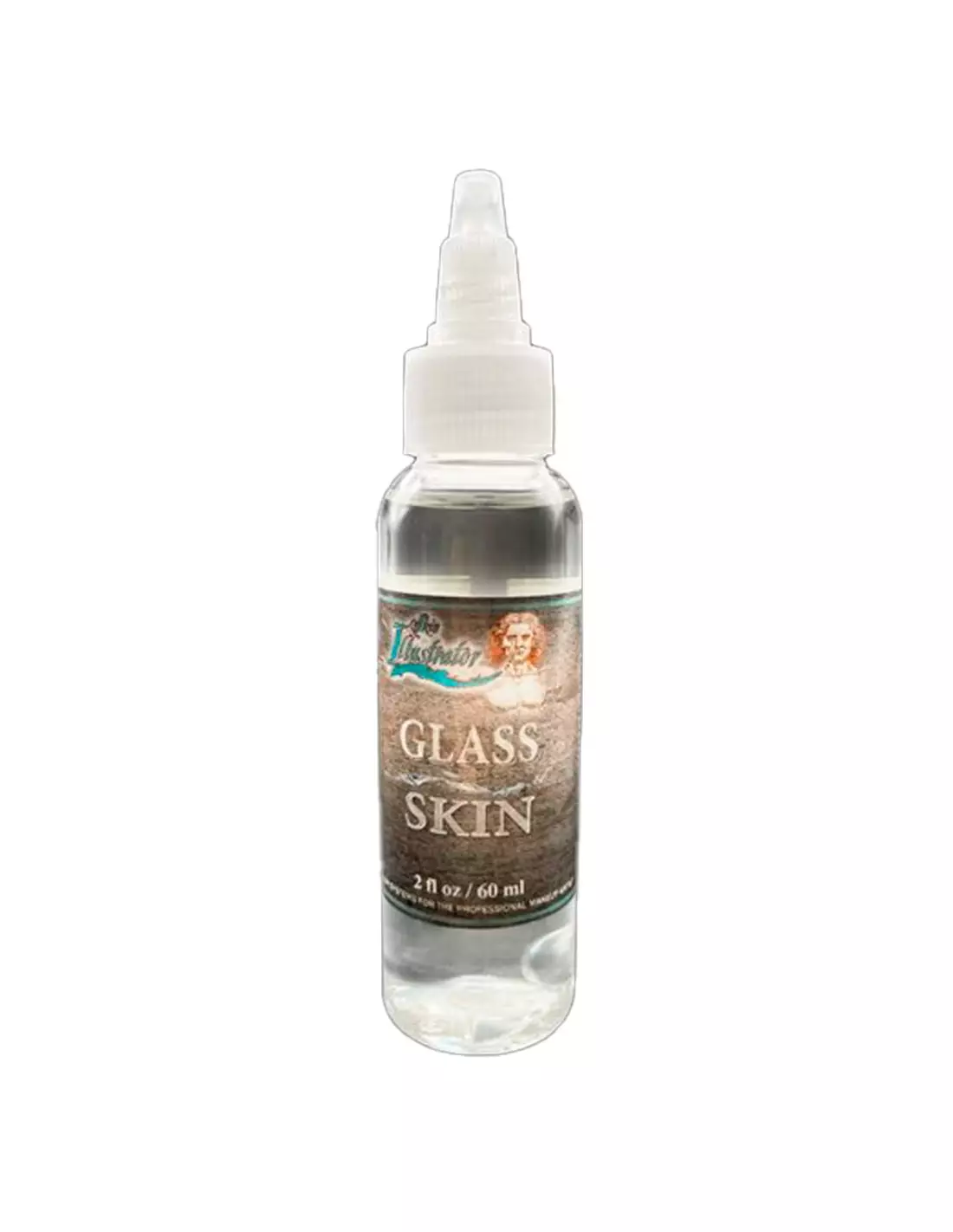
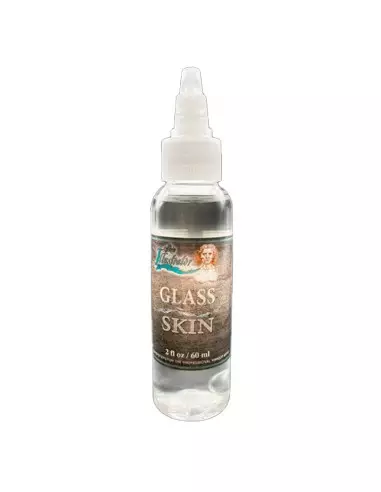
Skin Illustrator Glass Skin
270065001
€30.00
36,30 € Tax incl.
36,30 € Tax incl.
Fast-drying transparent crystal gloss for the "glass skin" effect. Layer-by-layer application, airbrush compatible. 60 ml.
Skin Illustrator Glass Skin is a transparent crystal-clear finish formulated with less alcohol than the original gloss in the range, designed to achieve the "glass skin" effect in photo, editorial, film and event makeup. It is applied in thin layers to build from a subtle sheen to an ultra-polished, crystalline finish, without altering the colours or makeup it is applied over.
Technical specifications
| Property | Detail |
|---|---|
| Format | Liquid |
| Content | 60 ml |
| Colour | Transparent |
| Finish | Crystal-clear / high gloss |
| Thinner | Water |
| Application | Brush or airbrush |
| Dry film | Peelable |
| Cleanup | Soap and water |
| Use | Makeup on skin |
What it is used for
Glass Skin is designed for makeup artists and artists who need a shiny, crystalline and controllable finish on skin. Being completely transparent, it works as a top coat over any makeup without modifying the base colours. It is especially useful on shoots, photo sessions and artistic makeup where the "glass skin" or wet skin effect is key.
- "Glass skin" effect in editorial, fashion and runway makeup
- Enhancement of gels and glazes applied on skin
- Building layered finishes to control the level of gloss
- Sealing and luminosity over makeup palettes such as the Flesh Tone Palette or the Complexion Palette
- Enhancement of glitter, pigments and artistic makeup details
- Wet or sweaty skin effect in special effects and character makeup
- Airbrush use for even and precise applications
How to use it
- Make sure the base makeup is completely dry before applying Glass Skin.
- Shake or mix the product well before use.
- Apply a first thin, even layer with a brush over the desired area.
- Allow to dry completely before applying additional layers. Drying is fast.
- Repeat the process with thin layers until the desired level of gloss and crystal effect is achieved.
- For airbrush use, thin with a small amount of water until the right viscosity is reached. If the liquid turns cloudy when water is added, this is normal: once dry it becomes transparent again.
- To slow down peeling in areas with movement, first apply a base coat of Beta Bond Plus or alternate layers with a transparent gloss from the range.
- Clean tools with soap and water immediately after use.
Usage tips
Thin layers, always
The key to a perfect crystal-clear finish is working with thin layers and allowing each one to dry thoroughly. Thick layers can create a hazy effect or peel off sooner. Three thin layers give a better result than a single thick layer.
Controlling peeling
Glass Skin forms a peelable film when dry, which is useful in areas where you need to remove it later. However, in areas of heavy movement (lip corners, eyelids, joints) it may peel sooner. To prevent this, prepare the skin with a coat of adhesive from the range before applying the finish, or combine it with intermediate layers of Glazing Gels for greater flexibility.
Combining with other finishes
Glass Skin is fully compatible with the rest of the Skin Illustrator range. If you are looking for a matte result instead of glossy, the HD Matting Spray Clear or the HD Matting Spray Shinto are the direct alternatives for shine-free finishes. You can also combine glossy and matte areas in the same makeup look for more elaborate effects.
Frequently asked questions
Can this type of gloss be used over any makeup?
Yes. Glass Skin is transparent and does not alter the colours of the base makeup, so it is compatible with alcohol-activated palettes, pigments, glitter and other Skin Illustrator products. Always apply it as the final layer and make sure the base makeup is dry.
How many layers do I need to achieve the maximum crystal effect?
It depends on the result you are looking for. A single layer gives a subtle sheen. For the most intense and crystalline "glass skin" effect, work with 3 to 5 thin layers, allowing each one to dry thoroughly. Building up thin layers is what creates the most polished and deep finish.
Why does it turn cloudy when water is added?
This is normal behaviour. When thinning Glass Skin with water for airbrush use, the liquid may look milky or cloudy when wet. Once the layer is completely dry, it becomes fully transparent and crystal-clear again. It does not affect the final result.
Can it be removed easily from skin?
Yes. Glass Skin forms a film that, once dry, can be peeled off cleanly from most surfaces. For complete removal of any residue, soap and water are sufficient.
Is it safe to use near the eyes?
Glass Skin is formulated for use on skin, but you should avoid direct contact with eyes and mucous membranes. If it is your first time using it, perform a patch test on a small area of skin before applying it to larger areas.
Can it be applied with an airbrush?
Yes. Glass Skin is compatible with airbrush. To adjust viscosity, thin with water until you achieve the fluidity needed for your equipment. Work with moderate pressure and thin layers to avoid build-up.
What is the difference between this product and a matte finish?
Glass Skin delivers maximum gloss and the most crystal-clear effect possible. If you need the opposite — a shine-free finish that eliminates the natural shine of skin — the HD Matting Spray Clear or the HD Matting Spray Shinto are the right products within the Feroca catalogue.
How long does the finish last on skin during a shoot or event?
Durability depends on the movement of the area, perspiration and the number of layers applied. In low-movement areas and with several well-dried layers, the finish is quite stable. In highly mobile areas, it can help to apply an adhesive base beforehand and build the finish with alternating layers of Glazing Gels for greater flexibility and adhesion.
No reviews
Tap to zoom