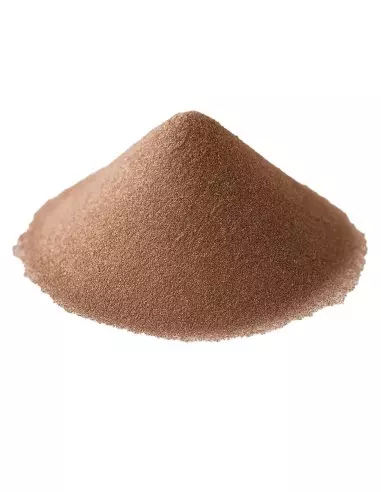
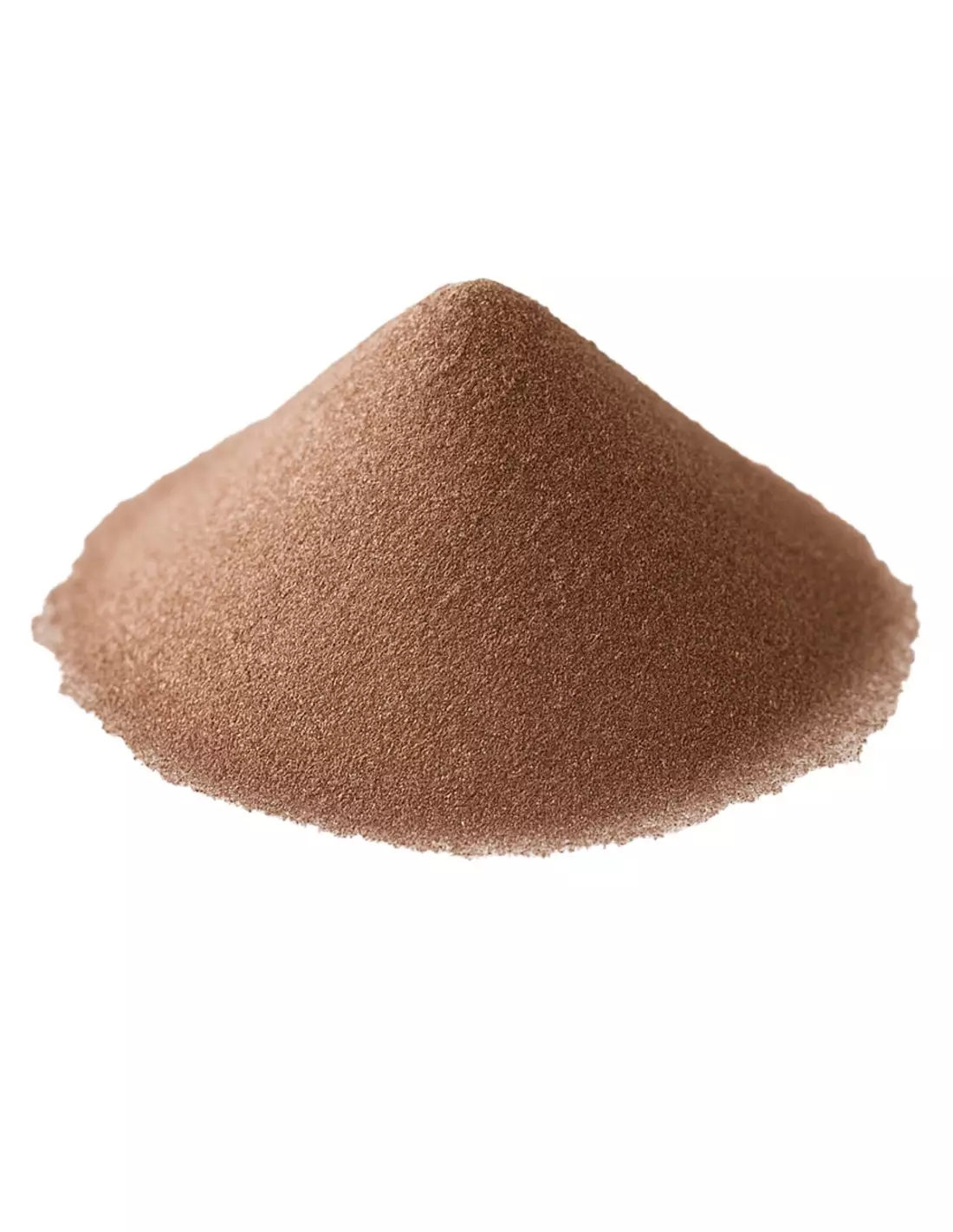
Bronze powder is a fine-granulometry metallic filler designed to be incorporated into polyurethane resins and other compatible polymer systems, adding weight, density and an authentic metallic visual finish. It is the go-to option for those seeking decorative reproductions, sculptures and pieces with the look of cast bronze without resorting to conventional casting processes.
Technical specifications
| Parameter |
Detail |
| Material type |
Bronze metallic powder |
| Main use |
Metallic filler for resins |
| Recommended reference resin |
Ferpol 3501 (first layer / gel coat) |
| Compatibility |
Polyurethane resins compatible with fillers |
| Resulting finish |
Metallic, bronze appearance |
What it is used for
This metallic powder is used primarily as a functional and aesthetic filler in resin systems, allowing you to obtain pieces with the weight and appearance of bronze at a fraction of the cost and complexity of real casting. It is commonly found in special effects workshops, decorative sculpture and prop production.
- Decorative reproductions of sculptures and figures with a bronze look
- Metallic gel coat finishes in polyurethane moulds
- Prop and set-dressing pieces with a metal effect for film and theatre
- Prototypes and scale models with a premium metallic finish
- Decorative objects, trophies and personalised awards
- Restoration and replacement of ornamental pieces with a bronze effect
How to use it
- Prepare your mould with the appropriate Release agent and make sure it is clean and dry before starting.
- Mix the bronze powder with the polyurethane resin —Ferpol 3501 is recommended for the first layer— in the appropriate ratio to obtain a homogeneous, workable paste.
- Apply this mixture as the first layer (gel coat) on the inside of the mould, covering the entire surface evenly with a brush or spatula.
- Allow this layer to gel before adding the subsequent unfilled resin laminate, which will provide structure and strength to the piece.
- Once the piece has been demoulded and cured, you can lightly sand the surface with fine-grit sandpaper to reveal the metallic shine of the powder.
- Apply a finishing wax or lacquer if you wish to protect and enhance the final metallic effect.
Usage tips
Filler ratio and viscosity
There is no single ratio: the amount of bronze powder you add to the resin depends on the effect you are looking for. The higher the powder proportion, the more intense the metallic finish, but the mixture gains viscosity and can be harder to apply. Start with moderate ratios (between 20% and 50% by weight relative to the resin) and adjust according to the result. You can check the other metallic fillers section to compare behaviours.
Gel coat technique for best results
The best result is achieved by applying the bronze powder only in the first layer (the one in direct contact with the mould), which is the one that defines the visible finish. The inner layers can be made with unfilled resin or with more economical fillers such as marmolina to reduce cost without sacrificing the exterior finish.
Compatibility with acrylic resins
This bronze powder is intended for polyurethane resins. Direct mixing with acrylic resins is not recommended, as compatibility is not guaranteed and the result may be inconsistent. If you work with acrylic systems and need a metallic effect, consult the specific options available in the Feroca catalogue.
Frequently asked questions
Can I vary the amount of metallic filler depending on the project?
Yes. The proportion of bronze powder in the resin is adjustable depending on the effect you need. More filler intensifies the metallic appearance but increases viscosity; less filler gives a more subtle effect with better workability. Experiment in small quantities before applying to final pieces.
Which resins is this metallic filler compatible with?
Bronze powder is compatible primarily with polyurethane resins. Ferpol 3501 is especially recommended for the first layer. Use with acrylic resins is not recommended; if you need a metallic finish in acrylic systems, specific products are available in the Feroca catalogue.
How do I achieve the maximum metallic effect on the finished piece?
Apply the bronze powder and resin mixture as a gel coat (first layer over the mould). Once the piece has been demoulded, lightly sand the surface with fine-grit sandpaper to reveal the metal. You can apply a metallic wax or polish to enhance the shine and protect the finish.
Can this filler be used to add volume or weight to the piece?
Yes, adding bronze powder in a higher proportion increases the weight and density of the piece, which is useful when you want the reproduction to have a tactile feel close to real metal. For pieces that primarily require volume at lower cost, also consider fillers such as marmolina.
Can it be combined with other metallic fillers?
Yes, it is possible to mix different metallic fillers to obtain intermediate tones or custom effects. Feroca stocks aluminium powder, copper powder and brass powder that can be combined to achieve specific shades.
Where can I find the product's technical data sheet?
On the product page on the Feroca website you will find the downloadable TECHNICAL DATA SHEET under the "Documentation" tab. Proportions, timings and recommended usage conditions are detailed there.
Is it safe to handle this metallic powder in the workshop?
Like any fine powder, it is recommended to work in a well-ventilated space and wear a particle mask to avoid inhalation. Nitrile gloves are advisable to avoid prolonged skin contact. Always consult the product's SAFETY DATA SHEET for detailed information on PPE and storage conditions.
What is the difference between bronze powder, copper powder and brass powder?
Each powder provides a different metallic tone: bronze gives a warm golden-brown finish; copper offers a reddish-orange tone; and brass results in a more neutral, bright gold. The choice depends on the visual finish your project requires.