Shopping Cart


Zinc Oxide
425010250
€10.50
12,71 € Tax incl.
12,71 € Tax incl.
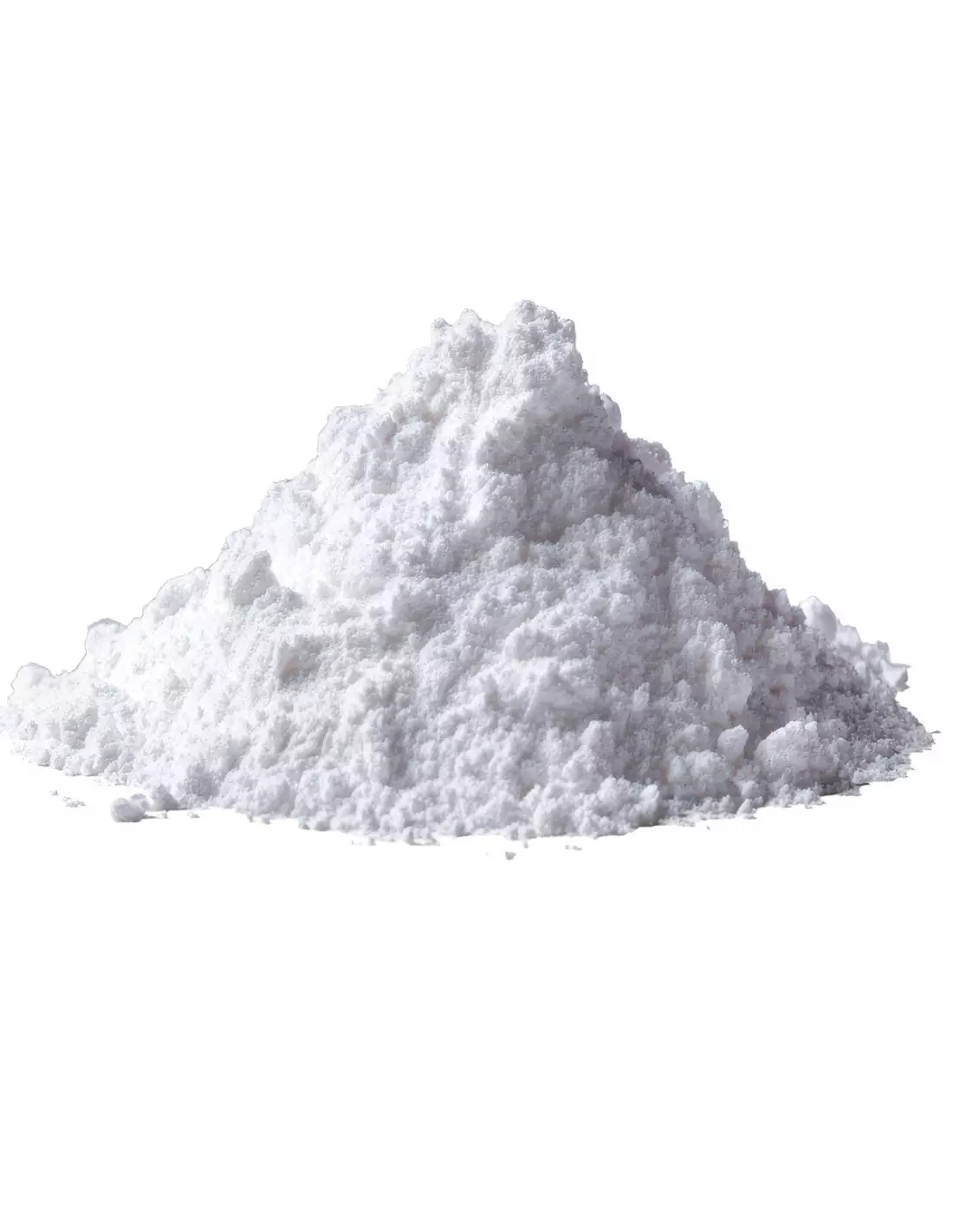
Zinc oxide powder for body makeup, white pigment and functional additive in polyurethane resins. Odourless, non-flammable.
Zinc oxide (ZnO) is a white inorganic powder with unique properties that make it useful both in cosmetic and makeup applications and in polyurethane resin formulations. Odourless, non-flammable and breathable, it is a versatile material for professional use only.
Technical specifications
| Property | Value |
|---|---|
| Chemical name | Zinc oxide |
| Formula | ZnO |
| Appearance | Fine white powder |
| Odour | Odourless |
| Flammability | Non-flammable |
| Pore clogging | No |
| Breathability | Yes |
What it is used for
Zinc oxide has a very wide range of applications. In the workshop, its two main uses are body and artistic makeup, and the modification of polyurethane resins as a functional additive:
- Mattifier and setting agent for full-body makeups in theatrical, film and television productions
- Oil absorber for skin with seborrhoeic tendencies
- Opaque white pigment for makeup and artistic painting
- Protective and finishing layer over already applied makeup, without clogging pores
- Additive in polyurethane resins to optimise the curing process
- Improvement of mechanical and thermal properties in polyurethane parts
- Reduction of bubbles and surface defects in resin castings
- Increased hardness and strength in rigid or flexible polyurethane formulations
- System stabiliser in resins to extend the service life of the cured product
How to use it
In makeup and special effects
- Apply the base or body makeup to the skin as usual.
- Using a clean brush or sponge, pick up a small amount of zinc oxide powder.
- Gently distribute the powder over wet or dry makeup to mattify it, absorb excess oil and set the result.
- Remove the excess with a clean brush. The finish will be breathable and will not clog pores.
- For a pure, opaque white, apply directly to the skin with a neutral base or as a pigment in homemade cosmetic formulations.
As an additive in polyurethane resins
- Determine the percentage of zinc oxide to add according to the desired result (typically between 1% and 5% of the total mix weight; adjust based on testing).
- Incorporate the powder into the polyol component (component A) before mixing with the isocyanate.
- Homogenise thoroughly with mechanical or manual stirring until a uniform, lump-free dispersion is obtained.
- Mix with the isocyanate (component B) at the ratio indicated by the resin manufacturer and proceed with the usual casting or laminating process.
- The zinc oxide will act during curing, improving the final properties of the part.
Usage tips
Dosage in resin: start low
In polyurethane resins, more is not always better. An excess of filler can increase the viscosity of the mix and make casting or impregnation difficult. Start with low proportions (1–2%) and increase progressively until you find the balance between improved properties and workability. If you need to reduce viscosity while maintaining the filler load, consider combining the zinc oxide with hollow glass microspheres, which add lightness without penalising flow as much.
Homogeneous dispersion: the key to results
Zinc oxide tends to agglomerate if added directly in bulk. For correct dispersion in resin, use a paddle stirrer or laboratory disperser and mix at medium speed for at least 2–3 minutes before incorporating the second component. In cosmetic applications, sieve the powder before using the brush to avoid visible accumulations on the skin.
Storage and handling
Store zinc oxide in an airtight container, in a dry place away from moisture. Although it is neither flammable nor toxic by dermal contact at normal usage quantities, avoid prolonged inhalation of the fine powder: work in ventilated spaces or use a particulate mask (FFP2) when handling large quantities. If you are working with Gel de Sílice AT2 or other fillers in the same process, take extra respiratory precautions.
Frequently asked questions
Can this powder be mixed directly with any resin?
Zinc oxide works especially well as an additive in polyurethane resins, where it optimises curing and improves mechanical properties. It is not recommended for acrylic or epoxy resins without prior testing, as its behaviour may vary. If you need a white effect in acrylic resins, consult the specific pigment options in the Feroca catalogue.
How much needs to be added to resin to notice an improvement?
Typical ranges are between 1% and 5% by weight of the total polyurethane mix. From 3% upwards, improvements in hardness and bubble reduction are usually noticeable. However, every resin system is different: always carry out a test with a small quantity before scaling up production.
Is this powder suitable for applying directly to the skin?
Yes, zinc oxide does not clog pores. It is used as a mattifier, oil absorber and white pigment in artistic and body makeup.
However, if you have particularly sensitive skin or known allergies, it is recommended to carry out a patch test on a small area before extensive use.
Avoid contact with eyes, mucous membranes and open wounds.
How do I achieve a pure, opaque white in makeup?
Zinc oxide acts as an opaque white pigment with good coverage. For a solid white, apply several thin layers with a dense brush, allowing each layer to set before the next. You can mix it with neutral cosmetic bases or makeup fats to obtain a denser, more covering paste.
Does it really reduce bubbles in polyurethane resins?
Yes, zinc oxide acts as a system stabiliser and can help reduce the formation of bubbles and microvoids during curing. It does not replace a proper degassing process, but as an additive it complements the surface quality of the final part.
Can it be used as a bulk filler in large proportions?
It is not intended as a bulky filler. To increase weight, reduce resin cost or fill volume, there are more suitable fillers such as marble powder or hollow glass microspheres. Zinc oxide is used in small proportions for its functional properties, not for its volume.
Where can I find the technical data sheets for Feroca products?
On each product page within the Feroca website you will find a "Documentation" tab with downloadable technical and safety data sheets in PDF format.
No reviews
Tap to zoom