Shopping Cart



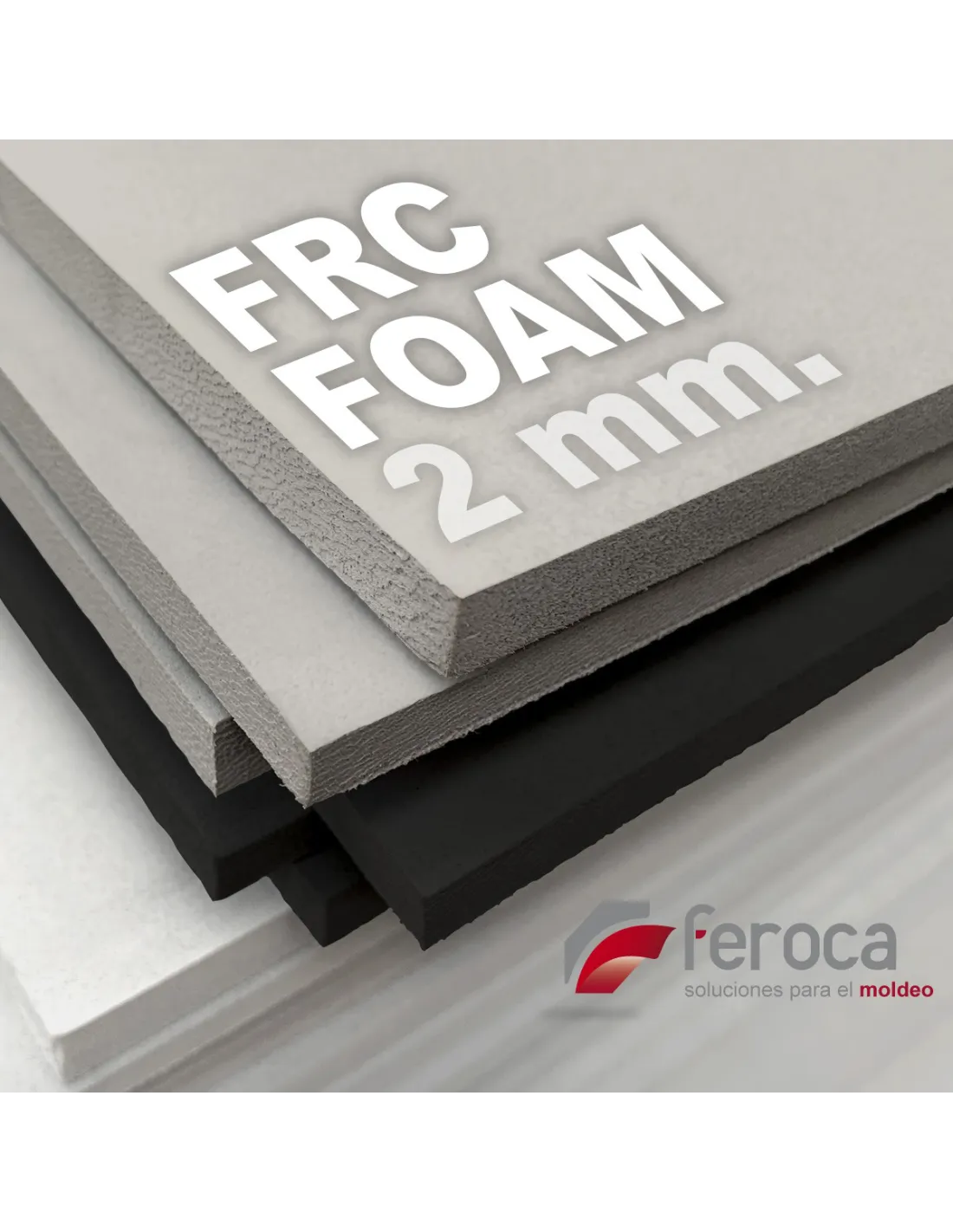
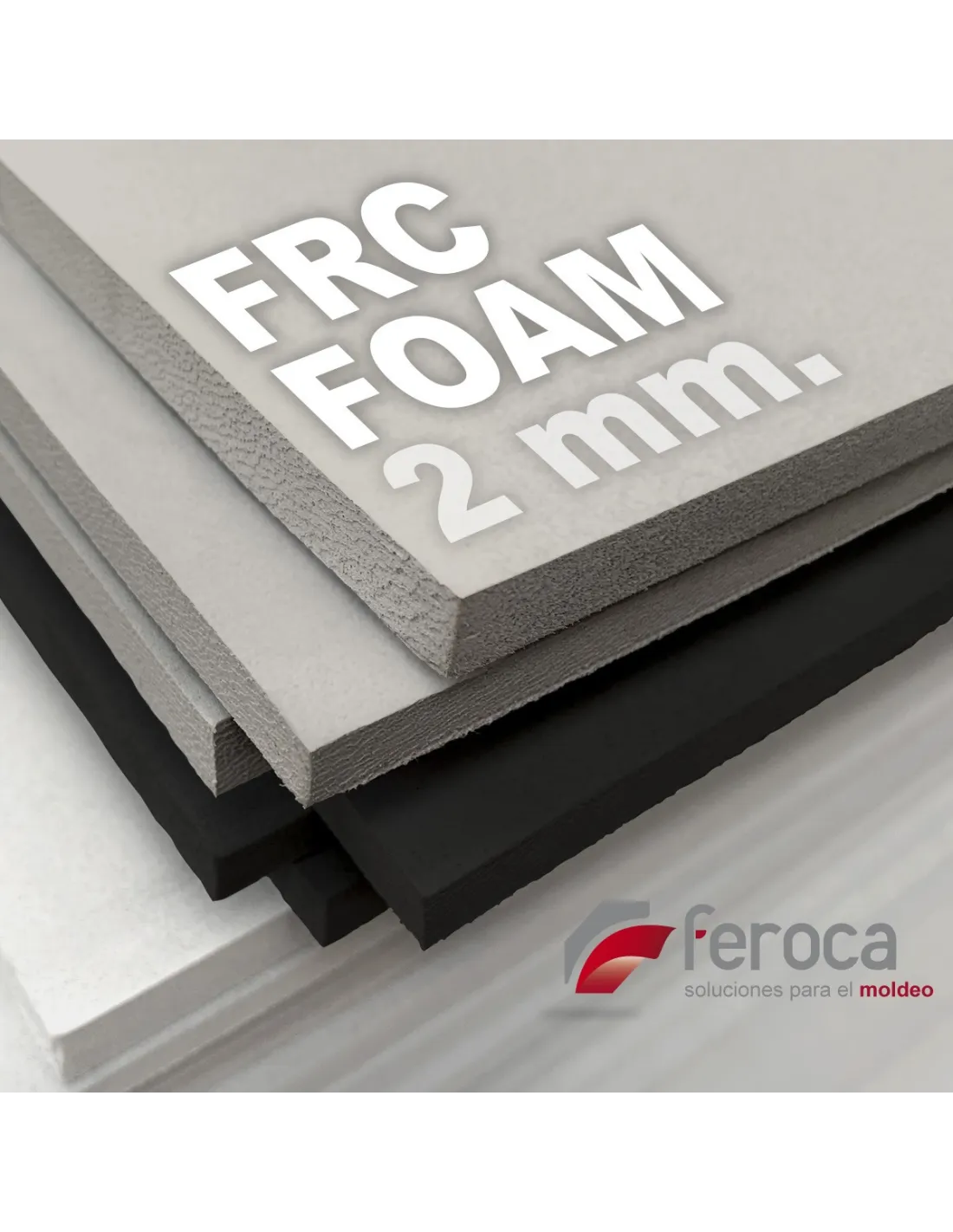
FRC FOAM GREY 2mm -High Density EVA Rubber-
208170101
€7.50
9,08 € Tax incl.
9,08 € Tax incl.
High-density EVA foam (156 kg/m³) grey sheet, 2 mm thick. Cuttable, thermoformable and paintable. Ideal for cosplay, props and scenography.
FRC FOAM Grey 2mm is a high-density, high-quality EVA foam designed for making cosplay pieces, props and scenography with professional finishes. Its thin 2 mm thickness makes it the ideal choice for details, outer layers and pieces that require precision cutting, and it combines perfectly with thermoplastics such as Worbla or Thibra for even more elaborate results.
Technical specifications
| Parameter | Value |
|---|---|
| Material | High-density EVA foam (Ethylene Vinyl Acetate) |
| Colour | Grey |
| Thickness | 2 mm |
| Density | 156 kg/m³ |
| Hardness | 30º - 35º Shore |
| Presentation | Sheet (shipped rolled). Several sizes available |
| Note on dimensions | Dimensions are approximate due to factory cutting |
What it is used for
FRC FOAM 2mm is the most versatile thickness in the range. Its high density allows clean cuts and precise heat moulding, making it especially useful for fine-detail pieces. Use it on its own or combine it with thicker sheets to create structures with volume and a professional finish.
- Armatures, helmets and cosplay accessories
- Props for film, theatre and television
- Scenography and set decoration
- Surface details on thicker pieces
- Templates and internal reinforcements in thermoplastic projects
- Scale models and lightweight prototypes
- Masks and heat-moulded facial pieces
How to use it
- Design and pattern: draw or print the pattern for your piece on paper and transfer it to the FRC FOAM sheet using a marker or awl.
- Cut: use scissors or a sharp craft knife following the pattern lines. A clean cut is key to well-fitting joints.
- Thermoform: apply heat with a heat gun or heat stripper at a low distance to soften the foam. Shape it with your hands or over a mould and allow it to cool so the geometry sets. Use gloves if the piece is hot.
- Bond: join the pieces with cyanoacrylate contact adhesive or a contact glue specifically formulated for EVA. Press firmly until it adheres.
- Finish seams: lightly sand the seams with fine-grit sandpaper or a rotary tool at low speed. Always wear a dust mask when sanding to avoid inhaling EVA dust.
- Paint: apply a coat of sealer or diluted PVA glue if you want a harder surface before painting. Then paint with acrylic paints or spray paint. EVA foam takes acrylic paint well directly on its surface.
- Combine with thermoplastics (optional): for pieces with greater rigidity and detail, layer Worbla or Thibra over the thermoformed FRC FOAM.
Caution during use: heat guns and heat strippers reach high temperatures and can cause burns. Always work with care and, if the piece is very hot, use protective gloves. When sanding or cutting with rotary tools, wear a particle mask to avoid inhaling EVA dust. Work in a well-ventilated space.
Tips for use
Temperature and thermoforming
The 2 mm thickness heats up and cools down very quickly: work in small sections to maintain precise control over the final shape. If you need very pronounced curves, apply heat evenly across the back of the piece. Once the EVA has fully cooled — in just a few seconds in a cold environment — the shape is permanently set. If you are not happy with the result, you can reheat and redo it.
Finishing and painting
The surface of FRC FOAM has a slightly porous texture that takes acrylic paint very well directly. If you want a harder, shinier finish, first apply one or two coats of PVA glue diluted 50% with water, allowing each coat to dry before applying the next. For metallic effects or advanced patinas, use well-pigmented acrylic paints and apply with a sponge or dry brush to highlight the relief details.
Combining with other thicknesses and materials
FRC FOAM 2mm works very well as a detail layer over thicker bases. Combine it with FRC FOAM Grey 5mm or FRC FOAM Grey 10mm to build up structures with volume and add fine surface details. If you are working with thermoplastics, EVA acts as a lightweight, flexible inner fill that reduces the overall weight of the piece.
Frequently asked questions
What is the hardness of this EVA foam?
FRC FOAM has a hardness of between 30º and 35º Shore, making it flexible yet firm enough to hold thermoformed shapes. It is significantly denser and more resistant than low-density EVA foams for general use.
What is the density and what advantage does it offer?
FRC FOAM has a density of 156 kg/m³. A high density means a more compact surface, better cutting response, lower visible porosity and greater durability under wear. Low-density foams compress and deform much more easily.
What adhesive can be used to bond EVA foam?
FRC FOAM can be bonded with contact adhesives specifically formulated for EVA or with cyanoacrylate adhesive. Apply the adhesive to both surfaces, allow it to lose its sheen if using contact glue, and press firmly. Well-made bonds hold up without issue under continuous use.
Can it be painted directly without a primer?
Yes. FRC FOAM accepts acrylic paint directly on its surface. For a more durable and less porous finish, you can first apply a coat of diluted PVA glue or a flexible spray primer. Spray paint also adheres well, although formulas suitable for flexible plastics are recommended.
How is EVA foam thermoformed?
Apply heat with a heat gun or heat stripper at about 5–10 cm distance, moving the tool constantly to heat evenly. When the EVA softens and becomes flexible, shape it with your hands or over a mould and hold it until it cools. The process is quick and reversible: if you are not satisfied with the result, reheat and reshape.
Is there a difference between 2mm thickness and 5mm or 10mm?
Are the sheets shipped cut or rolled?
FRC FOAM sheets are shipped rolled. Dimensions are approximate due to factory cutting. Once received, lay them flat on a surface and, if necessary, apply a little gentle heat to flatten them completely before starting work.
Is it suitable for outdoor use or contact with water?
EVA foam is resistant to moisture and does not degrade with occasional water contact. However, for prolonged outdoor use or intense sun exposure, it is recommended to seal the surface with a flexible varnish to protect both the foam and any paint applied to it.
Video tutorials
★STAR WARS★ helmet tutorial 𝗘𝗩𝗔 𝗙𝗢𝗔𝗠 🛸 MANDALORIAN Armature ► [Boba Fett] cosplay
Feroca Live: EVA Foam, creating a mask step by step
- Color
- Gray
No reviews
Tap to zoom