Shopping Cart



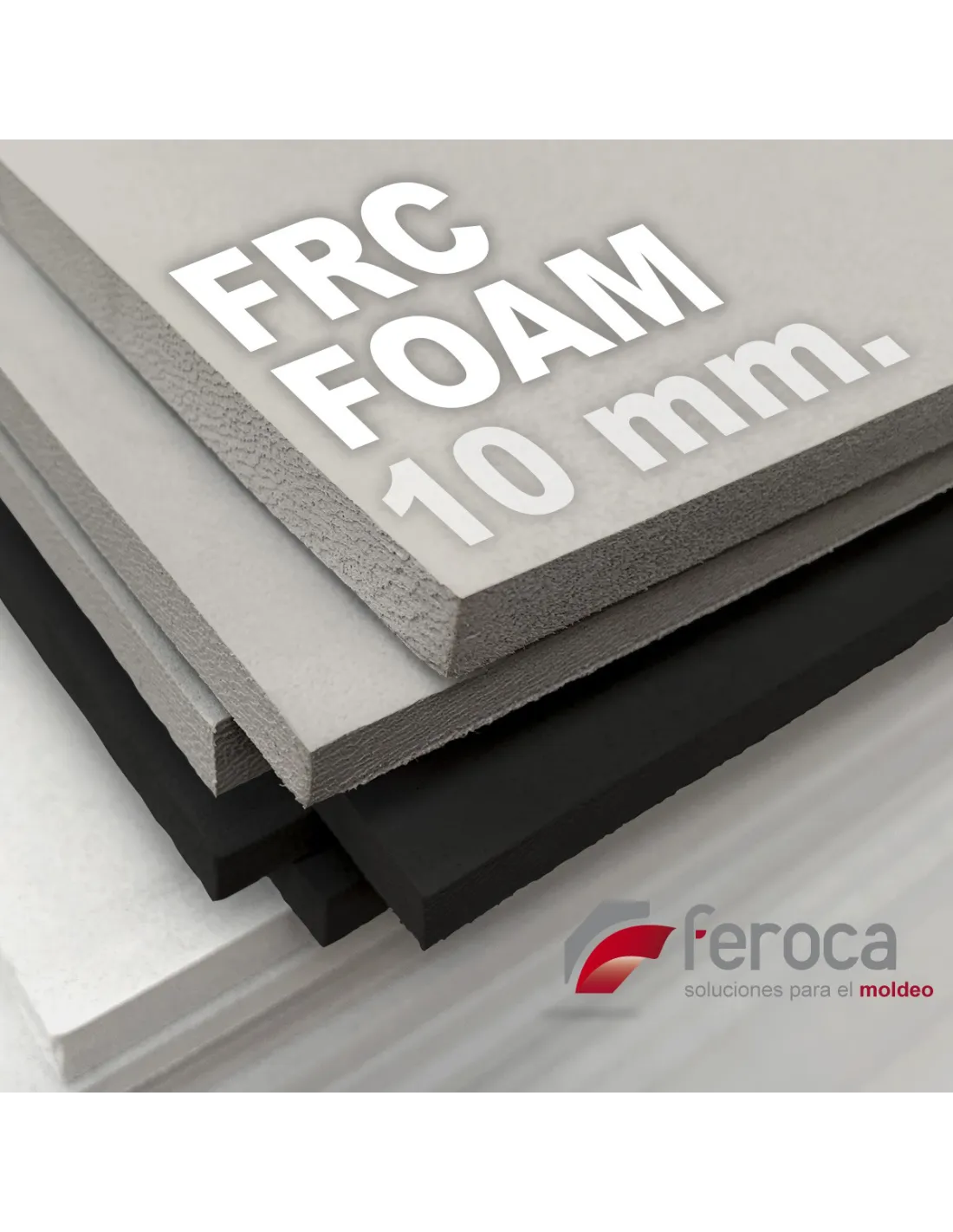
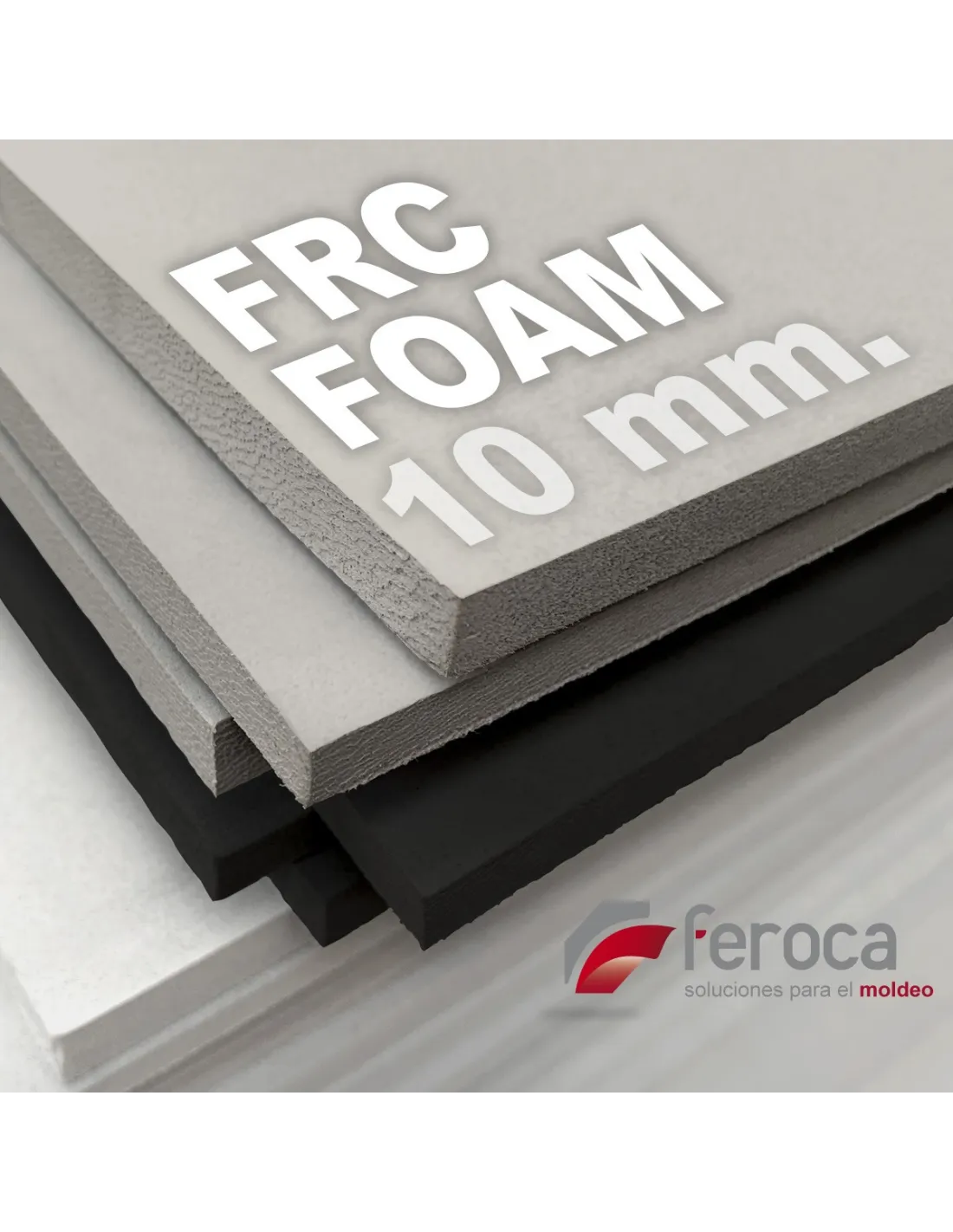
FRC FOAM GREY 10mm -High Density EVA Rubber-
208170301
€19.00
22,99 € Tax incl.
22,99 € Tax incl.
High-density EVA foam (156 kg/m³) and 10 mm thickness. Shore Hardness 30–35°. Ideal for cosplay, props and scenography.
FRC FOAM Grey 10mm is a high-density EVA foam designed for those who need a robust, easy-to-work material with professional results. With a density of 156 kg/m³ and 10 mm thickness, it is the perfect choice for cosplay structures, voluminous props and scenography where thickness and consistency make the difference.
Technical specifications
| Parameter | Value |
|---|---|
| Material | High-density EVA foam (Ethylene-Vinyl Acetate) |
| Thickness | 10 mm |
| Density | 156 kg/m³ |
| Shore Hardness | 30° – 35° |
| Colour | Grey |
| Available formats | Various sheet sizes (approximate dimensions due to factory cutting) |
| Presentation | Rolled |
| Available thicknesses in grey | 2 mm, 5 mm, 10 mm |
What it is used for
FRC FOAM 10 mm is the most suitable thickness when you need real volume in your pieces: thick armour, shoulder pads, shield structures, helmet bases or large-scale scenographic elements. Its high density ensures the piece holds its shape without deforming under its own weight.
- Building armour and breastplates for cosplay
- Making props and accessories with their own body
- Structural bases for helmets, shields and shoulder pads
- Theatrical scenography and volumetric set design
- Lightweight prototypes and concept models
- Combination with thermoplastics such as Worbla or Thibra to add surface detail over a solid base
- Structural fills in foam figures
How to use it
- Design and trace the piece: draw the pattern directly onto the sheet with a marker or pen. The grey colour makes it easy to see the marks.
- Cut precisely: use a sharp craft knife or quality scissors. For clean cuts at 10 mm, make progressive passes with the knife rather than trying to cut in one go.
- Shape with heat: apply a heat gun or hot air gun at a moderate distance. FRC FOAM softens quickly; shape it with your hands and hold the position until it cools to fix the curve.
- Glue the pieces: use cyanoacrylate adhesive for fast, precise bonds. For large surfaces, a spray contact adhesive gives better coverage.
- Clean up the joints: sand the joins with sandpaper or a rotary tool at low speed. Always wear a mask when sanding to avoid inhaling EVA dust.
- Paint and finish: apply acrylic paint by brush or spray. For metallic finishes, textures or greater detail, combine the foam base with a surface layer of thermoplastic before painting.
Heat gun caution: FRC FOAM heats up quickly. Always keep the heat source moving and at a sufficient distance to avoid burning the material or your hands. When sanding, wear a certified fine-particle mask.
Usage tips
How to achieve perfect curves
The 10 mm thickness requires a little more heat than thinner formats to bend without resistance. Heat the outer face of the curve (the one that will be convex) and work the piece over a cylindrical surface — a PVC pipe, a large bottle — to obtain uniform radii. If the piece springs open when cooling, apply heat for a few more seconds and hold it again.
How to combine EVA with thermoplastics
The most common combination in professional cosplay is to use FRC FOAM as a structural core and cover the surface with a thin sheet of Worbla or Thibra to achieve raised details and a harder surface. Heat the thermoplastic separately, apply it over the foam and shape the assembly. The bond between both materials is excellent thanks to the heat.
Painting and finishing
EVA is porous and absorbs acrylic paints well. For even coverage without heavy paint consumption, first apply a coat of acrylic sealer or diluted flexible primer. Avoid strong solvents (acetone, mineral spirits) as they attack the foam surface. Acrylic-base sprays work well when applied in thin coats to prevent the propellant solvent from leaving marks.
Frequently asked questions
What EVA foam thickness do I need for my project?
Can I paint directly onto EVA foam?
Yes. FRC FOAM accepts acrylic paints without primer, although a prior coat of sealer improves coverage and reduces paint consumption. Avoid strong solvents that may attack the foam surface.
What adhesive should I use to join EVA foam pieces?
Cyanoacrylate adhesive is the most common option for fast, clean bonds. For larger surfaces, a spray or brush-on contact adhesive gives better coverage and avoids unglued spots. Always work in a well-ventilated space.
Can EVA foam be bent and shaped cold?
When cold, EVA has some flexibility but returns to its original shape. To set curves and permanent forms it is essential to apply heat with a heat gun or hot air gun, shape the piece and hold it in position until it cools completely.
How does EVA foam compare in weight to other cosplay materials?
FRC FOAM has a density of 156 kg/m³, making it significantly lighter than resin or metal, and comparable in weight to other foams on the market. For a complete suit of armour, the total weight remains very manageable, making it a comfortable option to wear for hours.
Are the sheet dimensions exact?
Dimensions are approximate due to the factory cutting process. A small variation at the edges is normal. Bear this in mind if your project requires very tight measurements and buy with a small safety margin.
How is the 10 mm sheet shipped?
FRC FOAM sheets are shipped rolled. Upon receiving them, lay them flat for a few hours or apply gentle, even heat with a heat gun to remove the curl before starting work.
Can EVA foam be sanded to refine edges or joints?
Yes. Sanding with sandpaper or a rotary tool at low speed allows you to refine edges, smooth joins and prepare the surface for painting. It is essential to wear a mask during this operation, as EVA dust is fine and can irritate the respiratory tract.
Video tutorials
★STAR WARS★ helmet tutorial 𝗘𝗩𝗔 𝗙𝗢𝗔𝗠 🛸 MANDALORIAN Armour ► [Boba Fett] cosplay
Feroca Live: EVA Foam, creating a mask step by step
No reviews
Tap to zoom