Shopping Cart


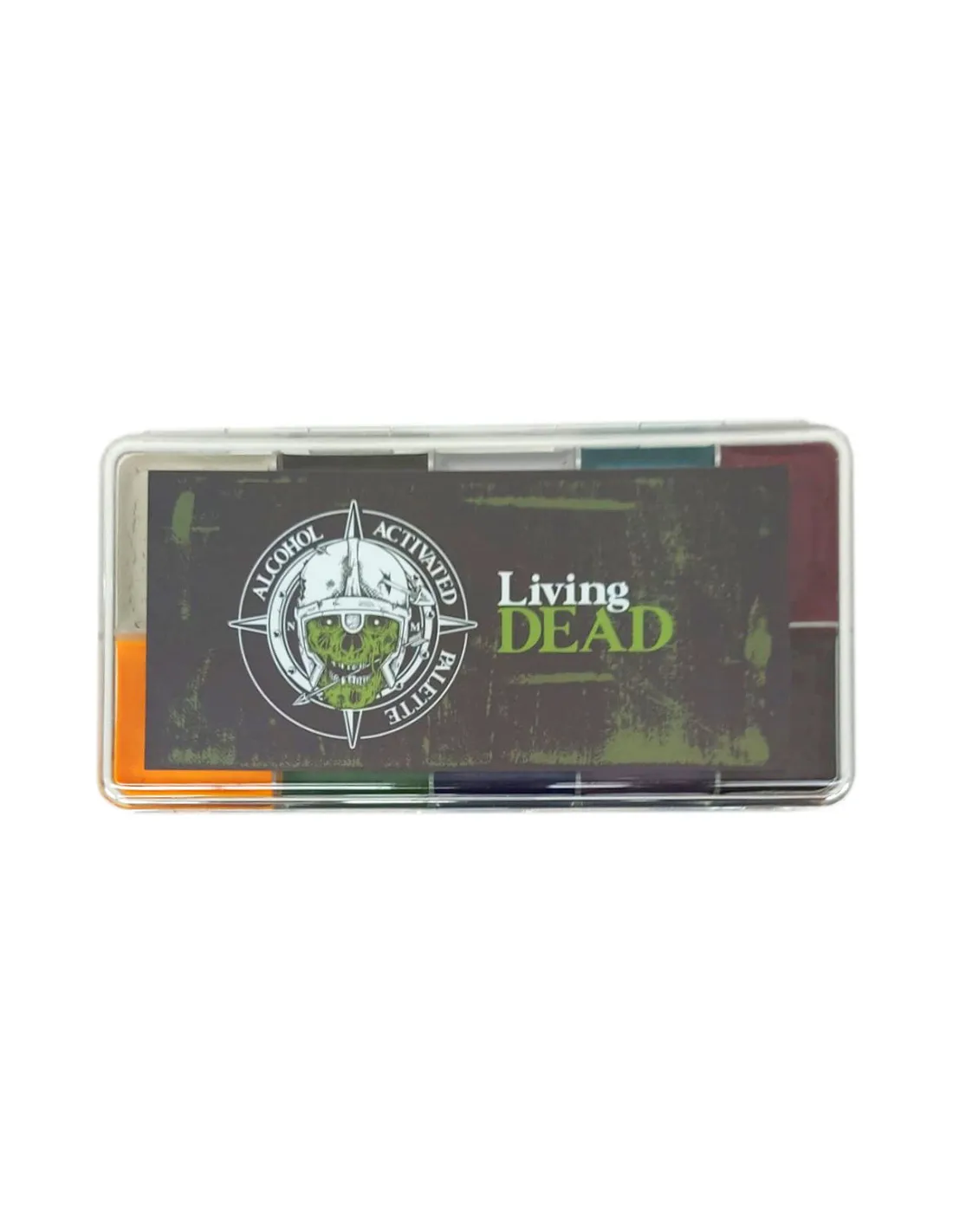
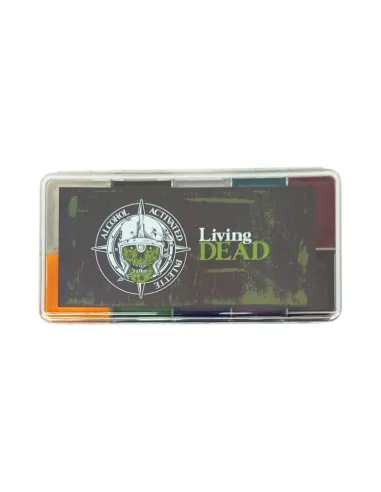
NM Living Dead Palette
590600004
€60.00
72,60 € Tax incl.
72,60 € Tax incl.
10-colour alcohol-activated palette for undead effects. Designed by Neill Gorton. Suitable for skin, silicone and latex.
The NM Living Dead Palette is a 10-colour alcohol-activated makeup palette selected by special effects artist Neill Gorton, specifically designed to recreate undead looks, necrotic wounds and horror character makeups. With excellent coverage and high durability, it is compatible with skin, silicone and latex, making it an essential tool for film shoots, theatrical character work and professional Halloween makeups.
Technical specifications
| Type | Alcohol-activated makeup |
|---|---|
| Number of colours | 10 |
| Colours included | Pale Dead, Dark Cocoa, Steel Grey, Vein Blue, Fresh Blood, Sunny Yellow, Green Pea, Deep Blue, Bruise Purple, Old Blood |
| Designed by | Neill Gorton |
| Compatible surfaces | Skin, silicone, latex |
| Recommended activator | 96° ethyl alcohol |
| NOT valid activators | 70° alcohol, MEK, acetone, water |
| Removal | Neill's Remover or Neill's Remover Plus |
What it is used for
The Living Dead palette is designed for special effects character makeups requiring cadaverous tones, wounds and organic gradients with a sickly appearance. Its colour range covers everything from pale and greyish tones to fresh blood reds and dried blood browns, through venous blues and bruise purples.
- Undead and zombie character makeups for film, television and theatre
- Recreation of wounds, bruises, necrosis and putrefaction effects
- Painting on silicone and latex prosthetics for special effects
- Body and face makeup for horror events, Halloween and conventions
- Training and practice in character makeup and SFX schools
- Direct application on skin with no primer required
How to use it
- Make sure the surface (skin, silicone or latex) is clean, dry and free of grease.
- Dampen a brush or sponge with 96° ethyl alcohol. Never use 70° alcohol, acetone, MEK or water, as they do not activate the pigment correctly.
- Touch the surface of the desired colour with the damp brush to pick up the pigment.
- Apply to the area to be made up using strokes or blending depending on the desired effect. You can mix colours directly on the palette or on the skin.
- Allow to dry briefly between layers to increase opacity and colour intensity.
- To remove the makeup, use Neill's Remover or Neill's Remover Plus applied with a pad or cotton wool.
Usage tips
Intensity control
The amount of alcohol on the brush determines the colour saturation. With a well-squeezed brush you will get denser, more opaque layers; with more alcohol, the pigment is diluted and you can achieve subtle glazes and gradients. For the darker tones in the palette (Old Blood, Dark Cocoa, Bruise Purple), work in thin, layered coats to avoid hard edges.
Working on silicone and latex prosthetics
Before painting on silicone prosthetics, make sure the piece is fully cured and clean. On silicone, alcohol-activated colours offer excellent adhesion when applied in thin layers. On latex, avoid excess alcohol to prevent softening or distorting the surface. Always work with an almost dry brush on these materials.
Colour mixing and transitions
The 10 colours in the palette are selected to work cohesively together. Transitions between Pale Dead and Steel Grey work very well for recreating bloodless skin areas. Vein Blue and Bruise Purple combined create very realistic-looking bruises. Fresh Blood and Old Blood allow wounds to be depicted at different stages of healing. Experiment on the palette itself or on paper before applying to the client or prosthetic.
Frequently asked questions
Can this type of makeup be used directly on skin without prior preparation?
Yes. The NM Living Dead Palette can be applied directly to clean, dry skin. No primer is needed, although on very oily skin it is advisable to cleanse the area with micellar water and allow it to dry thoroughly before applying, to improve adhesion and colour durability.
Why can't 70° alcohol be used to activate these palettes?
70° alcohol contains too high a water content, which interferes with pigment activation, causing the colour not to adhere properly, resulting in an uneven finish or running easily. It is essential to use 96° ethyl alcohol to achieve the correct results.
Is it resistant to sweat and movement once applied?
Once dry, alcohol-activated makeup offers good resistance to movement and moderate humidity. In conditions of heavy sweating or intense heat, it may be advisable to apply a coat of a specific setting spray for special effects makeup. The resistance is significantly greater than that of conventional water-based makeups.
How is this type of makeup safely removed?
The NM Living Dead Palette is easily removed with Neill's Remover or Neill's Remover Plus. Apply the remover with a pad or cotton wool, leave it to work for a few seconds and remove gently. Avoid rubbing excessively, especially if there are prosthetics adhered underneath.
Can it be used on any type of silicone prosthetic?
Yes, the palette is compatible with cured silicone. It is important that the prosthetic is fully cured and free of release agent or residues before painting. On intrinsically coloured silicones, alcohol-activated colours integrate very naturally for touch-ups and tone transitions.
Can I mix the colours in the palette together?
Yes. Alcohol-activated colours are fully miscible with each other. You can mix them directly on the palette, on the skin or on an auxiliary surface. The Living Dead range is designed so that all tones harmonise and allow natural transitions, especially useful in wound and cadaveric skin makeups.
Is it suitable for professional character makeup on film shoots?
Yes. The palette was designed by Neill Gorton with professional use in mind. Its coverage, durability and colour range consistency make it suitable for film and television shoots, as well as theatre and live productions where character makeup must hold up under lights and demanding conditions.
Is this type of palette suitable for beginners?
Alcohol-activated makeup technique requires some practice to control intensity and blending, but the Living Dead palette is designed to be intuitive. Character makeup students and advanced enthusiasts can achieve very satisfying results by following the basic activation and layered application instructions.
No reviews
Tap to zoom