Shopping Cart


Iron Powder
425006250
€7.00
8,47 € Tax incl.
8,47 € Tax incl.
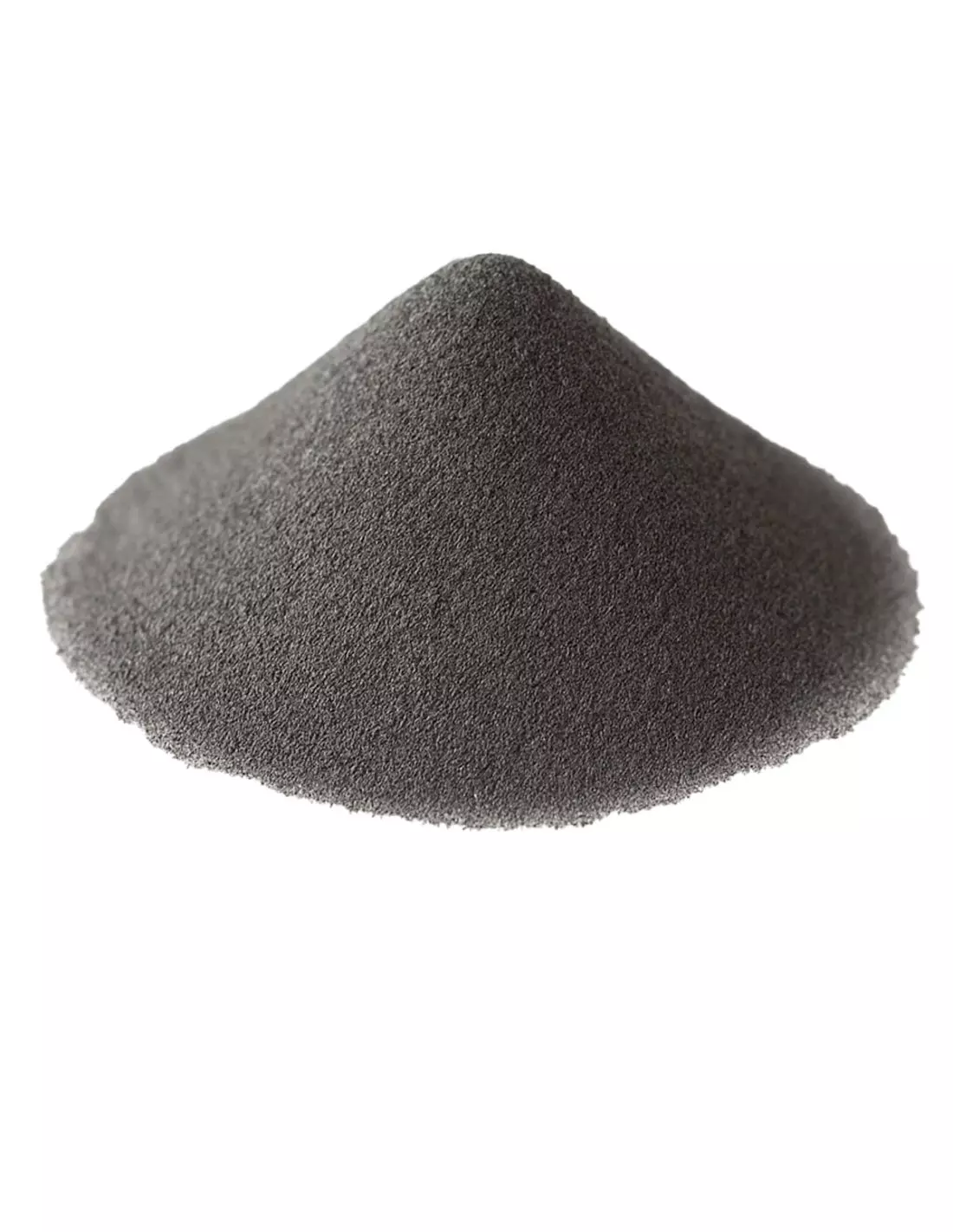
High-purity iron powder (Fe 99.5%), particle size 325 mesh / 0.045 mm. Ideal for metallic fillers in resins and special blends.
Feroca's iron powder is a high-purity metallic material (Fe 99.5%) with a fine particle size of 325 mesh / 0.045 mm, making it ideal for use as a filler in resins and polymers. Its low oxide content ensures a homogeneous mix and consistent results in technical and decorative applications.
Technical specifications
| Parameter | Value |
|---|---|
| Composition | Fe 99.5% |
| Particle size | 325 mesh / 0.045 mm / 45 µm |
| Density | 3.08 g/cm³ |
| Colour | Dark grey |
| Oxide content | Low |
What it is used for
Iron powder is used primarily as a metallic filler in polyurethane, epoxy and other polymer resins, to produce parts with a metallic appearance and properties without the weight or cost of solid metal. It is also used in blends with other metallic powders to create special fillers with specific properties.
- Metallic filler in polyurethane and epoxy resins for metal-look parts
- Manufacturing of bonded metal parts: lighter than solid metal but with metallic properties
- Blending with other metallic powders to obtain composite fillers or artificial alloys
- Special effects in sculpture, prop making and reproduction of industrial parts
- Decorative applications in coatings and resin mortars with a metallic finish
- Research and prototyping projects requiring a ferrous filler
How to use it
- Prepare the base resin following the manufacturer's instructions (mix ratio, temperature, etc.).
- Weigh out the iron powder in the desired proportion. As a general starting point, between 50% and 200% by weight relative to the resin is recommended, depending on the desired effect and acceptable viscosity.
- Incorporate the powder gradually into one of the resin components (usually part A) before combining the two components, to facilitate dispersion.
- Mix with a spatula or stirrer until a smooth, lump-free paste is obtained with no unmixed powder.
- Add the second component of the resin and mix again carefully, following the manufacturer's recommended time and pace to avoid air entrapment.
- Pour into the mould or apply to the surface as quickly as possible, as the filler may increase exotherm and shorten working time.
- Allow to cure according to the resin's instructions. Once cured, the part can be sanded, polished or patinated to enhance the metallic appearance.
Warning: Iron powder is a flammable material in fine powder form. Avoid exposure to flames, sparks or intense heat sources. Work in a ventilated space and use a particle-filtering respirator (FFP2 or higher) to prevent inhalation. Store in an airtight container in a dry place to prevent oxidation.
Usage tips
Control the filler ratio according to the intended use
The higher the proportion of iron powder, the greater the density and metallic effect, but also the higher the viscosity and the lower the flowability of the mix. For thin castings or detail moulds, work with moderate proportions (50–100% by weight). For solid parts or a very metallic appearance, you can go up to 200%. If the mix becomes too thick, you can use Gel de Sílice AT2 as a thixotropic agent to improve workability without losing filler.
Combine with other metallic powders for special effects
Iron powder can be blended with other metallic powders from the Feroca catalogue to achieve intermediate tones and properties. You can also combine it with hollow glass microspheres to lighten the final part while maintaining a metallic surface appearance.
Patinas and post-cure finishes
Once the part has cured, the iron present in the mix allows real oxidation patinas to be applied using diluted acids or saline solutions. Dry sanding with fine-grit paper and polishing with metal wax enhances the metallic sheen. If you want to speed up the rust effect, apply salt water and leave the part exposed to air for a few hours.
Frequently asked questions
Can this type of metallic powder be mixed with any resin?
Iron powder is compatible with most polyurethane and epoxy resins. Its use with acrylic resins in structural applications is not recommended, as adhesion between the powder and the matrix may be lower. Always check the compatibility of your chosen resin before making the final mix.
How much metallic filler should I add to the resin?
There is no single ratio: it depends on the desired effect and the resin used. A good starting point is between 50% and 100% by weight relative to the total resin. You can increase up to 200% if you are looking for a very dense, metallic finish, although the mix will be harder to handle. Always run a small test before full production.
Does metallic powder affect the cure time of the resin?
Yes. Metallic fillers can increase the exotherm of the reaction, especially in polyurethane resins. This can shorten working time (pot life) and accelerate curing. Work with small quantities on your first test and have the mould ready before mixing the components.
How do I prevent the powder from settling at the bottom of the mix before it cures?
Due to its density (3.08 g/cm³), iron powder tends to settle in very fluid mixes. To prevent this, use resins with a short gel time, increase the filler proportion to thicken the mix, or add a small amount of Gel de Sílice AT2 as a thixotropic agent, which increases viscosity without affecting the cure.
Can iron powder oxidise inside cured resin?
Iron particles encapsulated in the resin are protected from moisture and oxygen, so internal oxidation is minimal. However, particles on the surface of the part can oxidise if it is sanded or exposed to the environment. This effect can be exploited to create realistic rust patinas in a controlled way.
What safety precautions should I take when handling fine metallic powders?
Always work in a well-ventilated space and use a particle-filtering respirator (FFP2 or higher) to avoid inhaling the dust. Fine iron powder can be flammable; keep it away from flames and sparks. Store the product in an airtight, dry container to prevent oxidation and moisture absorption.
Can it be combined with other metallic powders?
Yes. Iron powder mixes well with other metallic powders to obtain composite fillers with intermediate tones or specific properties. The key is that both powders have similar particle sizes to achieve a homogeneous distribution throughout the mix.
How should this type of metallic powder be stored correctly?
Store iron powder in an airtight container in a cool, dry place away from moisture. Prolonged exposure to humid air can cause surface oxidation of the particles, affecting the colour and potentially reducing mix quality. If you notice reddish lumps, sieve the powder before use.
No reviews
Tap to zoom