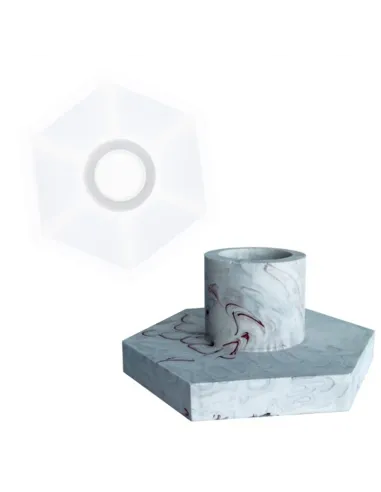
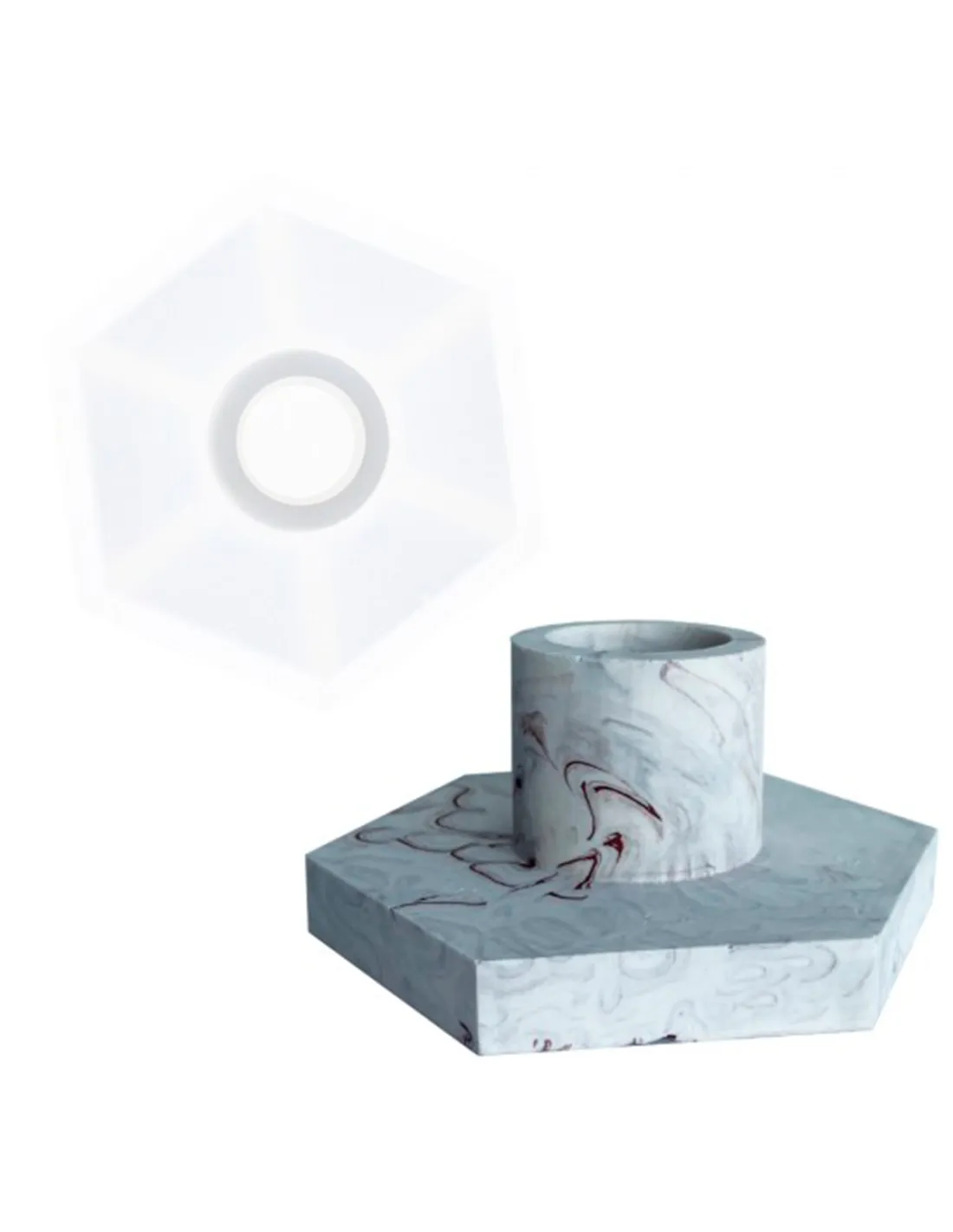
Platinum silicone mould in a candelabra shape, specifically designed for reproductions in acrylic resins. Its dimensions of 10 x 5 x 8.2 cm make it an ideal piece for decoration, crafts and series production of ornamental candles and decorative objects. The platinum silicone guarantees fine detail reproduction and clean demoulding on every run.
Technical specifications
| Feature | Detail |
|---|
| Mould type | Platinum silicone (addition cure) |
| Dimensions | 10 cm x 5 cm x 8.2 cm |
| Mould material | High-definition flexible silicone |
| Main use | Acrylic resins |
| Demoulding | Easy, no Release agent required for most acrylic resins |
| Shape | Candelabra |
What it is used for
This mould is designed for those working with acrylic resins in decorative or series production projects. Its candelabra geometry makes it especially popular in candle workshops, home decoration and ornamental part manufacturing. It is also compatible with other low-exotherm casting resins.
- Candelabra reproductions in Acrystal Prima + Basic Crystal acrylic resin with marble, stone or metallic finish
- Castings with Jesmonite AC100 for lightweight and durable pieces
- Stone effects with Jesmonite AC730 for a cement or rustic look
- Series production of decorative pieces for interior design and craft shops
- Pieces pigmented with mineral fillers, glitter or paste pigments to create custom effects
- Decoration prototypes and scale models
How to use it
- Clean the mould with a soft cloth before first use to remove any dust or packaging residue.
- If using an acrylic resin such as Jesmonite AC100 or Acrystal, prepare the mix following the proportions indicated by the resin manufacturer.
- Add pigments, mineral fillers or special effects to the mix before pouring.
- Pour the mix slowly into the mould to avoid bubbles. You can gently shake or tap the mould on the table so the material settles properly.
- Allow to cure for the time indicated by the chosen resin, in a horizontal position on a level surface.
- Once cured, gently flex the mould to release the piece. The platinum silicone allows clean demoulding without distorting the details.
- Wash the mould with lukewarm water and mild soap after each use. Do not use aggressive solvents.
Warning — Platinum silicone inhibition: This mould is made from platinum silicone. Although it is already cured, please note that if you are making your own platinum silicone moulds near this product or in the same workshop, you must avoid contact with inhibiting materials: sulphur-based clays, latex, cyanoacrylate adhesives, latex or natural rubber gloves, and certain oils and varnishes. Contact with these materials prevents platinum silicone from curing. When using this mould with acrylic resins, there is no risk of inhibition.
Usage tips
Bubble control during casting
To achieve a perfect exterior surface (the one in contact with the mould), pour the acrylic resin in a thin stream from a certain height to break the surface tension. If you have a vacuum chamber, degassing the mix for 2–3 minutes before pouring will give you flawless results. If you do not have a chamber, gently tapping the mould on the table after pouring is sufficient for most low-viscosity acrylic resins.
Pigmentation and special effects
Acrylic resins accept a wide variety of fillers and pigments. You can add marble powder, fine sand, metal oxides or paste pigments to achieve natural stone, aged metallic or terrazzo effects. Mix the pigment thoroughly with the resin before pouring to avoid unwanted streaks, or add it partially to intentionally create veined colour effects. Check pigment compatibility with the chosen resin before using it in production.
Mould maintenance and service life
Platinum silicone is highly resistant to deformation when stored correctly. Keep the mould clean, dry and away from direct sunlight. Do not compress it under heavy objects during storage, as it may develop permanent deformations. With careful use and low-exotherm acrylic resins, this type of mould can withstand dozens of castings without loss of detail.
Frequently asked questions
Do I need to apply a Release agent before using the mould?
With acrylic resins such as Jesmonite AC100 or Acrystal, it is generally not necessary to apply a Release agent thanks to the non-stick properties of platinum silicone. However, if you want to extend the mould's service life or are working with polyester or epoxy resins (which generate more heat and may adhere more), it is recommended to apply a thin coat of Ferosil V 32 Paste Release Agent for Silicones.
How many times can I use the mould?
Durability depends on the material you use and how you care for the mould. With low-exotherm acrylic resins and proper maintenance, a platinum silicone mould can easily exceed 30–50 castings while maintaining detail definition. Excessive heat generated by highly reactive resins is the main factor that reduces mould life.
Can I use it with epoxy or polyester resins?
The mould is compatible with low-exotherm epoxy resins, although it is optimised for acrylic resins. Polyester resins can generate high temperatures during curing that could damage the mould over time. For occasional use and small pieces there should be no issues, but regular use with polyester is not recommended for this type of mould.
How do I clean the mould correctly after each use?
Wash the mould with lukewarm water and a few drops of neutral soap. Rinse thoroughly and allow to air dry before storing. Avoid solvents such as acetone or high-concentration alcohol, as they can degrade the silicone with repeated use. If cured resin residue remains, carefully remove it with your fingers without using metal tools or abrasives.
Can I add heavy fillers such as aggregates or sand to the mix?
Yes, most acrylic resins accept mineral fillers such as sand, stone powder or fine aggregates. With the candelabra mould, bear in mind that areas with fine detail may not be covered evenly if the mix is very thick. In those cases, first apply a layer of unfilled resin as a face coat and then fill with the loaded mix.
Can I use the mould to make wax or paraffin candles?
Technically platinum silicone withstands moderate temperatures, but this mould is designed and optimised for acrylic resins. Use with hot waxes may reduce the mould's service life and we do not guarantee optimal results outside the intended use.
What do I do if the piece does not demould properly?
If the piece resists demoulding, do not force it. Gently flex the mould from the edges towards the centre to gradually release the piece. If the problem recurs, apply Ferosil V 32 before the next casting. Forced demoulding can damage both the piece and the mould.
Can I pigment the acrylic resin directly before pouring into the mould?
Yes, this is the standard way to work with this type of mould. Mix the pigment thoroughly with the resin before adding the hardener or component B, to ensure a homogeneous colour distribution. You can also create marbled or veined effects by adding the pigment partially and stirring only slightly before pouring.
How much product do I need?Calculate the exact amount before buying and avoid wasting material.
Go to the calculator →