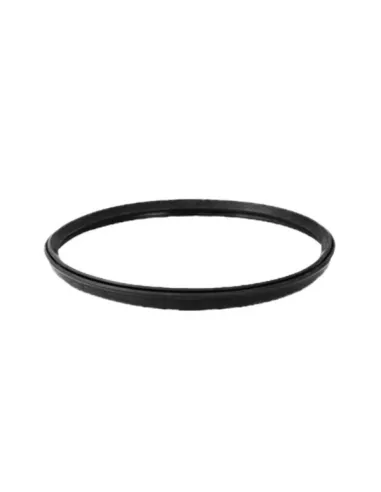
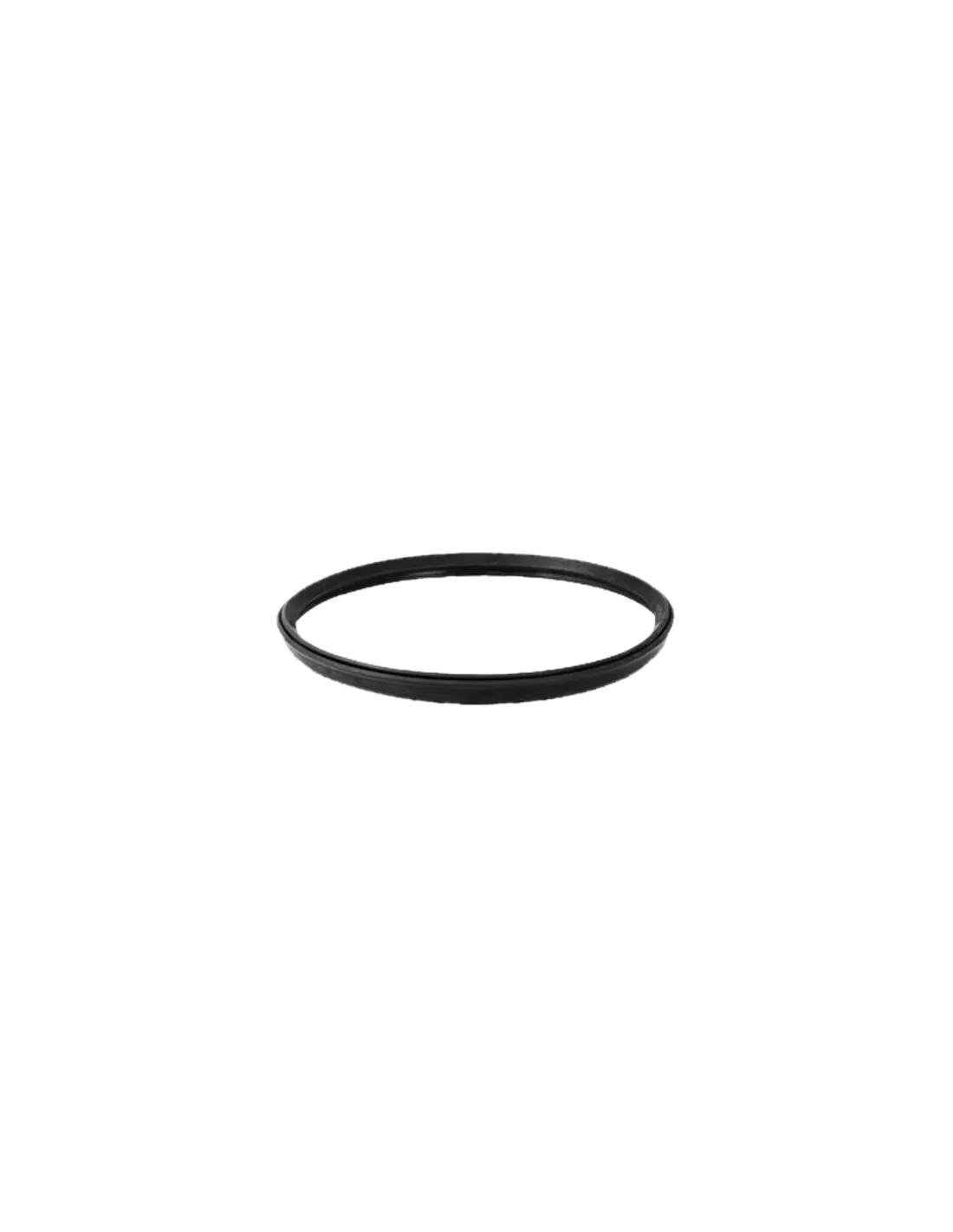
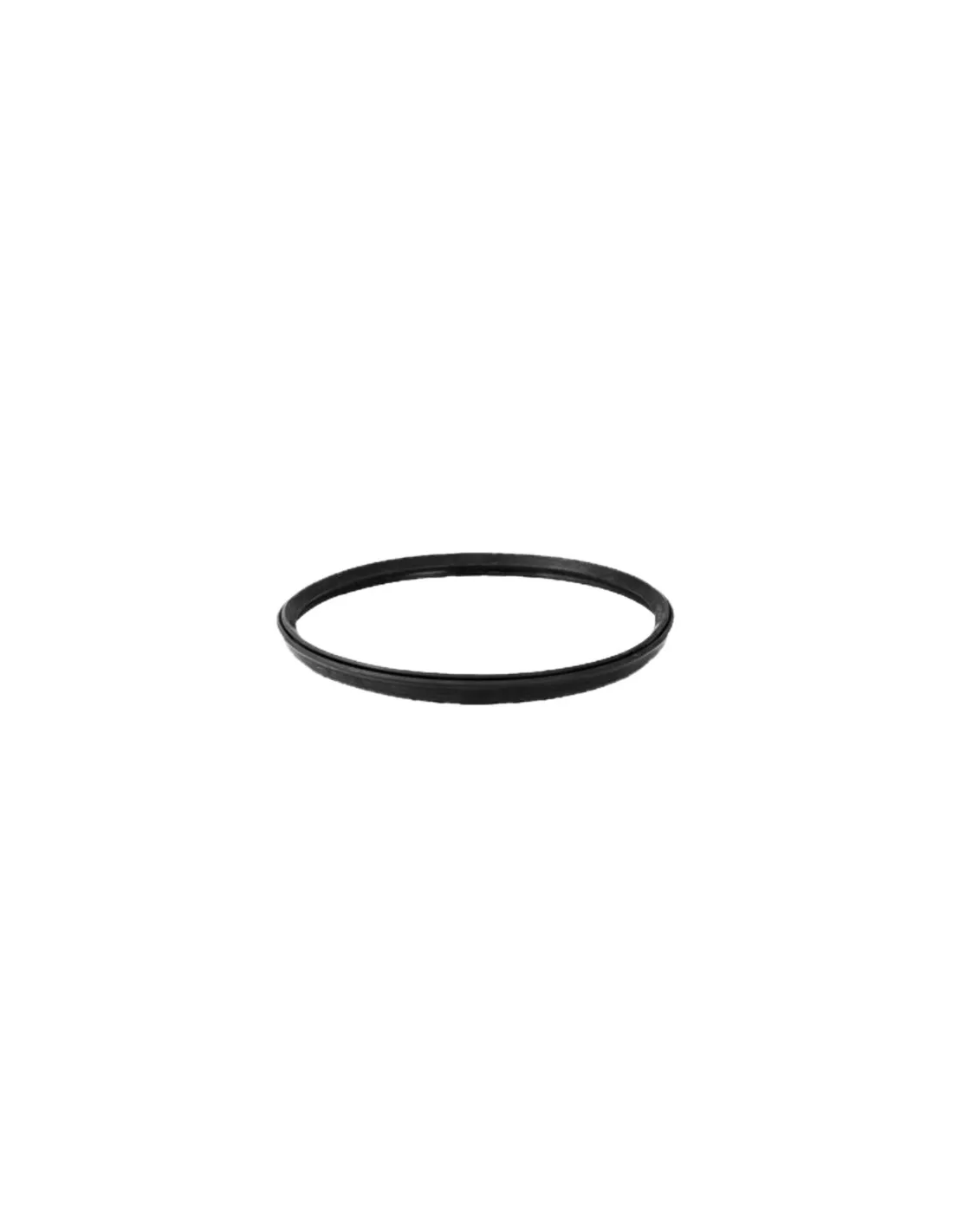
The vacuum chamber gasket is the element that ensures the airtight seal between the lid and the chamber body. Without a gasket in good condition, the chamber cannot reach or maintain the vacuum level needed to properly degas resins and silicones. If you notice your pump is taking longer than usual to drop the pressure, or that the vacuum doesn't hold when you close the valve, check the gasket first — it's the most common cause.
Technical specifications
| Feature |
Detail |
| Compatibility |
Feroca 26-litre vacuum chamber |
| Function |
Airtight seal between lid and chamber body |
| Part type |
Replacement / consumable |
What it's used for
This gasket is an essential maintenance consumable for any vacuum system. With continued use, the sealing material deforms or deteriorates and loses its closing capacity. Replacing it in time prevents performance losses and extends the lifespan of the pump, which would otherwise run continuously without achieving adequate vacuum.
- Replacement of the worn gasket in the 26-litre vacuum chamber
- Preventive maintenance of the degassing system
- Restoring the seal after a pinched, cut or heat-deformed gasket
- Ensuring the vacuum level needed to degas platinum silicones before pouring
- Maintaining the vacuum level in bubble-free polyurethane resin casting processes
- Keeping system performance in special effects workshops, prototyping and mould making
How to use it
- Remove the chamber lid and locate the perimeter channel where the gasket sits.
- Pull out the old gasket carefully from one end. If it's stuck, use a blunt object to help without damaging the channel.
- Clean the channel with a dry or slightly damp cloth to remove any material residue or accumulated dirt.
- Fit the new gasket starting from one end and inserting it progressively into the channel, making sure it sits evenly all the way around the perimeter.
- Close the lid onto the chamber and run a vacuum test: connect the pump and check that the pressure drops normally and holds when you close the valve.
- If you detect localised leaks, inspect the affected section and reposition the gasket in that area.
Usage tips
When to replace the gasket
Don't wait for it to fail completely. If the pump takes longer than usual to reach maximum vacuum, if you hear a slight air leak when closing the valve, or if the gasket shows visible crushing marks or cuts, replace it. It's an inexpensive replacement that prevents bigger problems in the middle of a process.
Storage between uses
Avoid leaving the lid resting with its full weight on the gasket for long periods when the chamber is not in use. Sustained pressure deforms the material over time. Ideally, leave the lid simply resting without forcing the seal when the equipment is idle.
Compatibility and fit
This gasket is specifically designed for the Feroca 26-litre chamber. Using a gasket with a different cross-section or profile can result in a poor seal even if it appears to fit. If you have any doubts about compatibility with your equipment, check with Feroca before installing it.
Frequently asked questions
Why doesn't my chamber hold the vacuum?
The most common cause is a deteriorated or poorly seated gasket. The vacuum chamber gasket is the sealing element between the lid and the body, and any deformation, cut or dirt on its surface causes a micro-leak that prevents the pressure from being maintained. Check the condition of the gasket before looking for the problem in the pump or valves.
How often should the gasket be replaced?
It depends on use. In a workshop with intensive daily use, replacement may be needed every few months. With occasional use, it can last years. The important thing is to inspect it regularly and replace it as soon as it shows signs of wear: permanent crushing, cracks or loss of elasticity.
Can I use the chamber without a gasket or with an improvised one?
It's not recommended. Without a proper gasket, the chamber won't reach the vacuum level needed to degas correctly, and the pump will run continuously without result. An improvised gasket rarely offers the right profile and elasticity for a reliable seal.
What vacuum level is needed to degas resins and silicones?
For effective degassing, you generally work between -0.8 and -1 bar (close to absolute vacuum). With a worn gasket, the chamber may stay above those values and the material won't degas properly, leaving bubbles that ruin the finish of moulds and parts.
Is this gasket compatible with all chamber models?
This gasket is designed for the Feroca 26-litre vacuum chamber. If you have a different model, check with Feroca to confirm compatibility before placing your order.
What materials can be degassed in a vacuum chamber?
You can degas platinum and tin silicones, polyurethane resins, epoxy resins and any fluid material that traps air in its mass after mixing. The process is especially critical with low-viscosity platinum silicones and with transparent resins where bubbles are visible.
Is a special tool needed to replace the gasket?
No. Replacement is done by hand in most cases. You only need a blunt object (such as an uncapped pen or a plastic spatula) to help extract the old gasket if it's very tight, and a clean cloth to clean the channel before fitting the new one.
Should I lubricate the gasket before fitting it?
Generally not necessary for normal use. If the gasket is correctly seated in its channel, the lid closing action generates sufficient sealing pressure on its own. Check with Feroca if your application requires special conditions before applying any lubricant, as some can degrade the gasket material.