Shopping Cart



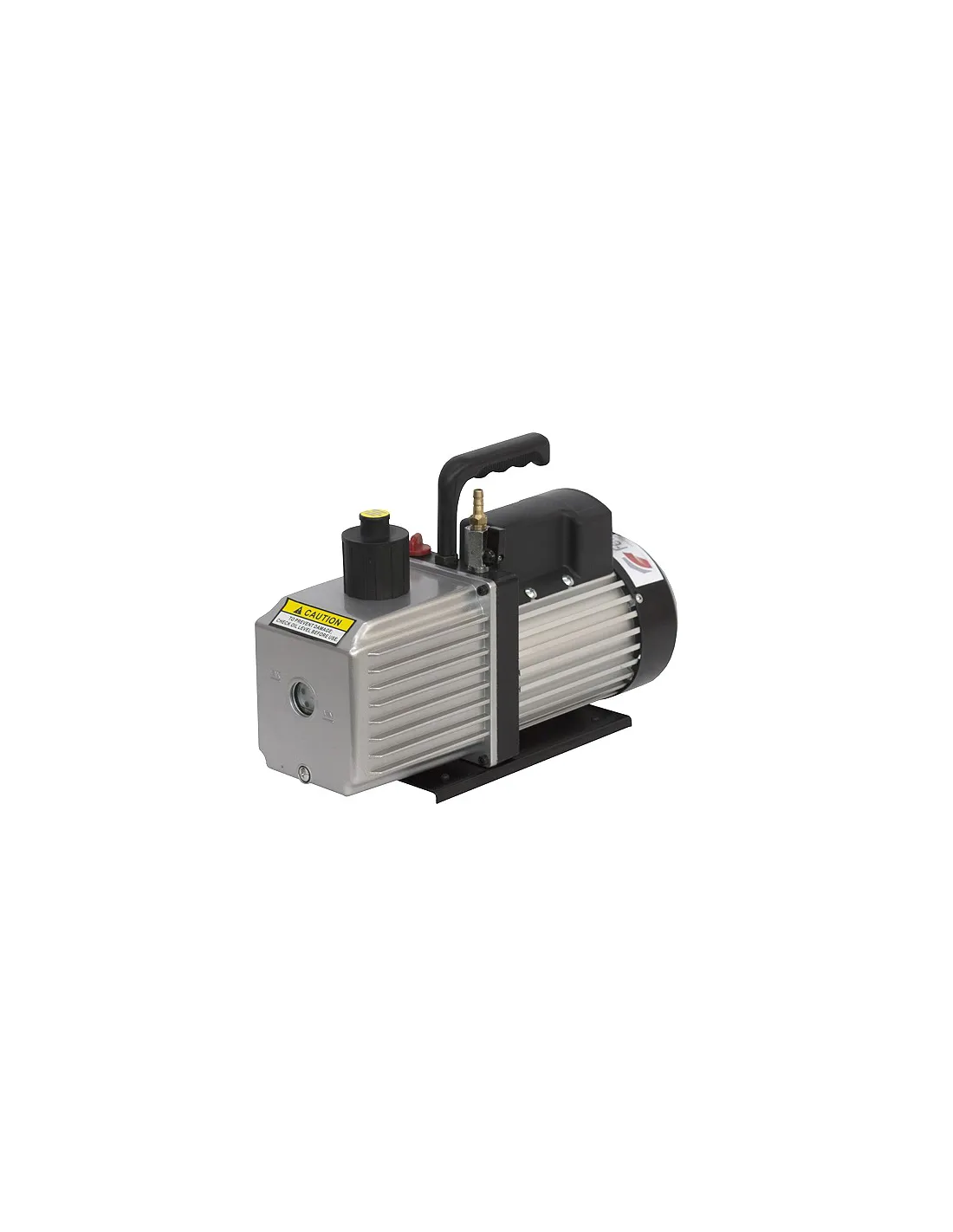
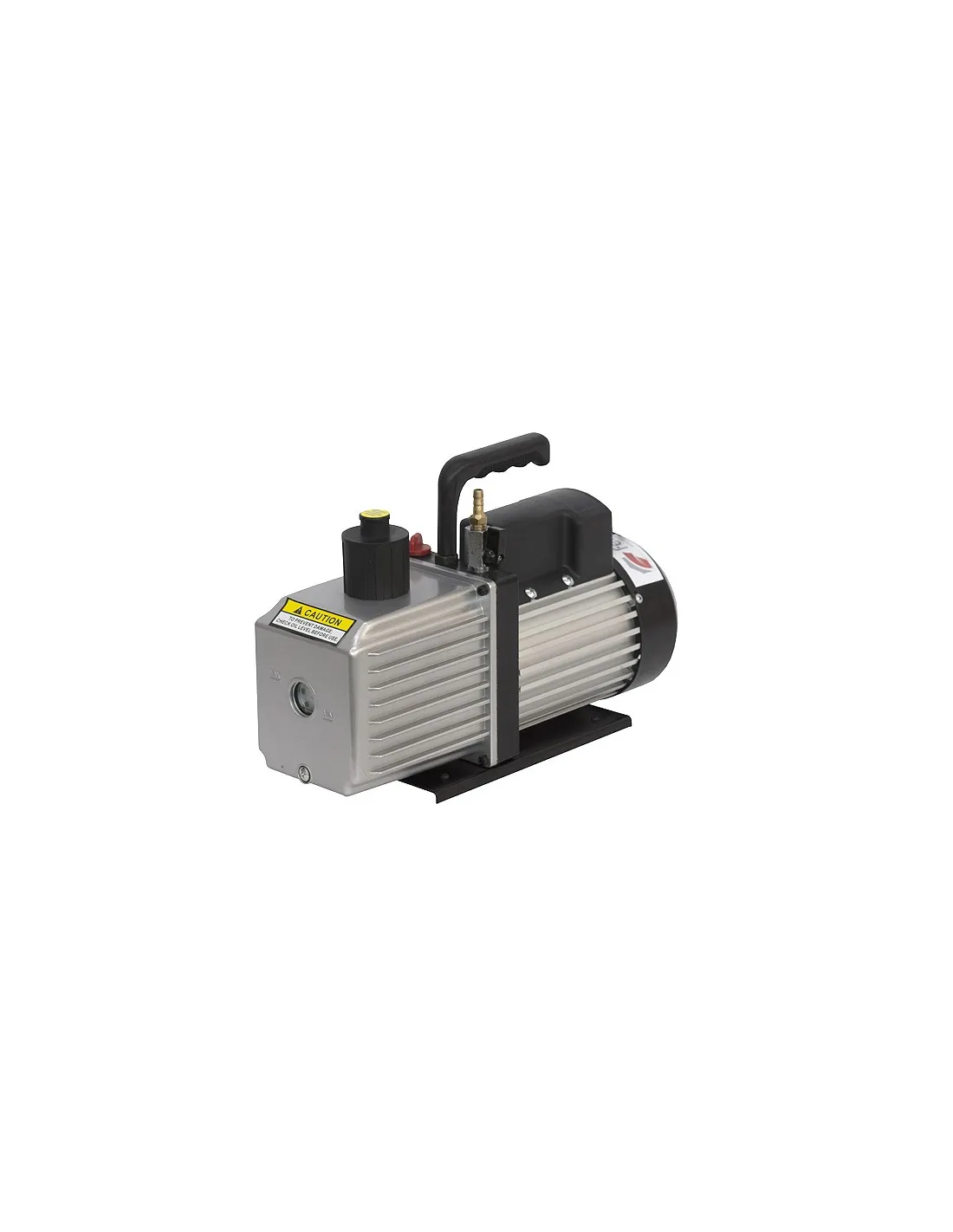
12CFM (20.4 m3/hour) Vacuum Pump
230101000
€360.00
435,60 € Tax incl.
435,60 € Tax incl.
Professional 12 CFM vacuum pump (20.4 m³/h) for fast degassing of silicones and resins. Reaches 99% vacuum in 1 minute.
The 12 CFM vacuum pump is the essential tool for degassing silicones and resins with professional results. Its flow rate of 20.4 m³/hour allows it to reach 99% vacuum in just one minute, making it suitable even for fast-cure polyurethane resins. Compact, robust and ready to use from the moment it arrives.
Technical specifications
| Parameter | Value |
|---|---|
| Flow rate | 12 CFM / 340 l/min (20.4 m³/h) |
| Maximum vacuum | 99.995% |
| Time to 90% vacuum | 30 seconds |
| Time to 99% vacuum | 1 minute |
| Time to 99.9% vacuum | 1 minute 30 seconds |
| Type | Rotary piston vacuum pump |
| Includes | Everything needed to get the pump up and running |
What it is used for
This pump is designed for vacuum degassing of moulding and casting materials before they cure. Its high flow rate makes it the right choice when working with short pot-life products or when you need to process large volumes of material with no margin for error.
- Degassing platinum and tin silicones before pouring
- Bubble removal in fast-cure polyurethane resins
- Degassing epoxy and polyester resins before laminating or casting
- Combined use with a vacuum chamber in a professional FX workshop
- Degassing viscous mixes where a lower flow rate pump cannot reach sufficient vacuum in time
- Production of high-precision parts with no air inclusions
- Manufacture of reborn dolls and collectible figures where surface finish is critical
How to use it
- Check the oil level in the pump before each use and top up if necessary with oil specified for vacuum pumps.
- Connect the vacuum hose between the pump outlet and the vacuum chamber inlet.
- Prepare and mix the material (silicone or resin) following the manufacturer's instructions.
- Place the container with the mix inside the vacuum chamber and close the lid.
- Switch on the pump. In 30 seconds you will reach 90% vacuum; in 1 minute, 99%.
- Watch the material rise and the bubbles ascend and burst. When it stops rising and the surface stabilises, the process is complete.
- Close the chamber valve, switch off the pump and open the bleed valve to restore atmospheric pressure in a controlled manner.
- Remove the material and proceed to pour it into the mould before curing begins.
Usage tips
Choose the right container
Always use a container with twice the capacity of the material volume. During vacuum, the mix can triple its apparent volume due to bubble expansion. If the container is too small, the material will overflow inside the chamber and contaminate the pump.
Flow rate matters with fast resins
With polyurethane resins, the pot life is 2 to 4 minutes in many systems. A low flow rate pump (less than 8 CFM) may take too long to reach sufficient vacuum, leaving bubbles trapped before the material gels. With 12 CFM you have real margin: 99% vacuum is reached in 1 minute, leaving you reaction time to pour.
Pump maintenance
The pump oil degrades with use and can become contaminated if material is sucked in. Change the oil regularly — especially if you notice the pump is taking longer to reach maximum vacuum, or if the oil turns cloudy or foamy. Store the pump upright in a dry place to extend the life of the seals.
Frequently asked questions
What is the difference between a small vacuum pump and a high flow rate pump?
Both can reach the same final vacuum level (99.995%), but the difference lies in how long they take to get there. A low flow rate pump may need several minutes to reach 99% vacuum, making it useless for fast-cure materials such as polyurethane. This 12 CFM pump reaches 99% in 1 minute, allowing you to degas virtually any material before it starts to cure.
Can I degas polyurethane resins with this pump?
Yes. This is precisely what a pump of this flow rate is designed for. Polyurethane resins have very short pot lives (sometimes less than 3 minutes). With 12 CFM you reach 99% vacuum in 1 minute, giving you enough margin to remove the bubbles and pour the material into the mould before it gels.
Do I need a separate vacuum chamber?
Yes. The pump generates the vacuum, but you need a vacuum chamber in which to place the material. The chamber must be vacuum-rated and have an adequate capacity for the volume of material you intend to process. Feroca stocks vacuum chambers compatible with this pump.
What volume of material can I degas at once?
It depends on the size of the vacuum chamber you use, not on the pump. This 12 CFM pump is compatible with chambers of different sizes. Bear in mind that the material can triple its apparent volume during the process, so the container inside the chamber must have sufficient headroom to prevent overflow.
Does the pump require maintenance?
Yes. Like any rotary piston vacuum pump, it needs oil to work correctly. You should check the level before each work session and change the oil periodically or whenever it becomes cloudy. Degraded oil reduces performance and can damage the pump over time.
Can this pump be used for vacuum infusion of composites?
Yes. The pump is suitable for vacuum infusion processes with epoxy or polyester resins. In infusion, the vacuum is maintained for an extended period, so it is important that the chamber or vacuum bag has no leaks. The pump reaches sufficient vacuum for this process without any issues.
Can I damage the pump if material gets sucked in?
Yes, it is a real risk. If the container is too full or the mix rises too high during the vacuum process, material can reach the hose and contaminate the pump. To prevent this, always use a container with twice the capacity of the material volume and monitor the process during the first 30 seconds, when expansion is at its greatest.
Can this pump be used to degas silicones?
Absolutely. Both platinum (addition cure) and tin (condensation cure) silicones benefit from vacuum degassing before pouring. Silicones have longer pot lives than polyurethane, but removing bubbles guarantees a more faithful mould with no surface defects. This pump is more than sufficient for any silicone in the Feroca catalogue.
Video tutorial
Standard Vacuum System Guide
No reviews
Tap to zoom