Shopping Cart



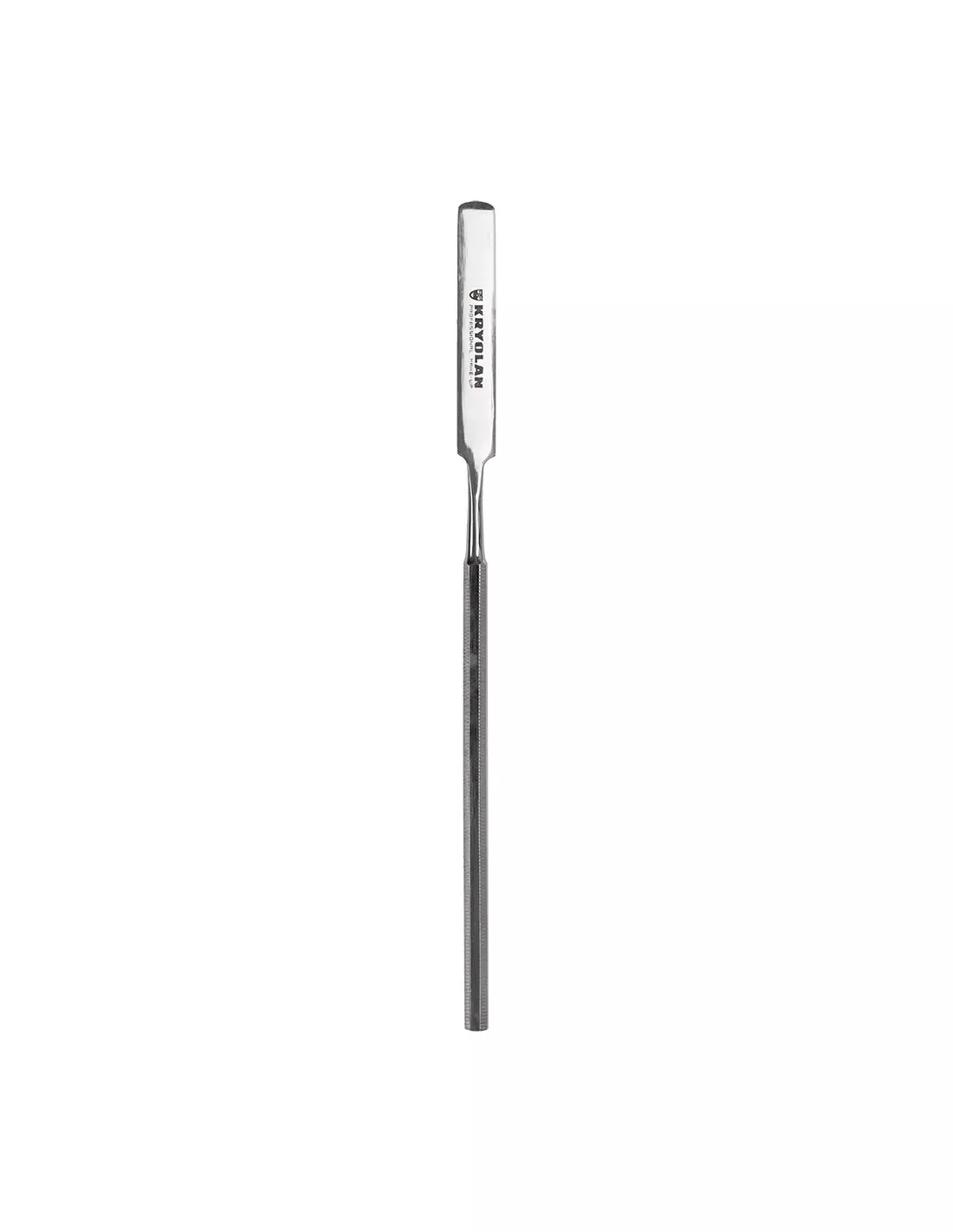
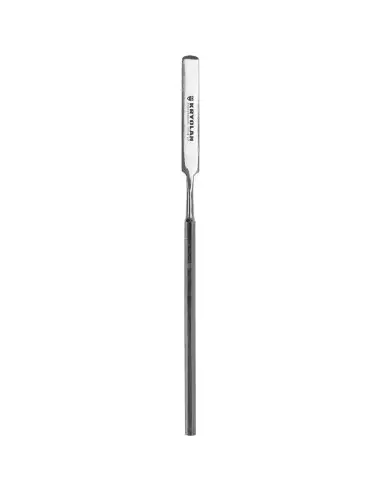
Steel Makeup Mixing Spatula
206801202
€7.50
9,08 € Tax incl.
9,08 € Tax incl.
Stainless steel spatula for mixing makeup and SFX products. Length 17.7 cm, ergonomic and easy to sterilise.
The stainless steel makeup mixing spatula is an essential workshop tool when working with bases, pigments, coloured silicones and any cream or paste product that needs to be mixed, dosed or applied with precision. With a total length of 17.7 cm and an ergonomic flat profile, it is made from high-quality stainless steel: resistant, durable and ready to be sterilised between uses without deteriorating.
Technical specifications
| Feature | Value |
|---|---|
| Material | Stainless steel |
| Total length | 17.7 cm |
| Profile | Flat, flexible palette |
| Design | Ergonomic, integrated handle |
| Cleaning | Compatible with isopropyl alcohol and sterilisation |
What it is used for
It is the go-to tool in special effects workshops, professional makeup and prosthetics manufacturing. Its flat geometry allows for controlled mixing and material collection with no waste. Common uses:
- Mixing pigments and toning powders with makeup bases, silicones or encapsulants.
- Dosing and homogenising A+B components of platinum silicones in small quantities.
- Applying and spreading cream products onto moulds, prosthetics or directly onto skin.
- Mixing concealers, bases and cream eyeshadows on a makeup palette.
- Handling thixotropic agents and consistency additives in pastes or adhesives.
- Collecting and transferring viscous materials without contaminating the original container.
- Clean-zone work: quick-swap spatula between colours or products.
How to use it
- Clean the spatula with isopropyl alcohol before first use and between applications of different products.
- Place the required amounts of each component or pigment onto a palette or clean surface.
- Use the flat side of the palette to mix with circular and folding motions until a homogeneous mixture is obtained.
- For powder pigments, incorporate gradually while mixing to avoid lumps and control colour intensity.
- Collect the material with the tip of the spatula and apply it precisely where needed.
- Clean immediately after use with alcohol or a solvent appropriate to the product used; do not leave dried residues adhered.
- Store dry to prevent oxidation, although stainless steel offers high resistance to moisture.
Usage tips
Keep the spatula free from cross-contamination
When working with platinum silicones, any contaminant on the tool can inhibit curing. Always disinfect with isopropyl alcohol and allow to dry completely before contact with silicone. If mixing pigments or additives, use different spatulas for each component or clean thoroughly between steps.
Use the flexibility of the palette to your advantage
The flat, slightly flexible palette allows you to scrape the bottom of jars and vessels to make the most of every last bit of material. It is especially useful with high-viscosity encapsulants or dense filler pastes. Gently flex the tip when applying to conform to curved surfaces such as prosthetics and moulds.
Combine it with the rest of your SFX workshop tools
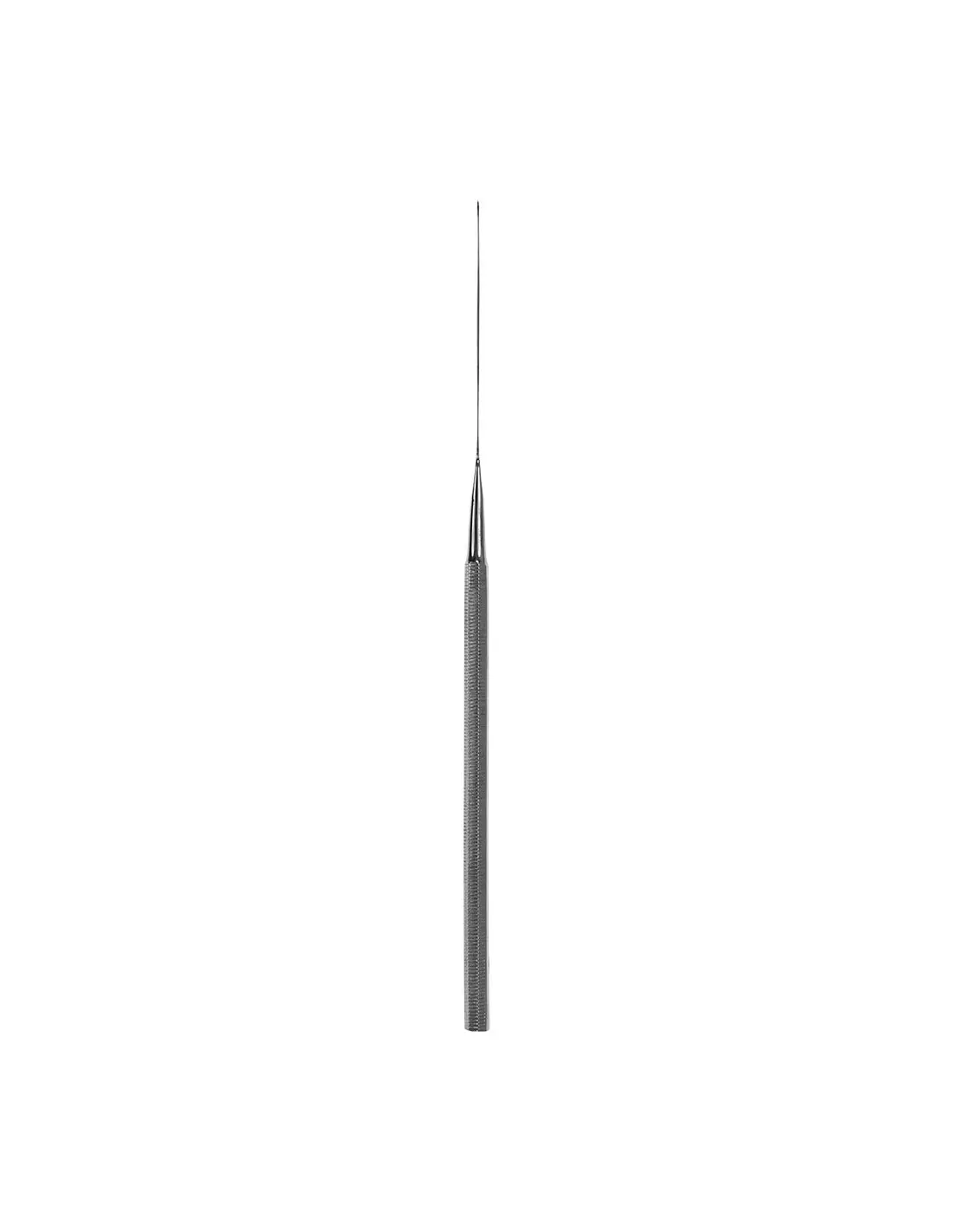
For hair punching work on silicone prosthetics, complement the spatula with rooting needles, which allow fibres to be inserted with precision without damaging the material surface. The spatula will be useful for preparing the fill silicone that secures the hair after punching.
Frequently asked questions
Can this spatula be used to mix two-component silicones?
Yes. The stainless steel spatula is perfect for mixing platinum and tin silicones in small quantities on a palette or cup. Bear in mind that for platinum silicones the tool must be completely clean and free of contaminants (sulphur, tin, latex) before use, as these can inhibit curing.
Can it be sterilised between uses?
Yes. Being made from stainless steel, it can be cleaned with isopropyl alcohol, surface disinfectants and even autoclave sterilisation. This is one of its main advantages over plastic or wooden spatulas, which absorb residues and deteriorate with chemical products.
What types of products is it useful for in a special effects workshop?
It is useful for mixing and applying silicones, encapsulants, powder and paste pigments, toning powders, prosthetic adhesives, cream makeup products and any medium-to-high consistency material requiring controlled handling. It is also commonly used to incorporate thixotropic agents into resins or adhesives.
What is the difference between a steel spatula and a plastic one?
Stainless steel is more rigid, more hygienic and more durable. It does not absorb pigments or solvents, does not deform under heat and allows thorough cleaning between uses. Plastic spatulas can contaminate sensitive products and deteriorate with aggressive solvents. For professional work in SFX and makeup, steel is the right choice.
How many spatulas do I need in a prosthetics workshop?
It is standard practice to have several units available: one per component or colour, to avoid cross-contamination. When working with platinum silicones, where inhibition is a real risk, having at least two or three clean and dry spatulas ready before you start will save you problems during the process.
Does it rust with continued use?
No, as long as it is dried correctly after cleaning. Stainless steel offers high corrosion resistance, but it is advisable not to leave it submerged in water or solvents for extended periods. Store it dry and it will remain in perfect condition for years.
Is it suitable for mixing pigments with platinum silicones?
Yes, as long as the pigments are compatible with platinum silicones (silicone-specific pigments, not water-based or oil-based contaminated with inhibitors). The spatula itself is not an inhibiting agent, but it must be clean of residues that could be, such as sulphur-based clays or cyanoacrylate adhesive residues.
No reviews
Tap to zoom