Shopping Cart



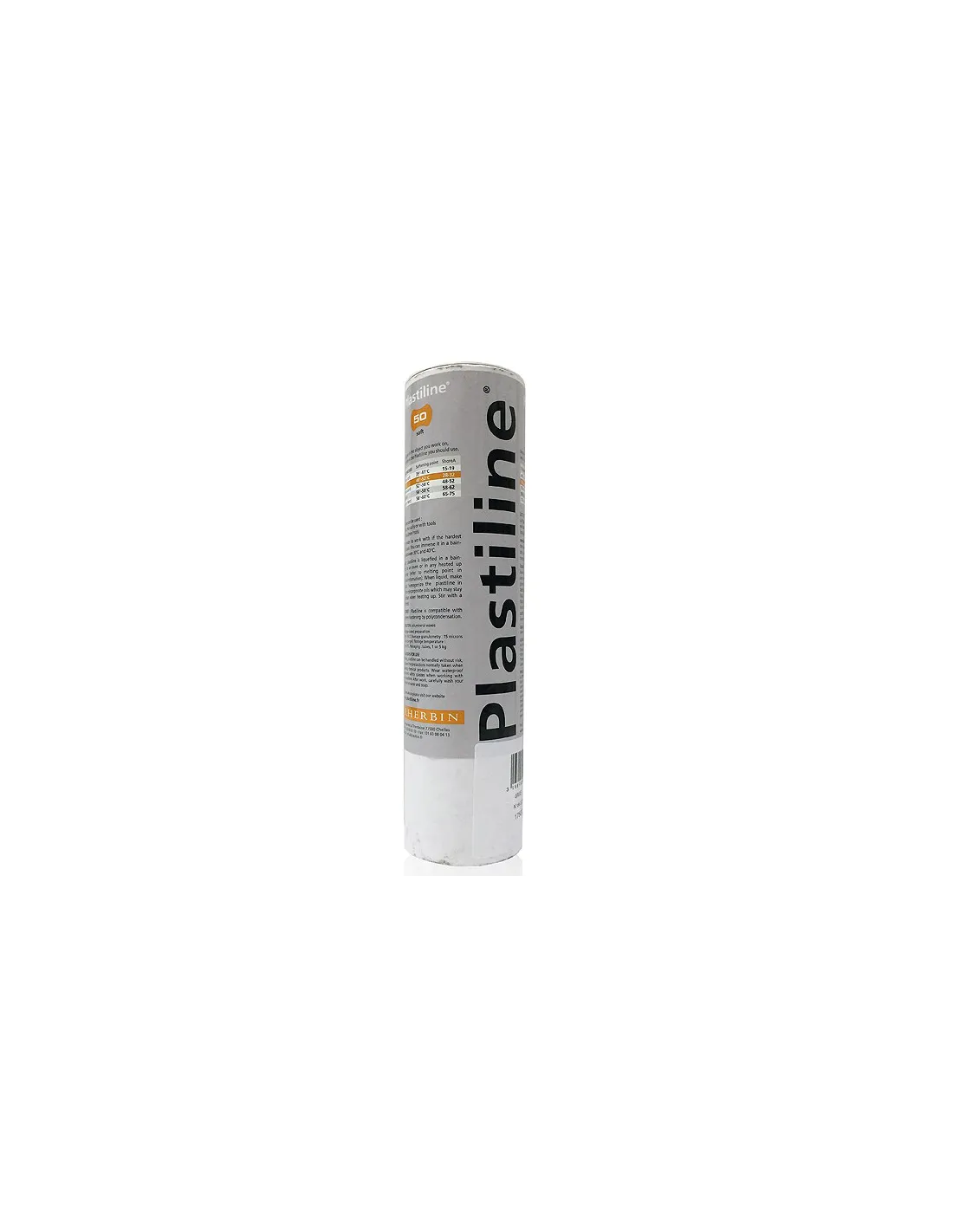
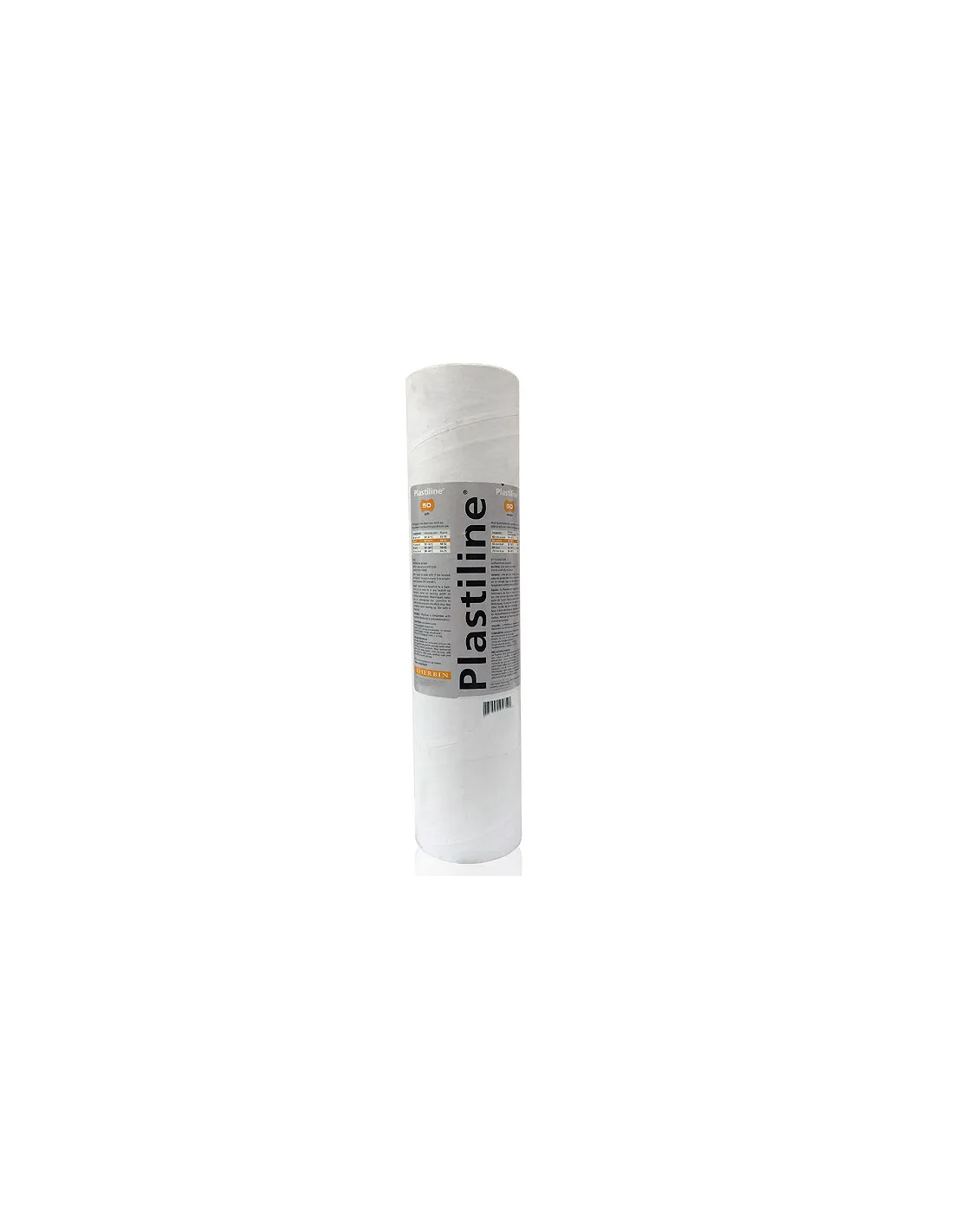
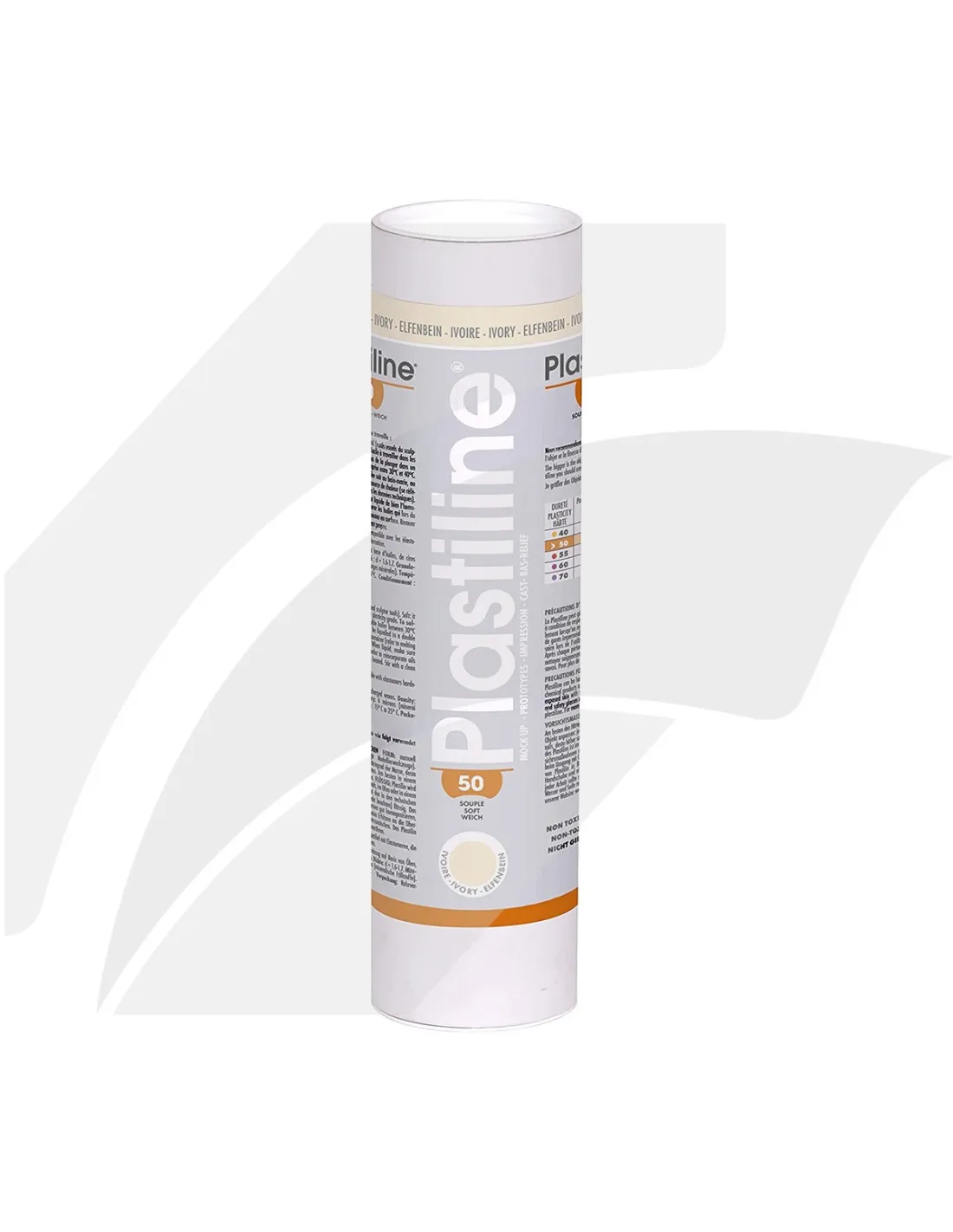
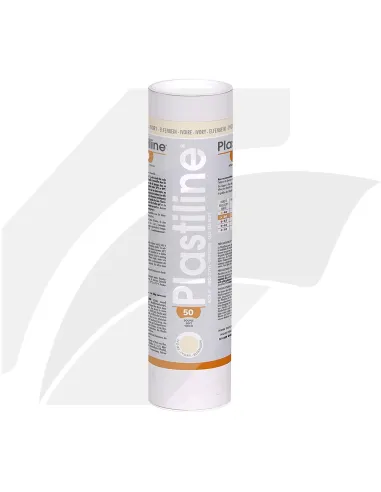
J. HERBIN Hardness 50 - Ivory Color -Professional Modeling-
204303506
€22.00
26,62 € Tax incl.
26,62 € Tax incl.
Professional J. Herbin modelling clay hardness 50, ivory colour. Sulfur-free, compatible with condensation silicones. Reusable. 1 kg.
J. Herbin Hardness 50 professional oil-based clay in ivory is a professional oil-based modelling clay specially designed for high-precision modelling and fine detail work. Its sulfur-free formulation makes it compatible with condensation silicones (tin catalyst), and its medium-low hardness makes it a very versatile option for both beginners and professionals looking for a workable and reusable material.
Technical specifications
| Property | Value |
|---|---|
| Brand | J. Herbin |
| Hardness | 50 (medium-low) |
| Colour | Ivory |
| Weight | 1 kg |
| Type | Professional oil-based modelling clay |
| Sulfur content | No (sulfur-free) |
| Compatible with condensation silicones (tin) | Yes |
| Compatible with addition silicones (platinum) | No |
| Reusable | Yes |
| Working states | Solid, softened, liquid (melted) |
What it is used for
J. Herbin Hardness 50 is the ideal choice when you need a professional modelling material that is workable at room temperature or with minimal heat. It is especially useful for work requiring precision in detail and where the material may need corrections or reuse. It is commonly used for:
- Artistic sculpture and high-detail modelling
- Special effects (FX) for film, television and theatre
- Stop motion: building and adjusting characters and set pieces
- Scale modelling and mock-ups
- Profiling and walling for the creation of condensation silicone moulds
- Refining details on pieces before moulding
- Designing new shapes and prototypes
- Separating and sealing two-part moulds (bi-part moulds)
How to use it
- Prepare the material: At room temperature, knead the clay with your hands. Body heat will gradually soften it until it reaches working consistency. Hardness 50 is quite workable from the start.
- Apply heat if needed: If you need a softer consistency or want to fill areas with greater fluidity, you can gently warm the clay. Use an oven at low temperature, a double boiler, or a heat gun at a safe distance. Never exceed the temperature recommended on the packaging.
- Model and sculpt: Work the shape with spatulas, modelling tools or directly with your fingers. Hardness 50 allows you to capture fine details and accepts corrections on the go.
- Melt for liquid use: If you need to pour it or fill gaps, melt it in a double boiler or a heat-safe container until it reaches a liquid state. Once melted, stir with a clean tool to reincorporate any oils that may have separated on the surface.
- Use it as a moulding barrier: To create silicone moulds, surround the piece to be moulded with clay, adjust the profiles and make sure there are no gaps through which the silicone could escape.
- Collect and reuse: Once the work is finished, collect the clay, remove any impurities and store it for the next project. It is fully reusable.
Warning — Incompatibility with platinum (addition) silicones: J. Herbin clay, like any oil-based modelling clay, can inhibit the cure of addition silicones (platinum). If you are using platinum silicones in your project, do not use this clay in direct contact with them. For moulding with platinum silicones, opt for modelling materials certified as compatible. J. Herbin Hardness 50 is fully compatible with condensation silicones (tin catalyst) without any issues.
Usage tips
Choose the right hardness for your project
Hardness 50 is a medium-low hardness, ideal for small to medium-sized pieces where good malleability is sought without sacrificing detail. For larger sculptures or work that requires withstanding more aggressive tools without deforming, consider higher hardness grades from the J. Herbin range. As a general rule: the larger the piece, the higher the hardness of the material should be to maintain its shape during the sculpting process.
Heat control for better results
When you need to melt the clay to pour it or to homogenise the material, do so gradually and at low temperature. Sudden heating can burn the oils in the material and alter its properties. The double boiler method is the safest and most controlled approach. Once melted, always stir before use to ensure a homogeneous mix. Use heat-resistant gloves when handling hot material.
Prepare the surface properly before moulding
Before applying silicone over the clay or over the piece you have delimited with it, make sure the surface is clean and free of impurities. If you want to facilitate the release of the clay once the silicone has cured, you can apply a thin coat of compatible release agent. Always check the compatibility of the release agent with the silicone you intend to use.
Frequently asked questions
What hardness of professional modelling clay is best for beginners?
It depends on the type of work and the size of the piece. For small pieces with a lot of detail, a medium-low hardness like J. Herbin Hardness 50 offers a good balance between malleability and detail retention. For large pieces or work requiring greater firmness, a higher hardness is recommended. In general, the larger the sculpture, the higher the hardness you will need.
Can I use this clay to make silicone moulds?
Yes. J. Herbin Hardness 50 is compatible with condensation silicones (tin catalyst) and is commonly used to wall off profiles, seal two-part moulds or refine details on the piece before pouring the silicone. It is not compatible with addition silicones (platinum), as it can inhibit their cure.
How do you soften professional modelling clay that is too hard?
The simplest method is to knead it with your hands: body heat will gradually soften it. If you need it faster, apply gentle heat using a double boiler, a low-temperature oven or a heat gun at a distance. Always do so gradually to avoid burning the material. J. Herbin Hardness 50 is one of the most workable in the range, so in most cases you will not need to heat it.
Can professional modelling clay be reused?
Yes. J. Herbin clay is fully reusable. Once the work is finished, collect the material, remove any visible impurities and store it. It can be melted and solidified as many times as needed without the material losing its properties.
How much material do I need to sculpt a full head or bust?
For a life-size head or a bust up to the shoulders, it is common to work with several kilograms of material. A 1 kg block is sufficient for small pieces or tests, but for larger-scale projects it is advisable to have 3 to 5 kg or more, depending on the level of detail and the thickness of the sculpture. J. Herbin Hardness 50 works well for this type of project.
Does professional modelling clay contain sulfur?
J. Herbin does not contain sulfur in its formulation. This is important because sulfur is one of the main inhibitors of the cure of platinum (addition) silicones. By not containing sulfur, J. Herbin is compatible with condensation silicones (tin), although it should still not be used in contact with platinum silicones due to other oily components that can interfere with their cure.
Can you paint over professional modelling clay?
The oily surface of the clay makes adhesion of conventional paints difficult. If you need to paint over it to evaluate colours or visual effects during the modelling process, use diluted water-based paints or low-pressure aerosols, always on a provisional basis. For a definitive finish, the usual approach is to take a mould and work on the resulting piece in the final material (resin, silicone, etc.).
What is the difference between ivory and dark grey in professional modelling clay?
The physical properties are the same. The difference is purely visual: ivory makes it easier to appreciate details under direct lighting and is preferred for photographing the process or presenting the sculpture in progress. Dark grey reduces reflections and allows shadows and volumes to be seen more clearly during sculpting. The choice depends on each professional's workflow and preferences.
No reviews
Tap to zoom