Shopping Cart



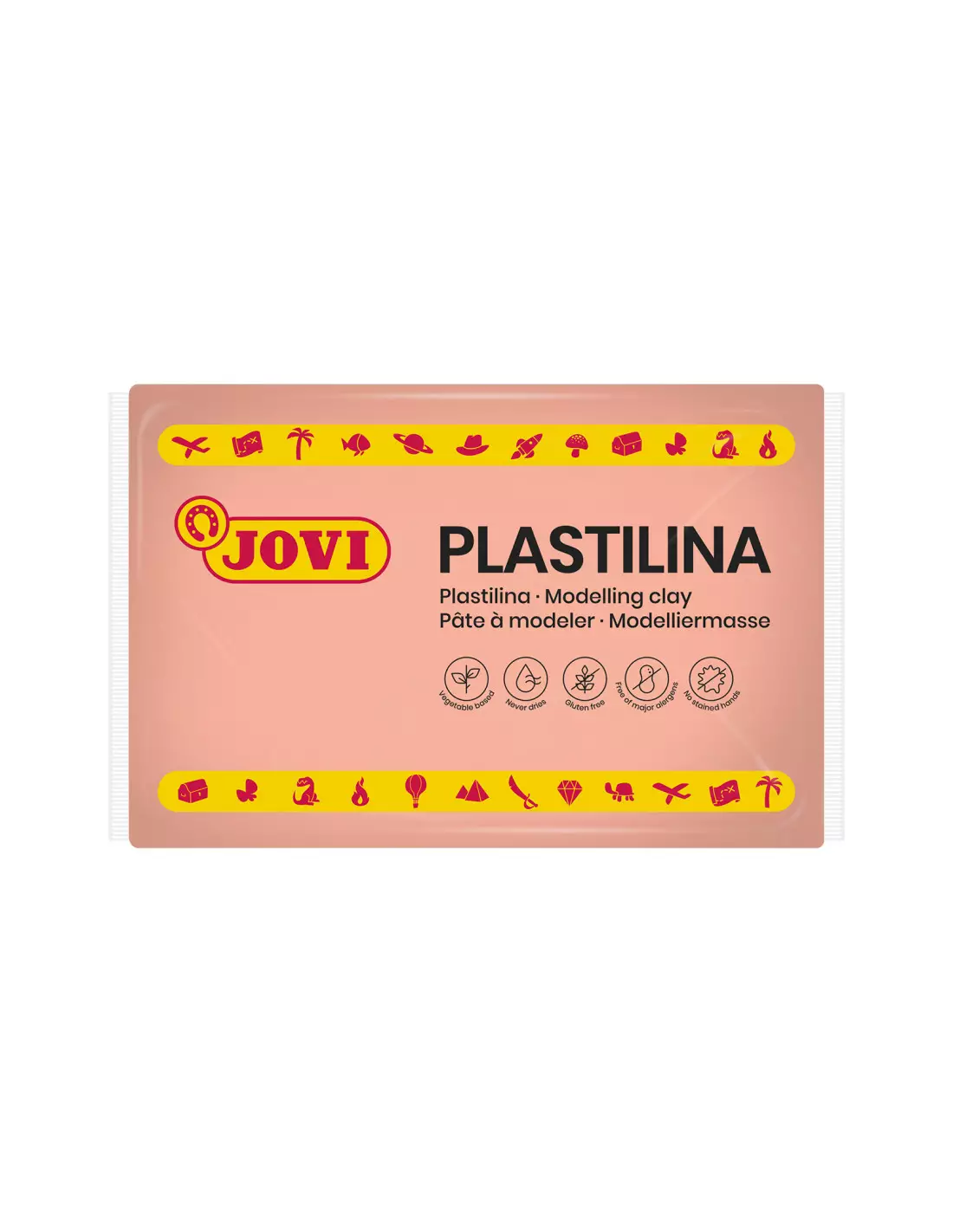
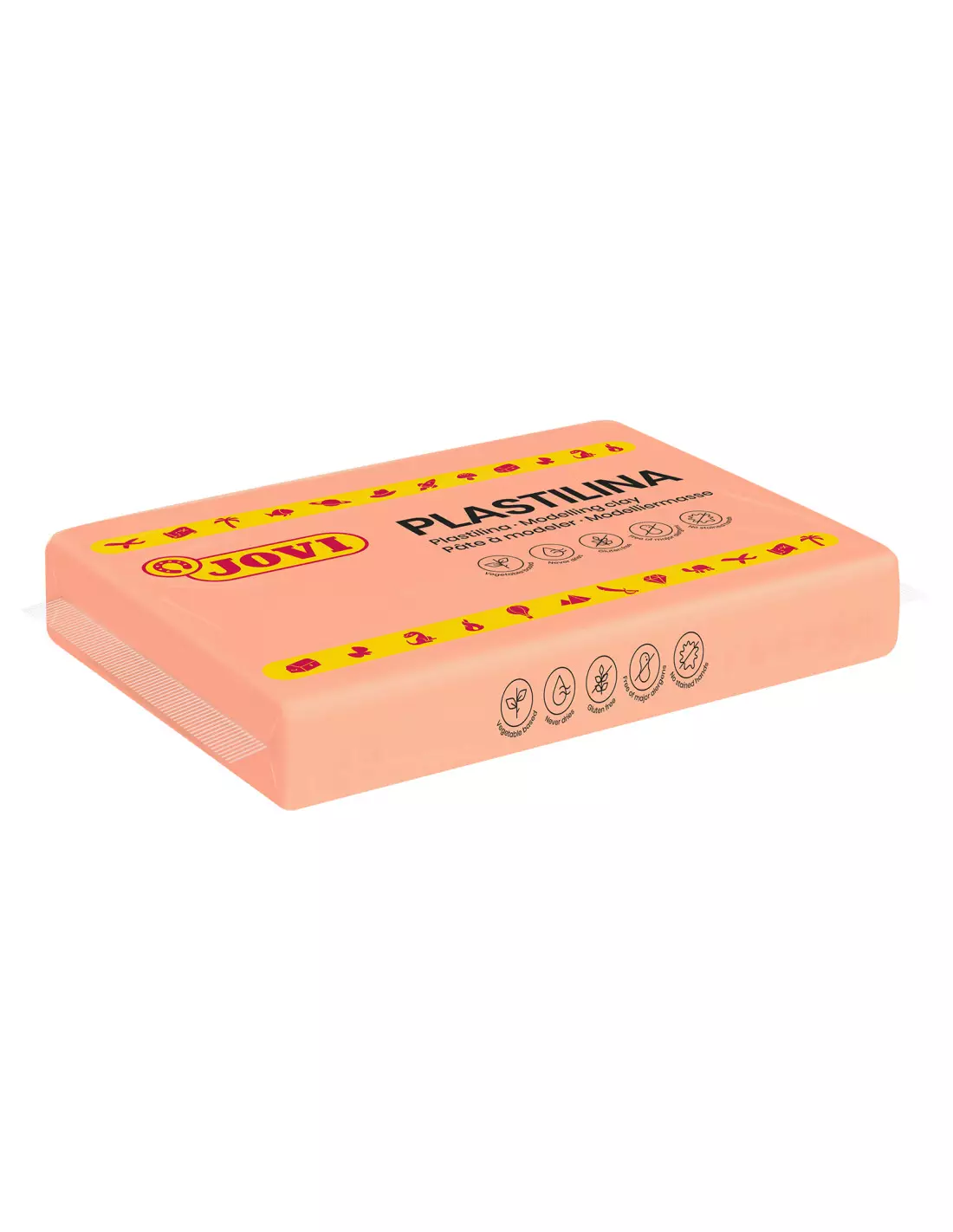
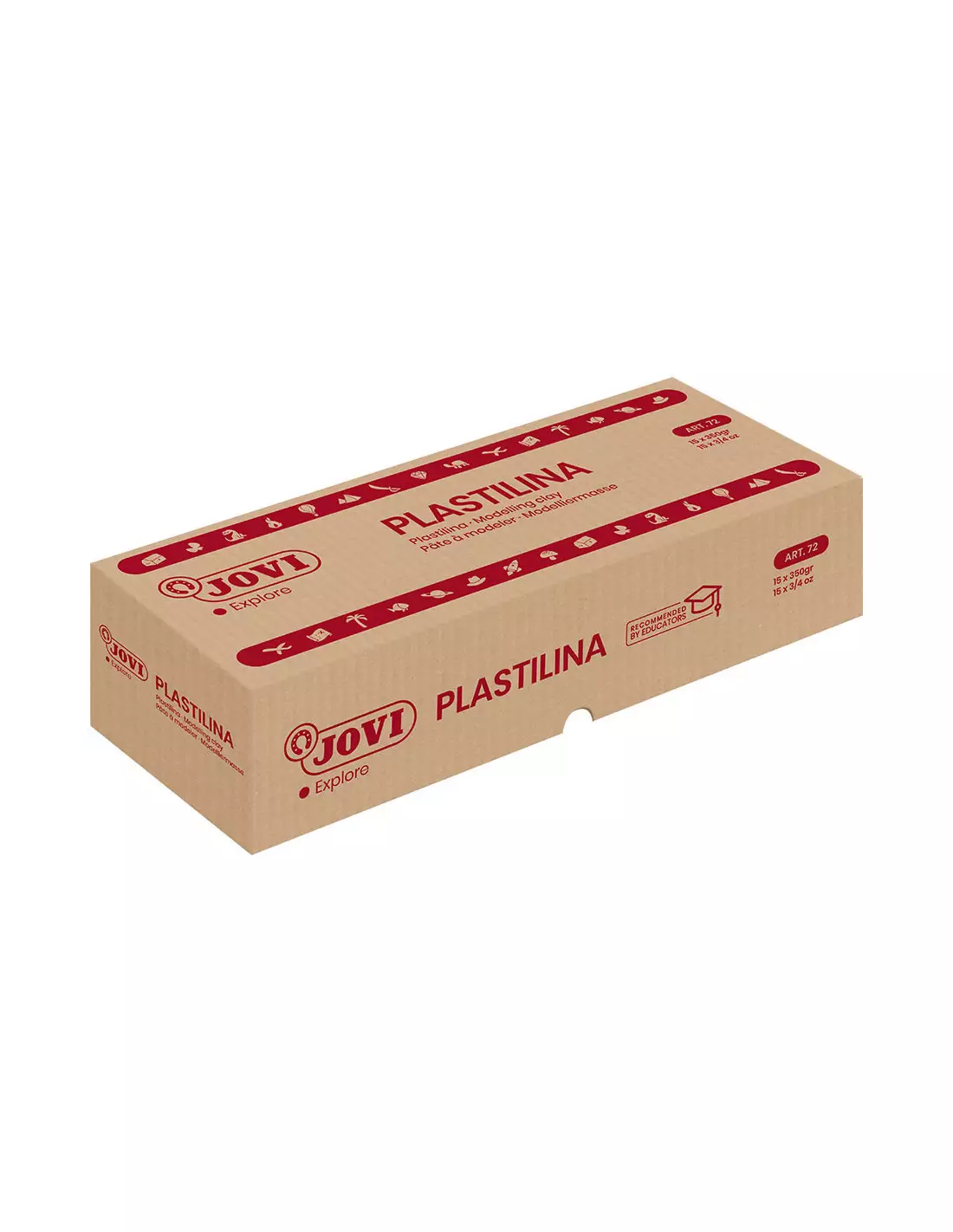
Industrial Plasticine - Vegetable base
204300350
€4.50
5,45 € Tax incl.
5,45 € Tax incl.
Vegetable-based industrial plasticine, non-toxic, reusable and sulphur-containing. 350 g block. Compatible with tin silicones.
The vegetable-based Industrial Plasticine is a modelling compound specifically formulated for workshop tasks: building mould beds, sealing joints and creating registration keys before casting silicone. It does not dry out, does not stain and is reusable indefinitely. It contains sulphur, making it the perfect companion for tin catalyst silicones — it must not be used with platinum silicones.
Technical specifications
| Property | Detail |
|---|---|
| Base | Vegetable |
| Format | 350 g block |
| Toxicity | Non-toxic |
| Drying | Does not dry out — reusable indefinitely |
| Staining | Does not stain |
| Sulphur content | Yes |
| Compatibility | Tin catalyst silicones (condensation) |
| Incompatibility | Platinum catalyst silicones (addition) — inhibits curing |
What it is used for
It is the go-to workshop material for all tasks prior to casting silicone. Its dimensional stability, workable texture and the fact that it does not adhere to most surfaces make it indispensable in any moulding process with condensation silicones. It can also be used together with a paste release agent to facilitate separation of the mould halves.
- Building the bed or separator for two-part moulds: embed half of the piece in plasticine to cast the first silicone half.
- Creating keys and registration locks between the two mould halves.
- Sealing joints, leaks or cracks in mould boxes before casting.
- Sealing the perimeter of the mould box to prevent silicone spillage.
- Modelling preliminary prototypes or decorative details for subsequent reproduction.
- Crafts, modelmaking and educational applications where an inert and safe material is required.
How to use it
- Soften the plasticine: if it is cold and stiff, warm it for a few minutes in your hands, with a hairdryer on a low setting or in an oven at below 60 °C. Do not overheat it to avoid losing consistency.
- Build the bed: spread the plasticine on a flat surface or inside the mould box to obtain a uniform thickness of at least 1–2 cm. Press the original piece into it up to half of its parting line perimeter.
- Seal the edges: smooth the plasticine against the outline of the piece with a spatula or your fingers to prevent silicone from seeping underneath.
- Create the keys: make small conical or hemispherical indentations in the surface of the plasticine to generate the registration locks for the two mould halves.
- Apply release agent: use a paste release agent for silicones over the plasticine and the piece before casting the silicone, especially in areas of contact with the box.
- Cast the silicone: prepare and pour your tin silicone over the plasticine bed. To give the pour greater body, you can use a thixotropic additive.
- Wait for cure and remove the plasticine: once the first mould half has cured, carefully remove the plasticine. Clean off any residue with a dry cloth before casting the second half.
- Reuse: collect the plasticine, knead it again and store it in a cool place for the next job.
Warning — incompatibility with platinum silicones: this plasticine contains sulphur, a known inhibitor of addition silicones (platinum catalyst). If the plasticine comes into contact with a platinum silicone, the sulphur migrates to the surface and causes the silicone to remain uncured or with an irreversible sticky layer. Use this plasticine exclusively with tin catalyst silicones. If you work with platinum silicones, use sulphur-free plasticines such as Chavant Hard.
Usage tips
Temperature and workability
In a cold workshop the plasticine may be very stiff. Warm it briefly with a hot air dryer or leave it in a warm place before use. A well-tempered plasticine is easier to model, seals contours better and leaves a smoother surface, reducing rework after demoulding.
Bed finish and reading the parting line
Take time to define the parting line of the two halves clearly: an uneven bed produces moulds with flash that is difficult to remove. Use a modelling tool or the edge of a spatula to trace the line precisely. If the original has complex geometry, you can build the bed in several layers and adjust the line section by section.
Cleaning and storage
After use, remove any cured silicone residue from the plasticine before storing it. Small fragments of hardened silicone do not affect the curing of future tin silicones, but they can leave marks on fine surfaces. Store the plasticine wrapped in plastic or in a sealed container to prevent dust accumulation. It does not dry out, so its shelf life is practically indefinite.
Frequently asked questions
What type of silicone can I use with this plasticine?
This plasticine contains sulphur, so it is compatible only with tin catalyst silicones (condensation). Platinum silicones (addition) are inhibited on contact with sulphur and may remain uncured. If you use platinum silicones, you need a sulphur-free plasticine.
Can this plasticine be used to sculpt a final master?
It is possible for preliminary work or sketches, but it is not the optimal choice for high-precision final masters, as its surface can retain fingerprints and tool marks that are difficult to smooth out. For high-definition sculpting, professional plasticines of greater hardness such as Chavant Hard deliver better results.
Does the plasticine stick to the silicone once cured?
No. One of the advantages of this industrial plasticine is that it releases easily from cured tin silicone without leaving significant residue. Using a paste release agent as well makes the separation even cleaner.
How long can this plasticine be stored?
Indefinitely. As it contains no water or drying agents, the vegetable-based industrial plasticine does not harden over time if stored in a dust-free place at room temperature. Wrap it in plastic or keep it in a sealed container between uses.
Can it be heated to soften it further?
Yes. It can be warmed with a hot air dryer or in an oven at low temperature (below 60 °C) to soften it and make it more workable. Do not expose it to high temperatures for extended periods, as it would lose consistency and could deform unintentionally during work.
Is it safe to use in educational settings or with children?
It is non-toxic and does not stain, making it suitable for educational workshop environments. However, as it is formulated for industrial use and contains sulphur, it is not intended as a children's modelling compound. In professional and semi-professional contexts it is completely safe without the need for special protection.
What happens if plasticine residue is left on the silicone before casting the second mould half?
Plasticine residue can transfer sulphur to the mould interface and leave marks on the silicone surface. Before casting the second half, clean the surface of the first half thoroughly with a dry or slightly damp cloth to remove any trace of plasticine, then apply release agent.
Can I use this plasticine to seal leaks in a resin mould box?
Yes, it is a quick and effective solution for sealing joints and small leaks in mould boxes before casting both tin silicone and resins. For more permanent structural repairs to the box, consider the Epoxy Filler 610.
No reviews
Tap to zoom