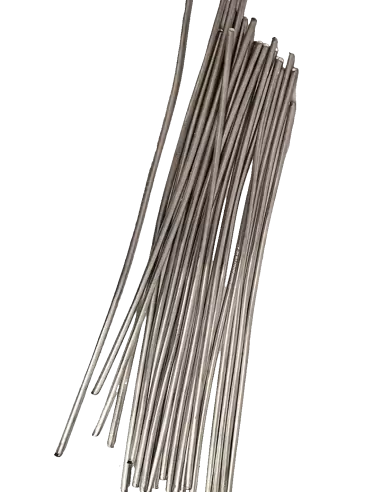
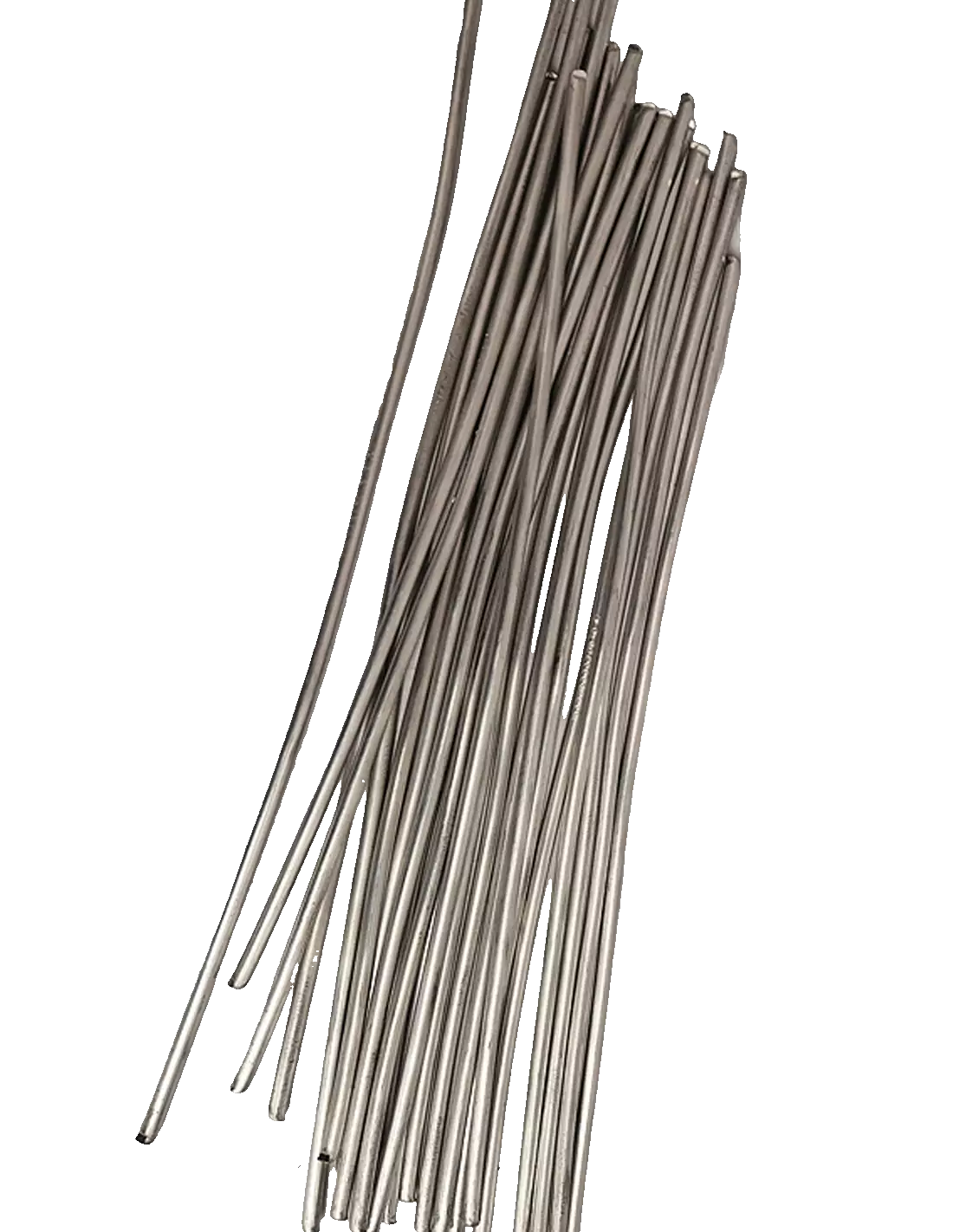
Peltre PLS is a tin-based alloy with antimony and copper, lead-free and with a low melting point. Its high fluidity in the molten state ensures clean, precise reproductions, even in thin or highly detailed areas, making it an accessible and versatile option compared with precious metals such as silver. Ideal for working with silicone molds for metals.
Technical specifications
| Property |
Value |
| Material type |
Metal alloy (pewter) |
| Composition |
Sn, Sb and Cu |
| Lead content |
Lead-free |
| Characteristics |
Hypoallergenic |
| Melting point |
Low (suitable for silicone molds) |
| Main application |
Jewellery, decorative pieces, detail objects |
| Format |
Approximate weight 1kg (14 rods) / 200g (3 rods) |
What it is used for
Peltre PLS is especially suited for casting in silicone molds for low-melting-point metals. Its fluidity and metallic finish make it ideal in contexts where complex geometries need to be reproduced faithfully, without resorting to expensive or difficult-to-handle metals.
- Artisan jewellery: rings, pendants, clasps and decorative pieces
- Reproduction of pieces with very thin areas: miniature swords, rods, guards
- Decorative objects and artisan tableware
- Low-cost metal prototypes before moving to silver or bronze casting
- Special effects and props requiring a real metallic appearance
- Reproduction of pieces in small runs with a reusable mold
How to use it
- Prepare the silicone mold for low-melting-point metals and make sure it is completely dry and at room temperature.
- Place the Peltre PLS rods in a melting ladle suitable for low-melting-point alloys.
- Melt the pewter by applying heat evenly until the material is completely liquid and homogeneous.
- Pour the molten metal into the silicone mold with a slow, continuous movement, making sure the material reaches all areas of the mold, including the thinnest sections.
- Allow to cool and solidify completely before demolding. Do not accelerate cooling with cold water, as this could create internal stresses in the piece.
- Carefully remove the piece from the mold. The silicone mold can be reused for further castings.
- Finish the piece with fine sandpaper or finishing tools according to the level of detail required.
Tips for use
Melting temperature control
Do not exceed the minimum temperature needed to melt the pewter. Overheating can oxidise the surface of the molten metal and generate impurities that affect the finish of the piece. Always work with the metal in a fluid state but without reaching the boiling point.
Mold preparation
Use a silicone mold specifically designed for metals, formulated to withstand the heat of low-melting-point alloys. Standard platinum silicone molds may deteriorate under heat. Make sure the mold has no residual moisture before pouring the metal: any trace of water can generate bubbles and dangerous splashes.
Safe handling
Although Peltre PLS is lead-free and hypoallergenic, always work with heat-resistant gloves and in a well-ventilated space. Use the appropriate melting ladle and avoid contact of the molten metal with wet materials or cold surfaces that could cause splashing.
Frequently asked questions
What type of mold do I need to cast low-melting-point metals?
You need a silicone mold specifically formulated to withstand the heat of low-melting-point alloys. Peltre PLS is used with MetalCast - Silicona para metales, which is designed to handle these temperatures without degrading. Conventional silicone molds are not suitable for this use.
Is it safe to work with this alloy without special equipment?
Peltre PLS is lead-free and hypoallergenic, making it much safer than traditional lead-containing alloys. Even so, when working with molten metal it is essential to use heat-resistant gloves, eye protection and to work in a ventilated space. Industrial equipment is not required, but basic artisan casting precautions are necessary.
How many castings can a silicone mold for metals withstand?
It depends on the type of silicone and the conditions of use, but a good silicone mold for metals can withstand dozens of castings if used correctly: respecting the temperature, ensuring the mold is dry and not exposing it to excessive temperatures. Mold durability increases if it is allowed to cool between castings.
Can I mix the pewter with other alloys?
It is not recommended to mix Peltre PLS with other alloys without knowing their exact composition, as this can alter the melting point, fluidity and mechanical properties of the resulting material. For predictable and reproducible results, use the pewter as supplied.
What finish does the piece have once demolded?
The piece has a silvery-grey metallic finish characteristic of pewter. It can be polished, sanded or treated with patination products to achieve aged or bright effects. Its appearance resembles silver, making it a popular choice for artisan jewellery and decorative objects.
What formats is it sold in?
Peltre PLS is sold in two formats: 1 kg (14 rods) and 200 g (3 rods). If you need to calculate the quantity for your project, take into account the volume of the piece to be reproduced and the number of planned castings.
Can I use this metal to make jewellery that comes into contact with skin?
Yes. Being lead-free and hypoallergenic, Peltre PLS is suitable for making artisan jewellery that comes into contact with skin. This is precisely why it is used as an alternative to older alloys that contained lead or antimony in high proportions.
Is a release agent needed with silicone molds for metals?
In general, silicone molds do not require a release agent when working with low-melting-point metals, as the silicone itself acts as a non-stick surface. However, if the mold has very complex geometries or challenging draft angles, applying a small amount of compatible release agent before casting may help.