Shopping Cart


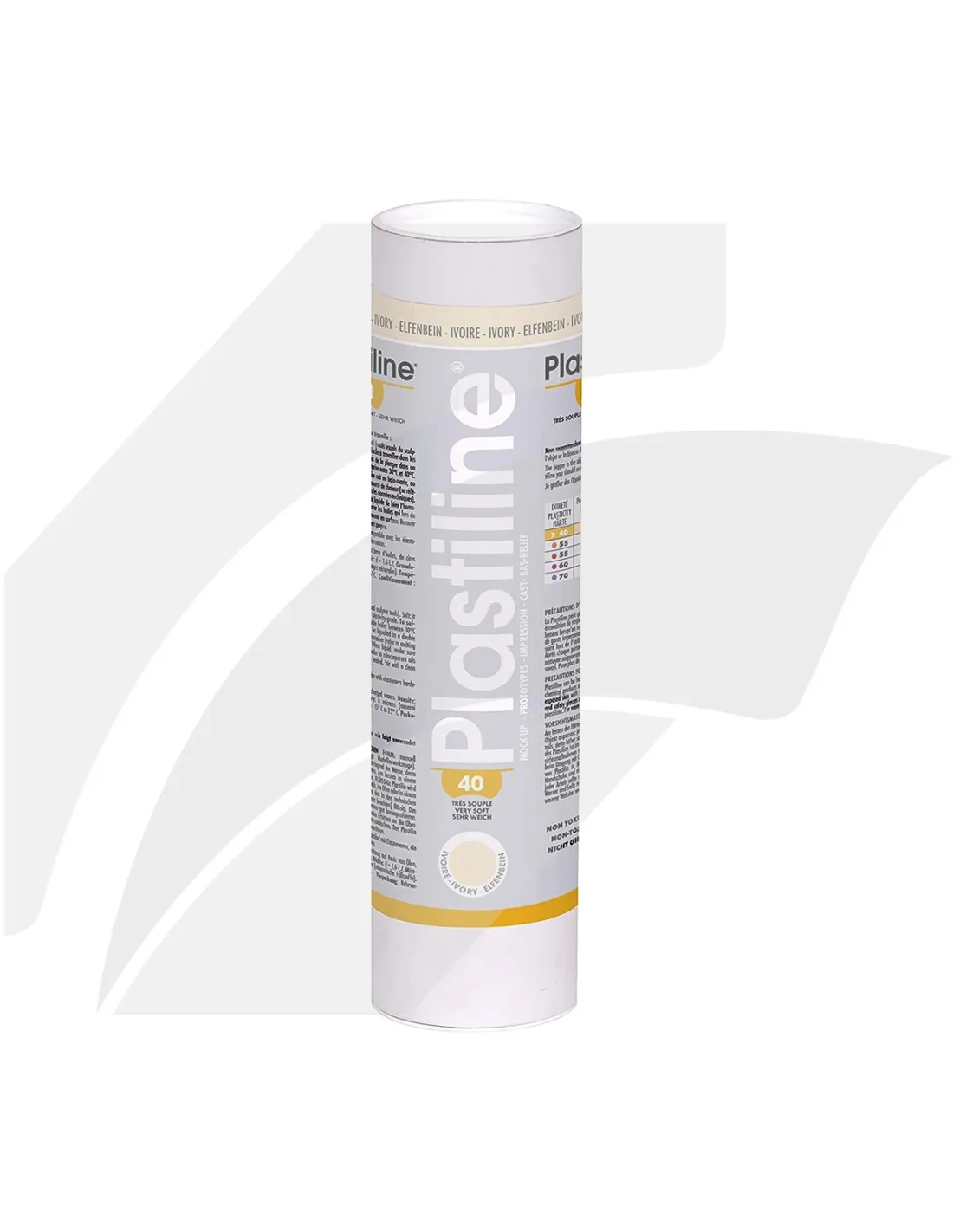
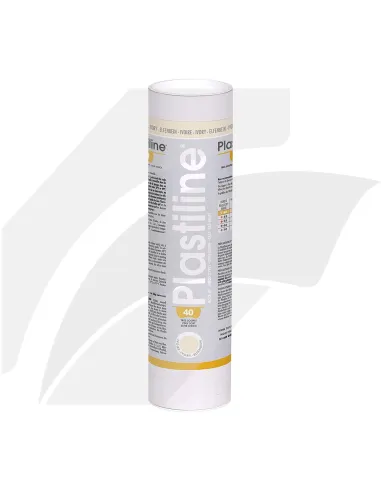
J. HERBIN Hardness 40 - Ivory Color -Professional Modeling-
204303501
€22.00
26,62 € Tax incl.
26,62 € Tax incl.
Professional J. Herbin modelling clay, Hardness 40, ivory colour. Sulphur-free, compatible with condensation silicones. 1 kg reusable.
The J. Herbin Hardness 40 in ivory is a high-fineness professional modelling clay designed for detail sculpture, special effects and stop motion. Its sulphur-free formulation makes it compatible with condensation silicones (tin catalyst), and its reusable nature and stable behaviour at different temperatures make it a reference tool in the professional workshop.
Technical specifications
| Characteristic | Value |
|---|---|
| Hardness | 40 (low-medium) |
| Colour | Ivory |
| Weight per unit | 1 kg |
| Base | Wax and mineral oil (sulphur-free) |
| Silicone compatibility | Condensation (tin) — YES / Addition (platinum) — NO |
| Working states | Solid, softened, liquid (by heat) |
| Reusable | Yes |
| Available in other hardnesses | Yes (range of 5 hardnesses) |
| Available colours | Ivory, dark grey |
What it is used for
The J. Herbin Hardness 40 is the ideal option when you need a clay that is workable from the very start, with good detail response and enough consistency to hold its shape during work. It is commonly used in projects requiring extended modelling or frequent corrections.
- Figurative sculpture and portraits with a high level of detail
- Special effects (FX) for film, television and theatre
- Stop motion: character creation and adjustment frame by frame
- Scale modelling and conceptual prototyping
- Surrounding pieces and building containment walls for condensation silicone moulds
- Correcting details and filling imperfections in originals before moulding
- Designing new shapes based on existing references
How to use it
- Preparation at room temperature: take the clay out of its container and start kneading it with your hands. Body heat will gradually soften it until it reaches the optimal malleability for modelling.
- Controlled heating if necessary: if the environment is cold or you need to speed up the process, you can heat the clay in a bain-marie, in a low-temperature oven or using any heat-safe container. Do not apply direct or excessive heat.
- Use in liquid state: when filling cavities or applying thin layers is required, bring the clay up to the melting point indicated on the packaging. Once liquid, stir with a clean tool to reincorporate any oils that may have separated to the surface.
- Modelling and carving: work the piece with standard sculpting tools. Hardness 40 supports both finger modelling and carving with spatulas and sculpting tools.
- Preparation for the mould: if you are going to use the clay as a containment wall for a condensation silicone, make sure the edges are well sealed to prevent liquid silicone from leaking.
- Reuse: once the work is finished, the clay can be gathered up, kneaded again and reused indefinitely. Store it in its original container or in an airtight container to prevent it from accumulating dust or workshop dirt.
Warning — Incompatibility with addition silicones (platinum): this clay is not compatible with platinum silicones. The compounds present in its formulation can inhibit the curing of any addition silicone it comes into contact with, leaving it tacky or uncured. If you work with platinum silicones, do not use this clay as a contact material, containment wall or support. For those cases, opt for materials certified as inhibition-free.
Usage tips
Choose the hardness according to the size of the piece
Hardness 40 is aimed at small-to-medium sized pieces and work that requires continuous modelling with corrections. For large-format sculptures — full heads, busts, full-body figures — higher hardnesses offer greater structural stability and prevent the piece from deforming under its own weight. If you are just starting out, Hardness 40 is a good starting point due to its workability.
Heat management in the workshop
The ivory colour has a practical advantage: it shows tool marks and textures more clearly, making visual control of the work easier. If the clay softens excessively due to ambient heat or the heat of your hands, leave it to rest for a few minutes at room temperature before continuing. In summer or in warm workshops, take short breaks to maintain consistency.
Tools and cleaning
Use metal or silicone tools for carving fine details; wooden ones can become impregnated with the clay's oil. To clean tools between sessions, a dry cloth or one slightly dampened with isopropyl alcohol is sufficient. Always wear waterproof gloves when handling hot clay and avoid contact with porous surfaces that you may need to keep clean for subsequent moulding.
Frequently asked questions
What hardness of professional modelling clay is best for beginners?
It depends on the type of work and the level of detail you are looking for. In general, low-to-medium hardnesses, such as the J. Herbin Hardness 40, are more comfortable for beginners because they respond well to body heat and allow corrections without the need for special tools. As you progress and work on larger pieces, you can move up in hardness to gain structural stability.
Can I use this clay as a containment wall for making a silicone mould?
Yes, but only with condensation silicones (tin catalyst). J. Herbin Hardness 40 is compatible with this type of silicone and is commonly used to surround pieces, build containment walls or correct details before pouring. Do not use it with platinum silicones (addition), as it can inhibit their curing.
What is the difference between ivory and dark grey colours?
Both colours have exactly the same technical properties and behaviour. The choice is primarily a matter of visual preference. Ivory makes it easier to see textures and tool marks under direct light. Dark grey reduces glare under intense lighting and is widely used in special effects for its tonal similarity to skin in greyscale.
Can the clay be reused once the project is finished?
Yes, J. Herbin clay is completely reusable. Once the work is done, knead it again, remove any dust or dirt and store it in its original container or in an airtight container. It does not lose its properties between uses, as long as it has not been contaminated with incompatible materials.
How do you soften professional modelling clay safely?
The simplest method is hand kneading: body heat is enough to soften Hardness 40 in a few minutes. If you need to soften it faster or in larger quantities, you can heat it in a bain-marie or in an oven at a very low temperature. Avoid direct or excessive heat: if it overheats, the oils may separate and the clay may lose its homogeneity. In that case, stir well until they are reincorporated.
How much clay do I need to model a full head?
A solid life-size head requires between 3 and 5 kg, depending on the level of detail and wall thickness if you are working over an internal structure (armature). If you build the piece over a foam core or lightweight material, you can significantly reduce the amount of clay needed. For a bust with shoulders, estimate between 6 and 10 kg depending on size.
Is it necessary to use a release agent when using this clay in contact with a silicone mould?
It is generally not necessary to apply a release agent between the clay and an already cured condensation silicone, since silicone does not adhere to the clay. However, if the piece has complex geometry or undercut areas, preliminary tests are advisable. For pouring liquid silicone directly onto fresh clay, you can apply a thin layer of release agent if you want to make demoulding easier afterwards.
What precautions should I take when heating the clay?
Always wear waterproof gloves when the clay is hot, as it can cause burns at high temperatures. Do not heat it above the melting point indicated on the packaging. Work in a well-ventilated space. Do not use kitchen containers that you will subsequently use for food.
No reviews
Tap to zoom