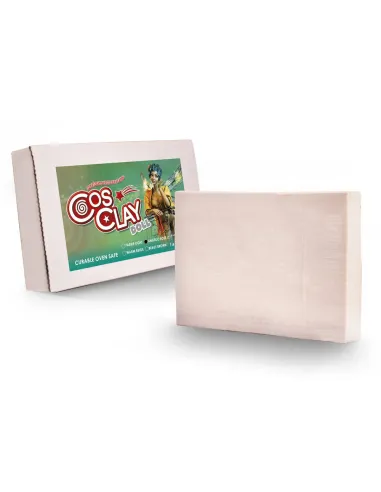
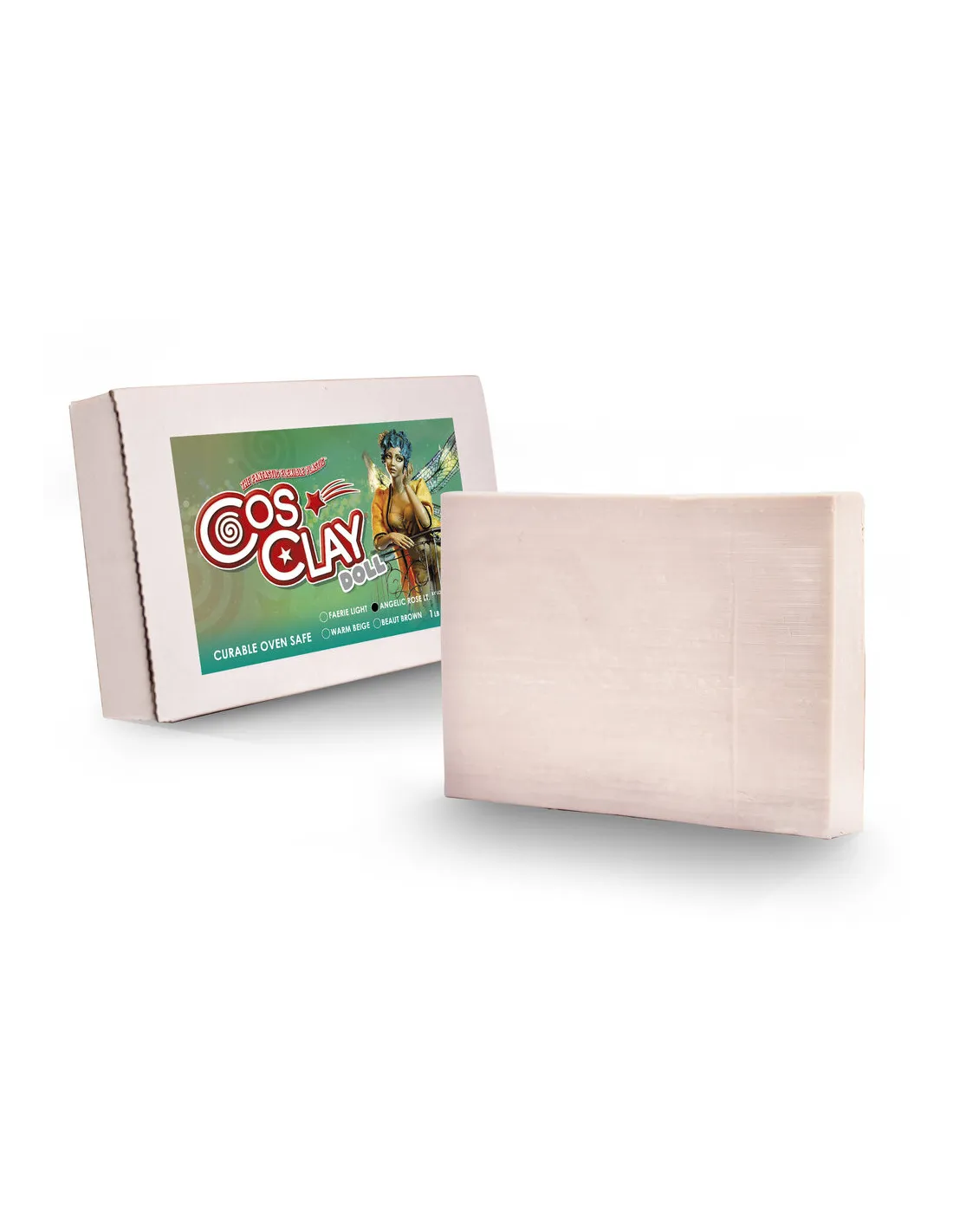
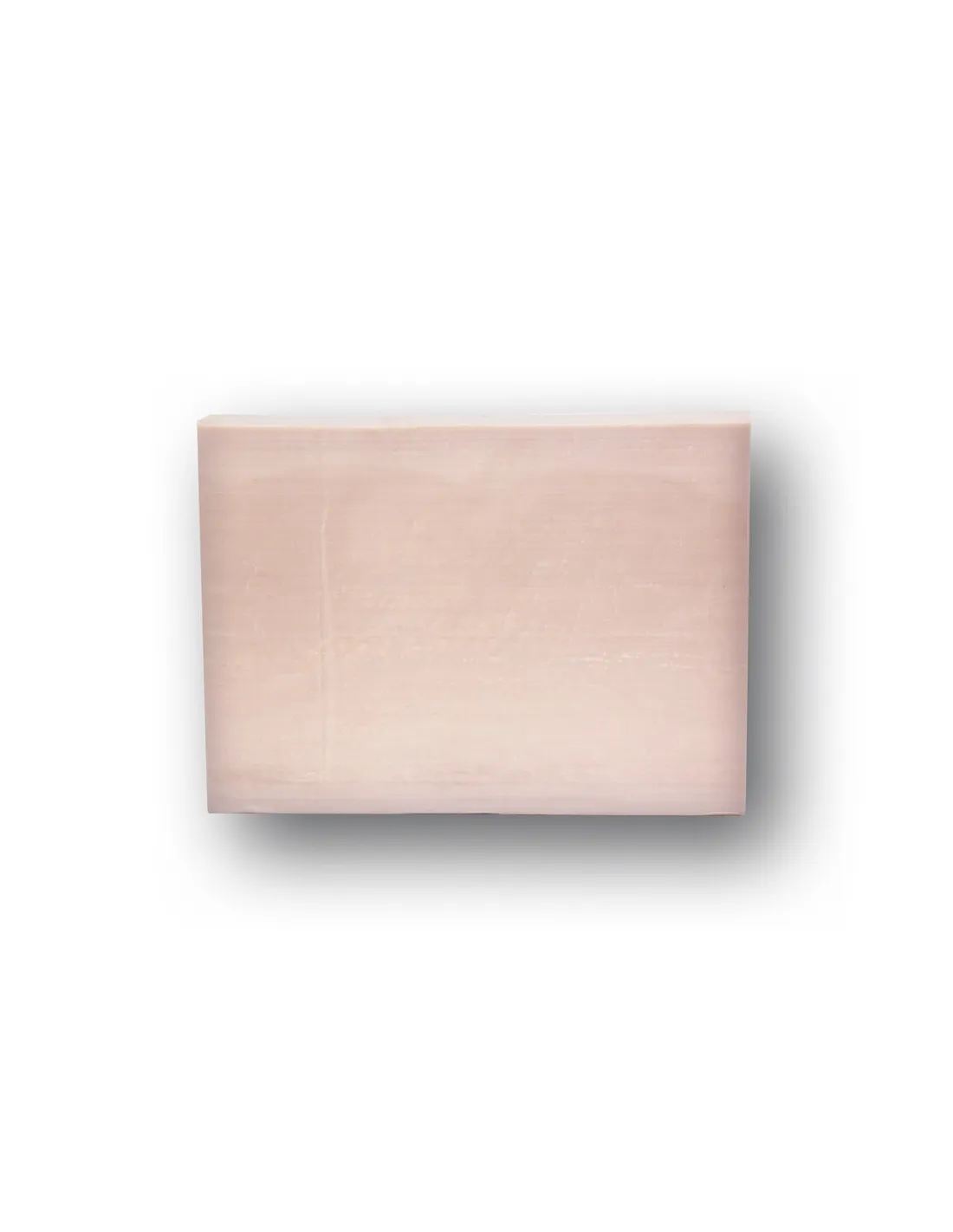
Cosclay Doll Angelic Rose Lite is a plastic/rubber hybrid polymer clay designed for figure sculpting, art dolls and articulated characters. Unlike conventional polymer clays, once oven-cured at 135 °C it retains permanent flexibility, making it resistant to breakage, bending and repeated impact. The Angelic Rose Lite shade — a light flesh pink — reduces the need for base pigmentation in skin work for doll-type figures.
Technical specifications
| Feature |
Detail |
| Material type |
Hybrid polymer clay (plastic/rubber) |
| Colour |
Angelic Rose Lite (light flesh pink) |
| Format |
227 g |
| Curing temperature |
135 °C in a conventional oven |
| Post-cure behaviour |
Flexible and resistant, not brittle |
| Shrinkage/expansion |
No shrinkage or expansion during baking |
| Warp resistance |
High — does not warp or crack in the oven |
| Firmness level |
Medium (Doll range, aimed at figure modelling) |
| Pre-cure state |
Solid and malleable, requires no water or air drying |
What it is used for
Cosclay Doll Angelic Rose Lite is designed for sculptors and artists who need fine, detailed pieces that won't break after curing. The light skin tone makes it especially suitable for human figure work without the need to blend base pigments. Common applications:
- Art doll sculpting (OOAK dolls) and realistic heads
- Articulated figures for Stop Motion — cured pieces withstand repeated movement without breaking
- Fine-detail miniatures: fingers, ears, fabric folds, facial expressions
- Dioramas and miniature scenes requiring flexible and durable elements
- Character prototyping with moving or articulated parts
- Figure restoration and decorative accessories requiring impact resistance
How to use it
- Condition the clay: Work a piece between your hands until it is warm and malleable. If it is very cold and stiff, let it reach room temperature before starting.
- Sculpt your piece: Build the base shape and add details using modelling tools or colour shapers. The clay can be worked in layers without previous layers deforming.
- Check the piece before baking: Make sure there are no trapped air bubbles or very thin unsupported areas. Very thin pieces benefit from a wire armature.
- Preheat the oven: Set the temperature to 135 °C using an independent oven thermometer if possible. Domestic ovens can vary by up to ±20 °C from the dial reading.
- Bake the piece: Place it on baking paper or a flat surface. Curing time varies with thickness: allow approximately 15–20 minutes per 6 mm of thickness.
- Allow to cool: Remove the piece from the oven and let it cool at room temperature. Do not submerge it in cold water — rapid cooling can cause it to lose some of its characteristic flexibility.
- Finishing: Once cold, you can sand, paint with acrylics, apply oil paints to adjust the skin tone, or add more clay and bake again.
Usage tips
Oven temperature: the most critical factor
The most common mistake with any polymer clay is a poorly calibrated oven. Above 150–160 °C the clay may burn and release unpleasant fumes; below 130 °C it may not cure fully and can remain brittle. Invest in an independent oven thermometer — it is the cheapest tool that makes the biggest difference. If using a convection oven, reduce the indicated temperature by around 10 °C compared to a conventional oven.
Colour mixing and gradients
The Angelic Rose Lite shade can be blended with other Cosclay clays from the Doll range to achieve darker or more neutral skin tones. Blending is homogeneous as long as both clays are well conditioned and at a similar temperature. Avoid mixing with polymer clays from other brands without first running a small test: Cosclay's hybrid formulations may behave differently when combined with conventional formulations.
Wire armatures and successive layers
For articulated figures or pieces with long, thin limbs, use an aluminium wire armature covered with clay. This prevents warping in the oven and provides the structural strength needed for repeated movement in Stop Motion. You can add layers of clay over an already-cured piece and bake again without the base deteriorating: Cosclay supports multiple baking cycles without losing its properties.
Frequently asked questions
What is the difference between a flexible polymer clay and a conventional one?
Conventional polymer clays cure into a rigid structure that can break when flexed or struck. Cosclay Doll Angelic Rose Lite uses a plastic/rubber hybrid formulation that, once baked, retains permanent flexibility. The result is a piece that bends without breaking — particularly useful for fingers, ears, thin limbs or any part subject to mechanical stress.
Can I bake the piece multiple times?
Yes. Cosclay supports multiple baking cycles at 135 °C without degrading the properties of already-cured layers. This is very useful for working in stages: you can bake a base, add details and bake again as many times as needed. Always keep the temperature controlled to avoid scorching already-baked areas.
Is it suitable for beginners or does it require prior experience?
Cosclay Doll has a medium firmness that makes it manageable for artists with some modelling experience. It is not the softest clay on the market, but its predictable behaviour and the absence of shrinkage during baking make it easier to work with. If you are just starting out, we recommend beginning with simple pieces before tackling full heads or articulated figures.
Can it be painted after baking?
Yes. Once cured and cold, the surface of Cosclay accepts acrylic paints, oil paints for skin tone adjustments and finishing varnishes. For optimum adhesion, lightly sand the surface with fine-grit sandpaper before painting. Avoid aggressive solvents (acetone, pure mineral spirits) that may attack the surface.
What should I do if the clay is very hard and difficult to work with?
If the clay is cold or has been stored for a while, it may be stiffer than usual. Warm it between your palms for several minutes or place it briefly under a heat lamp (without exceeding 40–50 °C). Avoid the microwave — uneven heat can partially pre-cure areas of the clay before sculpting.
How do I store clay I am not going to use?
Wrap leftover blocks in cling film or store them in an airtight bag, away from direct light and heat. Polymer clay does not dry out in air, but prolonged heat (for example, inside a car in summer) can trigger partial curing. Properly stored, it retains its properties for years.
Does it inhibit the cure of platinum silicones?
Yes. Like most polymer clays, Cosclay can inhibit the cure of platinum (addition) silicones if it comes into direct contact with them. If you are making a platinum silicone mould over an already-cured Cosclay piece, always seal the surface with acrylic lacquer and allow it to dry completely before applying the silicone. tin silicones (condensation) do not present this problem.
Can I use it alongside other polymer clays?
Cosclay can be blended with other clays from the same range to adjust shades or firmness. For blends with conventional polymer clays such as Super Sculpey Beige or Super Sculpey Firm Gray, always run a small test first: the curing temperature must be compatible and the blend may alter the final level of flexibility.