Shopping Cart


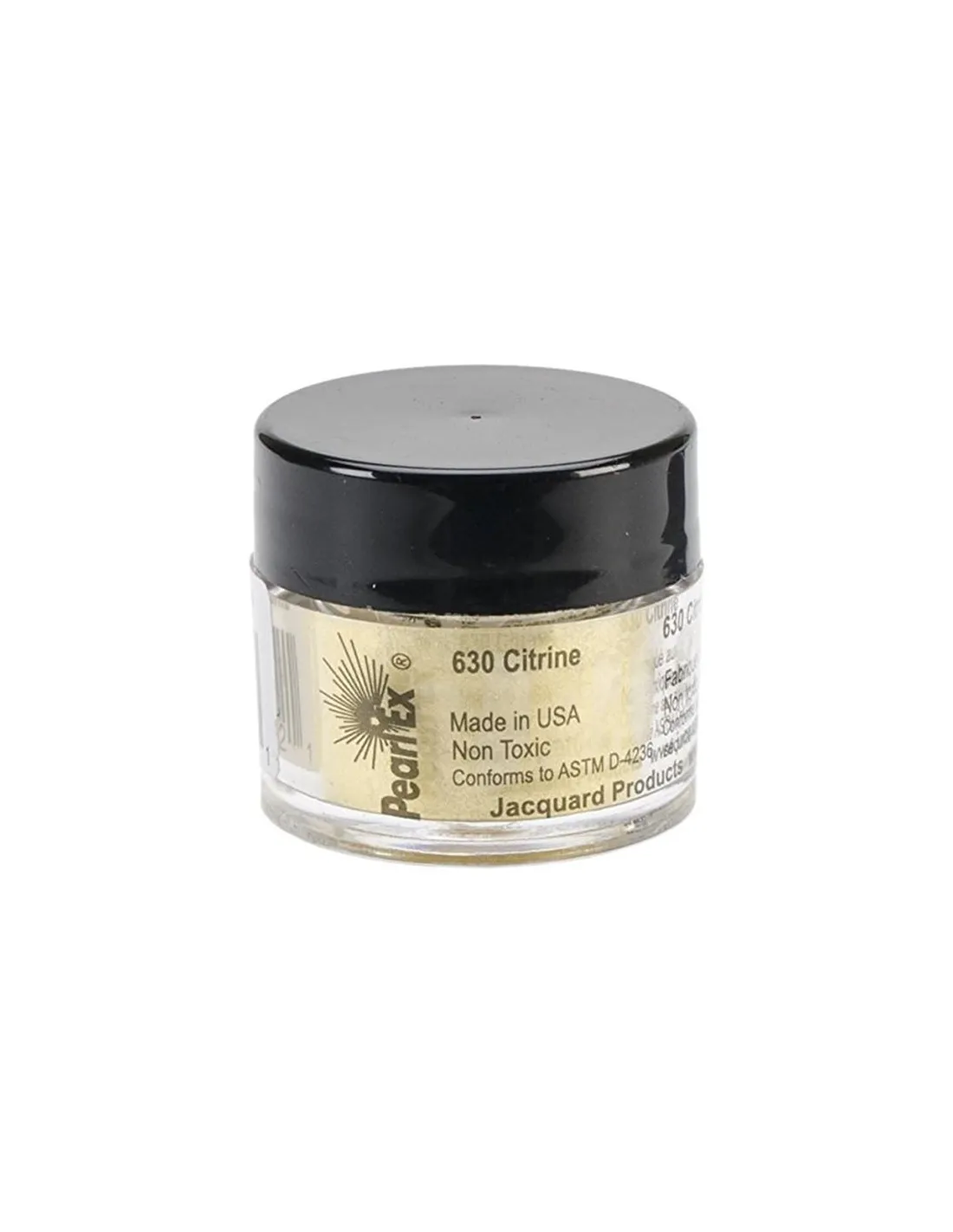
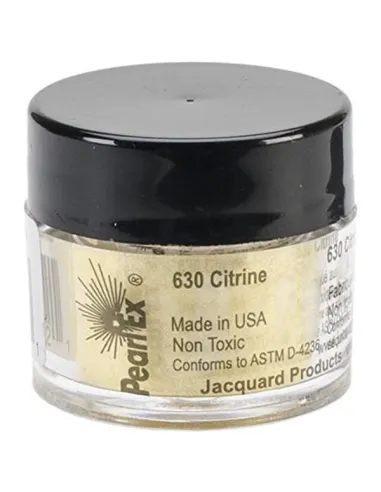
Jacquard Pearl Ex Powder Pigments
638363000
Product available with different options
€4.00
4,84 € Tax incl.
4,84 € Tax incl.
Jacquard Pearl Ex pearlescent and metallic powder pigments. Inert, stable and compatible with resins, acrylics, inks and more. 3 g jar.
Jacquard Pearl Ex powder pigments are a well-established reference for achieving high-quality metallic and pearlescent effects without using real metals. They are inert, time-stable and compatible with a wide variety of materials: transparent epoxy resins, acrylics, alcohol inks, varnishes, clays and much more. If you're looking for an effect that won't tarnish or fade, these pigments are the right choice.
Technical specifications
| Format | Fine powder |
|---|---|
| Content per jar | 3 g |
| Pigment type | Pearlescent / metallic |
| Nature | Inert and safe |
| Colour stability | Very high — will not tarnish or fade |
| Cosmetic use | Not recommended — developed as an art material |
| Brand | Jacquard |
What they are used for
Pearl Ex pigments are extraordinarily versatile. Their small particle size and inert nature make them compatible with virtually any liquid or semi-solid base. Depending on the particle size of the chosen colour, you can achieve anything from a soft pearlescent sheen to a very metallic and brilliant finish.
- Transparent casting epoxy resins: the pigment stays suspended and creates deep metallic reflections
- Acrylic and oil paints for decorative or artistic effects
- Alcohol inks for fluid art and marbling techniques
- Encaustics and waxes for engraving or artistic bookbinding
- Polymer clays and modelling pastes
- Varnishes and lacquers as a finish coat with a pearlescent effect
- Glues and adhesives for bookbinding, handmade jewellery and scrapbooking
- Primers and inks for screen printing or handmade printing
How to use
- Choose the Pearl Ex colour according to the desired effect: gold and copper tones for more metallic finishes, silver or iridescent tones for soft pearlescent effects.
- If you are mixing it into epoxy resin, first prepare the resin and hardener mixture according to the manufacturer's instructions.
- Add the Pearl Ex powder pigment gradually to the chosen base (resin, acrylic, varnish…). The usual amount ranges between 1% and 5% by weight of the total, although you can adjust according to the desired intensity.
- Mix thoroughly with a spatula or stirrer until the pigment is perfectly distributed and there are no visible lumps.
- Apply the mixture to your substrate with a brush, pour into a mould, or spread according to the technique used.
- Allow to cure or dry according to the base material's times. The metallic or pearlescent effect will be visible once the material has fully hardened or dried.
- If the final finish requires greater surface gloss, you can polish with PolarShine 10 (fine paste) or PolarShine 35 (coarse paste) for cured epoxy resins.
Usage tips
Amount and concentration
A very small amount already produces an intense effect. Start with a small dose (1–2% by weight) and keep adding until you achieve the result you are looking for. In transparent resins, low doses create a subtle shine that allows you to see through the material; high doses generate an almost opaque and very metallic finish.
Dry application on surfaces
Pearl Ex pigments can also be applied directly as a powder onto a surface with adhesive or fresh varnish, rubbing with a finger or a soft brush. This technique is very common in artistic bookbinding and mixed media: a metalised finish is obtained without needing to mix the pigment into any liquid base.
Storage and handling
Close the jar tightly after each use to prevent the powder from becoming contaminated with moisture or external particles. Work in a well-ventilated space and avoid inhaling the fine powder. Although the pigment is inert and safe, as a general practice it is advisable to use a particle mask when handling fine powders of any kind. Remember that Pearl Ex pigments are designed as an art material and are not suitable for cosmetic use.
Frequently asked questions
Are these powder pigments safe to work with at home or in a workshop?
Yes. Pearl Ex are inert and stable pigments, with no known toxic components for use in art and workshop settings. As with any fine powder, it is recommended to work in a ventilated space and avoid direct inhalation. They are not formulated for cosmetic or food use.
Do they work well in transparent epoxy resins?
Yes, it is one of their most common applications. Pearl Ex pigments disperse well in low-viscosity epoxy resins and create very striking metallic and pearlescent effects. They can be mixed directly into the resin once the mixture with the hardener has been prepared.
How much pigment should be added to achieve a good effect?
It depends on the desired intensity and the base material. As a starting point, between 1% and 5% by weight is usually sufficient. In transparent resins, low doses create subtle and translucent effects; higher doses produce opaque and very metallic finishes.
Can several pigment colours be combined?
Yes. Pearl Ex pigments can be mixed with each other to create custom shades. They can also be combined with other powder pigments, although it is always advisable to do a small test beforehand to verify the result before applying it to the final project.
Does the metallic effect last over time or does it degrade?
Pearl Ex pigments contain no real metals, which means they do not oxidise, tarnish or lose their shine over time. Colour stability is very high, especially when used embedded in a cured resin or under a protective varnish layer.
Are they compatible with alcohol inks?
Yes. Pearl Ex pigments are compatible with alcohol inks and are commonly used in fluid art and alcohol ink painting techniques to add metallic or pearlescent sparkle. They can be mixed directly into the ink or applied as a powder onto the wet surface.
What is the difference between Pearl Ex and other pigments for resins?
Pearl Ex pigments stand out for their pearlescent and iridescent effect, which results from their layered particle structure. If you are looking for solid opaque colours without a metallic effect, the paste pigment or PolyColor Dyes are more suitable options. If you want a denser and more heavily loaded metallic finish, Magic Powder offers a different effect with greater apparent weight.
How do you clean tools or surfaces after working with these pigments?
Dry powder pigment residue is easily removed with a dry cloth or by vacuuming. If the pigment is mixed with uncured epoxy resin, you can clean tools with Epoxi Cleaner before the material cures.
No reviews
Tap to zoom