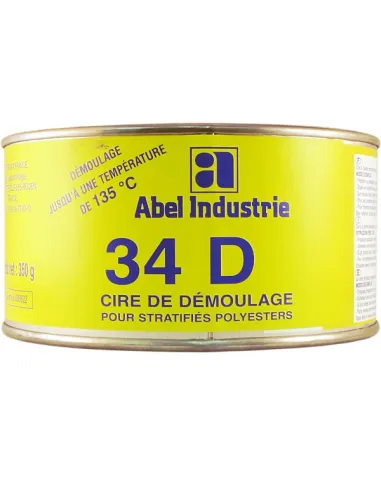
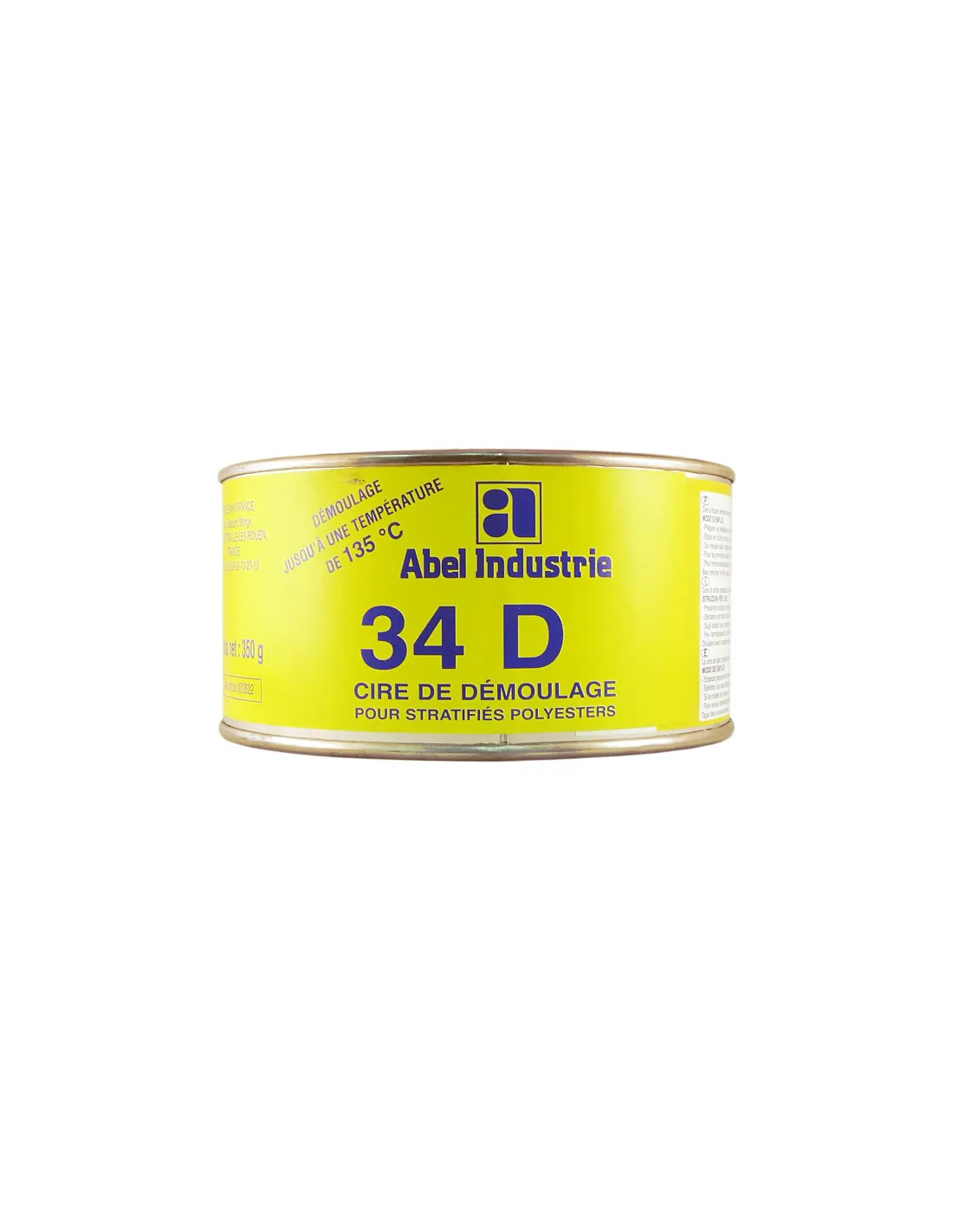
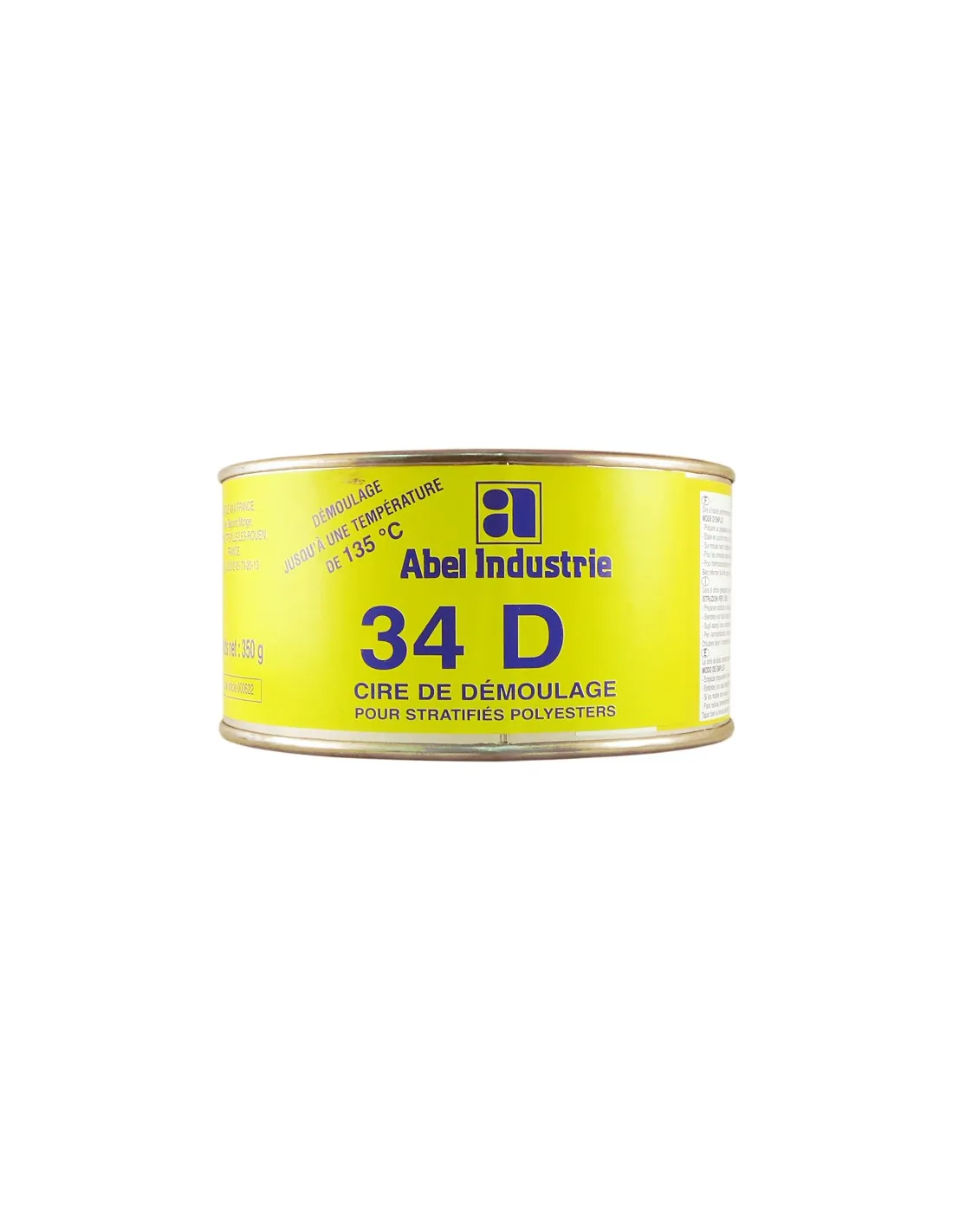
The Desmoldeante 34D is a wax-based paste Release agent designed to facilitate demolding in all types of rigid molds. It creates an effective separation layer between the mold and the cast material, protects the mold surface from wear and guarantees clean finishes on every release. If you need reliability, ease of application and versatility across different casting materials, this is the standard reference in the workshop.
Technical specifications
| Parameter |
Value |
| Type |
Wax-based paste Release agent |
| Presentation |
Paste |
| Application method |
Manual application with a soft cloth or rag |
| Suitable for |
New and production rigid molds |
What it is used for
The Desmoldeante 34D is designed to prepare and maintain rigid molds of any type, facilitating the release of cast parts and protecting the mold surface from adhesion and wear. It is suitable both for the initial preparation of new molds — where the wax acts as both a sealer and a Release agent — and for the maintenance of molds already in serial production.
- Demolding of polyurethane resin parts cast in rigid molds
- Initial preparation of fiberglass, laminated polyester and other rigid material molds
- Preventive maintenance of molds in serial production
- Protection of mold surfaces against adhesion from resins and other cast materials
- Use in special effects workshops, prototyping and composites manufacturing
- Separation between plaster molds and decorative casting materials
How to use it
- Clean the mold: make sure the surface is free of dust, grease and residues from previous castings. On new molds, remove any manufacturing residue.
- Apply the wax: take a small amount of Desmoldeante 34D with a clean, dry cloth and spread it in thin, even layers over the entire mold surface, leaving no areas uncovered.
- Let it dry: wait until the applied layer forms a whitish haze. This indicates the wax has dried correctly and is ready to be buffed.
- Buff: rub with another clean, dry cloth until a shiny, even finish is achieved. Excess wax must be removed at this stage.
- Repeat the process on new molds: for initial preparation, apply 3 to 5 consecutive coats following the steps above before making the first cast.
- Maintenance: on molds already in production, apply a new coat of Desmoldeante 34D every certain number of castings according to observed wear. A good indicator is when demolding starts to require more effort.
- Cast the material: once the wax coat is perfectly shiny, proceed with casting the chosen material.
Usage tips
Preparing new molds: don't skimp on coats
A new mold, regardless of the material it is made from, is especially porous and absorbent. The most common workshop practice is to apply between 3 and 5 coats of wax before the first casting, letting each one dry and buffing separately. Skipping this step is the most frequent cause of the first part sticking to the mold and damaging its surface.
Thin coat is key: more is not better
A common mistake is applying too much wax at once thinking it will provide more protection. The result is the opposite: a thick coat does not dry properly, does not buff correctly and can leave marks or transfer to the cast part. The key is to apply thin coats, let them dry until the whitish haze appears and buff them well before adding the next one.
Compatibility with casting materials
The Desmoldeante 34D is compatible with polyurethane, polyester and epoxy resins cast in rigid molds. Note that it is not suitable for use directly on silicone molds: for that case, the Ferosil V 32 Desmoldeante en Pasta para Siliconas is the appropriate option. It also does not replace a specific curing agent or sealer when the mold requires one.
Frequently asked questions
How many coats should be applied before the first casting?
For new molds, it is recommended to apply between 3 and 5 coats of Desmoldeante 34D, letting each one dry and buffing before applying the next. This process seals the mold's pores and ensures the first part releases without problems. On molds already in use, one coat is sufficient if maintenance is regular.
How do I know the wax has dried correctly?
The sign that the Desmoldeante 34D has dried correctly is the appearance of a whitish haze on the mold surface. At that point, you can buff it with a clean, dry cloth. If you buff before that haze appears, the wax will not have cured properly and the result will not be optimal.
Is it compatible with any type of rigid mold?
Yes, the Desmoldeante 34D is suitable for rigid molds in general: fiberglass, laminated polyester, plaster, lacquered wood, metal and other hard substrates. It is not suitable for silicone molds, where you must use a Release agent specifically formulated for silicones.
What resins can I cast over this Release agent?
The Desmoldeante 34D is compatible with polyurethane, polyester and epoxy resins. It is a standard choice in composites, prototyping and special effects workshops where these types of materials are used on rigid molds.
Can I use this Release agent for making silicone molds?
Not directly. If you need to release silicone from a rigid mold or prepare a surface onto which to cast silicone, you must use a Release agent specifically formulated for silicones. The Ferosil V 32 is the appropriate option for that use within the Feroca catalogue.
How often should the wax be reapplied on production molds?
It depends on the casting material, the complexity of the mold and the number of parts produced. A good indicator is when demolding starts to require more force or when the released part shows signs of adhesion. In intensive production, applying a coat every 5–10 castings is a common practice, although each workshop should adjust this based on their own experience.
Can the wax transfer to the cast part and affect the finish?
If applied correctly — thin coat, well buffed — the Desmoldeante 34D does not leave noticeable residues on the part. The problem arises when it is applied in excess or not buffed properly: in that case there may be wax transfer to the part's surface. Always apply in a thin coat and remove the excess by buffing with a clean cloth.
Can the demolded part be painted or post-processed without issues?
Generally yes, although if the part is to receive paint or another finish, it is advisable to clean it to remove any wax residue that may have transferred. A clean with water and mild soap, or with a gentle solvent, is sufficient before proceeding with painting or bonding.
How much product do I need?Calculate the exact amount before buying and avoid wasting material.
Go to the calculator →