Shopping Cart



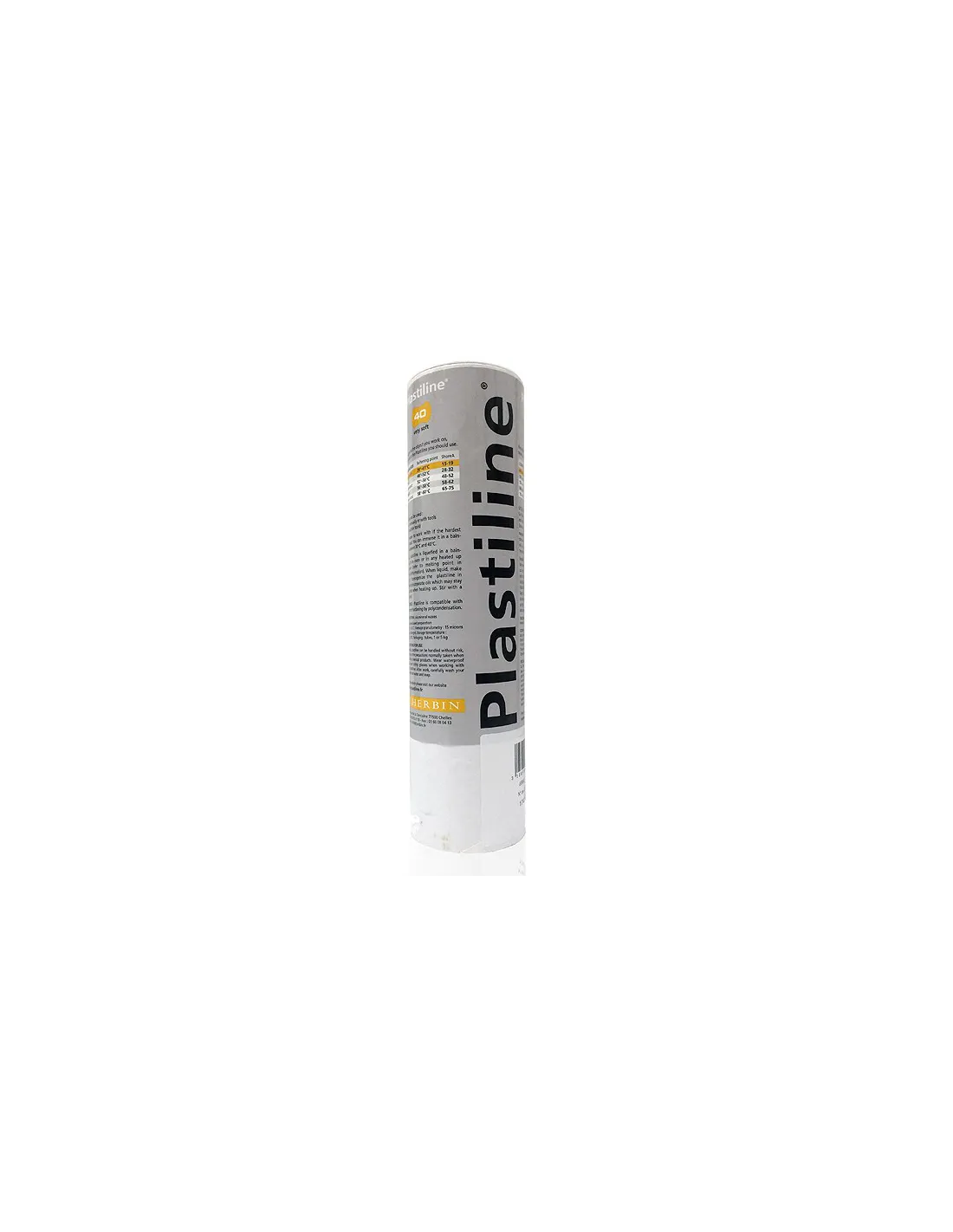
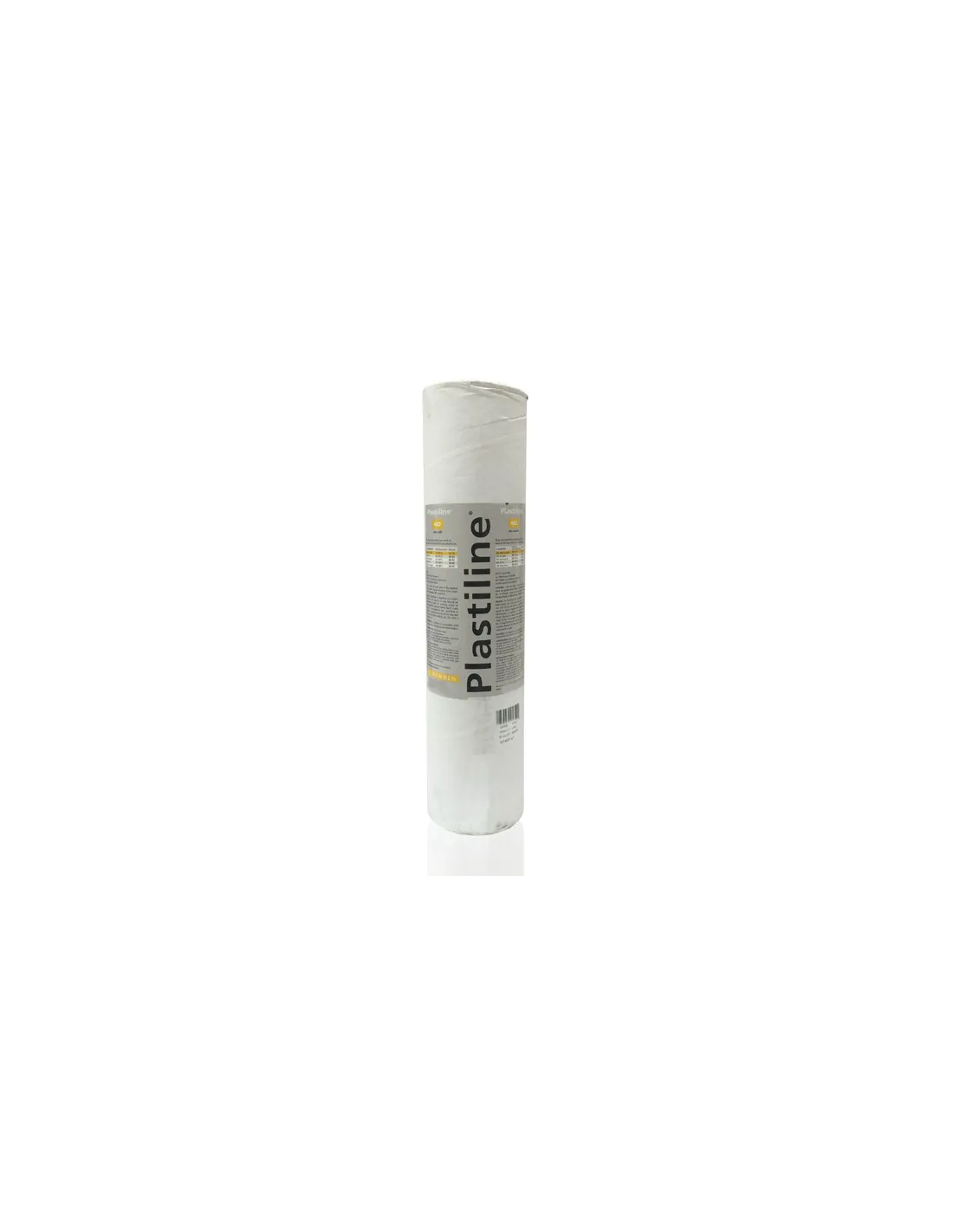
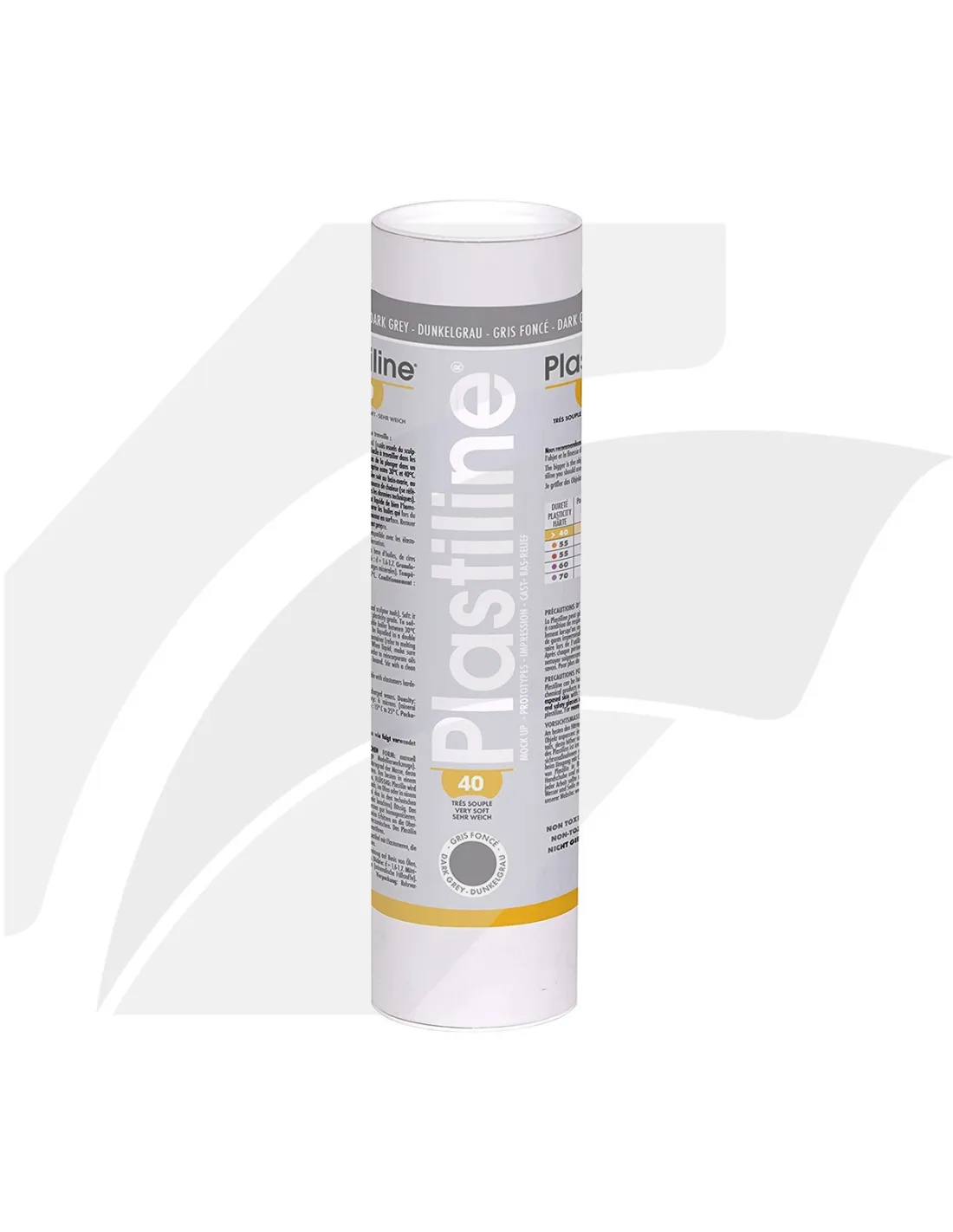
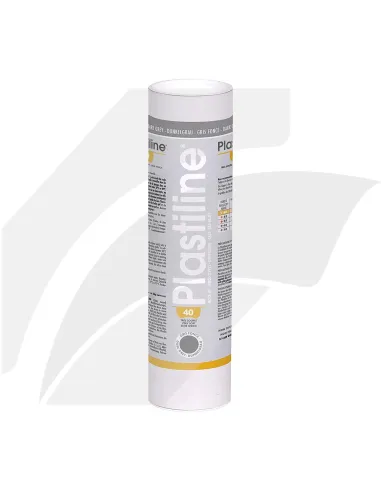
J. HERBIN Hardness 40 -Professional Modeling Plastiline-
204303401
€18.00
21,78 € Tax incl.
21,78 € Tax incl.
Professional J. Herbin dark grey modelling clay, hardness 40. Does not harden in air, reusable. Compatible with condensation silicones. 1 kg.
J. Herbin Hardness 40 in dark grey is a professional modelling clay formulated for high-precision sculpture, prototyping and preparation of originals intended for moulding. With a medium-low hardness it responds well to tools, holds detail with precision and does not harden in air, allowing it to be reused indefinitely. It is the reference choice when working with condensation (tin) silicones, with which it is fully compatible.
Technical specifications
| Parameter | Value |
|---|---|
| Brand | J. Herbin |
| Hardness | 40 (medium-low) |
| Colour | Dark grey |
| Format | 1 kg |
| Base | Professional modelling clay (does not harden in air) |
| Reusable | Yes |
| Compatible with condensation (tin) silicones | Yes |
| Compatible with addition (platinum) silicones | No |
| Working states | Solid, softened or liquid (by heat) |
| Other colours available in the range | Ivory |
| Hardness levels available in the range | 5 levels |
What it is used for
J. Herbin Hardness 40 is an all-round tool in the professional workshop. Its medium-low hardness makes it especially manageable for medium-sized pieces with moderate to high detail, without demanding the physical effort of higher hardnesses. It is also the material of choice for blocking out parting lines and preparing the split line before pouring silicone.
- Professional artistic sculpture and modelling
- Special effects for film, television and theatre (FX)
- Stop motion: character and animated prop fabrication
- Modelmaking and piece prototyping
- Preparation of originals intended for moulding with condensation silicones
- Blocking out parting lines and rectifying detail on the piece
- Fill-ins, corrections and adjustments on already-built maquettes or models
How to use it
- Condition the material: at workshop temperature (18–22 °C) the clay is already workable. If it is too firm, warm it gently with a hot air dryer or place it in an oven at low temperature (40–50 °C maximum) for a few minutes. Do not overheat it to avoid loss of consistency.
- Model by hand or with tools: knead the required amount with your hands to finish softening it. Work with spatulas, sculpting tools or styluses to add detail. Hardness 40 allows medium textures and defined edges without the material deforming on its own.
- Refine the surface: to smooth, use a little white spirit applied with a fine brush or a cloth, or gently heat the surface with the dryer to slightly melt out tool marks.
- Prepare the piece for the mould: if you are making a mould with condensation silicone, you can pour directly onto the J. Herbin original without a prior release agent (though a thin coat never hurts for very complex pieces). If the mould is to be platinum silicone, do not use this material as an original: it inhibits the cure.
- Demould and reuse: after demoulding, recover the clay remnants, clean off any silicone residue and store them wrapped in cling film for the next use.
Warning — platinum silicone inhibition: J. Herbin, like most professional modelling clays, contains compounds that inhibit the cure of addition (platinum) silicones. If you use this clay as an original or as a blocking material and then pour a platinum silicone, the rubber will remain tacky or uncured in the contact areas. Use exclusively condensation (tin) silicones with this material, or seal the original with a solvent-based lacquer before using platinum silicone.
Usage tips
Choose the hardness according to the level of detail
The J. Herbin range offers five hardness levels. Hardness 40 is a versatile option for medium-sized pieces with moderate detail. If you need very fine lines and sharp edges on small pieces, consider a higher hardness. If you are working on large pieces or need to cover volume quickly, a lower hardness may be more comfortable. Always test on a small portion before starting the final piece.
Temperature control in the workshop
Modelling clay is sensitive to ambient temperature. In summer or in warm workshops it can become too soft and lose definition in the finest details; in winter it can be very stiff and hard to handle. Keep the block in a cool place when not in use and work in small portions that you can condition as needed. To soften specific areas of the sculpture without affecting the whole, use the dryer at a distance with short movements.
Storage and reuse
Always wrap leftover clay in cling film or store it in an airtight container to prevent dust or particles accumulating that would later appear in the sculpture. Modelling clay does not expire if stored correctly. Before reusing material that has been in contact with cured silicone, remove rubber remnants by hand or with a spatula: small pieces of silicone embedded in the clay can cause imperfections in the next piece.
Frequently asked questions
What is the difference between the various hardness levels of a professional modelling clay?
The higher the hardness, the more resistance the material offers to tools and the higher the level of fine detail that can be achieved without the surface deforming. Lower hardnesses are easier to handle by hand and work well for large volumes and organic shapes. J. Herbin Hardness 40 sits in the medium-low range: it is manageable without excessive effort and allows very decent detail for most professional applications.
Can this clay be used directly as an original to make a mould?
Yes, as long as the mould is made of condensation (tin) silicone. J. Herbin Hardness 40 is fully compatible with this type of silicone and does not interfere with the cure. If the mould is to be platinum silicone, do not use it in direct contact: the compounds in the clay inhibit the cure and the mould will be unusable.
How do you correctly heat a professional modelling clay?
The most controlled method is with a hot air dryer at a moderate distance, applying heat in short movements over the area you want to soften. You can also place the entire block in an oven at low temperature (40–50 °C) for a few minutes. Avoid the microwave or direct heat sources: uneven heating can change the consistency in a way that is difficult to reverse.
Does this clay harden over time or in air?
No. J. Herbin is a non-drying modelling clay: it does not harden in air or at ambient temperature. This is precisely what makes it reusable and allows the sculpture to be corrected at any time. If you need a material that hardens to obtain a definitive rigid piece, you need a polymer clay or an epoxy putty, not a clay of this type.
Why dark grey and not another colour?
Dark grey facilitates the reading of raking light on the surface of the sculpture, which helps detect imperfections, unevenness and transitions. It is the preferred colour in professional sculpture and FX for precisely this reason. The J. Herbin range is also available in ivory for those who prefer a lighter tone.
Can it be mixed with other clays or modelling materials?
Technically yes, but it is not recommended to mix clays of different formulations because you can alter both the hardness and the compatibility with silicones. If you want an intermediate hardness level between two ranges, it is better to use temperature to adjust the consistency at the time of working, or simply choose the most suitable hardness directly within the J. Herbin range itself.
How much clay do I need to model a full head or bust?
It depends on whether you model over an internal core (wire, foam, polystyrene) or start from scratch. With an internal core, a life-size head usually requires between 1 and 2 kg. A bust up to the shoulders may require 3–5 kg depending on wall thickness. For large pieces it is advisable to combine a lightweight core with the clay as the outer detail layer.
Is it suitable for stop motion?
Yes. J. Herbin Hardness 40 is commonly used in stop motion for making characters and animated props. Its medium-low hardness allows elements to be deformed and repositioned easily between frames, and the dark grey colour photographs well under studio lighting. For parts requiring greater structural rigidity (long limbs, thin elements) it can be useful to combine it with armature wire on the inside.
No reviews
Tap to zoom