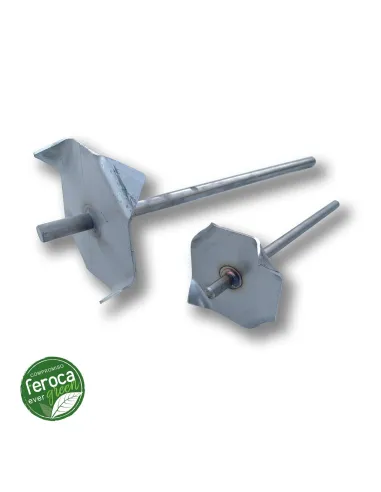
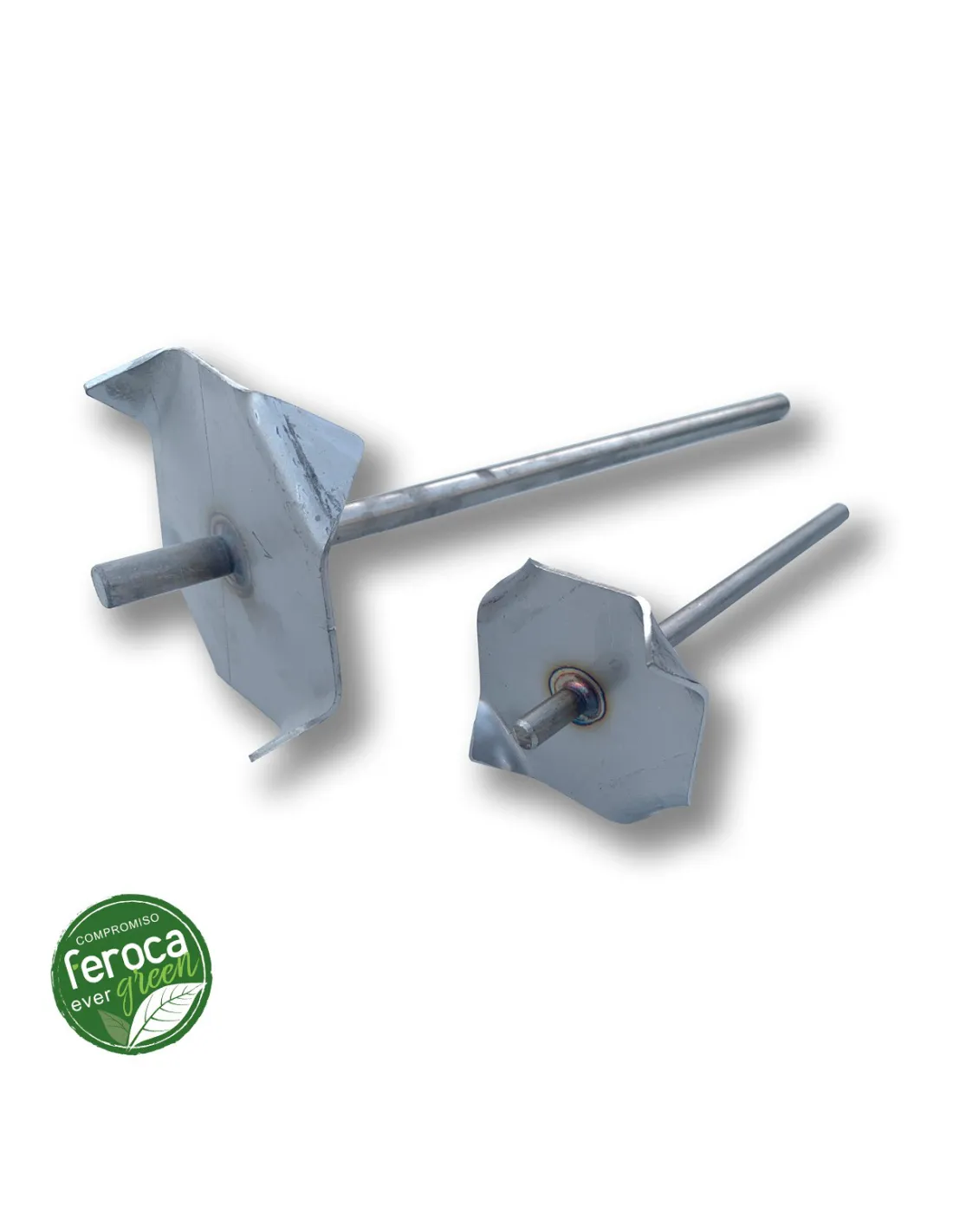
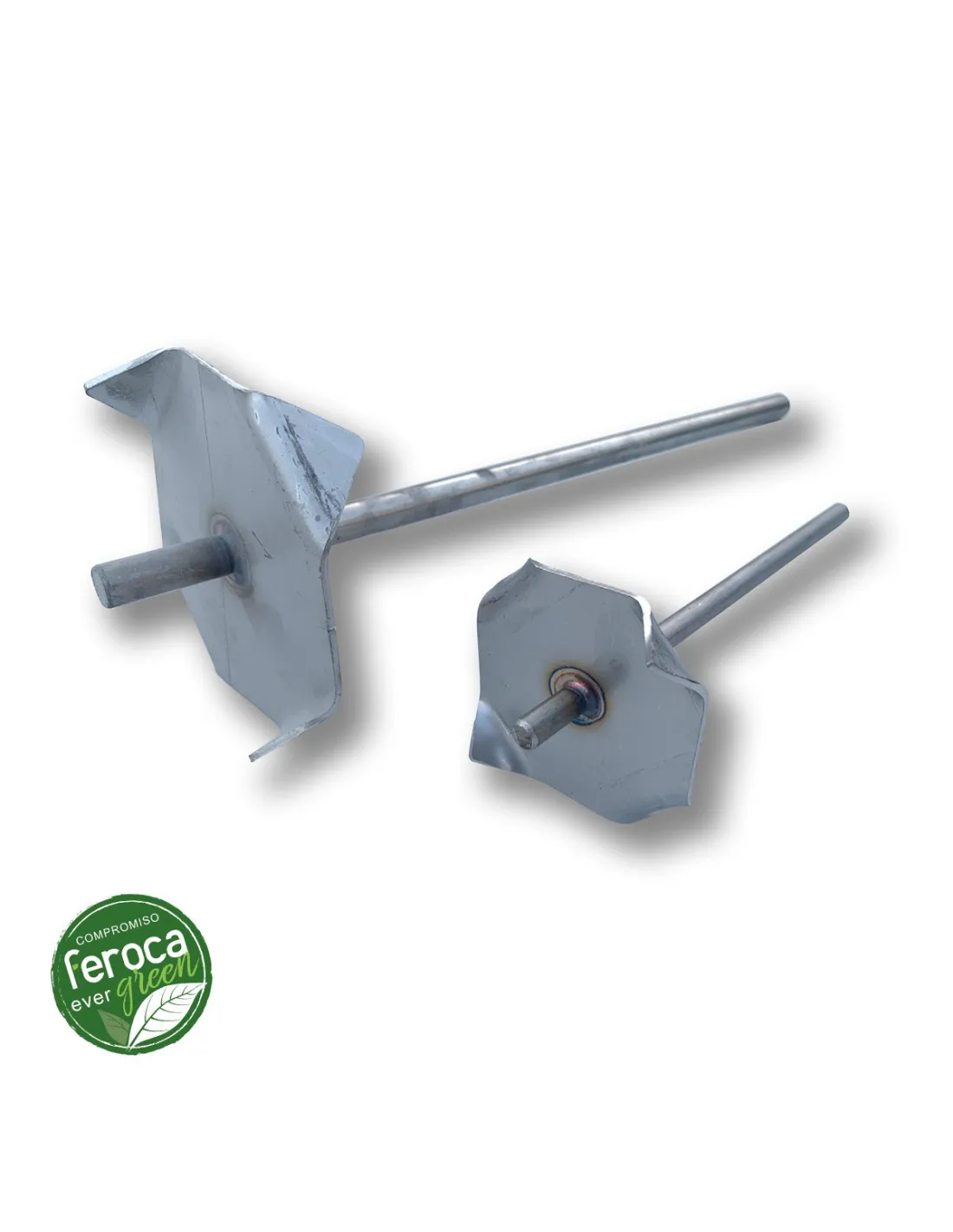
The high-shear mixing paddle is an essential tool for working with composite acrylic materials such as Jesmonite or Acrystal. Specifically designed to integrate the powder base with the acrylic liquid, its geometry reduces air incorporation and ensures a homogeneous, lump-free mix ready to use. Available in two diameters to suit your working volume.
Technical specifications
| Feature |
Detail |
| Material |
Stainless steel |
| Available diameters |
65 mm / 105 mm |
| Action type |
High shear |
| Compatibility |
Any standard drill chuck (drill or professional mixer) |
| Recommended use |
Mixing acrylic powder bases with acrylic liquid |
What it's used for
These paddles are designed to efficiently mix composite acrylic materials, achieving complete dispersion of the powder into the liquid without generating bubbles or leaving unmixed nodules. They are workshop tools intended for repeated use in small, medium and large volume productions.
How to use it
- Select the appropriate paddle size based on the mix volume: 65 mm for small quantities, 105 mm for larger volumes.
- Insert the paddle into the drill chuck or professional mixer and tighten securely.
- Add the acrylic liquid to the mixing container first.
- Add the powder base over the liquid, always respecting the ratio indicated by the material manufacturer.
- Submerge the paddle into the mix before starting the motor to avoid splashing.
- Mix at medium-low speed for the necessary time until a uniform, lump-free consistency is achieved.
- Stop the motor before removing the paddle from the container.
- Clean the paddle immediately after use with water (while the material is still fresh) to extend its service life.
Usage tips
Choose the right size
The 65 mm diameter is ideal for mixes between 0.5 and 2 kg, working in buckets or small containers. The 105 mm diameter is designed for larger volumes, where you need greater coverage of the container's cross-section to ensure the entire mass is integrated. Using a paddle that is too small in a large container leaves unmixed areas at the bottom and sides.
Mixing speed and air bubbles
The high-shear action of these paddles helps reduce air incorporation, but speed also matters. Always mix at medium-low speed and use circular upward and downward movements to recirculate the material from the bottom. Avoid high speeds that cause a central vortex, as this introduces large amounts of air into the mix and can affect the final finish of the piece.
Maintenance and cleaning
Stainless steel makes cleaning easier, but you need to act quickly. Composite acrylic materials set within minutes; if you allow the material to cure on the paddle, subsequent cleaning becomes considerably more difficult. Clean with plenty of water immediately after each mix. If the material has already started to set, soak the paddle in water before scrubbing.
Frequently asked questions
What type of drill do I need to use these paddles?
Any conventional drill with a standard chuck is compatible. For continuous work or high-volume productions, a professional low-speed mixer with higher torque is recommended, as it offers greater speed control and reduces operator fatigue.
Can I use these paddles for materials other than composite acrylics?
Yes. Their stainless steel construction and shear geometry make them suitable for mixing other workshop materials of similar consistency, such as plasters, decorative cements or pastes. They are not suitable for very fluid materials (low-viscosity resins) or for highly abrasive materials at high concentrations.
What is the difference between mixing by hand and using these paddles?
Manual mixing with a spatula does not guarantee the homogeneity required in materials such as Jesmonite or Acrystal. The high-shear paddle fully integrates the powder into the liquid, eliminates nodules and reduces mixing time, which is key when the material has a limited working window. Mechanical mixing also improves batch-to-batch reproducibility.
At what speed should I mix?
It is recommended to work at medium-low speed, approximately between 300 and 600 rpm, to avoid the formation of vortices that incorporate air. Efficient mixing does not depend on high speed, but on the correct movement of the paddle within the container.
What container size should I use with each paddle?
The 65 mm paddle is suitable for containers of approximately 1 to 5 litres. The 105 mm paddle works best in containers of 5 litres and above. As a general rule, the paddle diameter should be between one third and one half of the container's internal diameter for effective mixing.
Are they reusable?
Yes, they are made from stainless steel for continuous workshop use. With proper cleaning after each use, their service life is very long. If the material sets on the paddle and cannot be fully cleaned off, it may affect the mixing geometry in subsequent uses.
Can I use the 105 mm paddle for small mixes?
It is not recommended. In small containers, a 105 mm paddle may touch the container walls and prevent efficient mixing. For small quantities, always use the 65 mm paddle, which will give you greater control and a better result.
How much product do I need?Calculate the exact amount before buying and avoid wasting material.
Go to the calculator →