Shopping Cart


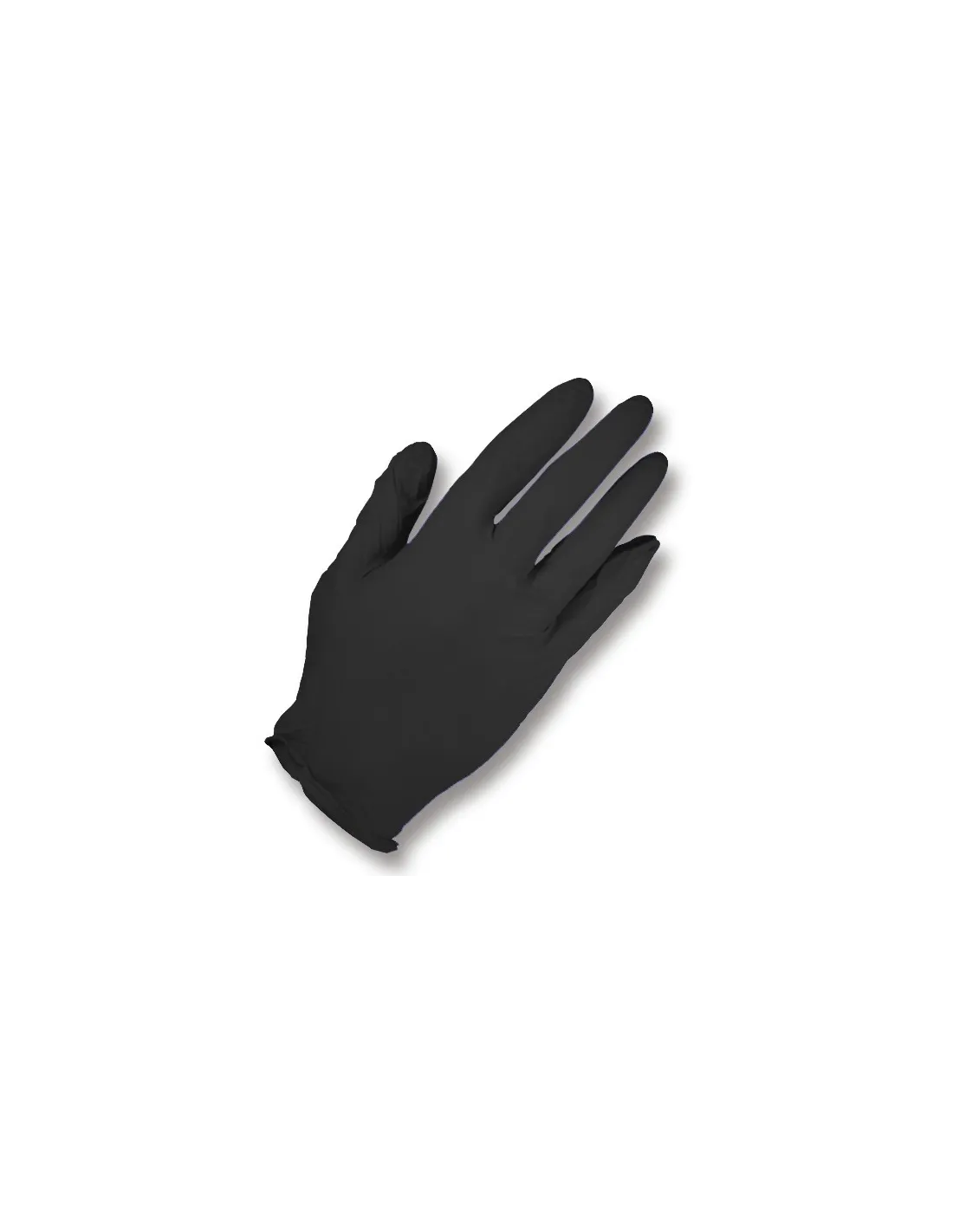
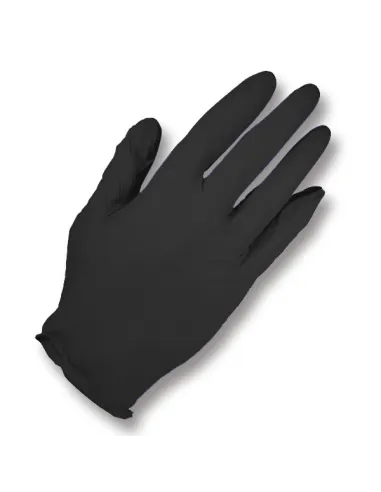
Powder Free Nitrile Gloves
308001005
€10.00
12,10 € Tax incl.
12,10 € Tax incl.
100% powder-free nitrile gloves, ambidextrous, disposable. Do not inhibit platinum silicones or epoxy resins. Box of 100 units.
Powder-free nitrile gloves are the essential PPE in any moulding, composites or special effects workshop. Unlike latex or vinyl gloves, nitrile does not contribute inhibiting substances, so you can work with platinum silicones, epoxy resins and polyurethanes without risk of contaminating the material. Ambidextrous, disposable and with excellent anatomical fit: a classic that should never be missing from any workstation.
Technical specifications
| Material | 100% Nitrile |
|---|---|
| Contents per box | 100 units |
| Use | Single use (disposable) |
| Laterality | Ambidextrous |
| Interior finish | Powder-free |
| Platinum silicone inhibition | Does not inhibit |
| Resin inhibition | Does not inhibit |
What it is used for
These gloves are designed to protect your hands during any workshop process involving the handling of chemical materials. They are especially recommended when working with addition (platinum) silicones, where contact contamination is the most common risk, but they are equally suitable for all other material families:
- Moulding with platinum silicones (PlatSil, EasyPlat and similar): they prevent inhibition from skin contact with sweat or residues
- Working with epoxy, polyurethane and polyester resins: they protect the skin from irritants and sensitisers
- Application of pigments, encapsulants and silicone adhesives in FX special effects work
- Handling fibreglass, carbon fibre and other reinforcements in composites
- 3D post-processing operations: sanding, painting, applying finishing resins
- Any workshop task requiring basic chemical hand protection
How to use it
- Remove the glove from the dispenser box without touching the hand contact area.
- Check the size before starting your work session: the glove should fit snugly without being tight to maintain manual dexterity.
- Put it on carefully, making sure there are no air bubbles in the fingers that could hinder grip.
- Work normally. If the glove is punctured or visibly contaminated, replace it immediately.
- When finished, remove the glove by turning it inside out to encapsulate residues inside, and dispose of them in accordance with local chemical waste regulations.
- Never reuse a disposable glove: the integrity of the material is not guaranteed after the first use.
Usage tips
Choose the right size
A glove that is too large loses adaptability and increases the risk of accidents when handling containers or tools. One that is too small becomes stretched and may tear more easily. Nitrile gloves tend to adjust slightly with body heat after putting them on, so if you are unsure between two sizes, choose the larger one.
Essential with platinum silicones
If you work with addition (platinum) silicones, using powder-free nitrile gloves is not optional: it is critical. Hand sweat, residues from sulphur-based clays or any trace of latex can inhibit the cure. Nitrile is one of the few glove materials that does not cause this problem. Combine them with safety glasses and a suitable mask to complete your PPE.
Change it more often than you think necessary
Nitrile offers good chemical resistance, but it is not indefinitely impermeable. With epoxy resins and aggressive solvents, permeation can occur after just a few minutes of continuous exposure. If you are performing a long task with direct contact with liquid resin, change the glove every 20–30 minutes or as soon as you notice any change in texture or colour in the glove material.
Frequently asked questions
Why is it important to use powder-free gloves in moulding?
Powdered gloves (cornstarch or other coatings) can transfer contaminants to moulds and parts, causing surface defects or, in the case of platinum silicones, interfering with the cure. Feroca's powder-free nitrile gloves eliminate this risk and are the recommended option for any precision work with moulding materials.
Do nitrile gloves inhibit platinum silicones?
No. Nitrile is compatible with addition (platinum) silicones and does not contribute the substances (sulphur, tin, amines) that inhibit their cure. This is precisely why they are the reference glove in special effects workshops, FX prosthetics and precision moulding where platinum silicones such as PlatSil or EasyPlat are used.
What is the difference between nitrile, latex and vinyl gloves for workshop use?
Latex can inhibit platinum silicones and frequently causes allergies, so it is not recommended for moulding work. Vinyl offers lower chemical resistance and punctures more easily. Nitrile combines good chemical resistance, elasticity and compatibility with common moulding materials, making it the most balanced option for a professional workshop.
Can I reuse these gloves if I have only worn them briefly?
No. These are single-use gloves. Even if use has been brief, the integrity of the material may have been compromised by the tension of putting them on or taking them off. Reusing them increases the risk of inadvertent tearing and cross-contamination between materials.
What other PPE do I need besides gloves when working with resins and silicones?
For complete workshop protection, you need nitrile gloves, safety glasses and a mask suited to the material: a particle mask for reinforcement dust or sanding, or a mask with organic vapour filter if working with polyester resins, solvents or systems with irritating vapours.
How many gloves does the box contain?
Each dispenser box contains 100 units. As they are ambidextrous, there is no distinction between right and left hand, which simplifies stock management in the workshop.
Are they suitable for working with fibreglass or carbon fibre?
Yes, they provide basic protection against fibre microparticles and the resin systems used in composites. For cutting or sanding operations on reinforced materials, always combine them with safety glasses and a mask, as airborne particles are the main risk in those operations.
Does Feroca provide safety data sheets for its products?
Yes. SAFETY DATA SHEET (MSDS/SDS) are available on each product page or can be requested directly from Feroca. For the nitrile gloves, consult the manufacturer's technical documentation included or available on request.
No reviews
Tap to zoom