Shopping Cart



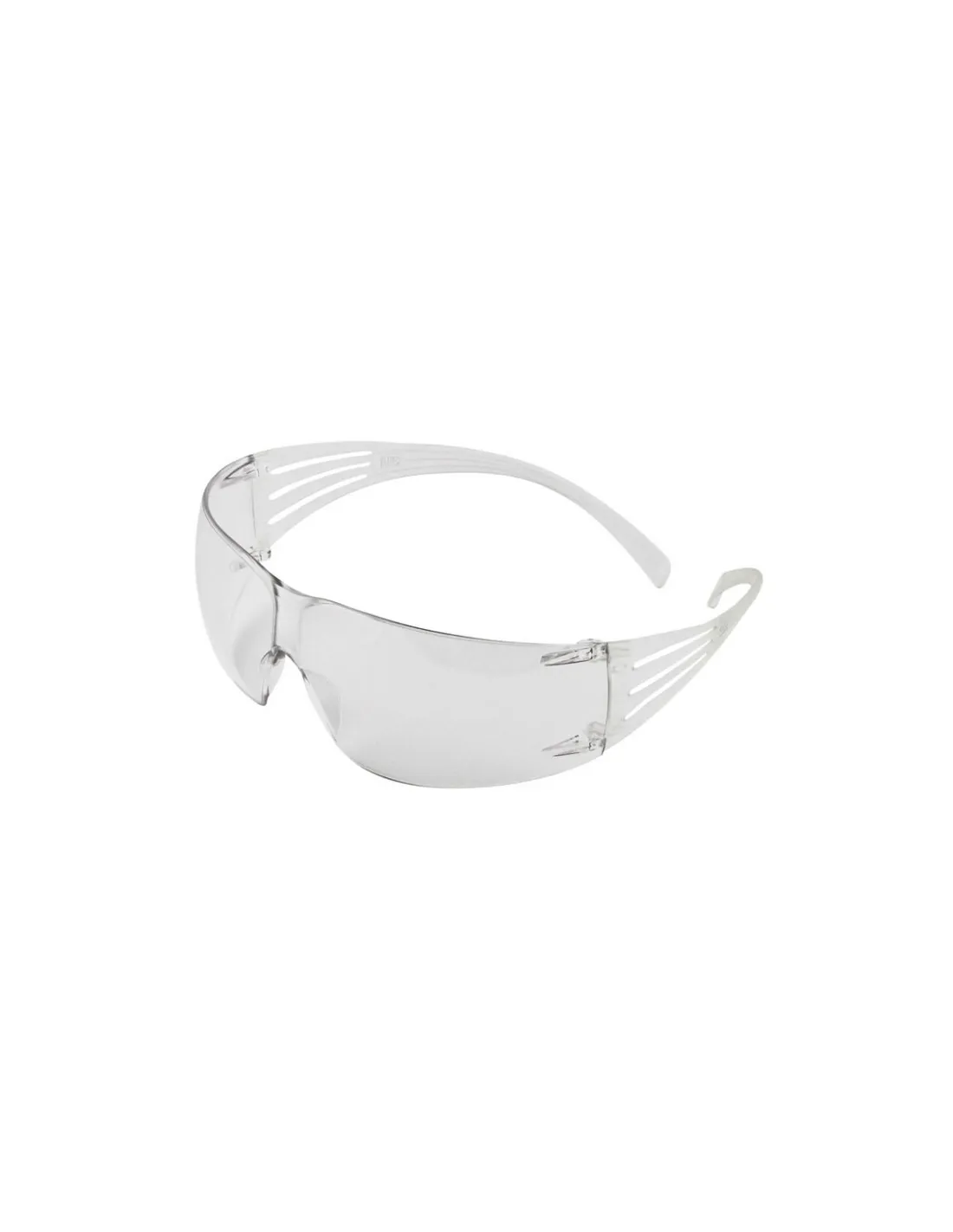
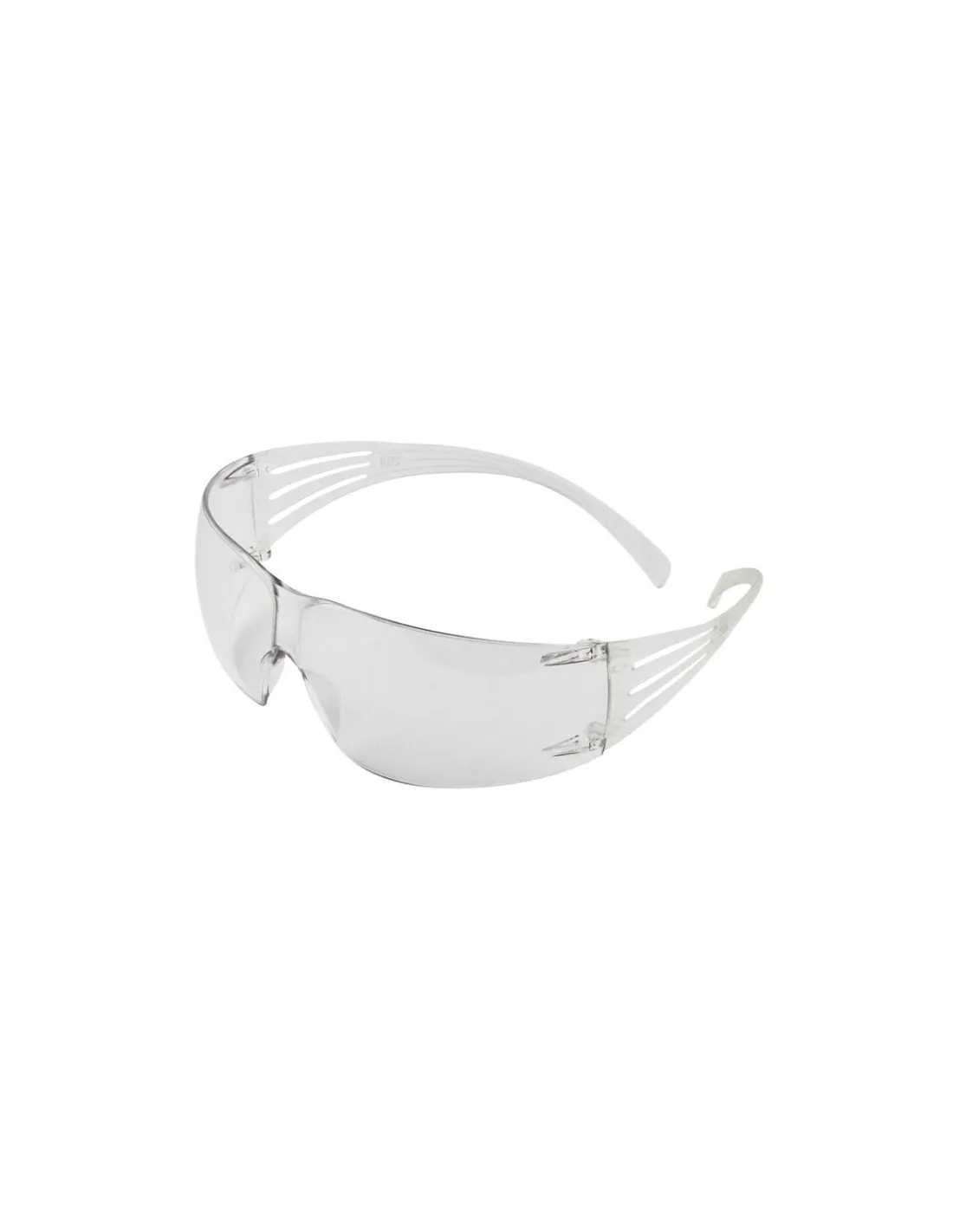
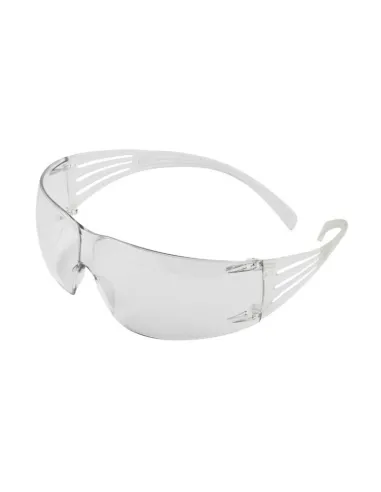
3M™ SecureFit™ Clear Safety Glasses
309100103
Temporarily out of stock
€10.00
12,10 € Tax incl.
12,10 € Tax incl.
Clear safety glasses with self-adjusting fit, anti-scratch and anti-fog polycarbonate lens. Certified EN 166:2001. Only 19 g.
The 3M SecureFit clear safety glasses are the reference eye PPE for resin, composite and special effects workshops. Their self-adjusting temple technology ensures a secure fit on any head shape, and their polycarbonate lens with anti-scratch and anti-fog coating delivers clear vision throughout the working day. At just 19 g, you barely notice you're wearing them.
Technical specifications
| Feature | Data |
|---|---|
| Product type | Safety glasses |
| Frame and lens colour | Clear |
| Lens material | Polycarbonate |
| Coating | Anti-scratch and anti-fog |
| Lens marking | 2C-1.2 3M 1 FT |
| Weight | 19 g |
| UV protection | Yes |
| Fit technology | 3M Pressure Diffusion Temple (PDT) |
| Standard | EN 166:2001, CE marking |
| Recommended applications | Construction, food industry, general manufacturing |
| Range | 3M SecureFit — Comfort |
What they are used for
They are the essential eye PPE in any environment where there is a risk of splashes, particles or UV radiation. In the context of moulding, composites and special effects workshops, these glasses are mandatory whenever you handle resins, silicones, catalysts, solvents or fibres.
- Working with epoxy, polyurethane or polyester resins: protection against A/B component splashes.
- Mixing and pouring platinum or tin silicones.
- Sanding, cutting or demoulding parts with fibreglass or carbon fibre.
- Applying and spraying Release agents or solvents.
- Prosthetics and FX makeup fabrication: protection when using adhesives and encapsulants.
- General manufacturing, construction and food industry.
- Combined use with ear defenders thanks to their wide, flexible temples.
How to use them
- Hold the glasses by the temples and position them in front of your eyes.
- Rest the frame on the nose bridge and let the temples slide back along the sides of the head.
- PDT technology automatically adjusts temple pressure to your head shape: no manual adjustment needed.
- Check that the field of vision is complete and that there is no looseness at the temples.
- If you are going to use ear defenders, put them on after the glasses to avoid compromising the lateral fit.
- When finished, clean them with water and mild soap or a microfibre cloth. Avoid aggressive solvents on the lens.
- Inspect the lens periodically: if it shows deep scratches or deformation, replace the glasses.
Usage tips
Compatibility with other PPE
The wide, flat temples of the SecureFit are designed to coexist with cup ear defenders without creating uncomfortable pressure points. If you use a half-face mask — such as the 3M 4251 Reusable Mask or the 3M 9914 Mask — put the mask on first and then the glasses; this way the lens sits over the harness and fogging is minimised.
Lens maintenance
The anti-fog coating is sensitive to abrasive cloths and aromatic solvents. Always clean it with warm water or optical lens wipes. If the lens is accidentally exposed to resin or solvent vapours, rinse it immediately with water; do not wipe it dry.
When to replace them
A scratched lens significantly reduces peripheral vision and can create reflections that conceal projectiles. Replace the glasses if the lens has scratches that interfere with vision, if the temples have lost elasticity, or if the frame shows cracks. In environments with frequent chemical splashes, check the condition of the glasses at the start of each working day.
Frequently asked questions
Are safety glasses mandatory when working with resins or silicones?
Yes. Epoxy, polyurethane and polyester resins are serious eye irritants. Platinum silicones and their catalysts can also cause irritation from splashes. Safety glasses are mandatory PPE whenever you handle these materials, along with nitrile gloves and an appropriate mask.
Can I use these glasses if I wear prescription glasses?
The wraparound design of the SecureFit is not intended to be worn over large-framed prescription glasses. If you use vision correction, consider wearing contact lenses under the safety glasses, or check the over-glasses options available in the Feroca catalogue.
Which standard certifies their level of protection?
These glasses comply with European standard EN 166:2001, which regulates the fundamental requirements for individual eye protectors. The lens marking 2C-1.2 indicates they are suitable for general use with a class 2C UV filter.
Are they compatible with a half-face mask?
Yes. The flat, flexible temples of the SecureFit are designed precisely to reduce pressure points when combined with ear defenders or half-face masks. Always put the mask on before the glasses to optimise the seal of both.
How long do they last before needing to be replaced?
There is no fixed service life; it depends on use and environment. In a workshop with frequent splashes, inspect them daily. Replace them if the lens has scratches that affect vision, if the temples have lost elasticity, or if the frame shows cracks. Damaged PPE does not provide reliable protection.
How do I prevent them from fogging up during work?
The factory anti-fog coating helps, but you can enhance it by ensuring the mask is properly sealed at the nose (exhaled air escaping from the top is the main cause of fogging). Clean the lens with water before each use and avoid touching it with your gloves.
What other PPE do I need in the workshop besides glasses?
To work with resins, silicones or composites you need at least: powder-free nitrile gloves, a mask with a filter appropriate to the material (organic vapours or particles) and safety glasses. For fibre or sanding operations, add hearing protection if the noise level requires it.
Can they be cleaned with solvents?
No. Aromatic solvents or ketones degrade the anti-fog coating and can attack the polycarbonate. Use warm water with neutral soap or optical lens wipes. If the lens has been in contact with uncured resin, remove it with water immediately before it polymerises.
No reviews
Tap to zoom