Shopping Cart



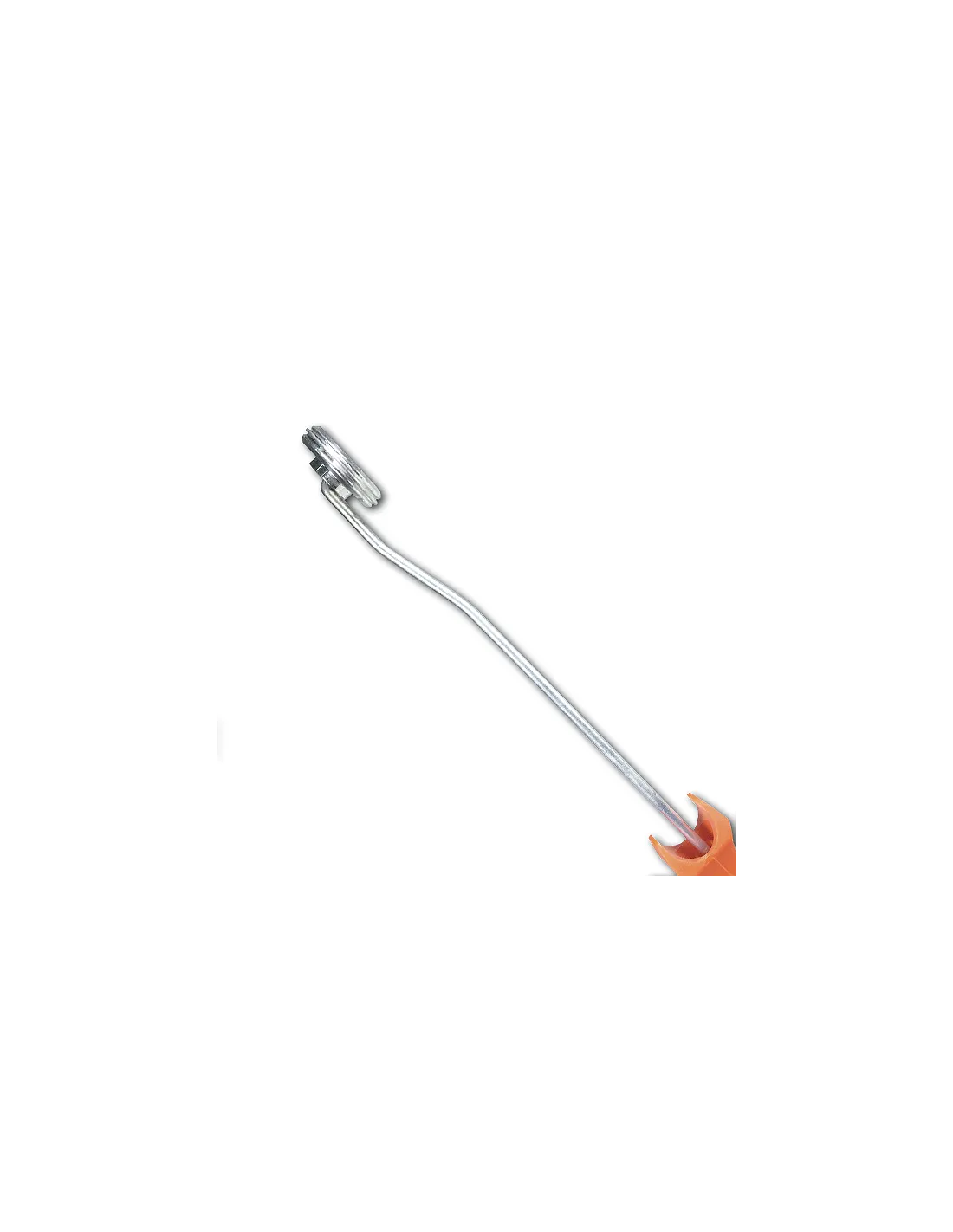
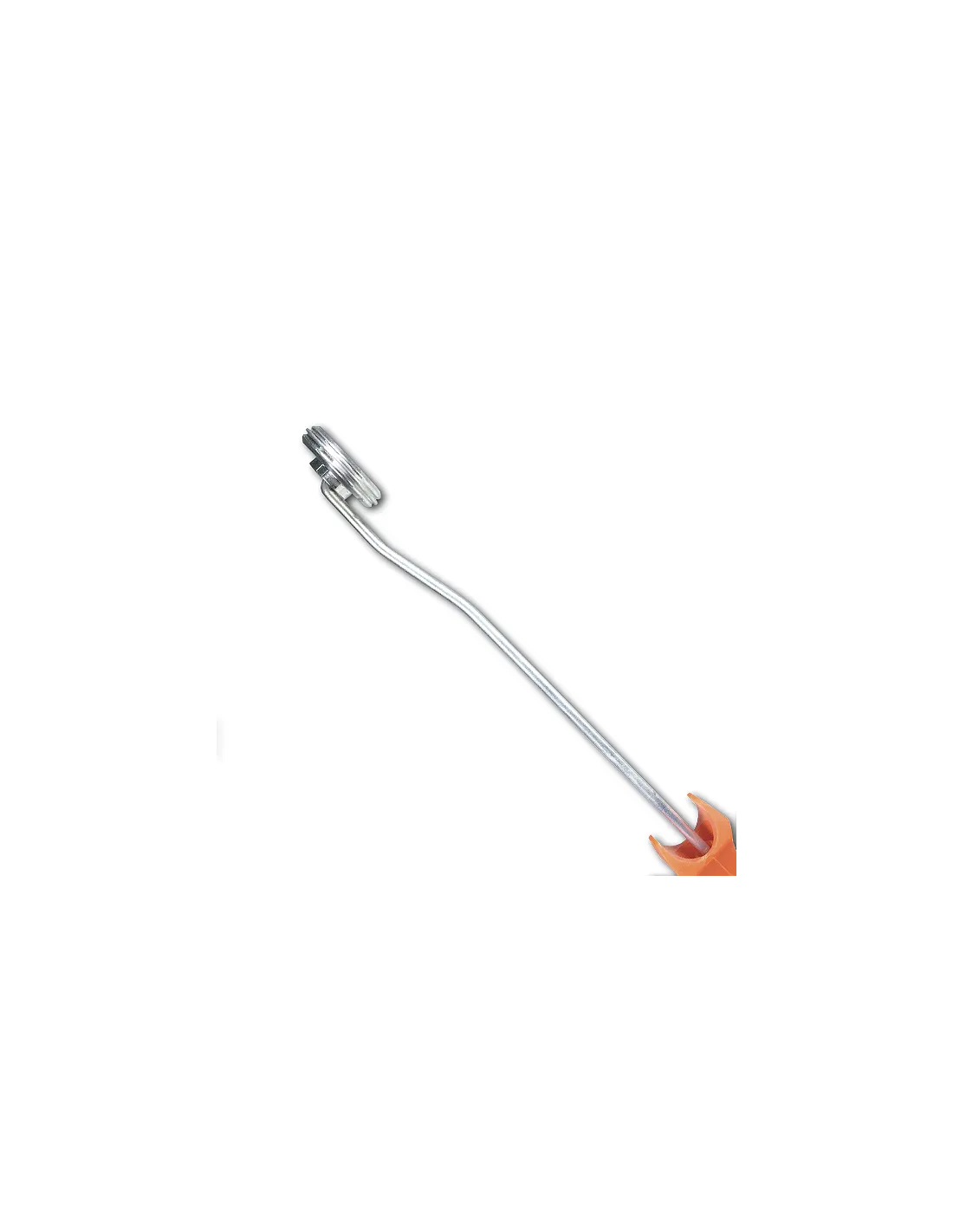
Metallic Corner Roller Disc -Laminates-
305081602
€14.00
16,94 € Tax incl.
16,94 € Tax incl.
Metal disc roller for removing air and excess resin in laminate corners. Essential for fibreglass and carbon fibre work.
The metal corner disc roller is the specific tool for working hard-to-reach areas in fibreglass, carbon or aramid laminates. Its disc geometry allows you to press and deair with precision in angles and corners where a conventional roller cannot reach, ensuring a bubble-free lamination with minimal resin waste.
Technical specifications
| Feature | Detail |
|---|---|
| Type | Metal disc roller for corners |
| Main use | Removal of air and excess resin in corners and angles of laminates |
| Disc material | Metal |
| Compatibility | Polyester, epoxy and vinylester resins; fibreglass, carbon and aramid laminates |
| Price | Per unit |
What it is used for
This roller is designed for the hand lay-up lamination phases in which fibre layers must be consolidated in angled areas where a flat roller cannot work properly. It is an everyday tool in composites workshops, prototyping and mould making.
- Deairing of mat, fibreglass fabric and carbon cloth layers in interior and exterior corners
- Removal of excess resin accumulated in angles during lamination
- Consolidation of reinforcements in areas of complex geometry: ribs, tight radii, panel joints
- Manufacturing and repair of polyester, epoxy and vinylester moulds
- Repair work on bodywork, boats and industrial parts
- Decorative and functional laminates with carbon fibre or aramid
How to use it
- Prepare the mould surface: clean, apply release agent and, if applicable, the gel coat. Allow to cure according to the manufacturer's instructions.
- Mix the resin with its catalyst in the correct ratio (for polyester resin, around 1.5% by weight of catalyst; adjust according to ambient temperature).
- Wet out the first fibre layer with resin using a laminating brush, making sure to saturate the fabric thoroughly.
- Place the fibre layer onto the surface and fit it manually to the mould geometry.
- Take the metal corner roller and pass it with uniform pressure over the angles and hard-to-reach areas, working from the centre towards the edges to expel trapped air.
- Check that there are no dry spots or visible bubbles. If there is excess resin in the corner, the roller will redistribute it towards the adjacent flat area.
- Repeat the process with each additional fibre layer until the desired laminate thickness is achieved.
- Clean the roller immediately after use with the appropriate solvent for the resin used (acetone for polyester and vinylester; specific solvent for epoxy).
Usage tips
Pressure and working angle
Apply constant pressure without overdoing it: too much force on the roller can displace the fibres and break the fabric orientation, especially in carbon cloths or biaxial fabrics. Work with small rolling movements in the corner, not sliding. On very tight radii, reduce the pass speed so the discs have time to expel air layer by layer.
Cleaning and roller maintenance
Polymerised resin between the discs renders the tool unusable. Clean the roller with acetone (for polyester or vinylester resins) immediately after each use, before the resin starts to gel. If working with epoxy resin, use the cleaning solvent recommended by the resin manufacturer. Store the roller dry and protected from dust.
Combine it with the deairing roller for flat areas
This disc roller is intended exclusively for corners. For flat areas and large surfaces of the laminate, use the metal deairing roller, which covers more surface per pass and is more efficient in areas without complex geometry. Having both tools to hand speeds up the process and improves the final quality of the laminate.
Frequently asked questions
What is a disc roller used for in laminates?
A disc roller is designed to deair and consolidate fibre layers in angled areas and mould corners where a conventional cylindrical roller cannot work. Feroca's metal corner roller allows you to eliminate air bubbles and redistribute excess resin precisely in those critical areas, improving inter-layer adhesion and the final strength of the part.
Is it compatible with all types of resins?
Yes. The metal corner roller is compatible with polyester, epoxy and vinylester resins, which are the most common in hand lamination. Being metal, it withstands contact with the solvents used for cleaning without degrading.
Can it be used with carbon fibre?
Yes, always with caution. In carbon fabrics, fibre orientation is critical for the mechanical properties of the part. Apply the roller with controlled pressure and short movements to avoid displacing the fabric. It is especially useful in moulds with complex geometries where the carbon must conform to sharp angles.
When should the roller be cleaned?
Immediately after each use, before the resin gels. Once the resin polymerises between the discs, it is very difficult to remove without damaging the tool. For polyester and vinylester resins, acetone is the usual solvent. For epoxy resins, consult the solvent recommended by the resin manufacturer.
What is the difference between the disc roller and the deairing roller?
The disc roller (this product) is designed for corners and angles: its geometry allows access to areas that a cylindrical roller cannot reach. The metal deairing roller has a ribbed cylindrical body designed for flat or large-radius surfaces, covering more area per pass. For a complete lamination workshop, ideally you should have both.
How many fibre layers can I deair in a single pass?
You work layer by layer. Each time you add a new fibre layer, you must deair it before applying the next one. Trying to consolidate several layers at once makes it harder to expel air and can generate delaminations or dry spots that compromise the strength of the part.
What catalyst ratio is used in polyester resin for laminates?
The usual ratio is around 1.5% by weight (indicative range: 1–2%), adjusted according to ambient temperature: more catalyst on cold days, less on hot days. Always weigh both components rather than estimating by eye to ensure homogeneous curing.
What fibre is recommended for laminates with polyester resin?
The most common choice is 300 g/m² fibreglass mat, which wets out well and adapts easily to curved geometries. For greater mechanical strength, it can be combined with fibreglass woven fabric in intermediate layers and finished with a surface veil to improve aesthetics and sealing of the laminate.
No reviews
Tap to zoom