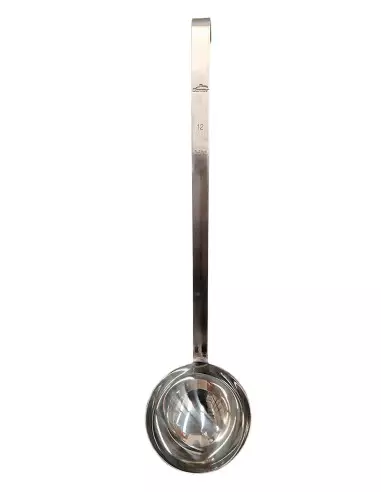
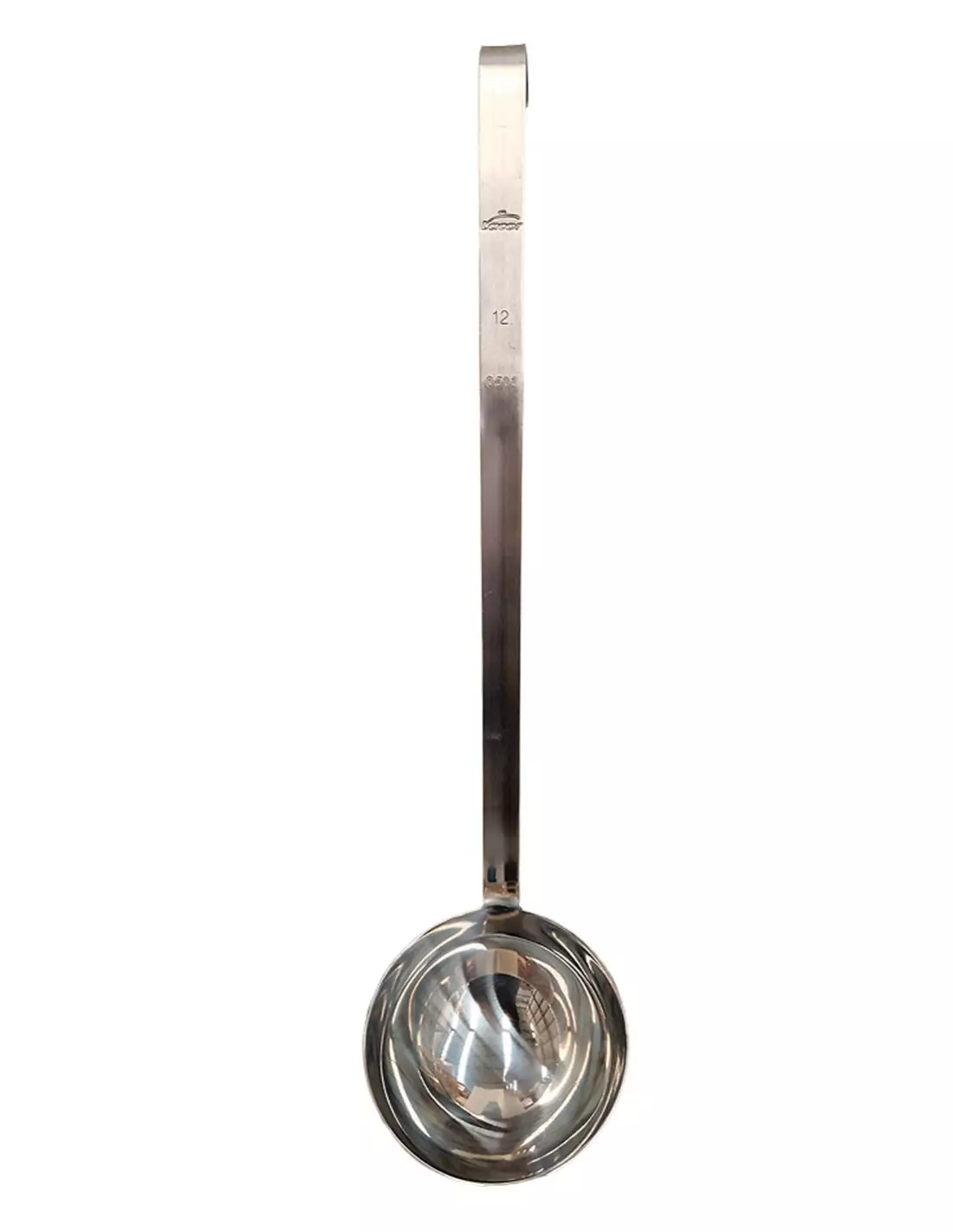
Feroca's casting ladle is made from high-quality stainless steel, designed to melt low-melting-point metals such as tin, lead or pewter safely and precisely. Available in two sizes —12 cm and 8 cm bowl— to suit both higher-volume work and more delicate castings.
Technical specifications
| Feature |
Detail |
| Material |
Stainless steel |
| Available sizes |
12 cm bowl / 8 cm bowl |
| Main use |
Melting low-melting-point metals |
What it is used for
This ladle is the go-to tool for any workshop working with low-melting-point metals or needing to heat and pour materials with precision. Its most common applications include:
- Melting lead/tin rod for craft soldering, historical recreation or special effects.
- Melting PLS pewter for casting into silicone or plaster moulds.
- Jewellery making, workshop jewellery and metal miniature fabrication.
- Production of prop pieces and special effects with low-melting-point metals.
- Controlled melting in composites, prosthetics or special effects make-up workshops.
How to use it
- Select the appropriate ladle size based on the volume of metal you need to melt (8 cm bowl for small castings, 12 cm for larger volumes).
- Place the ladle on a suitable heat source (gas burner, compatible induction hob or industrial torch). Make sure you work in a ventilated environment.
- Add the metal —for example, lead/tin rod or PLS pewter— into the ladle in small portions.
- Heat slowly until the melting point of the metal is reached. Do not exceed the required temperature to avoid excessive oxidation.
- Once melted, remove any surface dross if necessary using a suitable tool.
- Pour the molten metal with a controlled, steady movement onto the prepared mould or work area.
- Allow the ladle to cool before cleaning. Clean with a dry cloth once the tool is cold.
Caution: Always work with thermal protection gloves and safety goggles. Molten metal can cause serious burns. Make sure the receiving mould is completely dry before pouring: any trace of moisture can cause violent spattering of molten metal.
Usage tips
Choose the right size
The 8 cm bowl is ideal for precision castings, jewellery or miniatures where volume control is essential. The 12 cm is more convenient when working with larger pieces or when you need to melt several units in a row without continuously reloading.
Temperature and heating rate
Heat the ladle gradually. A sudden temperature increase can cause stress points in the material or uneven melting of the metal. Keep the heat just above the melting point of the metal: higher temperature does not mean better results — it means greater oxidation and increased risk of accident.
Ladle maintenance
After each use, remove any solidified residue once the ladle is cold. Stainless steel makes cleaning easy, but avoid using aggressive abrasive elements that could scratch the inner surface. A clean ladle ensures purer castings and reduces contamination between different alloys.
Frequently asked questions
Which metals can I use this ladle for?
This ladle is designed for low-melting-point metals: tin, lead, lead/tin alloys and pewter. It is not suitable for metals with high melting points such as aluminium, copper or iron, which require industrial casting equipment.
Which size should I choose if I am a beginner?
If you are just starting out or working with small pieces, the 8 cm ladle will give you greater control. The 12 cm is more suitable if you already have experience and need to melt larger volumes or work in series.
Can I use this ladle on a domestic ceramic hob or induction hob?
Stainless steel is compatible with most cooking surfaces, but bear in mind that domestic hobs may not reach the required temperature quickly enough for a workshop environment. For continuous professional use, a gas burner or industrial hob offers better performance.
Do I need a release agent if I use molten metal in a silicone mould?
In high-temperature silicone moulds, molten metal generally does not adhere. However, if you are pouring into moulds made from other materials, it may be advisable to use a paste release agent to facilitate demoulding. Always consult the mould material's data sheet.
How do I prevent the metal from oxidising during melting?
Keep the temperature as low as possible within the metal's melting range. The higher the temperature, the greater the surface oxidation. Remove dross with a tool before pouring and, if possible, melt in an environment with minimal air movement.
Can I use the same ladle for different alloys?
Yes, but clean the ladle thoroughly between alloys to avoid contamination. Residue from a previous alloy can alter the composition and melting point of the next material, affecting the quality of the final piece.
What safety measures should I take?
Always work with thermal protection gloves, safety goggles and in a ventilated space. Make sure the mould is completely dry before pouring the molten metal. Keep a heat-resistant surface nearby where you can place the hot ladle.