Shopping Cart



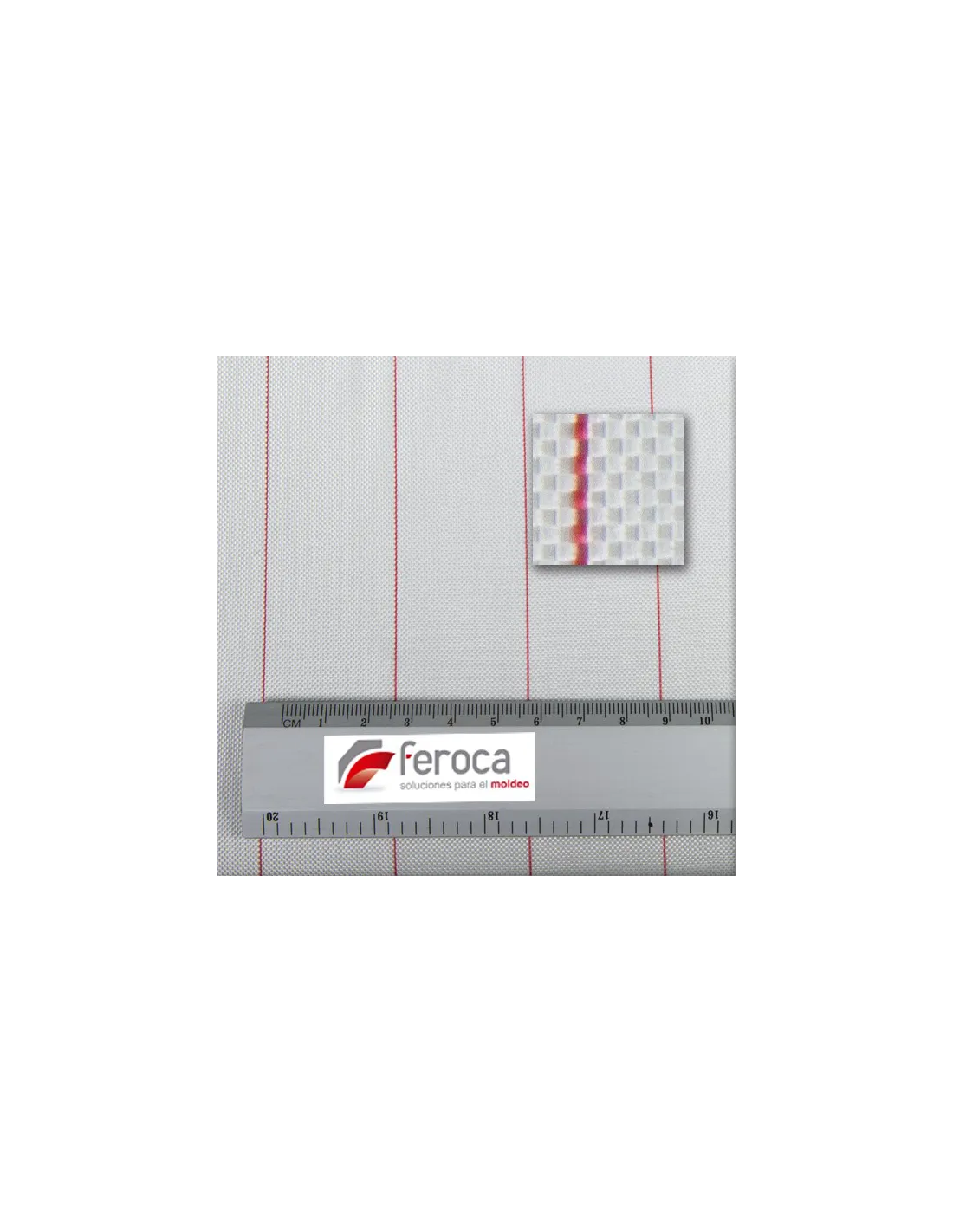
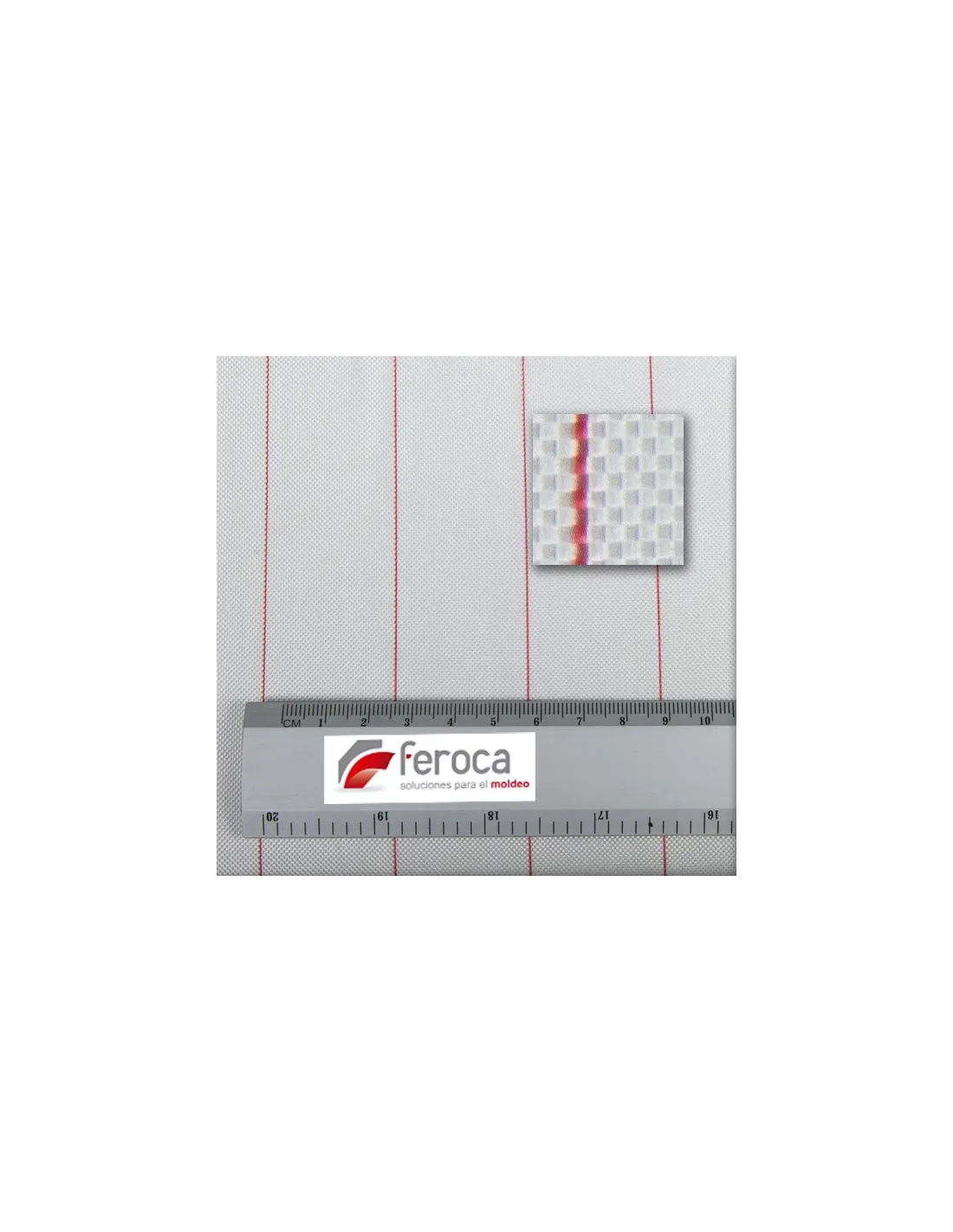
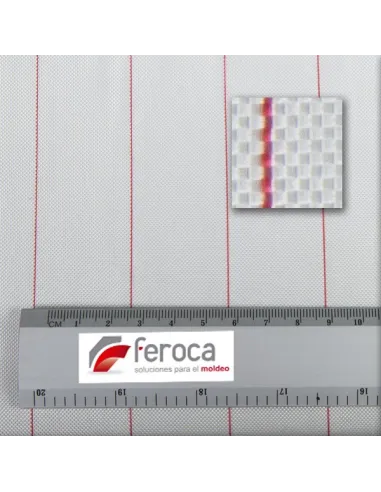
Peel Ply - 83gr x 100cm
103170001
Temporarily out of stock
€5.00
6,05 € Tax incl.
6,05 € Tax incl.
Nylon Peel Ply fabric 83 gr/m², 100 cm wide. Creates a rough, uniform surface on laminates without sanding.
Peel Ply is a peelable nylon fabric applied over the last layer of any resin laminate. Once cured, it peels off by hand and leaves a rough, uniform surface free of excess resin, ready to bond, glue or continue laminating without sanding.
Technical specifications
| Material | Nylon (polyamide) |
|---|---|
| Weight | 83 gr/m² |
| Width | 100 cm |
| Compatibility | Epoxy, polyester and vinylester resins |
| Finish after removal | Rough, uniform surface, free of excess resin |
| Removal | Dry manual peel, no solvents required |
What it is used for
Peel Ply is used in lamination processes with fibreglass, carbon fibre and other structural reinforcements. Its main function is to prepare the laminate surface for subsequent operations without mechanical sanding:
- Surface preparation between laminate layers to ensure optimal adhesion.
- Surface finishing of parts that will receive paint, adhesive or an epoxy top coat.
- Removal of excess resin from the surface without abrasion.
- Production of aeronautical, marine and automotive parts where surface cleanliness is critical.
- Hand lay-up and infusion/vacuum laminates where finish control is required.
- Use alongside lamination kits such as the Carbon/Epoxy Lamination Kit for professional results from day one.
How to use it
- Prepare the laminate by applying the fibre and resin layers (epoxy, polyester or vinylester) following your usual process.
- Cut the Peel Ply to the required size, leaving approximately 3–5 cm of margin on each side over the area to be treated.
- Spread the fabric over the last layer of still-wet resin, removing bubbles and wrinkles with a spatula or roller.
- Allow the complete laminate to cure according to the curing times of the resin used. Do not remove the Peel Ply before full cure.
- Once cured, take one end of the fabric and pull it progressively at a low angle to peel it off cleanly.
- The resulting surface will be rough, uniform and ready to bond, re-laminate or apply a finish without prior sanding.
Usage tips
Peeling direction
Always pull at a low angle relative to the surface, never perpendicularly. An angle of around 30–45° reduces the effort required and minimises the risk of pulling fibres from the laminate if it has not fully cured. Always leave an unimpregnated fabric tab to make it easy to start peeling.
Resin system compatibility
Peel Ply is compatible with epoxy resins such as Epofer Carbon 402, as well as polyester and vinylester systems. In laminates with a high resin ratio, the fabric also acts as an absorbent for the excess, improving the fibre/resin ratio. Do not use Peel Ply as a substitute for a breather cloth in vacuum infusion processes where resin flow is required: for that you will need an additional flow mesh.
Storage and cutting
Store the roll in a dry place away from direct sunlight to prevent the nylon from absorbing moisture, which could make peeling more difficult. To cut the fabric accurately, use sharp scissors or a cutter with a metal ruler. If you regularly work with high-strength fibres, consider keeping a dedicated pair of scissors for technical fabrics to avoid dulling the blade on other materials.
Frequently asked questions
Is sanding necessary after using this fabric?
No. That is precisely its advantage. Peel Ply leaves a rough and uniform surface when peeled off, eliminating the need to sand between layers or before applying a finish. In most cases, the resulting surface has sufficient anchor profile to bond or paint directly.
Can I use it with any type of resin?
Yes. Nylon Peel Ply is compatible with epoxy, polyester and vinylester resins. Bear in mind that in systems with very slow or incomplete cure it may be harder to remove cleanly, so it is always best to wait for full cure before peeling.
Can the fabric be reused once peeled?
No. Peel Ply is single-use. Once impregnated with resin and cured, it has served its purpose. Reusing it would compromise surface quality and could contaminate the new laminate with cured resin residue.
What is the difference between Peel Ply and a breather cloth?
Peel Ply is not designed to absorb large quantities of resin or to distribute flow in vacuum infusion. Its function is exclusively to provide a controlled surface finish. In infusion or vacuum bag processes where resin drainage is needed, Peel Ply is combined with a flow mesh or breather cloth placed on top.
Can it be applied to curved or complex geometry parts?
Yes. The nylon fabric is flexible enough to conform to curved geometries, as long as wrinkles are avoided during application. In areas with very tight radii, it is advisable to make cuts or darts in the fabric so it seats correctly without creating folds that distort the surface.
How much margin should I leave when cutting the fabric?
It is recommended to leave at least 3–5 cm of margin around the working area. This makes it easier to start peeling and prevents the edges of the laminate from being left uncovered. On large parts, leave a free unimpregnated tab at one end so you can grip it when peeling.
Does Peel Ply affect the final finish if I then apply a top coat?
On the contrary: it improves it. The rough surface left by Peel Ply is ideal for an epoxy top coat or any paint system to key correctly without additional preparation. If the final finish is to be polished or very glossy, apply the top coat and then polish with a fine polishing compound.
No reviews
Tap to zoom