Shopping Cart



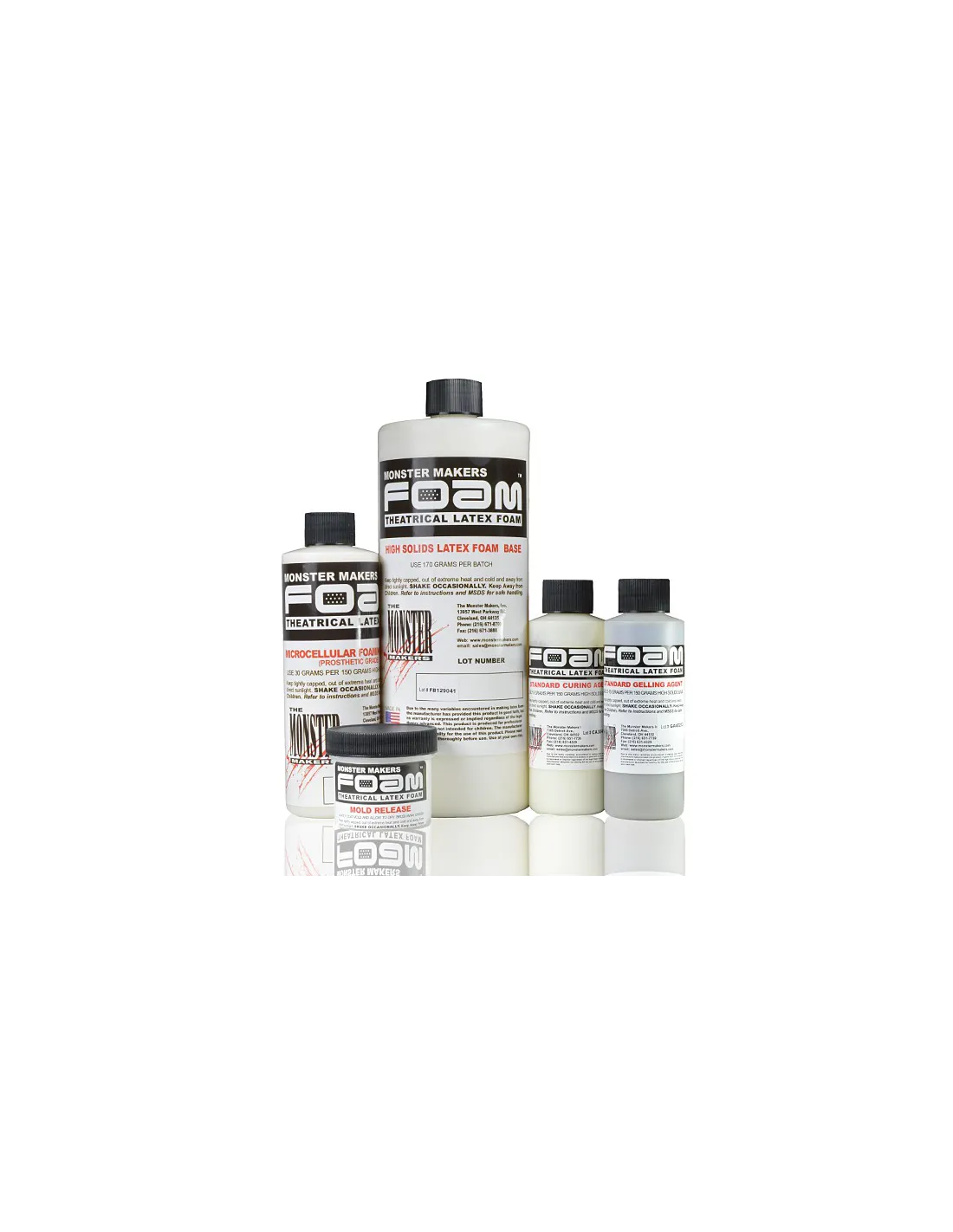
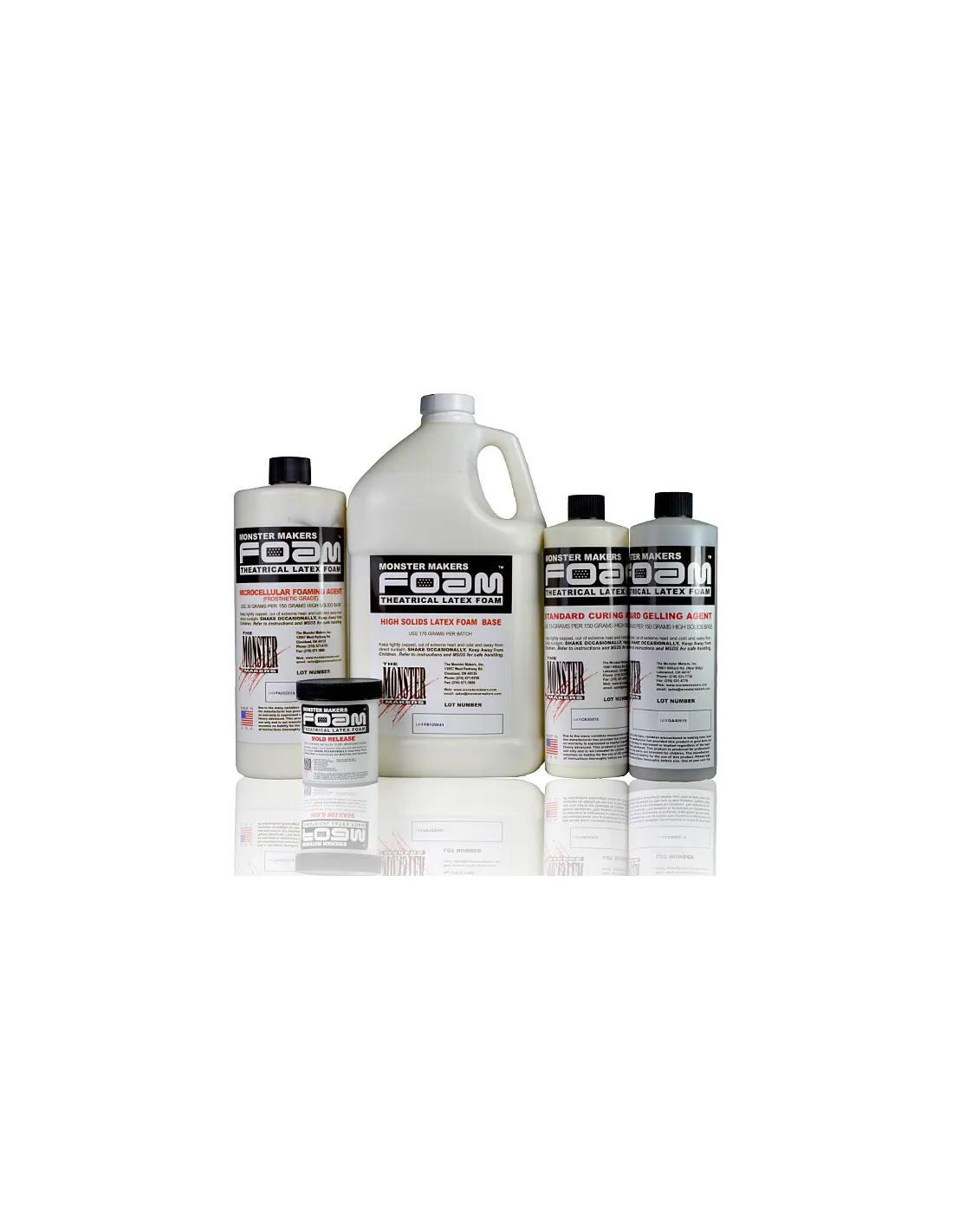
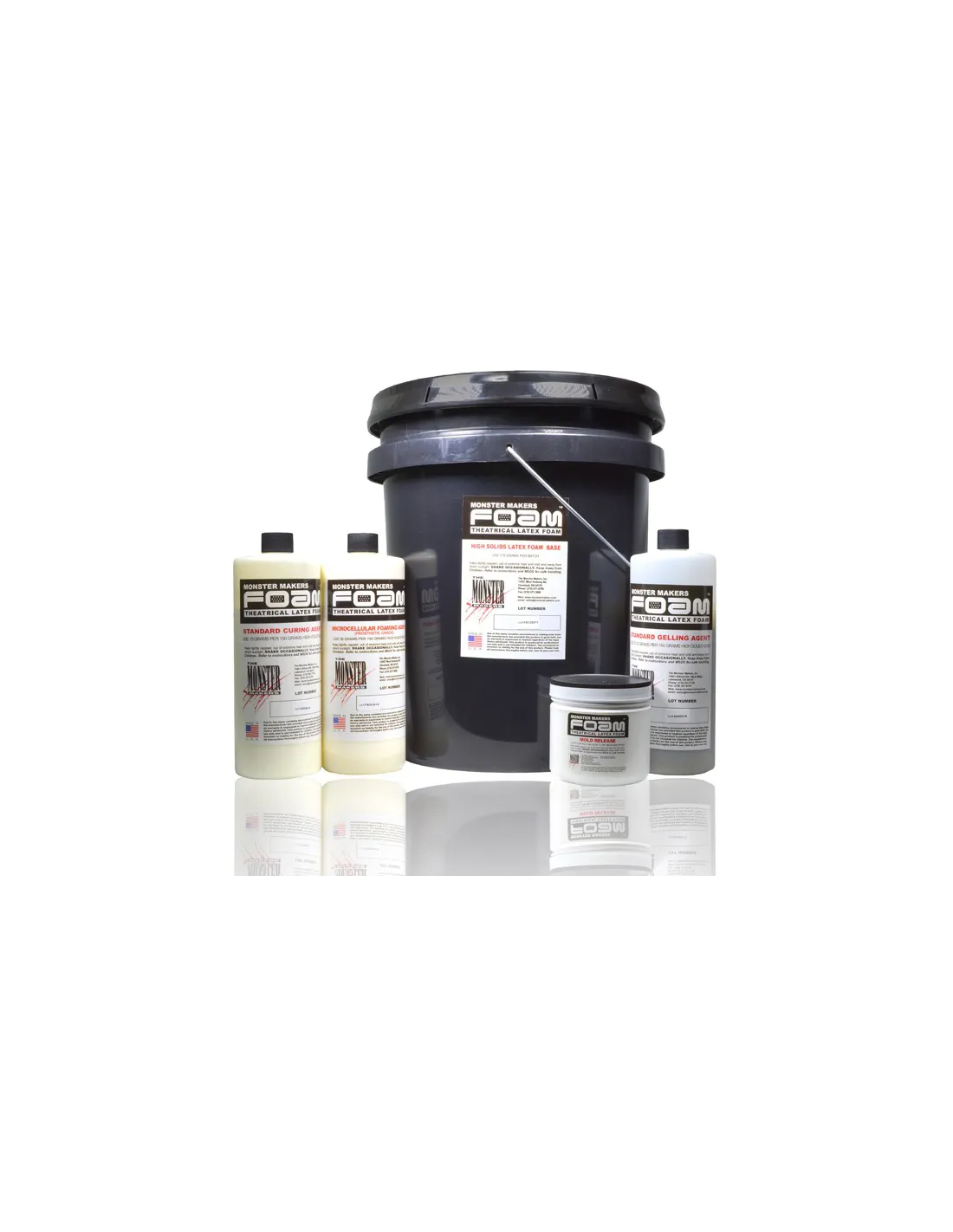
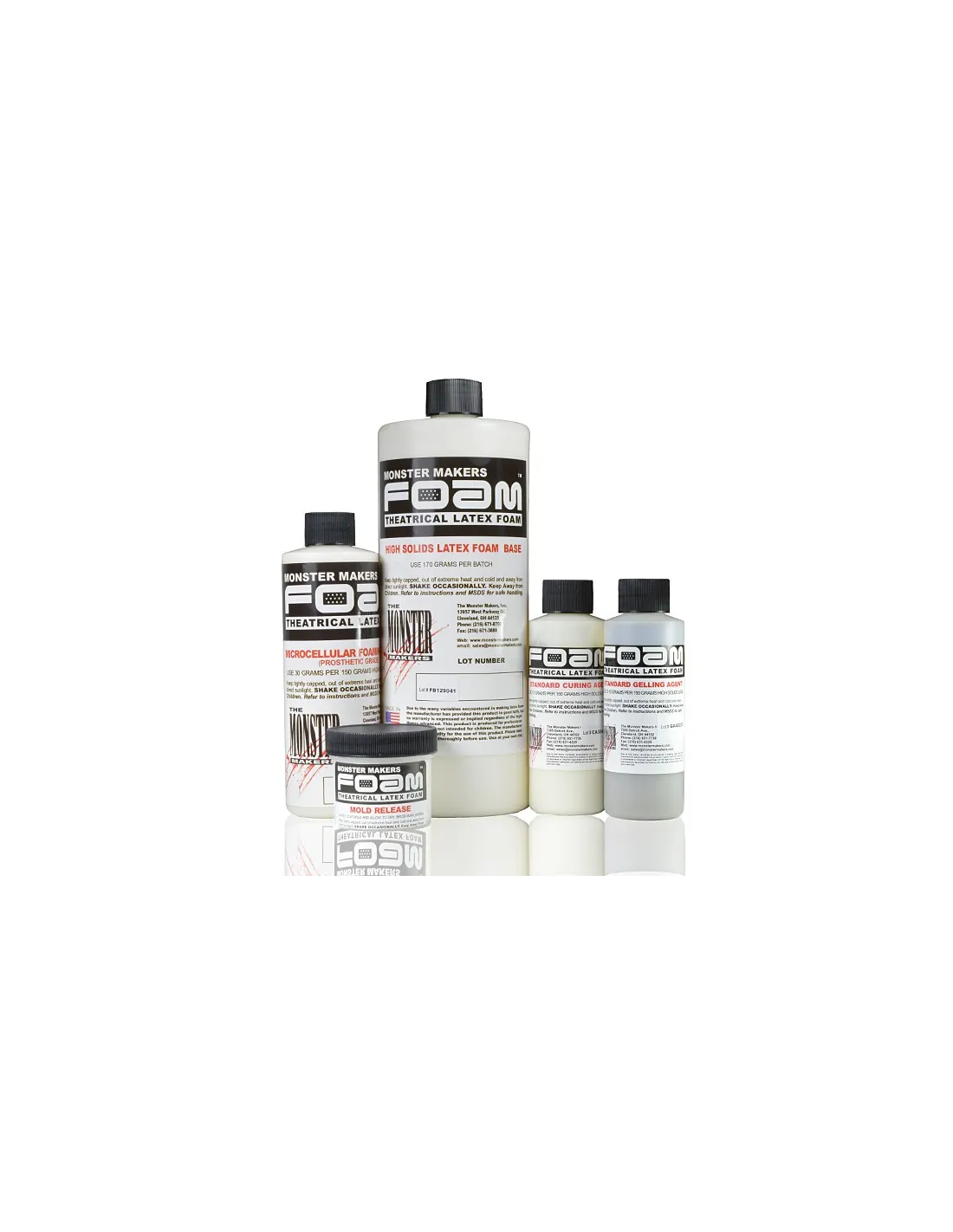
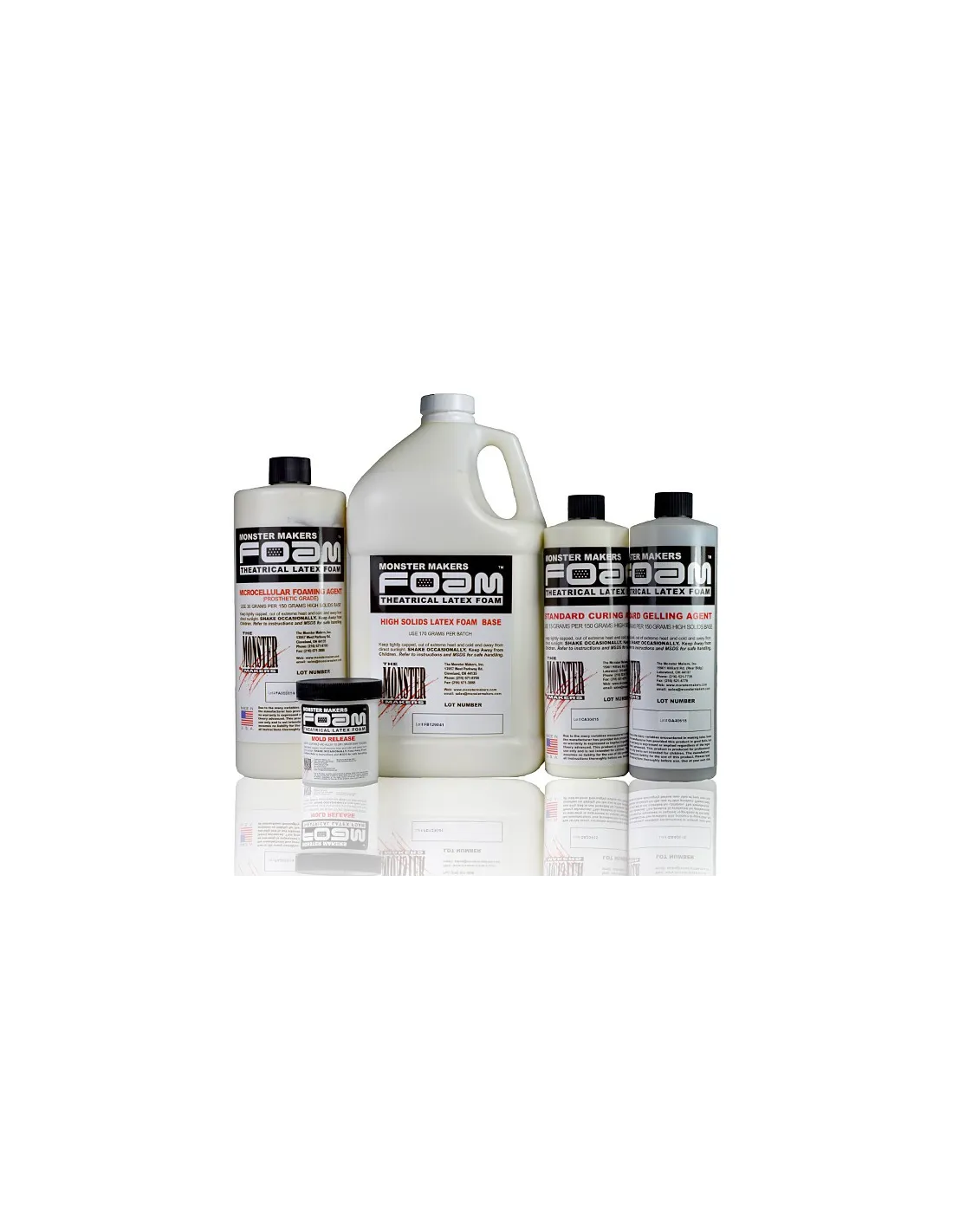
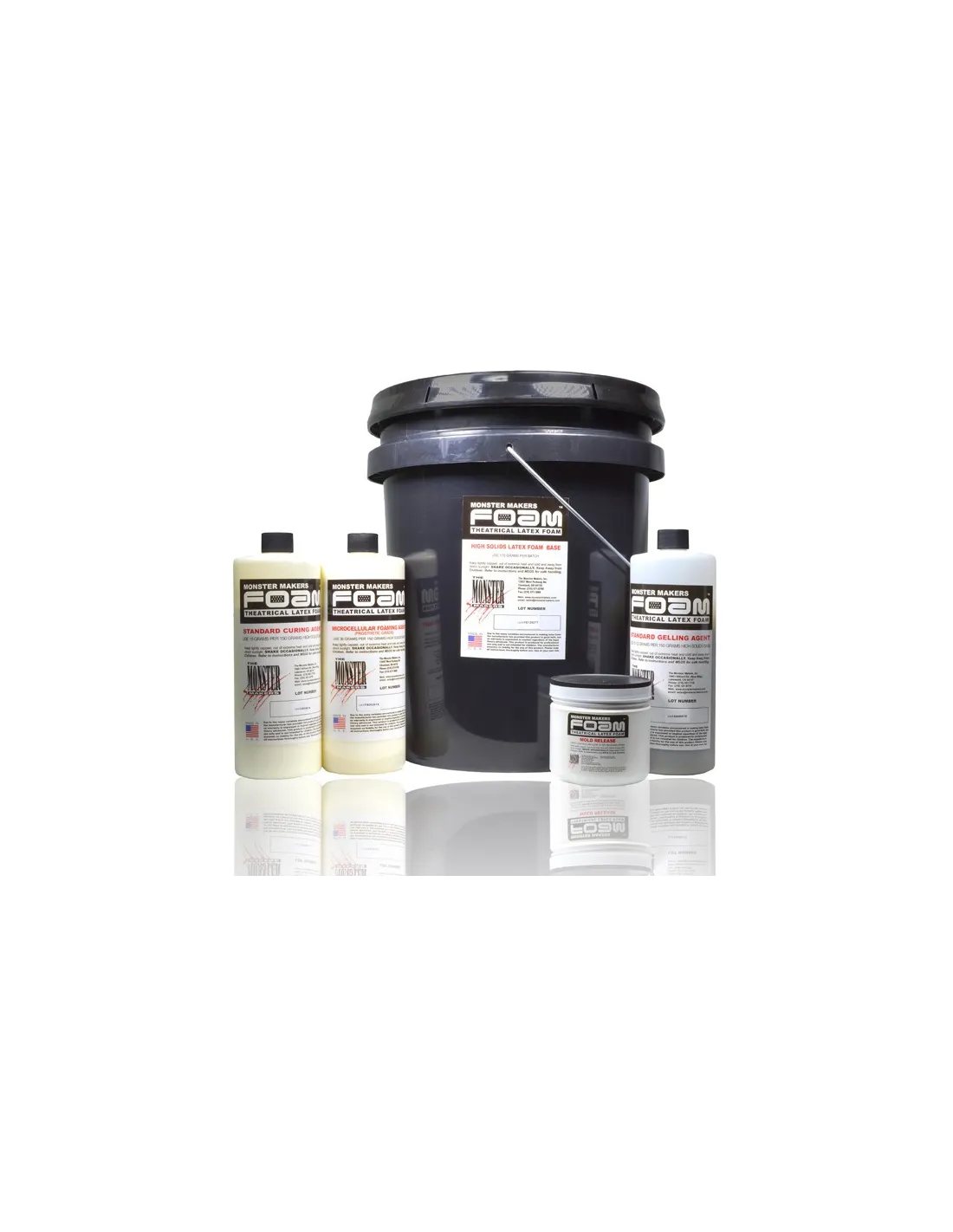
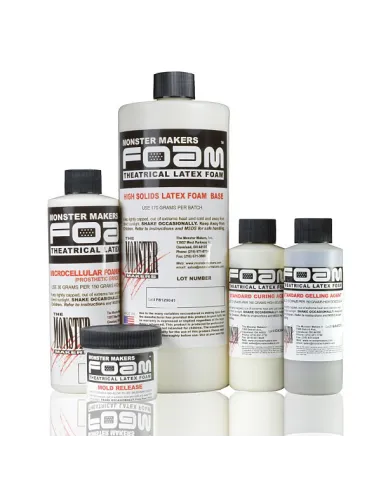
Prosthetic Latex Foam of Monster Makers
204304000
€60.00
72,60 € Tax incl.
72,60 € Tax incl.
Monster Makers prosthetic foam latex for FX makeup, stop motion and animatronics. Ultra-fine cells, velvety finish.
Monster Makers' prosthetic foam latex is the industry reference standard in special effects makeup. Its formulation produces an extremely fine cell foam with a velvety texture, perfect for high-resolution prosthetics that hold up to the most demanding camera scrutiny. Each kit includes all necessary components and detailed instructions so you can get to work from day one.
Technical specifications
| Feature | Detail |
|---|---|
| Base | Foam latex |
| Grade | Prosthetic / special effects |
| Texture | Ultra-fine cell, velvety finish |
| Mold compatibility | Aluminium, cement, fibreglass, epoxy, silicone |
| Cure | Baking in a conventional oven |
| Kit contents | All components + detailed instructions |
| Main applications | Maquillaje FX, stop motion, animatronics |
What it's used for
Monster Makers' prosthetic foam latex is designed for any job where lightness, flexibility and fine detail are essential. It is the base material in professional FX makeup studios worldwide and is equally suited to independent productions and artistic projects.
- Makeup prosthetics for film, television and theatre (nose, forehead, chin, cheeks, full body)
- Skins for animatronic creatures and monsters
- Puppets and stop motion characters
- Full head masks with fine pore detail
- Age effects, scars, wounds and character transformations
- Body padding and body suits for character work
- Prototypes and artistic display pieces
How to use it
- Prepare the mold. Make sure the mold (aluminium, plaster, fibreglass, epoxy or silicone) is clean and dry. Apply a suitable release agent if the material requires it to facilitate demolding.
- Mix the components. Follow the exact proportions indicated in the kit instructions. Mix in a clean container, preferably using a hand mixer or mechanical mixer to incorporate air in a controlled manner.
- Beat to the correct volume. Beating is the critical phase: it determines the cell size and final foam density. Follow the recommended times and speeds.
- Adjust the pH. Add the gelling agent according to the instructions to stabilise the foam before pouring.
- Pour into the mold. Fill the mold carefully, avoiding large bubbles. Close the mold evenly applying uniform pressure.
- Bake. Place the closed mold in a conventional oven at the temperature and for the time indicated in the kit. Baking cures and stabilises the foam.
- Demold and finish. Once the piece has cooled, remove it carefully. Trim excess material with scissors and proceed to finishing: paint with Mask Paint to achieve realistic skin tones and apply Flex Gloss wherever you need controlled shine.
- Adhere the prosthetic. Use PROTAC to secure the piece to the skin. For later removal, Isopropyl Myristate dissolves the adhesive without damaging the prosthetic or the skin.
Usage tips
Oven temperature control
Baking temperature is critical to the quality of the result. An oven that is too hot can collapse the cells and over-harden the piece; one that is too cool will leave uncured areas. Use an independent oven thermometer to verify the actual temperature, as domestic ovens often deviate by up to 15–20 °C from the dial reading. Always start with test pieces before working on a final production.
Beating makes the difference
The beating phase defines the cell size and lightness of the foam. Insufficient beating produces a dense, heavy foam; excessive beating creates cells that are too large and fragile. Follow the kit's times strictly and record the results of each batch to reproduce the best results in future mixes. Always work in an environment with a stable temperature, as ambient heat accelerates gelification.
Storage and shelf life
Store the kit components in a cool, dry place away from direct light. Once opened, close the containers tightly after each use. The latex base can develop a surface skin if left unused for an extended period; strain it before mixing to avoid introducing lumps into the foam. If you notice the product is not foaming correctly or is not gelling within the usual timeframe, the components may have expired.
Frequently asked questions
What type of mold is most suitable for working with foam latex?
Monster Makers' prosthetic foam latex is compatible with aluminium, cement/plaster, fibreglass, epoxy resin and silicone molds. Aluminium molds are the professional production standard due to their thermal conductivity and durability. Plaster molds are an accessible option for studios and independent projects, though they require complete drying before use.
Can I use a regular kitchen oven to cure the pieces?
Yes. Monster Makers' foam latex is designed to be baked in conventional ovens. It is advisable to use the oven exclusively for this purpose or, at least, to ventilate it well between uses. Use an independent oven thermometer to ensure the correct temperature, and do not use the oven for food once it has processed latex.
How long can the kit be stored unused?
Shelf life depends on storage conditions. In general, kept in a cool, dry place without direct light exposure, the product retains its properties for several months after opening. Check the kit instructions for the specific shelf life of each component, as the latex base and the gelling agent may have different expiry dates.
How do you paint foam latex once it has cured?
The most professional approach is to use Mask Paint by Monster Makers, a paint specifically formulated to adhere and flex with foam latex without cracking. You can also use acrylic paints thinned with a flexible medium. Avoid oil paints or enamels, as they do not flex with the material and will crack with movement.
How do you adhere a foam latex prosthetic to the skin?
The reference adhesive for this type of prosthetic is PROTAC, a cosmetic-grade acrylic adhesive designed for FX makeup. It is applied to both the skin and the edge of the prosthetic, allowed to dry slightly, then pressed firmly into place. To remove it without damaging the skin or the piece, use Isopropyl Myristate.
Is it suitable for sensitive skin or extended wear?
Foam latex is a material for external use on the skin, but it can cause reactions in people with a latex allergy. Always perform a patch test before extended use. For people with a known latex allergy, platinum silicone alternatives are available, which Feroca also distributes.
Can this material be used for stop motion or animatronics as well as makeup?
Yes. Monster Makers' prosthetic foam latex is one of the most widely used materials in the stop motion industry for fabricating character skins, thanks to its lightness, flexibility and ability to hold fine detail. In animatronics it is used to cover mechanical structures, creating surfaces that move naturally and withstand repeated flex cycles.
What is the difference between foam latex and liquid masking latex?
Liquid masking latex, such as RD-407 White or RD-407 Flesh Tone, is applied in layers into a mold and cures at room temperature. Foam latex, by contrast, is beaten to incorporate air, poured into a closed mold and requires baking. The result is a three-dimensional open-cell piece, far lighter and softer to the touch, ideal for prosthetic-grade applications where natural integration with the skin is required.
No reviews
Tap to zoom