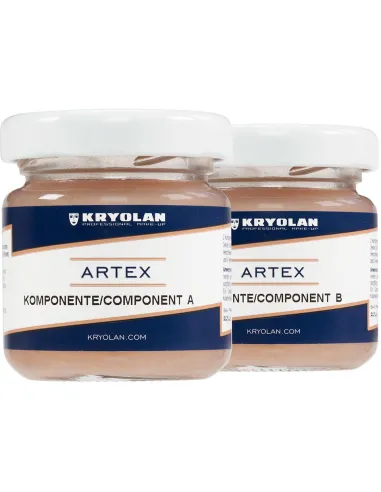
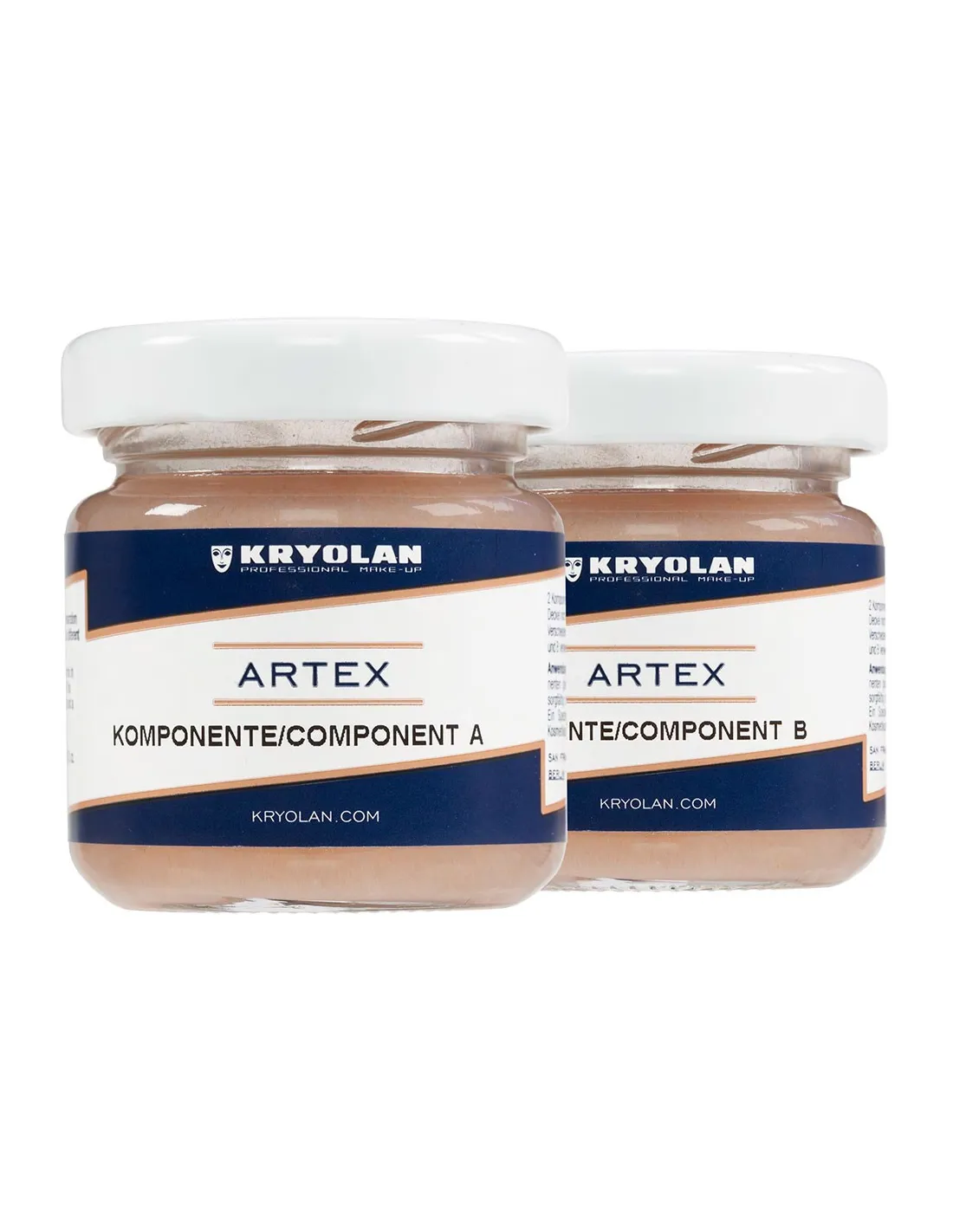
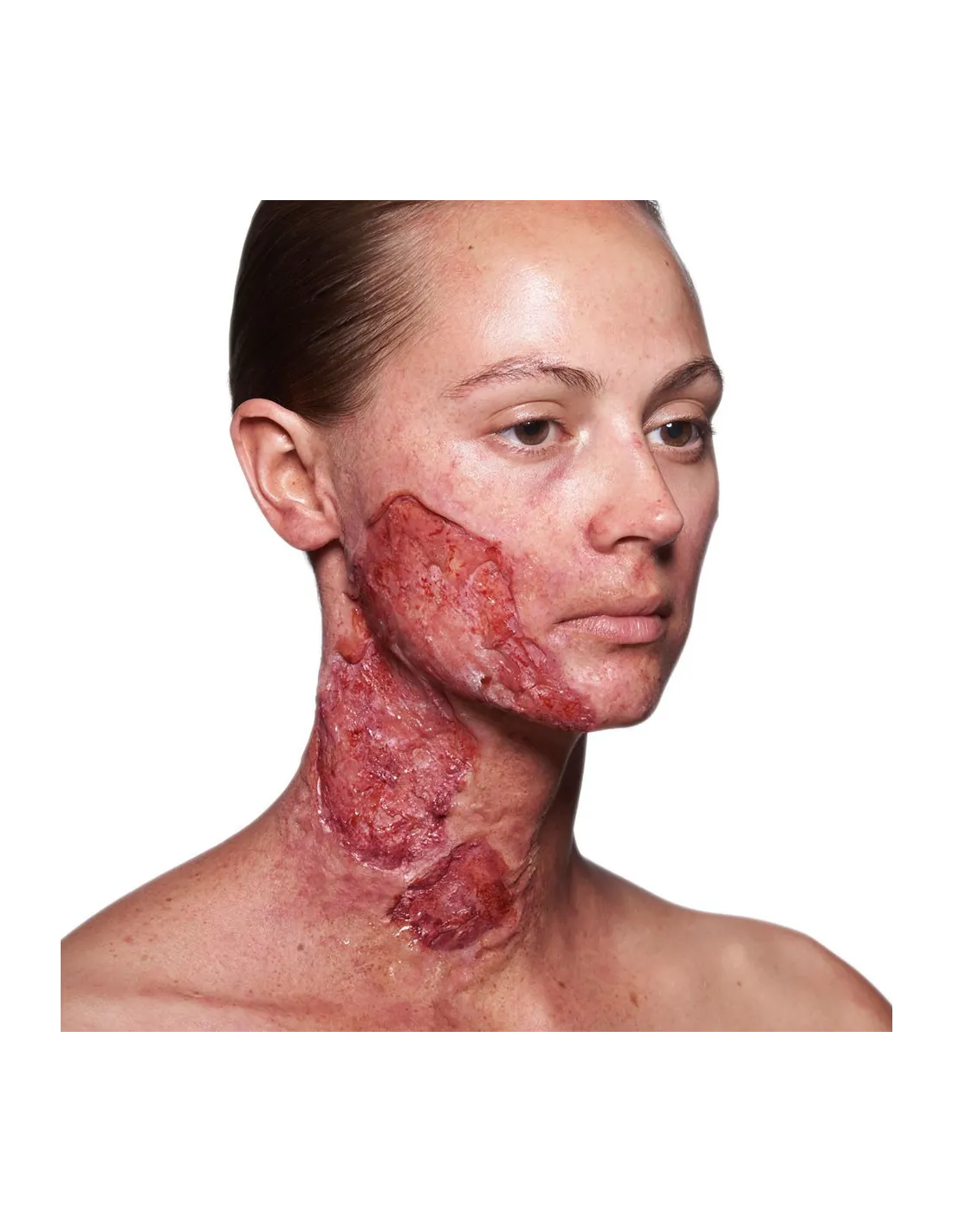
Artex is a two-component 1:1 silicone designed specifically for creating three-dimensional special effects directly on skin. Flexible, safe for body use and easy to remove, it is the go-to tool for FX makeup artists who need immediate, convincing results without prefabricated prosthetics.
Technical specifications
| Property |
Value |
| Mix ratio (by volume) |
100A : 100B (1:1) |
| Format |
Kit 2 x 40 ml |
| Pot life |
5–6 minutes after application |
| Final flexibility |
High — adapts to skin movement |
| Skin safe |
Yes |
| Finish |
Paintable with FX makeup |
What it is used for
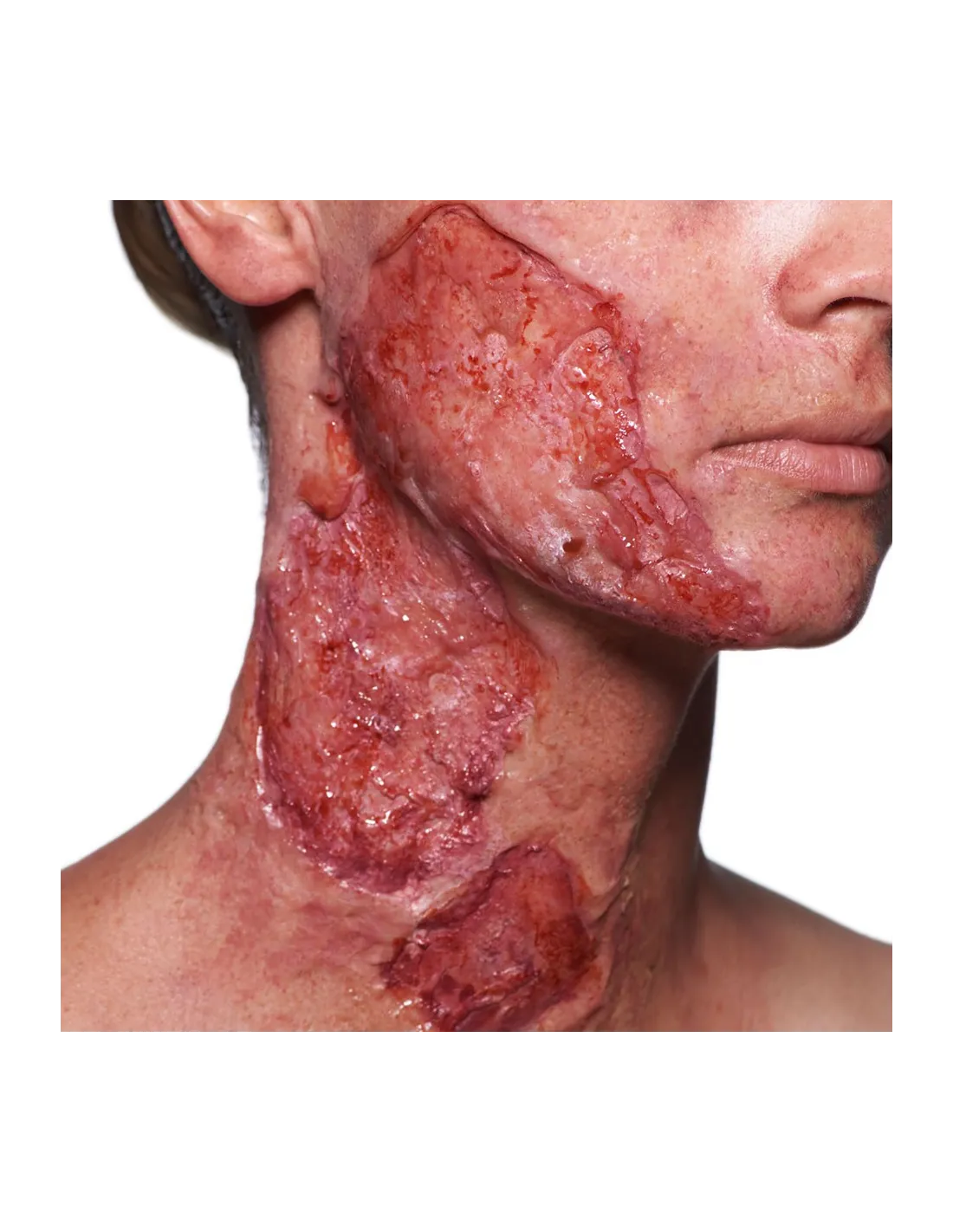
Artex is applied directly onto skin to build textures and relief effects that mimic wounds, skin markings or character transformations. Once cured, the material remains flexible and peels off cleanly with no residue by simply pulling it away.
- Open wounds, cuts and realistic-looking lacerations
- Keloid scars and burn marks
- Blisters, pustules and damaged skin effects
- Concealment of skin anomalies or irregularities
- Character textures (aged skin, deformities, raised tattoos)
- Quick character makeup effects for film shoots, theatre and cosplay events
How to use it
- Prepare the skin: clean and dry the application area. The skin must be free of creams, oils or any residue that could interfere with adhesion.
- Mix the two parts: take equal amounts of component A and component B (1:1 ratio by volume) and mix carefully until you obtain a homogeneous paste.
- Apply the material: place the mixture onto the skin and shape the desired effect using a spatula, a thick brush or your fingers (with gloves on). Work quickly: you have 5 to 6 minutes before curing begins.
- Shape the relief: build up layers, folds, raised edges or textures according to the effect. Once curing has started, no further modifications are possible.
- Allow to cure fully: wait until the material is completely set before painting or applying makeup.
- Paint and finish: apply colour using any compatible FX makeup. To achieve an integrated skin tone straight from the mix, add Flocking Aditivo de Color to the mixture before applying. Set the finish with mattifying powder.
- Remove the effect: when no longer needed, peel the material away by gently pulling from one edge. No solvent required.
Important notice — Cure inhibition: Artex is a platinum (addition-cure) silicone. Platinum is extremely sensitive to certain substances that can prevent or delay the material from curing. Avoid contact with:
- Sulphur-containing clays (most conventional modelling clays)
- Natural latex and latex-derived products
- Cyanoacrylate adhesives and their vapours
- Vinyl gloves (use nitrile gloves instead)
- Some uncured polyester materials
If the actor's or makeup artist's skin has been in contact with any of these substances, clean it thoroughly before applying Artex. Even a small contaminating residue can cause the silicone to remain tacky or fail to cure in the affected area.
Usage tips
Skin tone integration
To make Artex blend directly with the skin without the need for subsequent painting, add a small amount of Flocking Aditivo de Color to the mixture before applying. The Flocking adds a visual texture that mimics pores and the natural imperfection of the dermis, significantly reducing the time needed for subsequent makeup work.
Working time control
The 5–6 minute working time is sufficient for simple effects, but for more elaborate applications work in sections or mix small amounts sequentially. If the environment is very warm, curing will be faster; in cooler conditions you will have a little more margin. Do not mix more material than you can apply before it starts to set.
Storage and container sealing
Artex is sensitive to ambient humidity and cross-contamination between components. Seal each container tightly immediately after each use. Do not use the same tool to take material from bottle A and bottle B without cleaning it first. Store in a cool, dry place away from direct light, always in the original container. Incorrect storage significantly reduces the product's shelf life.
Frequently asked questions
How long do I have to shape the material once mixed?
The working time of Artex is approximately 5–6 minutes from the moment the two components are mixed. After that time, curing is irreversible and the effect cannot be modified. Plan the design before mixing and work quickly.
Is it safe to apply this material directly on skin?
Artex is formulated for use on skin and is suitable for special effects applications. However, it is not a certified cosmetic product. Avoid contact with eyes and mucous membranes. On people with sensitive skin or a history of silicone allergies, carry out a patch test on a small area before the full application.
How is the effect removed when finished?
Once cured, Artex is removed simply by gently pulling from one edge. The material is flexible and peels off cleanly without the need for solvents or specific cleaning products. If any FX makeup residue remains on the skin, remove it with your usual makeup remover.
Can it be painted once cured?
Yes. Once Artex has fully cured you can apply any compatible FX makeup: water-activated paints, alcohol-activated paints, cream pigments or character powders such as Polvos Fleet Street DirtWorks. Set the finish with loose powder or a makeup setting spray to extend the durability of the effect.
Can I re-adhere the effect if it partially lifts during the shoot?
How do I get the tone to blend with the skin without painting?
Add Flocking Aditivo de Color to the mixture before applying it. The Flocking provides particles that mimic the texture and translucency of skin, reducing the artificial appearance of the raw material. Combine different shades until you get close to the actor's skin colour.
Can it be used on a wig or foam latex prosthetic?
Artex is designed for direct application on skin. On foam latex prosthetics or porous materials, behaviour may vary. To blend prosthetics with the skin, use specific adhesives such as Telesis 8 and, if you need to adjust the adhesive's consistency, you can combine it with Telesis 8 Thinner.
Why has the material remained tacky in some areas?
Incomplete or tacky curing is a symptom of inhibition. The most common causes are contact with sulphur-containing clays, latex residue, cyanoacrylate adhesive vapours or the use of vinyl gloves during handling. Thoroughly clean the skin and all tools with alcohol before repeating the application, and use nitrile gloves.