Shopping Cart




Special Mixing Rods Polyurethane Systems
615022024
€4.00
4,84 € Tax incl.
4,84 € Tax incl.
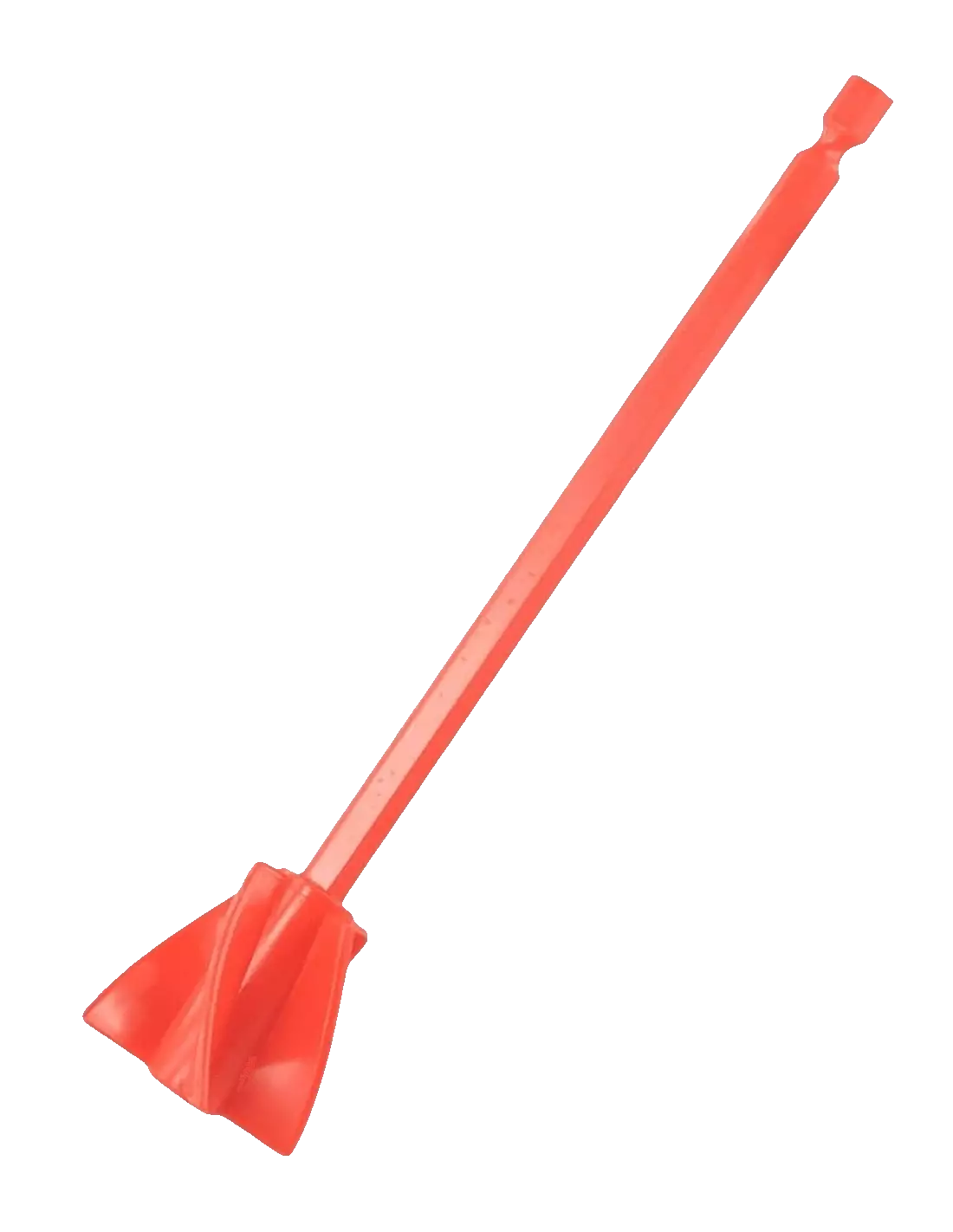
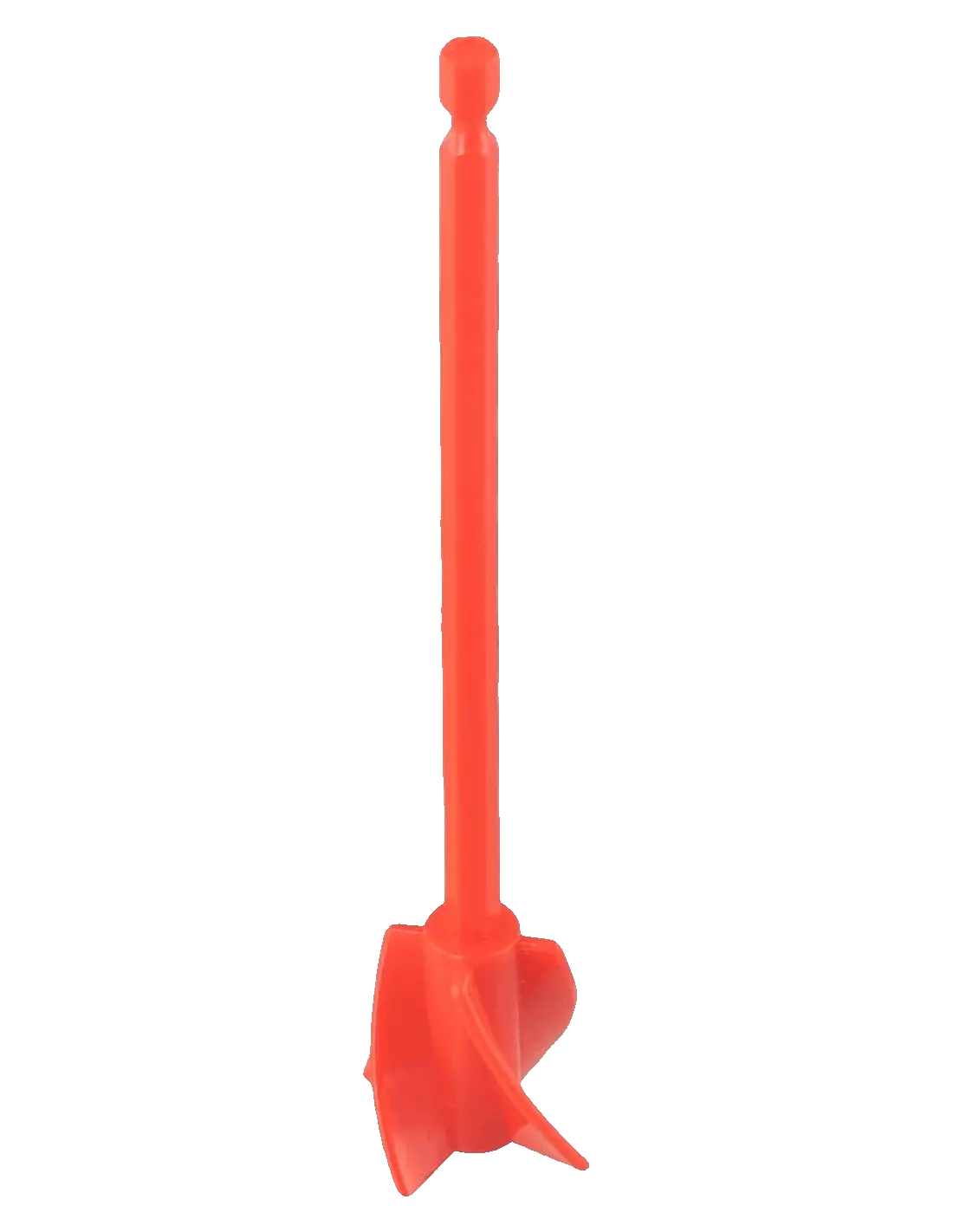
Durable plastic mixing rod for drill, 16 cm long and 3.5 cm in diameter. Ideal for resins and polyurethanes.
The special mixing paddle for polyurethane systems is a drill-mounted mixing blade designed to homogenise resins, polyurethanes and other two-component materials quickly and efficiently. At 16 cm in length and 3.5 cm in diameter, it is the right tool for small and medium volumes when you need a clean, lump-free mix in the shortest possible time.
Technical specifications
| Feature | Value |
|---|---|
| Material | Durable plastic |
| Length | 16 cm |
| Paddle diameter | 3.5 cm |
| Drive | Drill (shaft compatible with standard chuck) |
| Recommended use | Resins, polyurethanes, silicones and two-component materials in general |
What it is used for
This mixing rod is designed for the efficient mixing of two-component materials in the workshop. Its paddle geometry ensures that the rotary motion of the drill generates vertical and radial mixing currents, drawing component B into component A in a homogeneous manner and reducing the risk of uncatalysed zones that could compromise the cure.
- Mixing rigid and flexible polyurethane resins
- Homogenising condensation and addition silicones before pouring
- Stirring pigments and fillers into epoxy or polyester resins
- Mixing resins for casting in small and medium-format moulds
- Preparing two-component fillers and pastes
- Stirring high-viscosity materials where a hand spatula is insufficient
How to use it
- Insert the shaft of the mixing rod into the drill chuck and tighten firmly until it is centred with no play.
- Weigh or measure components A and B into the mixing container according to the ratio specified by the material manufacturer. You can use a casting ladle or a sturdy disposable plastic cup.
- Place the paddle inside the container before switching on the drill, to avoid splashing on start-up.
- Switch the drill on at low to medium speed (100–300 rpm) and move the rod in ascending and descending circles for the mixing time recommended by the manufacturer, typically between 30 seconds and 2 minutes.
- Scrape the sides and bottom of the container with a wooden spatula to incorporate any unmixed material.
- Make one final pass at low speed to homogenise, then reduce the speed gradually before stopping the drill, always keeping the paddle inside the material.
- Pour or apply the material immediately, respecting the pot life of the product.
- Clean the rod with a suitable solvent or discard it if the material has already begun to gel.
Usage tips
Rotation speed and aeration
Keep the drill speed below 400 rpm with materials that tend to entrap air (fluid silicones, low-viscosity resins). The higher the speed, the greater the risk of generating bubbles that could compromise the finished piece. If you are working with higher-viscosity resins, you can slightly increase the speed to ensure a complete mix within the available working time.
Container size and fill level
The paddle diameter (3.5 cm) is suitable for containers of approximately 200 ml to 2 litres. For very small quantities (less than 100 ml) it is preferable to mix by hand with a spatula for greater control. Make sure the material level covers the paddle throughout the entire mixing process; if the paddle is exposed to air it will introduce unnecessary bubbles.
Maintenance and reuse
If the material is still liquid when you finish, clean the rod immediately with the recommended solvent for that material (acetone for most polyurethane resins, soapy water for certain water-based systems). Once the residue has polymerised on the paddle, cleaning is virtually impossible and the rod must be discarded. Having several units available in the workshop is common practice and avoids interruptions during the work process.
Frequently asked questions
What type of drill do I need to use this rod?
Any conventional drill with a standard chuck is sufficient. The most important thing is being able to regulate the speed: a drill with variable speed control will allow you to work at the appropriate rpm for each material. A high-power drill is not required; the mixing rod is designed for volumes of up to approximately 2 litres and moulding materials offer little resistance.
How long should I mix polyurethane?
It depends on the specific system you are using, but for most casting polyurethanes the recommended mixing time ranges from 30 to 60 seconds of active agitation. The key point is that the mix should be visually homogeneous, with no streaks of different colours or cloudy areas. Always follow the mixing time stated in the product's TECHNICAL DATA SHEET and bear in mind that the pot life starts from the moment the two components are combined.
Can I use this rod to mix silicones?
Yes. The mixing rod is perfectly suitable for condensation and addition silicones. With addition (platinum) silicones, bear in mind that contamination with sulphur or tin can inhibit the cure, so you must ensure the rod is completely clean before use and has not previously been in contact with any inhibiting materials.
Is the rod reusable?
Yes, as long as you clean it immediately after each use before the material cures. Once the residue has polymerised on the paddle, it is very difficult to remove without damaging the piece. In the workshop it is common practice to keep several rods on hand so you are not dependent on cleaning between consecutive castings.
What volumes is this rod suitable for?
With its 16 cm length and 3.5 cm paddle diameter, it is ideal for containers of between 200 ml and 2 litres. For very small volumes, manual mixing with a spatula offers greater control. For volumes greater than 2–3 litres, a larger-diameter paddle or a more powerful mixer may be more appropriate.
How do I avoid bubbles forming when mixing?
The key is to keep the drill speed low (below 300–400 rpm) and not to lift the paddle out of the material while the drill is running. A slow, steady vertical spiral movement is more effective and generates less aeration than fast, chaotic agitation. If you are working with materials that are sensitive to bubbles, apply vacuum to the mix after mixing.
Can I use this tool with epoxy resins?
Yes, it is perfectly compatible with epoxy resins. When mixing epoxy, remember that the reaction is exothermic: with large volumes the heat generated can be significant and shorten the working time. Mix in thin-walled or wide containers to dissipate heat more effectively and work as quickly as possible.
No reviews
Tap to zoom