Shopping Cart


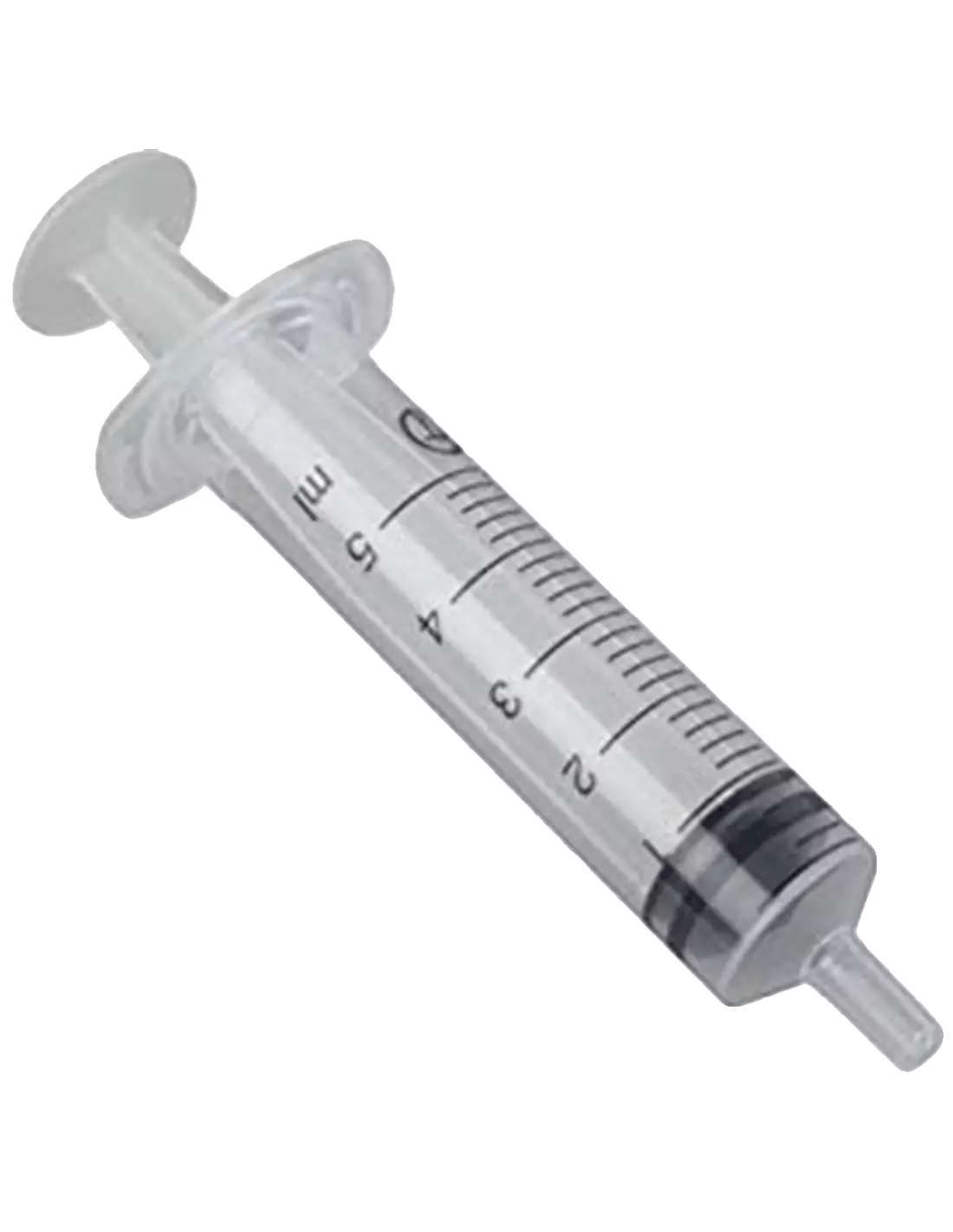
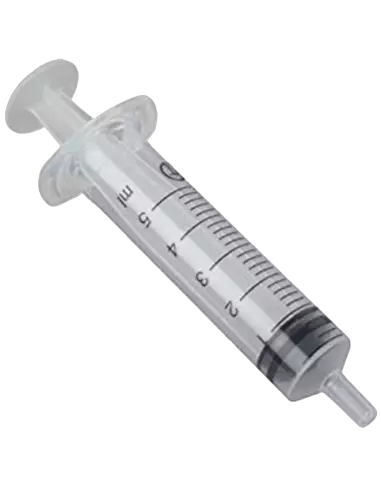
Syringe
307000500
Product available with different options
€0.70
0,85 € Tax incl.
0,85 € Tax incl.
Precision dosing syringe for catalysts and liquids. Available in 5, 10 and 20 ml.
The dosing syringe is an essential tool in any workshop working with resins, silicones or composites. It allows you to measure and dispense small amounts of catalyst, pigment or any low-viscosity liquid with millimetre precision, avoiding proportion errors that would ruin the mix.
Technical specifications
| Available capacities | 5 ml, 10 ml, 20 ml |
|---|---|
| Main use | Dispensing catalysts, pigments and low-viscosity liquids |
| Measurement type | Volumetric |
| Mechanism | Plunger with graduated cylinder |
What it's used for
The syringe is the go-to tool when you need to measure small, exact amounts of liquid components. In resin and silicone work, even a minor error in catalyst proportion can compromise the entire casting or moulding. With the syringe you control that variable without relying on scales for very small volumes.
- Dispensing catalysts for polyester and epoxy resins
- Measuring Agente de Curado 83 and other silicone accelerators
- Controlled addition of liquid pigments and dyes to resins
- Injecting liquid resin or silicone into narrow cavities or closed moulds
- Dispensing additives in small proportions (internal release agents, retarders, etc.)
- Precise loading and dispensing of liquids in laboratory and prototyping work
How to use it
- Choose the right syringe for the volume you need to measure: 5 ml for very small amounts, 10 or 20 ml for larger volumes.
- Insert the tip of the syringe into the container holding the liquid to be dispensed.
- Pull the plunger slowly back until it reaches the graduation mark corresponding to the desired amount. The vacuum generated draws the liquid into the cylinder.
- Remove the syringe from the original container and eliminate any air bubbles by gently pressing the plunger with the tip pointing upwards.
- Apply the liquid to the mix by pushing the plunger in a controlled and steady manner until the cylinder is completely empty.
- Clean the syringe immediately after use with an appropriate solvent or water, depending on the material dispensed, before it solidifies inside.
Usage tips
Choose the right size for the job
For catalysing resins in mixes under 500 g, the 5 ml syringe is the most precise option. For larger volumes or when working with higher catalyst ratios, the 10 or 20 ml syringes offer greater convenience without sacrificing accuracy. Use a precision scale alongside it when the manufacturer specifies proportions by weight rather than volume.
Immediate cleaning — the key to reusing it
Resin catalysts can polymerise inside the cylinder if you leave the syringe uncleaned. As soon as you finish, draw in clean solvent (acetone for polyester resins, isopropyl alcohol for epoxy) and pump the plunger several times until it runs clean. If the liquid has already hardened, the syringe will be unusable.
Avoid cross-contamination
Use a different syringe for each type of product, or clean thoroughly between uses. Traces of catalyst in a container of base resin can trigger premature curing. If you regularly work with several materials, the most practical approach is to keep several syringes labelled by product.
Frequently asked questions
What is a syringe used for in the workshop?
It is used to accurately measure and dispense small amounts of liquids, especially catalysts, curing agents and pigments. In resin and silicone work, maintaining the exact proportion is essential for a correct cure, and the syringe is the simplest and most reliable tool for achieving this in small volumes.
What size syringe do I need?
It depends on the volume of catalyst or additive you are going to measure. For small mixes or very low catalyst ratios (1–2%), the 5 ml syringe is the most precise. For larger mixes or higher ratios, the 10 or 20 ml syringes are more convenient. Feroca offers all three capacities to suit any job.
Can it be used to measure by weight instead of volume?
The syringe measures by volume (ml). If the product's technical data sheet specifies proportions by weight (grams), you need to know the liquid's density to convert the value, or better still, use a precision scale directly. For polyester resin catalysts, where the ratio is usually given as a percentage by weight, the syringe still works well as a quick reference for standard mixes.
How do you clean it correctly?
Immediately after use, draw in the appropriate solvent for the material used (acetone for polyester resins, isopropyl alcohol for epoxy) and move the plunger back and forth several times until the cylinder is clean. Do not wait for the material to cure inside: once hardened, the cylinder is unusable.
Can I inject silicone with a syringe?
Yes, as long as the silicone has a low enough viscosity to be drawn in and expelled without excessive resistance. It is a common technique for filling narrow cavities in closed or two-part moulds, or for injecting with control into hard-to-reach spaces. Clean the syringe before the silicone starts to gel.
What other materials can it be used with?
With any low to medium viscosity liquid: polyester and vinylester resin catalysts, epoxy resin components, liquid pigments, accelerators and curing agents such as Agente de Curado 83, liquid internal release agents, and other additives in small proportions.
Is it reusable?
Yes, with proper and immediate cleaning after each use. Service life depends on how carefully it is handled and the materials it is used with. Some aggressive solvents can deteriorate the plunger over time, so it is worth checking the seal condition before each use to ensure accurate dispensing.
No reviews
Tap to zoom