Shopping Cart


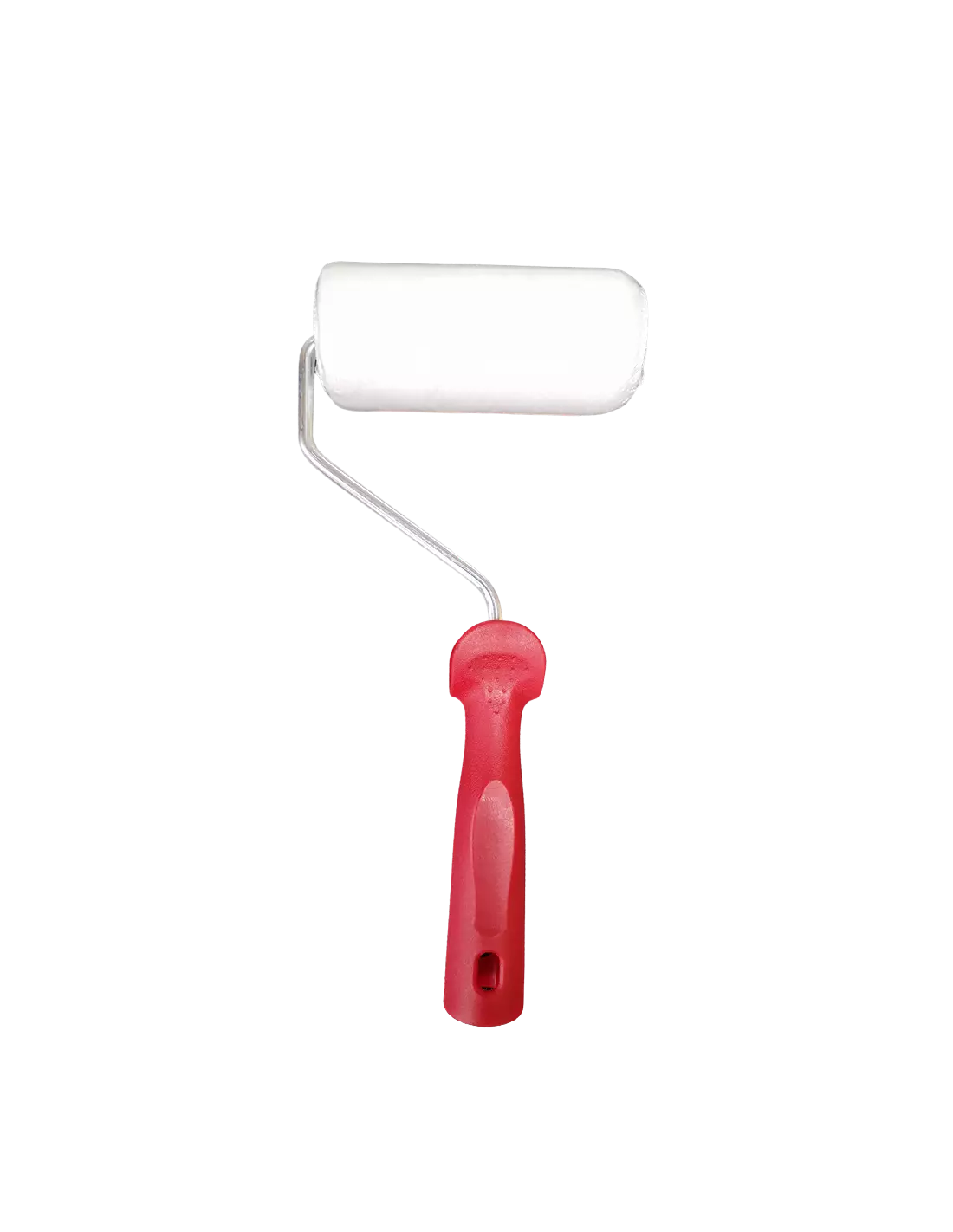
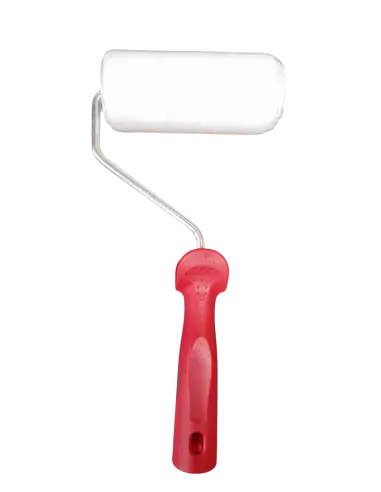
Special Roller Resin Laminates
305020000
€4.20
5,08 € Tax incl.
5,08 € Tax incl.
Caster fibre roller for laminates with polyester, epoxy and similar resins. Resistant to solvents and acetones.
The special roller for laminates is designed to apply and consolidate fibreglass, carbon or aramid fabrics impregnated with resin, eliminating bubbles and ensuring a uniform lamination. Its short polyester fibre nap and polypropylene core with chrome rod make it compatible with polyester, epoxy and similar resin systems, withstanding continuous exposure to solvents and acetones without degrading.
Technical specifications
| Feature | Detail |
|---|---|
| Nap type | Caster fibre, short nap |
| Core | Polypropylene with chrome rod |
| Handle and end caps | Polyethylene |
| Chemical resistance | Solvents, acetones and reactive resins |
| Main application | Laminates with polyester, epoxy and similar resins |
What it is used for
This roller is designed for hand lamination work with reinforcement fibres and reactive resins. Its chemical-resistant construction makes it a daily-use workshop tool, suitable for both short production runs and repetitive series.
- Application and distribution of polyester or epoxy resin over fibreglass mat and fabrics
- Lamination of carbon fibre and aramid/kevlar in moulds
- Uniform impregnation of the surface veil before applying structural layers
- Consolidation of successive layers in thick-wall laminates
- Repair and reinforcement work with fibre patches
How to use it
- Cut the fibre to the size of the mould with special scissors for technical fibres and lay it dry on the surface.
- Catalyse the polyester resin (approximately 1.5% catalyst by weight) or prepare your epoxy mix according to the manufacturer's instructions.
- Apply resin onto the fibre with a special laminating brush to spread the first layer.
- Pass the roller with gentle pressure and movements in different directions until the fibre becomes completely translucent with no dry white patches.
- Remove remaining bubbles with the metal deaeration roller, especially in areas with complex geometry.
- Repeat the process layer by layer until the desired thickness is achieved, observing the gel time between layers if the process requires it.
- Clean the roller immediately after use with acetone or another suitable solvent to prevent the resin from curing on the nap.
Usage tips
Cleaning after each use
Immediate cleaning is key to extending the roller's lifespan. As soon as you finish laminating, submerge the nap in acetone or cleaning solvent and roll it over a flat surface to release the impregnated resin. If the resin gels on the nap, the roller loses its effectiveness and is very difficult to recover.
Pressure and rolling technique
Do not apply too much pressure: the goal is to impregnate the fibre, not to push the resin into adjacent areas. Work with cross passes (lengthwise and crosswise) to ensure even distribution. In corners and tight radii, combine it with the laminating brush for better access to detail areas.
Layer order and use of surface veil
If you want a clean surface finish, always start with the 34 g/m² surface veil as the first layer on the mould. The short-nap roller is ideal for impregnating it without displacing it, as its fine texture requires a delicate tool. Structural mat or fabric layers follow afterwards.
Frequently asked questions
What types of resin is this roller compatible with?
This roller is compatible with polyester, vinyl ester and epoxy resins, as well as any reactive system that requires solvents or acetones for cleaning. Its construction in polypropylene, polyethylene and chrome rod withstands the typical chemical exposure in a laminating workshop without degrading.
What is the difference between this roller and the metal deaeration roller?
They are complementary tools. The short-nap roller is used to distribute and impregnate the resin into the fibre. The metal deaeration roller has rigid discs that penetrate the laminate to expel trapped air bubbles. In a proper lamination process, both are used: first the nap roller to impregnate, then the metal one to deaerate.
Can I reuse it if I clean it properly?
Yes. If you clean it with acetone or another compatible solvent immediately after each use, the roller can be reused many times. The key is not to let the resin cure on the nap. Once gelled, recovery is very difficult and the most practical option is to replace it.
Is it suitable for laminating carbon fibre and kevlar?
Yes, it is suitable for technical fibres such as carbon, kevlar and aramid, provided the resin used is compatible. To cut these materials beforehand, it is recommended to use special scissors for carbon, kevlar and aramid, as high-modulus fibres quickly wear out conventional scissors.
What catalyst ratio does polyester resin require?
For laminating polyester resins, the standard catalyst ratio is approximately 1.5% by weight, with an operating range of between 1% and 2% depending on ambient temperature. At low temperatures, slightly increase the ratio; at high temperatures, reduce it to avoid excessively fast gelation. Always weigh both components accurately.
How do you achieve a good surface finish in a laminate?
Surface finish depends mainly on the first layer. Always apply a 34 g/m² surface veil as the first layer on the mould, well impregnated and bubble-free. The short-nap roller is ideal for this task due to its gentleness with fine fibres. Structural mat or fabric layers are added afterwards once the veil layer has gelled.
What should I use to clean the roller after using epoxy resin?
For epoxy resins, clean the roller with epoxy-specific solvents or with acetone before the resin gels. Roll the nap over absorbent paper or cloth while applying the solvent to draw out the impregnated resin. Work in a ventilated space and with appropriate PPE (gloves, eye protection).
No reviews
Tap to zoom