Shopping Cart



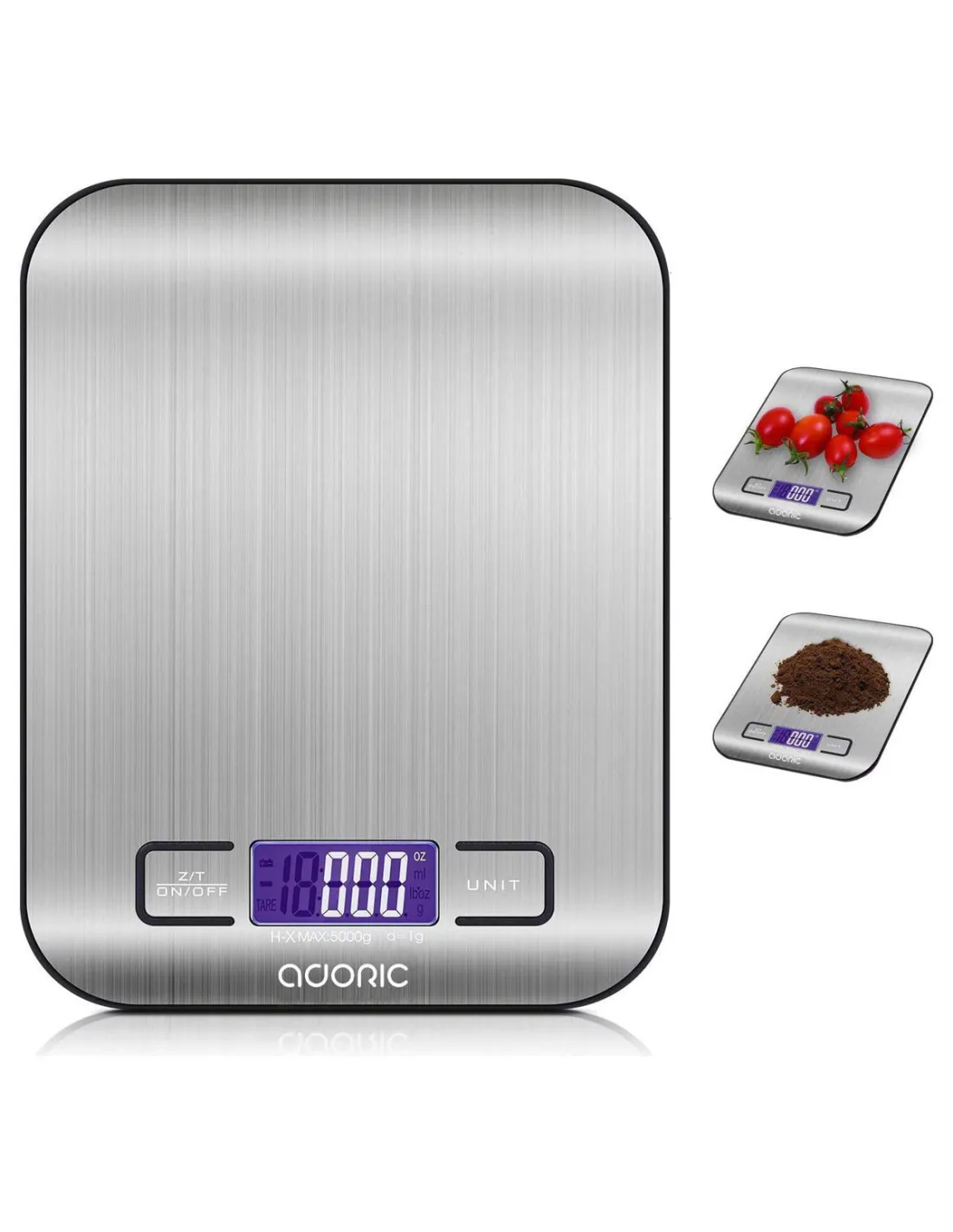
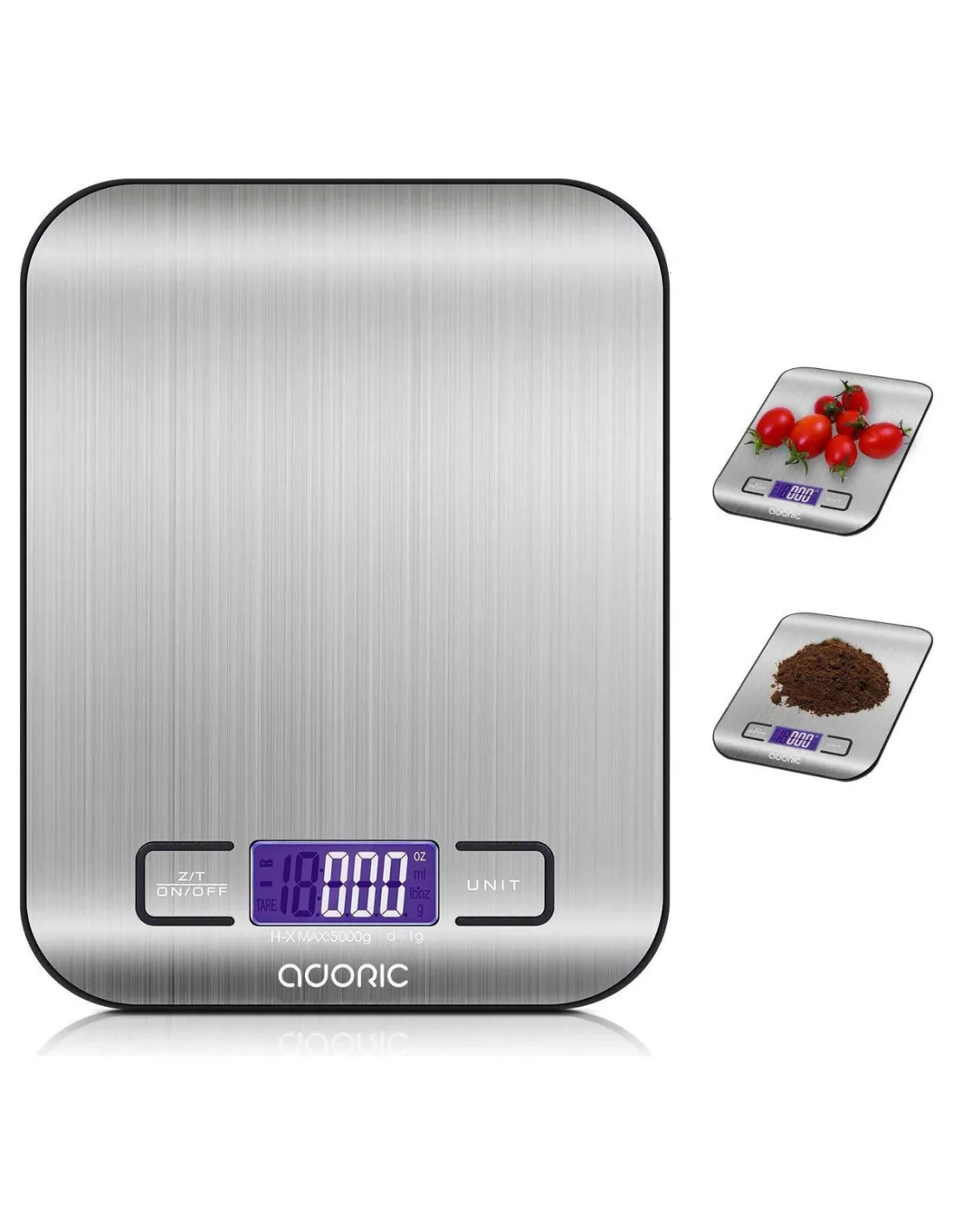
Precision Scale 5Kg/1gr.
308108001
€12.50
15,13 € Tax incl.
15,13 € Tax incl.
Digital precision scale up to 5 kg in 1 g intervals. Runs on 2 AAA batteries (not included).
The 5 kg / 1 g precision scale is the essential dosing tool for any moulding, composites or special effects workshop. With a capacity of up to 5 kg and a resolution of 1 gram, it lets you accurately weigh the components of resins, silicones and other materials where the correct ratio is critical to the final result.
Technical specifications
| Feature | Value |
|---|---|
| Maximum capacity | 5 kg |
| Resolution / Minimum interval | 1 g |
| Power supply | 2 AAA batteries (not included) |
What it is used for
In the workshop, the difference between a perfect mould and a failed one often comes down to a poorly measured ratio. This scale lets you accurately dose the components of any two-part material or material with a defined catalyst percentage:
- Mixing polyurethane, epoxy or polyester resins at the correct ratio
- Weighing condensation or addition silicones before adding the catalyst
- Dosing pigments, fillers and additives in small quantities
- Controlling the weight of moulds and parts during the production process
- Weighing composite materials (fibre, resin, hardener) before laminating
- Any workshop process where the weight ratio is critical
How to use it
- Install 2 AAA batteries in the scale's battery compartment.
- Place the scale on a flat, stable surface.
- Turn it on and wait until it displays "0.0" on screen.
- Place the mixing container on the platform and press "Tare" (zero/tare function) to subtract the weight of the container.
- Add the first component until you reach the weight indicated in the material's TECHNICAL DATA SHEET.
- Tare again if you need to weigh the second component in the same container, or use an auxiliary casting ladle to weigh it separately.
- Mix the components according to the material manufacturer's instructions.
Usage tips
Always use the tare function
Before pouring any material, place the cup or container on the scale and press tare. This way you will only weigh the material, not the container. With high-cost materials such as platinum silicones, this step avoids costly mistakes. Use a syringe for fine catalyst adjustments in very small quantities.
Protect the scale in the workshop
Resins and silicones can damage the platform if you spill material onto the electronics. Cover the scale surface with cling film or a light protector before using it. Keep the batteries out when not using it for extended periods to avoid corrosion on the contacts.
1 g resolution: when it is enough and when it is not
With a resolution of 1 g, this scale is suitable for mixes of 50 g and above. For catalysts at very low percentages (for example, 0.5% over 20 g of material), a 1 g error represents a high relative margin. In those cases, prepare larger batches or use a higher-precision scale. For most work with silicones and resins at standard ratios (1:1, 10:1, 100:10), a 1 g resolution is perfectly adequate.
Frequently asked questions
What type of batteries does it need?
It runs on 2 standard AAA batteries. Batteries are not included with the scale, so have them on hand before you start working.
Is a 1 gram resolution sufficient for mixing resins and silicones?
For most workshop tasks, yes. Two-component silicones and resins are usually worked in batches of several tens or hundreds of grams, where a 1 g error represents a minimal margin. Only in very small mixes or with catalyst percentages below 1% might it be insufficient.
Can I use this scale to weigh pigments and additives?
Yes, as long as the quantities to be weighed are 1 g or more. For dyes and pigments at proportions of 0.1–0.5% in small mixes, the resolution may fall short and it is preferable to prepare a pre-mix in a larger quantity.
How do you use the tare function?
Place the empty container on the platform, press the tare button (also called "zero" or "0/T") and the display will return to 0. From that point on, only the weight of the added material is counted, not the container.
What do I do if the display does not go to zero when switched on?
Make sure the scale is on a flat surface and that nothing is on the platform. Press the tare button or switch it off and back on. If the problem persists, check that the batteries have sufficient charge.
How often do the batteries need to be replaced?
It depends on usage. In a workshop with moderate daily use, AAA batteries typically last several months. Remove the batteries if you are not going to use the scale for an extended period to avoid corrosion on the contacts.
Can I weigh the material directly in the mixing container?
Yes, this is the most common approach. Use the tare function to subtract the weight of the container, add the first component to the desired weight, tare again and add the second. Alternatively, weigh each component separately in a casting ladle before combining them.
No reviews
Tap to zoom