Shopping Cart



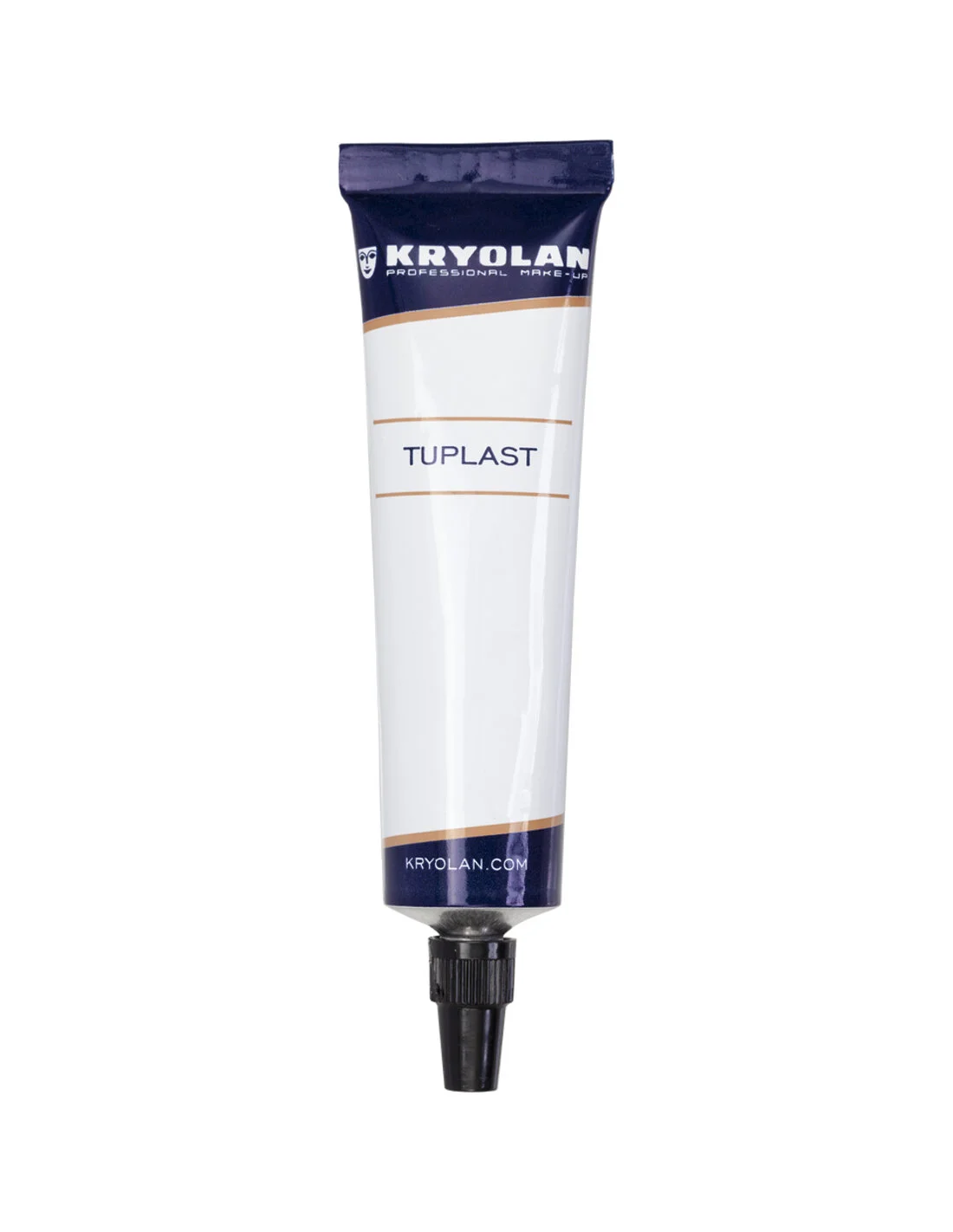
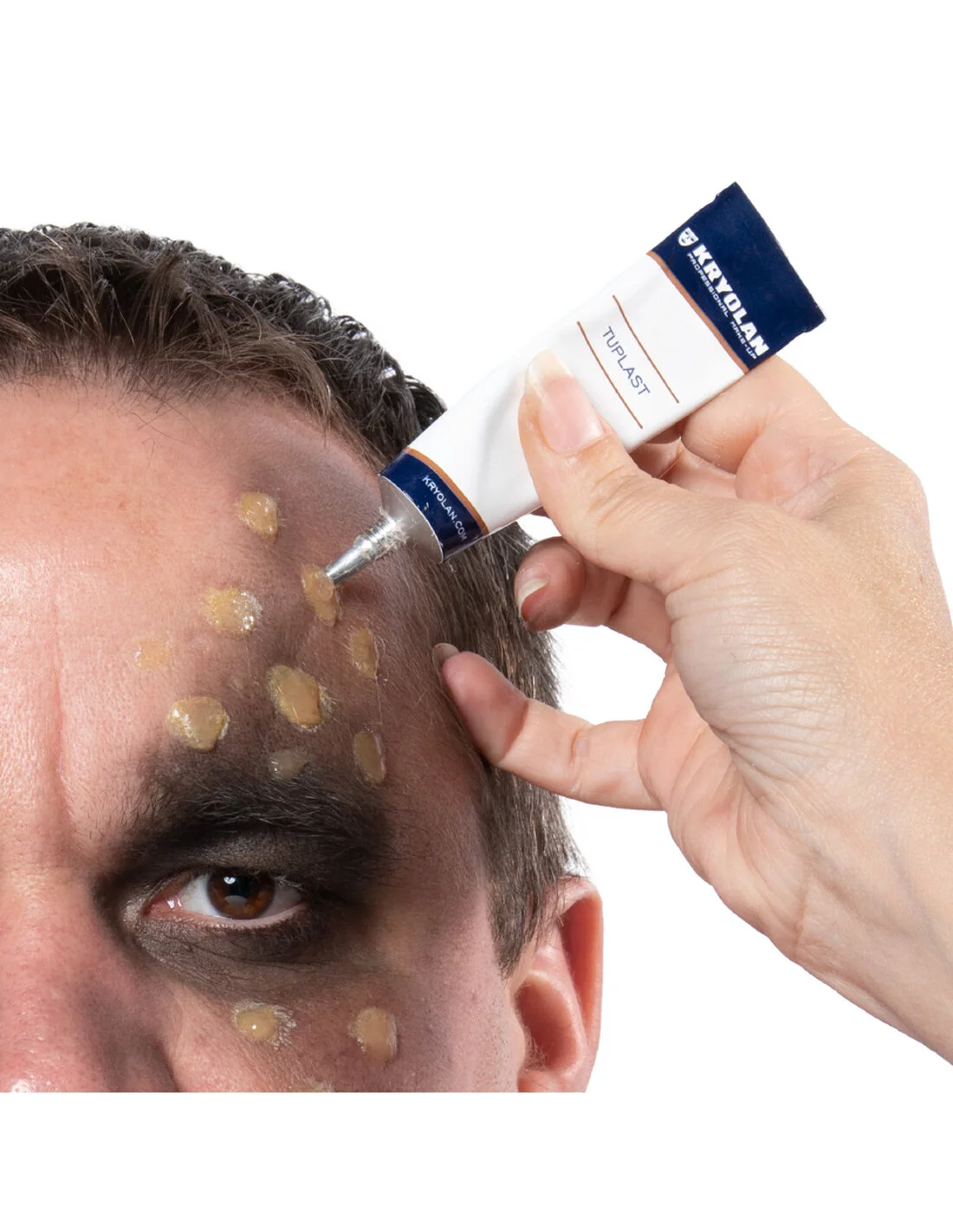
Tuplast Clear - Creador de Cicatrices 15 ml
272110018
€20.00
24,20 € Tax incl.
24,20 € Tax incl.
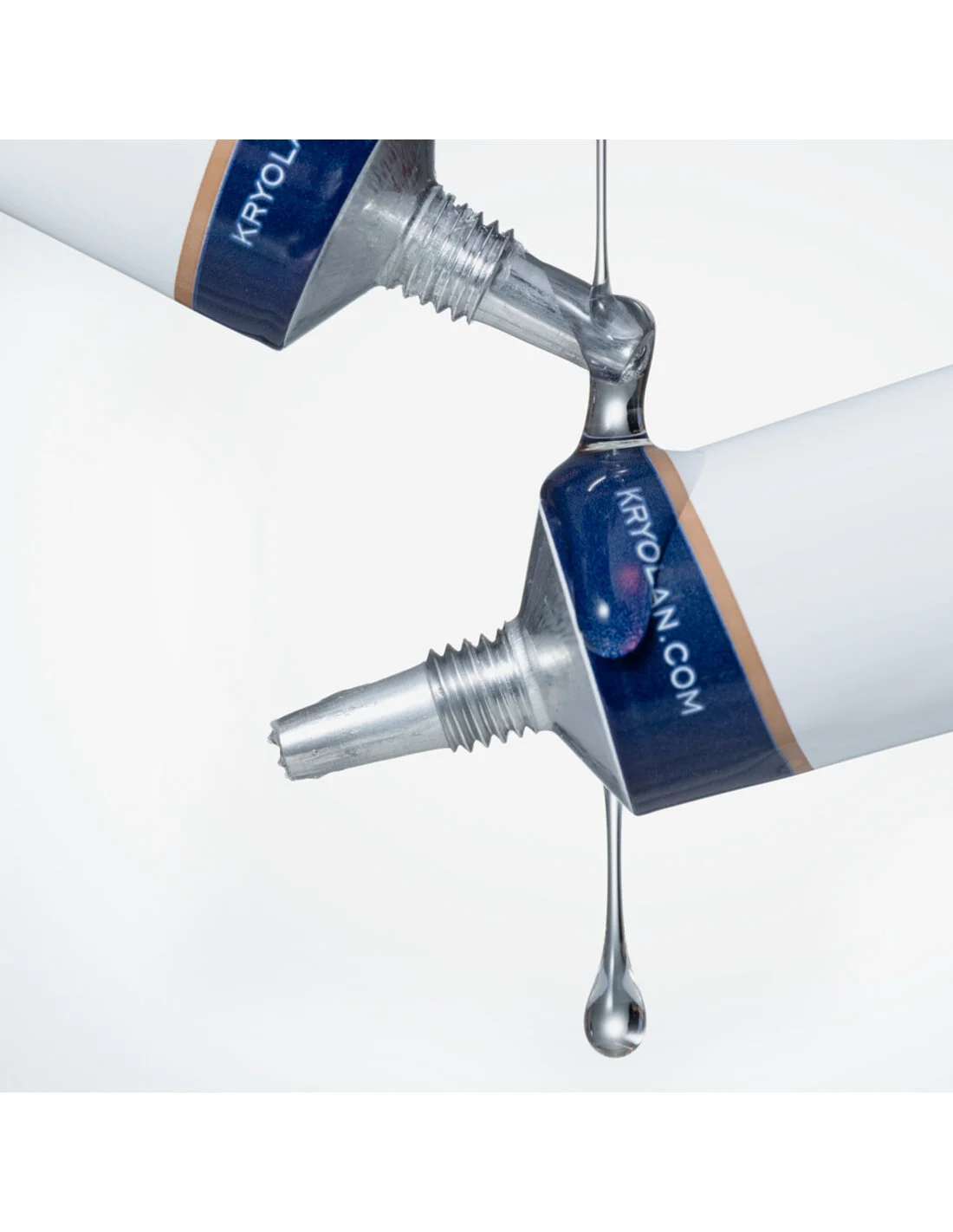
Transparent liquid plastic for creating realistic scars and wounds. Applied directly from the tube, waterproof when dry. 15 ml.
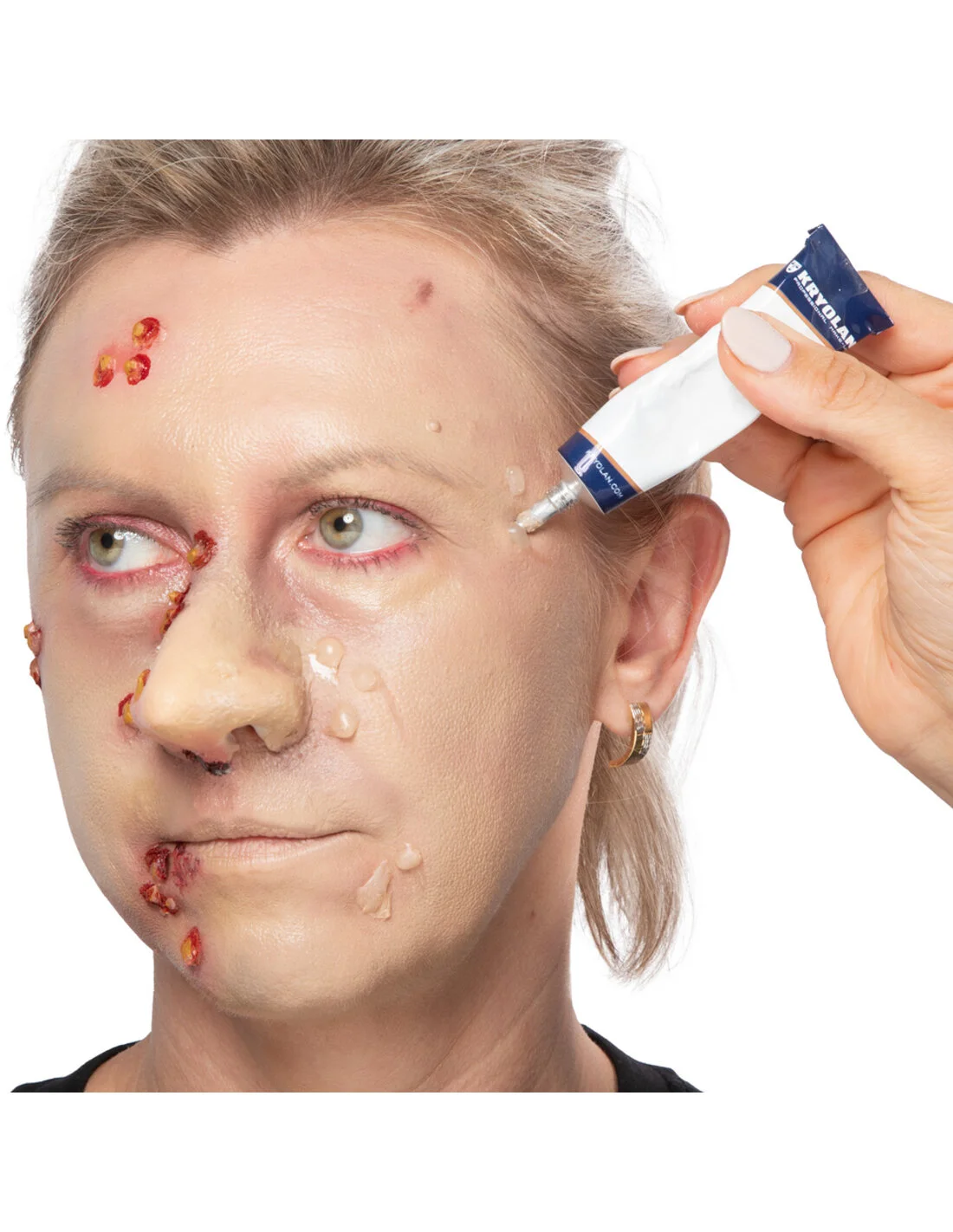
Tuplast Clear is a transparent synthetic liquid plastic developed specifically for special effects makeup artists. Applied directly from the tube onto the skin, it can be reshaped while still tacky and, once dry, becomes waterproof and flexible. It is the fast, reliable resource for creating scars, wounds, blisters and other skin anomalies with a realistic finish.
Technical specifications
| Format | Tube with cannula, 15 ml |
|---|---|
| Version | Clear (transparent) |
| Material type | Synthetic liquid plastic |
| Application | Direct from tube onto skin |
| Dry finish | Waterproof, flexible, peelable |
| Components | Contains acetone |
| Classification | Dangerous goods |
| Manufacturer | Kryolan (art. 02599/00) |
What it is used for
Tuplast Clear is an essential tool in any special effects makeup artist's kit, both in audiovisual productions and in theatre, Halloween events or photo shoots. Its transparent nature allows it to be coloured and adapted to any skin tone with the appropriate pigments.
- Creating realistic scars on skin
- Simulating open wounds, cuts and lacerations
- Modelling blisters, superficial burns and skin anomalies
- Quickly building altered skin textures without a prior mould
- Torn or lifted skin effects for horror or fantasy characters
- Complementing foam or gelatin prosthetics to blend edges
How to use it
- Clean and dry the area of skin where you will apply the effect. Grease or sweat will reduce adhesion.
- Apply a thin layer of Fish Skin-type sealer or base sealer if you want greater grip and edge definition.
- Apply Tuplast Clear directly from the tube, using the cannula to control the amount and shape. Work in thin layers for greater control.
- While the material is still tacky, reshape it with a slightly damp spatula or your fingers. You can create raised areas, folds, broken edges or textures depending on the effect you want.
- Leave to dry. Drying time varies depending on the thickness of the application and the ambient temperature. The material transitions from tacky to flexible and dry to the touch.
- Once dry, colour the effect with skin-compatible water- or alcohol-based pigments (Supracolor or Dermacolor are particularly suitable according to the manufacturer). Add artificial blood or pus effect to increase realism.
- To remove, gently peel the material away from the skin. Being waterproof, it comes off in one piece without leaving difficult residues.
Important precautions: Tuplast Clear contains acetone. Use in well-ventilated spaces. Avoid contact with mucous membranes and eyes. May cause allergic skin reaction (H317) and drowsiness or dizziness when inhaled (H336). Keep the product out of reach of children. Classified as dangerous goods for transport.
Usage tips
Work in layers for greater volume and control
If you need a highly raised effect (a keloid scar, a pronounced blister), apply several thin layers, allowing each to dry slightly before the next. Trying to achieve all the volume in a single thick application makes uniform drying and control of the final shape much harder.
The spatula is your ally while it is fresh
The optimal point for reshaping Tuplast is when it is still tacky but no longer flowing freely. At that moment, a slightly dampened silicone or metal spatula lets you create defined edges, torn skin folds or textured surfaces. Once dry, the material can no longer be reshaped.
Colour before adding blood or fluids
The working order makes all the difference to the final result. Colour the Tuplast base first to match it to the skin tone, add the internal shadows of the wound, and save the artificial blood or synthetic pus effect for the last step, just before shooting or photographing. That way the effect looks fresh and wet when it matters.
Frequently asked questions
Can it be applied directly onto skin without any prior preparation?
Yes, Tuplast Clear can be applied directly onto clean, dry skin. To improve adhesion and edge definition, it is recommended to first apply a sealing base or skin sealer. On very oily or sweaty skin, adhesion may be reduced.
How long does it take to dry?
Drying time depends on the thickness of the applied layer and the temperature and ventilation of the environment. A thin layer can be dry to the touch within a few minutes. Thicker layers or multi-pass applications may require more time. The acetone it contains accelerates the drying process in well-ventilated conditions.
Can it be coloured once dry?
Yes. Being transparent, Tuplast Clear is designed to be coloured once dry. Alcohol-based pigments and cream-based skin makeups are the most compatible. The manufacturer indicates that Supracolor and Dermacolor are particularly suitable for this material.
Is it safe for all skin types?
Tuplast Clear may cause an allergic skin reaction in sensitive individuals (H317 classification). Before extensive use, it is recommended to perform a patch test on a small area of skin and wait for any reaction. Avoid contact with mucous membranes, eyes and damaged skin. Not suitable for minors without adult supervision.
How is it removed from the skin?
Once dry, Tuplast forms a flexible, waterproof film that can be peeled from the skin. It generally comes off in one piece by pulling gently from the edge. If there are any residues, they can be removed with cleansing oil or specific skin-cleaning products for special effects.
Can it be used over foam or gelatin prosthetics?
Tuplast Clear is primarily used on skin, but it can be applied to some porous surfaces to create additional textures or blend edges. For work on silicone prosthetics, there are more suitable specific adhesives and encapsulants available.
What is the difference between this product and Collodion for scars?
Collodion works by tensing the skin as it dries, creating the characteristic sunken, wrinkled effect of retracted scars. Tuplast, on the other hand, adds volume and relief on top of the skin, making it ideal for keloid scars, raised wounds, blisters or torn skin. They are complementary techniques and many makeup artists combine them.
Can the leftover material in the tube be reused?
Yes. Close the tube tightly with the cannula after each use to prevent the acetone from evaporating and the material from drying inside. Store the tube upright or on its side, at room temperature, away from heat sources. If the cannula tip becomes blocked, clean it with a fine object or cut the tip to access fresh material inside.
No reviews
Tap to zoom