Shopping Cart



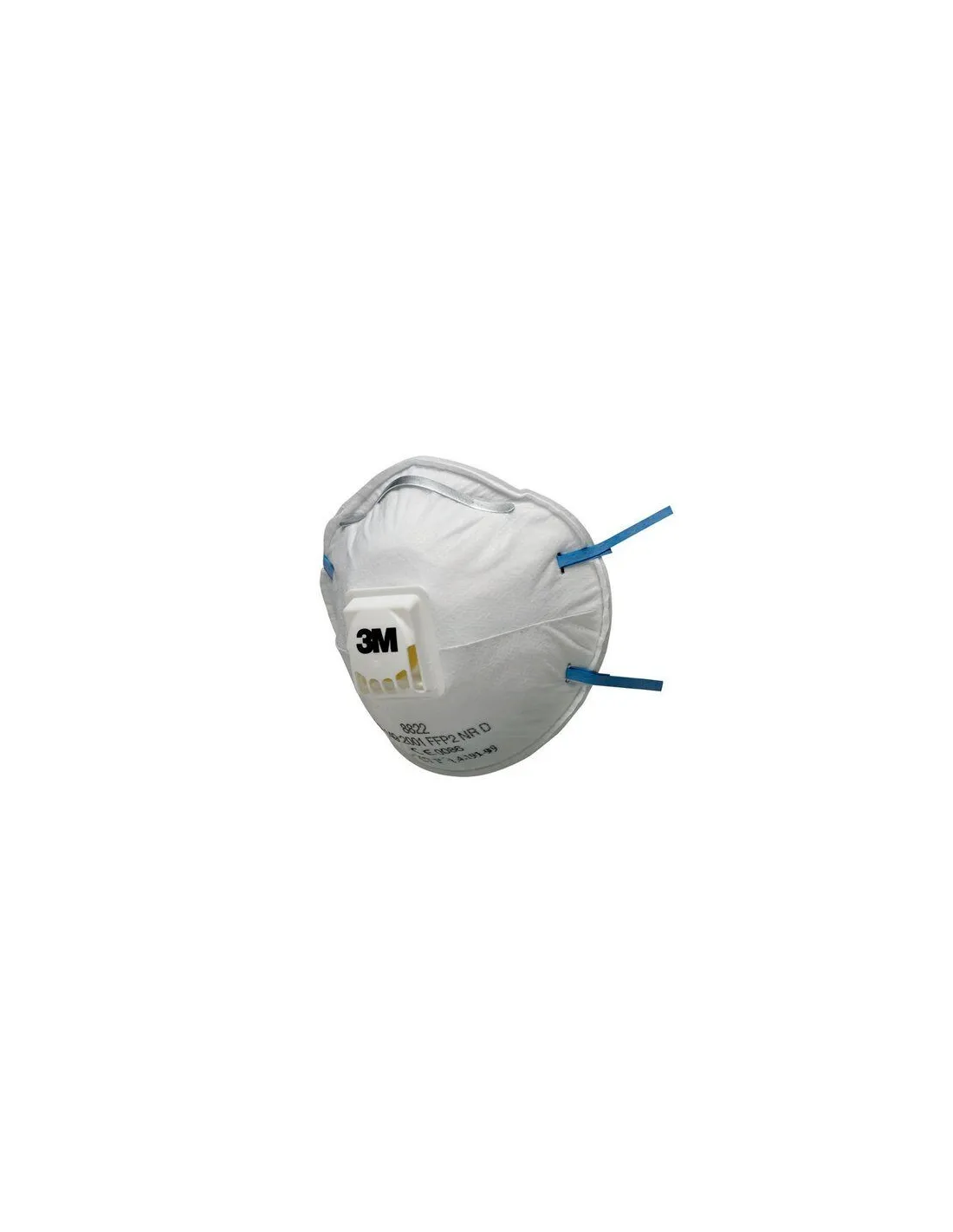
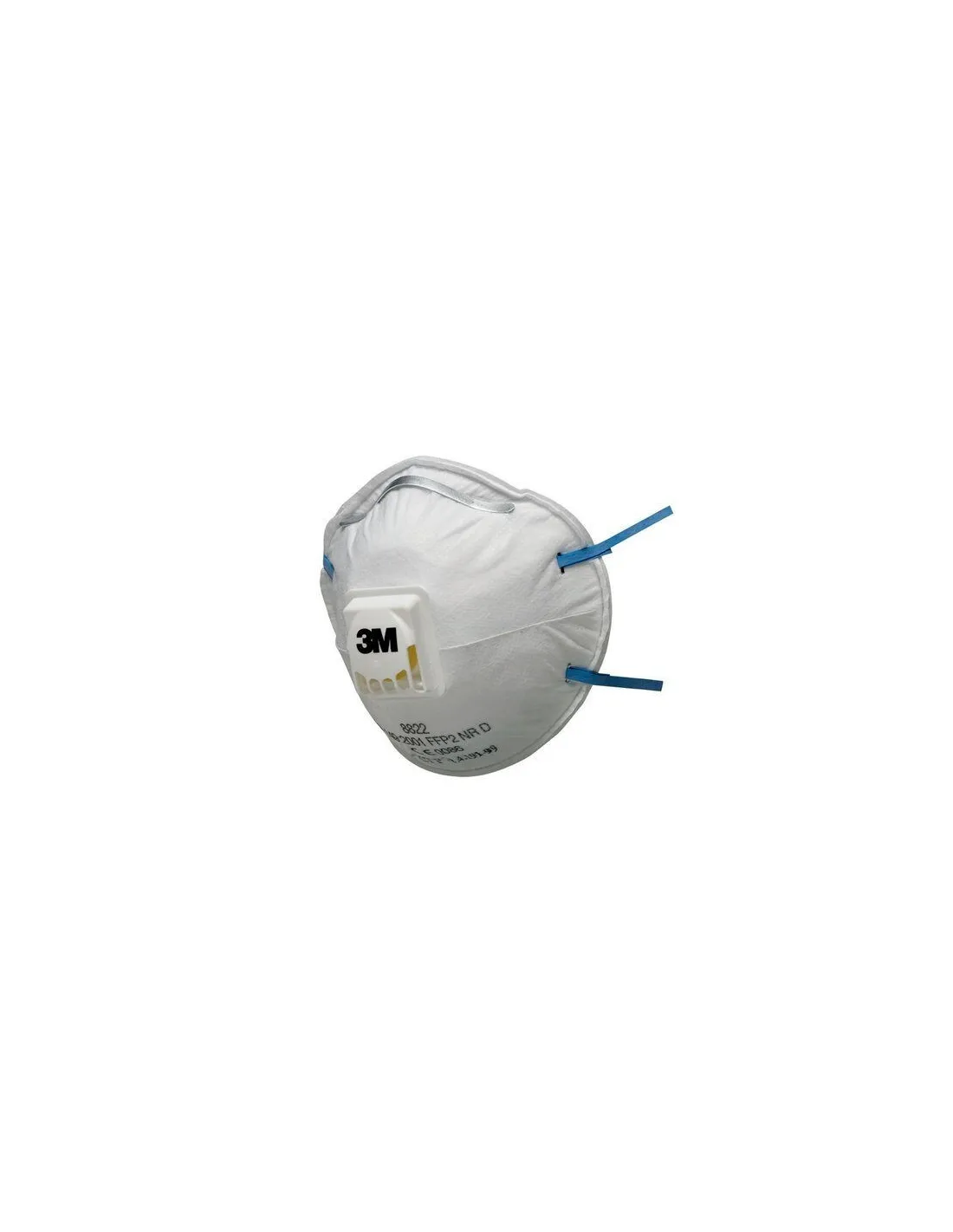
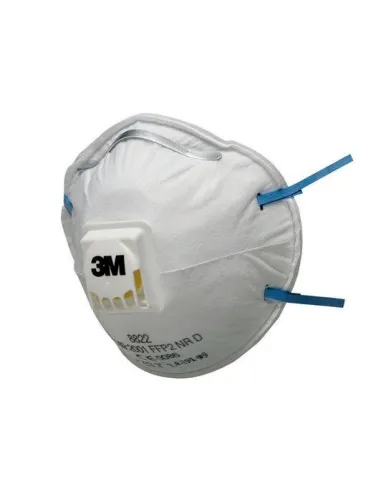
3M™ Particulate Respirator 8822 FFP2
309100109
€4.50
5,45 € Tax incl.
5,45 € Tax incl.
FFP2 respirator with Cool Flow™ valve. Certified EN 149:2001+A1:2009. Cup shape, dual strap and nose foam for maximum fit and comfort.
The 3M™ 8822 FFP2 is a particulate respirator with a Cool Flow™ exhalation valve designed to provide lightweight and effective respiratory protection against fine dust and mists in demanding work environments. Its cup shape, rigid inner shell and dual-strap system ensure a secure, comfortable fit on faces of all sizes, making it an essential PPE item in any workshop working with resins, silicones, composites or moulding materials.
Technical specifications
| Parameter | Value |
|---|---|
| Model | 3M™ 8822 |
| Protection level | FFP2 |
| Standard / Certification | EN 149:2001+A1:2009 FFP2 NR D — CE Approved |
| Style | Cup shape |
| Exhalation valve | 3M™ Cool Flow™ |
| Retention system | Dual elastic strap |
| Nose seal | Foam + adjustable nose clip |
| Reusable | No (disposable) |
| NR marking | Not reusable (one working shift) |
| D marking | Passed dolomite clogging test |
What it is used for
The 3M™ 8822 FFP2 is designed to protect the respiratory tract against solid particles and non-volatile liquid mists in industrial, workshop and manufacturing environments. In the context of Feroca, it is the essential safety complement when handling powdered materials, mixing resins or working with fibres and composite materials.
- Sanding and cutting fibreglass, carbon or aramid parts
- Handling powder fillers: calcium carbonate, glass microspheres, talc, metal oxides
- Mixing powder pigments for resins, silicones or paints
- Spraying powder Release agents or wax sprays
- Sanding and finishing polyurethane, epoxy or polyester parts
- Environments with wood dust, plaster or ceramic materials
- Any workshop process that generates fine airborne particles
How to use it
- Hold the respirator with the valve facing down and the elastic straps facing outward.
- Rest your chin inside the cup and pull the straps over your head: the upper strap above the ears, the lower strap below.
- Adjust the nose clip with both hands, pressing inward and following the contour of your nose.
- Perform the positive fit check: exhale forcefully; if you feel air leaking around the edges, readjust the clip and reposition the respirator.
- Perform the negative fit check: cover the valve with your palm and inhale gently; the respirator should collapse slightly with no outside air entering.
- Remove the respirator by pulling on the straps without touching the front panel.
- Dispose of it at the end of the shift or when breathing becomes noticeably more difficult.
Usage tips
Compatibility with other PPE
The cup shape of the 3M™ 8822 is designed to be compatible with nitrile gloves and eye protection without compromising the facial seal. If you are working with particle projection, always combine it with safety goggles. In FX prosthetics or platinum silicone moulding projects, the complete PPE set — nitrile gloves, goggles and respirator — is the recommended standard practice.
Limitations of the FFP2 level
FFP2 filters at least 94% of airborne particles, but does not retain organic gases or vapours. If you are working with polyurethane resins, uncured epoxy or solvents, you need a gas filter respirator or a reusable mask with a combination cartridge. Use the 8822 FFP2 specifically when the hazard involves solid particles or mists.
Storage and shelf life
Store unused respirators in their original bag, in a dry place away from direct sunlight. The expiry date is printed on the packaging; an expired respirator may have lost its filtration or nose seal properties. Do not reuse a respirator that has been exposed to intense moisture or that shows deformation of the cup.
Frequently asked questions
What is the difference between FFP1, FFP2 and FFP3?
FFP categories indicate minimum filtration efficiency. FFP1 filters at least 80% of particles, FFP2 at least 94% and FFP3 at least 99%. For fine workshop dust, composite sanding or powder pigments, the FFP2 level as offered by the 3M™ 8822 is the recommended minimum standard. FFP3 is reserved for particularly hazardous particles such as asbestos or heavy metals.
What does "NR D" mean in the certification?
"NR" (Not Reusable) indicates that the respirator is certified for a single working shift. "D" means it has passed the dolomite clogging test, which ensures it maintains its filtration properties even in environments with high particle concentrations throughout the entire shift.
Does the exhalation valve reduce the protection of the respirator?
No. The Cool Flow™ valve acts only during exhalation, expelling the warm, moist air generated by the wearer. Filtration during inhalation occurs entirely through the respirator material, with the valve playing no part. The result is greater thermal comfort without sacrificing the FFP2 protection level.
Does this respirator also protect against resin or solvent vapours?
No. The 3M™ 8822 FFP2 filters solid particles and mists, but does not retain organic vapours or gases. To work with uncured resins, catalysts, solvents or products with high VOC emissions, you need a reusable mask with a gas filter cartridge. Always check the safety data sheet of each material to determine the appropriate type of respiratory protection.
How long can I use a disposable FFP2 respirator?
The "NR" marking indicates it is designed for one continuous working shift, not for reuse between days. You should dispose of it when you notice increased breathing resistance, when the cup is deformed, when it has been exposed to intense moisture, or at the end of the shift if it has been in contact with contaminating materials.
How do I know if the respirator fits me correctly?
Always perform the positive and negative fit checks described in the usage instructions. A poor fit due to a beard, facial scars or face shape can drastically reduce the respirator's effectiveness, regardless of its certification level. Carefully adjust the nose clip over the bridge of your nose to ensure a perimeter seal.
What other PPE should I use alongside the respirator in the workshop?
For moulding, composite or special effects work, the recommended PPE set includes powder-free nitrile gloves to avoid dermal contact with resins and catalysts, safety goggles against splashes, and the appropriate respirator for the type of hazard (particles or gases depending on the material). Always consult the safety data sheet of the product you are using.
Can I use this respirator with safety goggles without losing the seal?
Yes. The cup shape of the 3M™ 8822 is designed to be compatible with eye protection. The nose foam and adjustable clip allow the respirator to maintain its seal even when wearing goggles, as long as they do not interfere with the cheek contact area. It is recommended to wear eye protection over the respirator and adjust both items separately.
No reviews
Tap to zoom