Shopping Cart



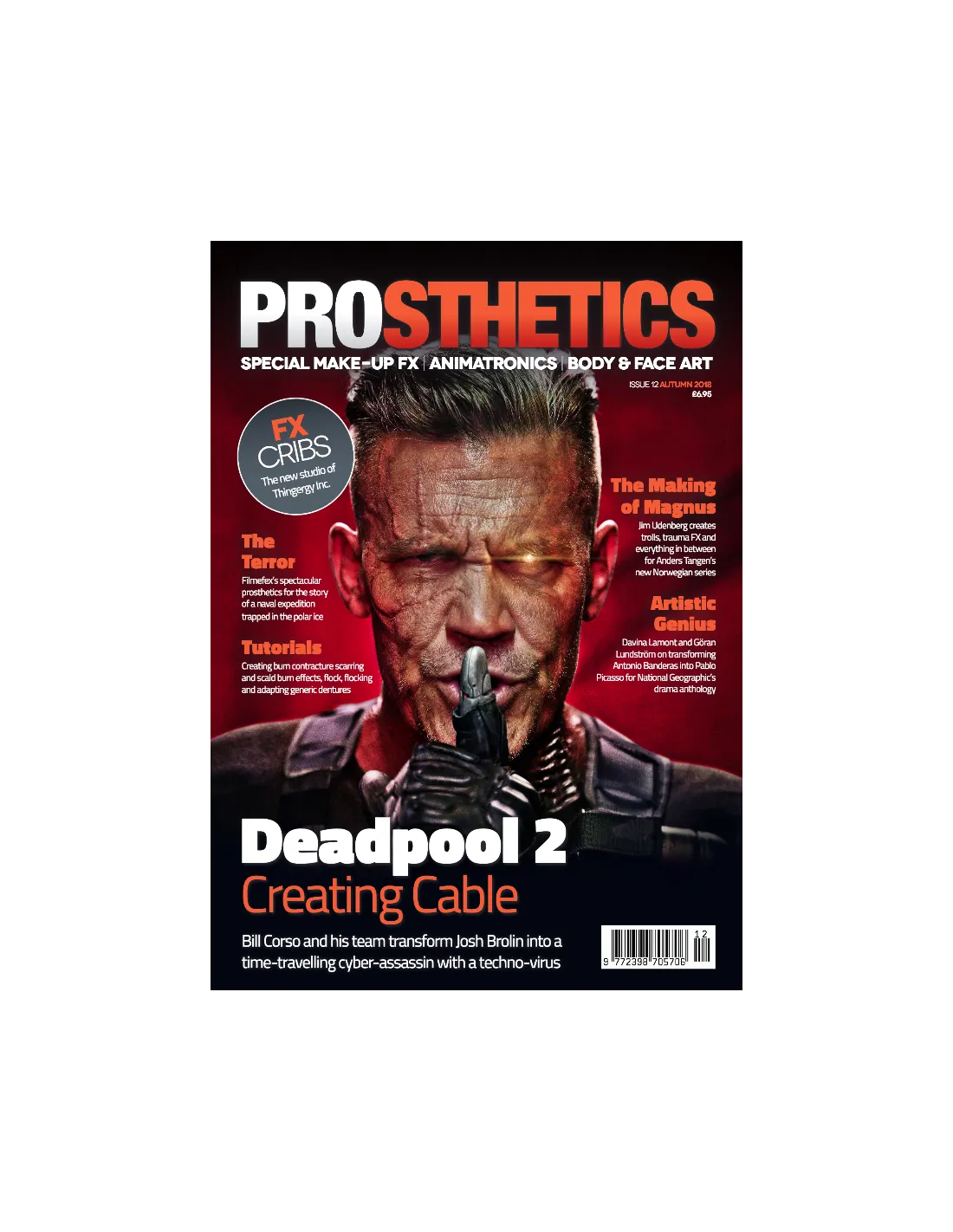
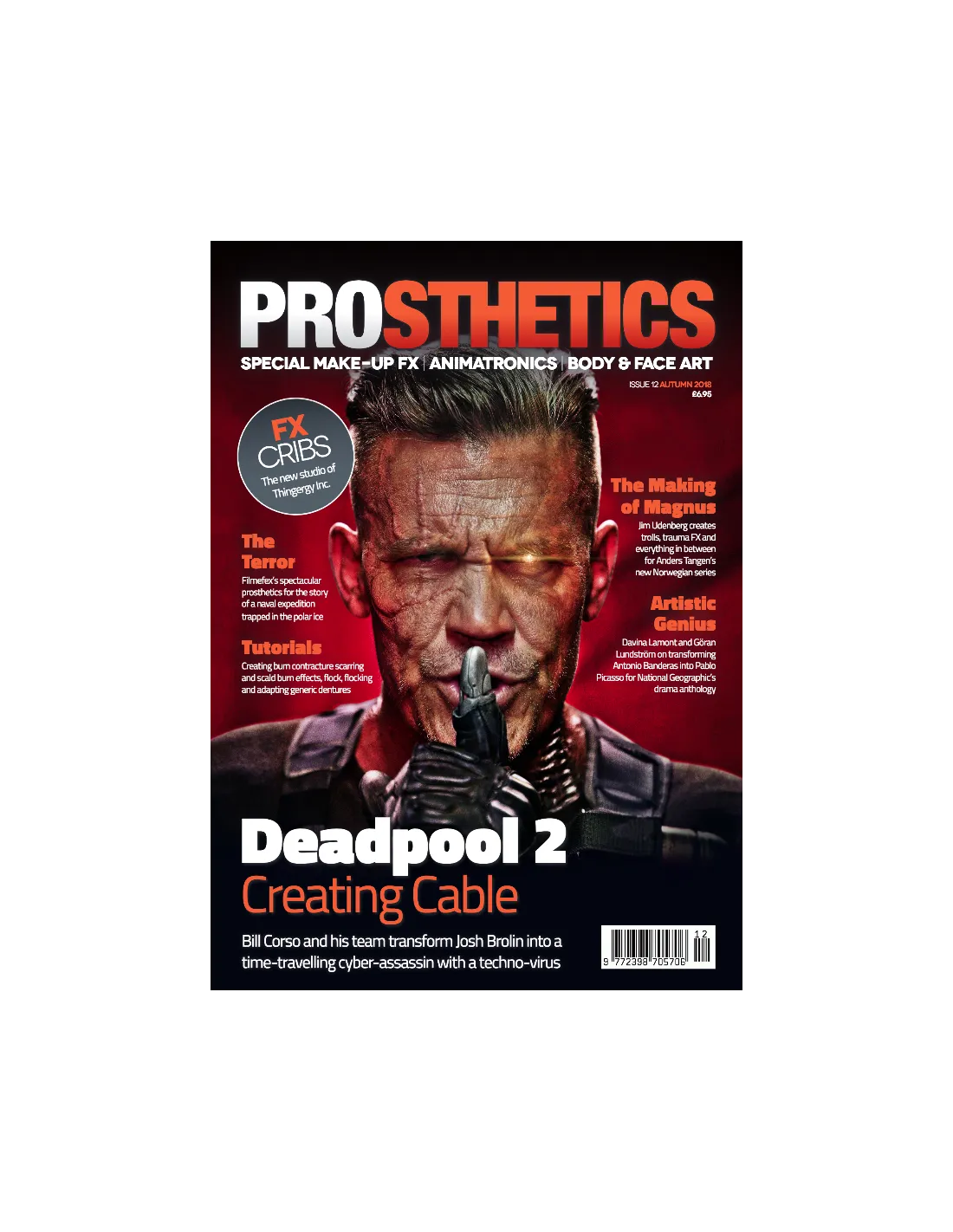
Prosthetics Magazine Nº12
600000013
€10.30
10,71 € Tax incl.
10,71 € Tax incl.
Prosthetics Magazine Nº12, specialist magazine on special effects for film and TV, produced by Neill Gorton. Tutorials, interviews and professional techniques.
Prosthetics Magazine is the world's first independent magazine entirely dedicated to special makeup effects, prosthetics and character design for film and television. Issue 12, produced by Neill Gorton —internationally acclaimed FX artist and founder of Gorton Studio— brings together detailed tutorials, material analysis and in-depth interviews with the most prominent professionals in the industry. If you work in FX, special effects or simply want to learn from the best, this issue is an essential reference for your workshop library.
Technical specifications
| Feature | Detail |
|---|---|
| Title | Prosthetics Magazine Nº12 |
| Issue | 12 (Autumn 2018) |
| Production | Neill Gorton |
| Main topic | Prosthetics, FX makeup, special effects for film and TV |
| Language | English |
| Format | Printed magazine |
| Content | Tutorials, interviews, technical material information |
What it is used for
This magazine is a training and reference tool for any professional or student in the world of special effects. Each issue combines theory, practice and the direct insight of artists working on world-class productions. Issue 12 covers in detail processes and materials that you can apply directly in your workshop:
- Learn prosthetics fabrication techniques for film and television.
- Find out which materials professionals use and how they apply them in real production.
- Follow step-by-step tutorials explained by internationally recognised artists.
- Update your knowledge on trends and techniques in the FX industry.
- Broaden your perspective through interviews with makeup directors, prostheticians and FX supervisors.
- Understand the complete workflow from sculpting through to on-set application.
- Draw inspiration from real projects from high-budget productions.
How to use it
- Browse the index at the beginning to identify the articles and tutorials that interest you most based on your level and speciality.
- Read the technical tutorials with the relevant materials in front of you so you can replicate the process directly in your workshop.
- Take note of the materials mentioned in each technique: many are available in the Feroca catalogue.
- Consult the interviews to understand the professional context and criteria for selecting materials in production.
- Keep the magazine as a reference: it is common to return to a specific tutorial months later when a project calls for it.
Tips for use
Use the tutorials as workshop guides
Prosthetics Magazine tutorials are written by artists with real production experience. They are not theoretical: they describe materials, proportions and concrete steps. Read them carefully, identify the equivalent materials available at Feroca and test the process on a small scale before applying it to a project with a deadline.
Complement your reading with hands-on practice
A specialist magazine like this gains in value when combined with workshop practice. Each technique described —from prosthetic encapsulation to mixing intrinsically pigmented silicones— settles much better when you carry it out yourself with the right materials. Use the tutorials as a starting point and adapt the steps to the materials you have available.
Build your reference library
Collecting issues of Prosthetics Magazine gives you access to an accumulated knowledge base on professional techniques, materials and workflows. It is common for an issue published years ago to remain the best reference for a specific technique. Keep them in order and consult the index of each one when you take on a new type of project.
Frequently asked questions
What language is the magazine in?
Prosthetics Magazine is written entirely in English. It is the international reference publication for the FX industry, produced in the United Kingdom. An intermediate level of English is sufficient to follow the technical tutorials, as the vocabulary is specific but repetitive and the processes are visually supported.
Is it suitable for someone just starting out in FX makeup?
Prosthetics Magazine Nº12 is aimed at an audience with some grounding in special effects, although many of its tutorials are perfectly accessible to someone with a serious interest and willingness to learn. If you are just starting out, you will find it especially useful for understanding which materials and processes are used in the professional sector and for getting a clear roadmap of where to direct your training.
What kind of tutorials does this issue include?
Issue 12 includes detailed tutorials on prosthetics and FX makeup techniques explained by world-renowned artists, with technical information on the materials used in each process. The content ranges from sculpting and mould making through to on-camera application, covering work with silicones, foams and finishing materials.
Can the techniques in the magazine be replicated with materials available in Spain?
Yes. The majority of materials mentioned in Prosthetics Magazine —prosthetic silicones, polyurethane foams, pigments, encapsulants— are available in the Feroca catalogue. If you have any doubts about which equivalent material to use for a specific technique in the issue, you can contact us directly.
Who is Neill Gorton and why is he relevant as producer?
Neill Gorton is one of the most internationally recognised special effects artists, with an extensive track record in high-profile film and television productions. His involvement as producer of Prosthetics Magazine ensures a level of technical rigour and access to industry professionals that other publications cannot match.
Is there a digital version of the magazine?
Feroca distributes the printed format of Prosthetics Magazine. For information on digital versions, please consult the publication's official website directly.
Are more issues available at Feroca?
Yes. Feroca distributes several issues of Prosthetics Magazine. Check the updated catalogue in the shop to see which issues are currently in stock.
Is it useful even if I already have experience in the industry?
Absolutely. Prosthetics Magazine is designed for a professional audience. The interviews with FX supervisors and makeup directors from major productions, combined with the analysis of cutting-edge techniques and materials, provide value even to artists with years of experience. It is common for industry professionals to use it as an ongoing reference and update source.
No reviews
Tap to zoom