Shopping Cart



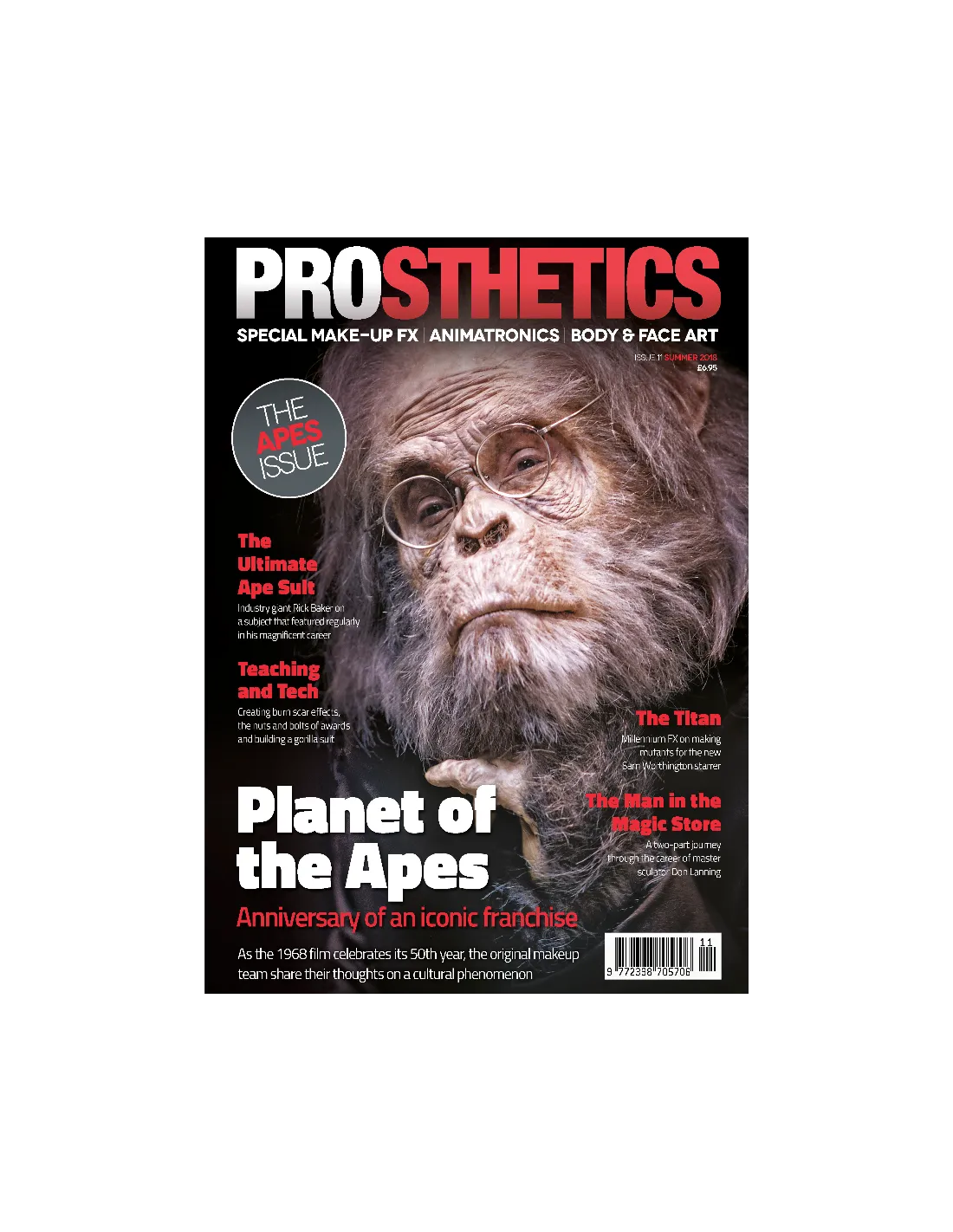
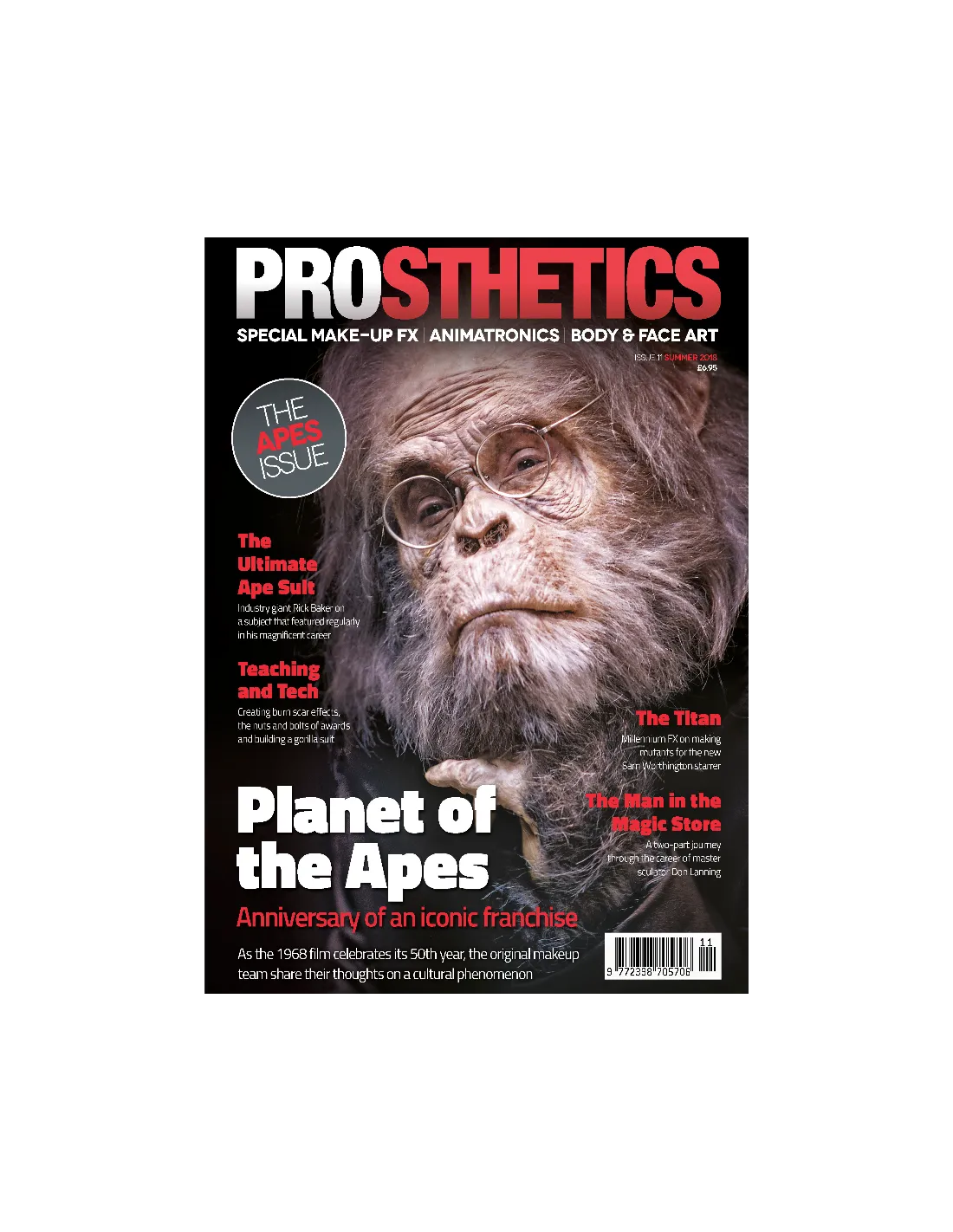
Prosthetics Magazine Nº11
600000012
Temporarily out of stock
€10.30
10,71 € Tax incl.
10,71 € Tax incl.
Specialist magazine on FX and prosthetics for film and TV, produced by Neill Gorton. Tutorials, interviews and professional techniques. Nº11.
Prosthetics Magazine is the first independent magazine entirely dedicated to the world of special makeup effects, prosthetics and FX for film and television. Issue 11 is produced by Neill Gorton, an internationally renowned FX artist and a leading figure in the training of industry professionals. If you work in special effects or want to go deeper into the techniques used in real productions, this is your essential reference material.
What this issue includes
| Feature | Detail |
|---|---|
| Issue | 11 |
| Produced by | Neill Gorton |
| Specialty | FX, prosthetics, makeup for film and TV |
| Content | Step-by-step tutorials, interviews, technical material information |
| Language | English |
| Publication type | Specialist printed magazine |
What it's used for
Prosthetics Magazine Nº11 is a training and inspiration tool for any professional or advanced enthusiast of FX makeup. It serves both to learn specific techniques and to stay up to date on the methods and materials used in the industry.
- Learn prosthetic fabrication and application techniques for audiovisual productions
- Discover the materials used in film and TV FX: silicones, foams, pigments and adhesives
- Follow detailed tutorials written by world-class FX artists
- Read in-depth interviews with professionals working on major productions
- Train in advanced character makeup: wounds, ageing, transformations
- Inspiration and reference for special effects artists in theatre, film, TV and video games
How to get the most out of it
- Start by reading the interview articles to gain context on the industry's creative processes.
- Identify the tutorials that best match your current level and the materials you have available.
- Follow the tutorials step by step, gathering all the indicated materials beforehand.
- Take notes on the technical specifications of the materials mentioned so you can replicate the processes with the right products.
- Consult the technical section to understand how materials behave and avoid common workshop mistakes.
- Review the tutorials several times during the work process: the details make all the difference in the final finish.
Usage tips
Work with the right materials
The tutorials in Prosthetics Magazine are designed with professional materials in mind. To reproduce the results shown in the magazine, it is important to use products of equivalent quality to those mentioned. At Feroca you will find prosthetic silicones, intrinsic pigments and adhesives compatible with the processes described in each issue.
Use the magazine as a technical guide, not just a visual one
Beyond the aesthetic side, the magazine includes technical information on ratios, cure times and material behaviour. Pay close attention to this data: it determines whether a prosthetic integrates well or fails on set. Note down the mix ratios and working times indicated for each process.
Complement your reading with real practice
The theory in the articles makes sense when applied in the workshop. Start with the simpler tutorials in the issue before tackling complex projects. If you are new to prosthetic fabrication, practise mixing and casting materials in small moulds first before making full anatomical pieces.
Frequently asked questions
What language is the magazine written in?
Prosthetics Magazine is published in English. It is the standard language of the publication, produced by Neill Gorton for an international audience of professionals and advanced enthusiasts in the FX industry.
Is it suitable for someone just starting out in special effects?
The magazine is aimed at an intermediate-to-advanced level, although the tutorials are explained in enough detail for someone with basic workshop knowledge to follow them. If you are just starting out, you will find it very useful as a technical and visual reference, though it is recommended to have some prior experience with moulding materials and FX makeup.
Is it available in digital format?
Feroca distributes Prosthetics Magazine in printed format. If you need more information about availability in other formats, please contact our customer service team.
Are the materials mentioned in the tutorials available at Feroca?
Feroca is a specialist distributor of materials for moulding, special effects and composites. Most of the materials used in the processes described in Prosthetics Magazine — prosthetic silicones, pigments, adhesives, foams — are part of our catalogue. If you have questions about a specific material, consult our technical team.
Are the issues of the magazine independent of each other?
Yes. Each issue of Prosthetics Magazine is self-contained and includes its own tutorials, interviews and technical articles. There is no need to have read previous issues to get the most out of Nº11.
What types of prosthetics and techniques are covered in the magazine?
Prosthetics Magazine covers a wide variety of techniques: silicone and latex foam prosthetic fabrication, character makeup, ageing effects, wounds and transformations for film and television. Nº11 includes detailed tutorials by world-renowned artists, with technical explanations of the materials and processes used in each case.
Can I use this magazine as training material in an FX makeup course?
Absolutely. Prosthetics Magazine is a standard reference in special effects schools and workshops. Its tutorials and technical articles provide a level of professional detail that makes it valid as supporting material in specialist training in FX makeup and character work.
No reviews
Tap to zoom