Shopping Cart



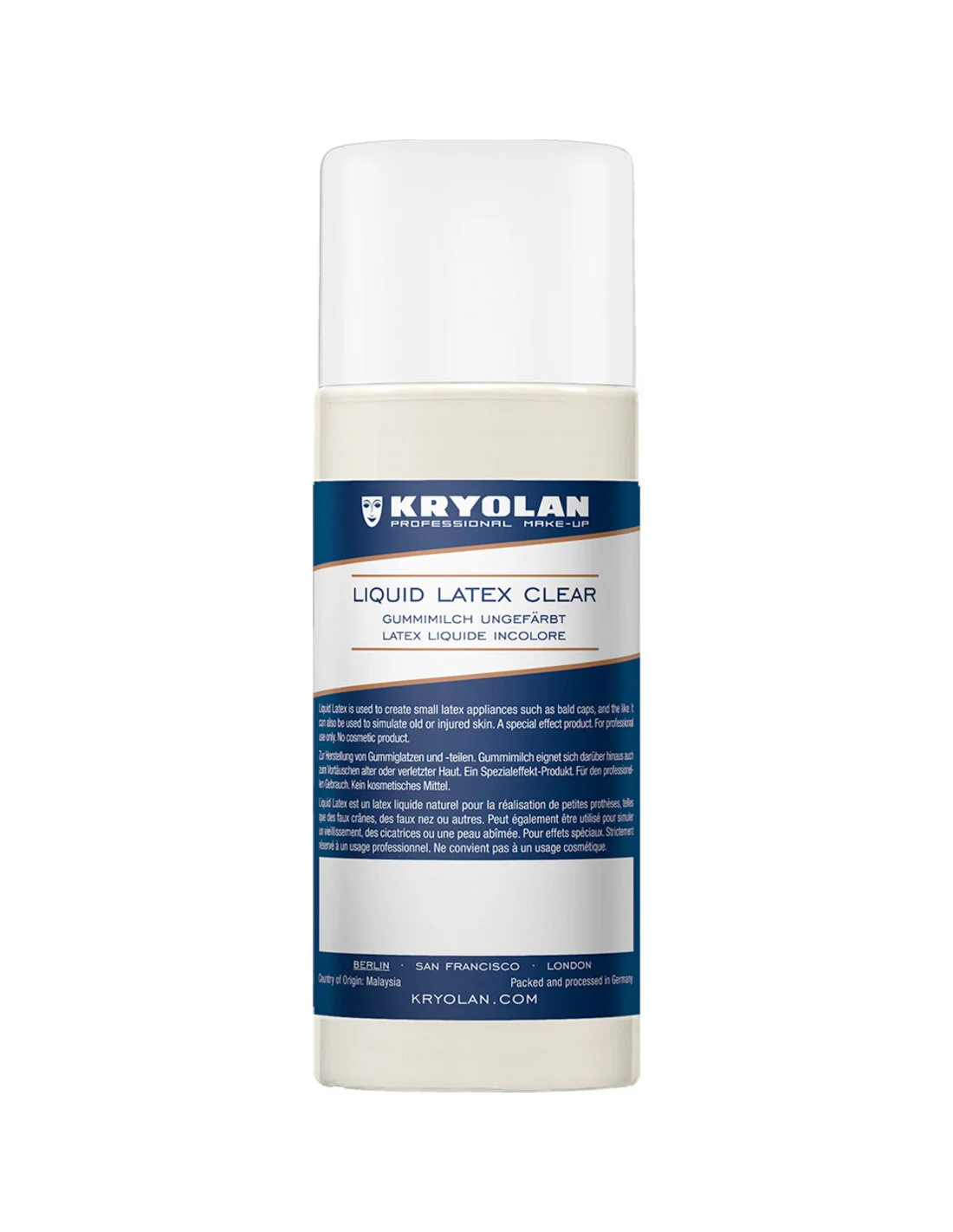
Liquid Latex Clear - Látex Líquido Incoloro 100 ml
272110016
Temporarily out of stock
€11.00
13,31 € Tax incl.
13,31 € Tax incl.
Kryolan colourless vulcanised liquid latex, low ammonia content. Ideal for facial prosthetics, bald caps and aged skin effects. 100 ml.
Kryolan's Liquid Latex Clear is a colourless vulcanised liquid latex specially formulated for special effects makeup and character work. Its low ammonia content makes it more pleasant to work with, and its skin compatibility is confirmed by the manufacturer, making it a go-to option for special effects makeup artists, character artists and FX artists who need convincing results directly on the face or body.
Technical specifications
| Feature | Value |
|---|---|
| Manufacturer | Kryolan (art. 02541/00) |
| Contents | 100 ml |
| Type | Vulcanised liquid latex |
| Colour | Colourless |
| Ammonia content | Low |
| Skin compatibility | Confirmed by manufacturer |
| Temperature sensitivity | Frost sensitive — do not freeze |
What it's used for
This latex covers a wide range of character makeup and special effects techniques applied directly on skin or over moulds. Being colourless, it integrates easily with natural skin tone or can be tinted to achieve the desired effect.
- Creating small facial prosthetics: noses, chin pieces, bald caps
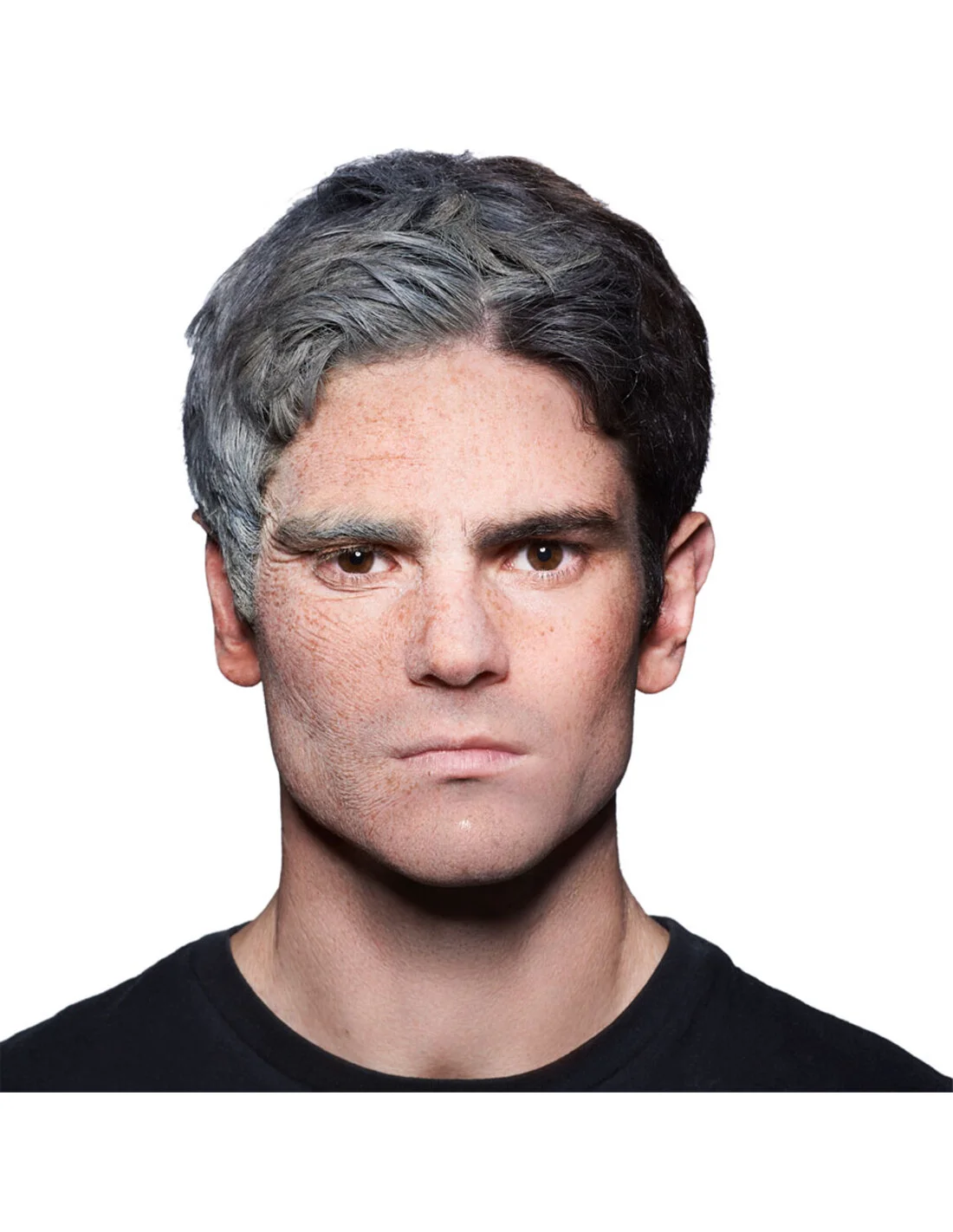
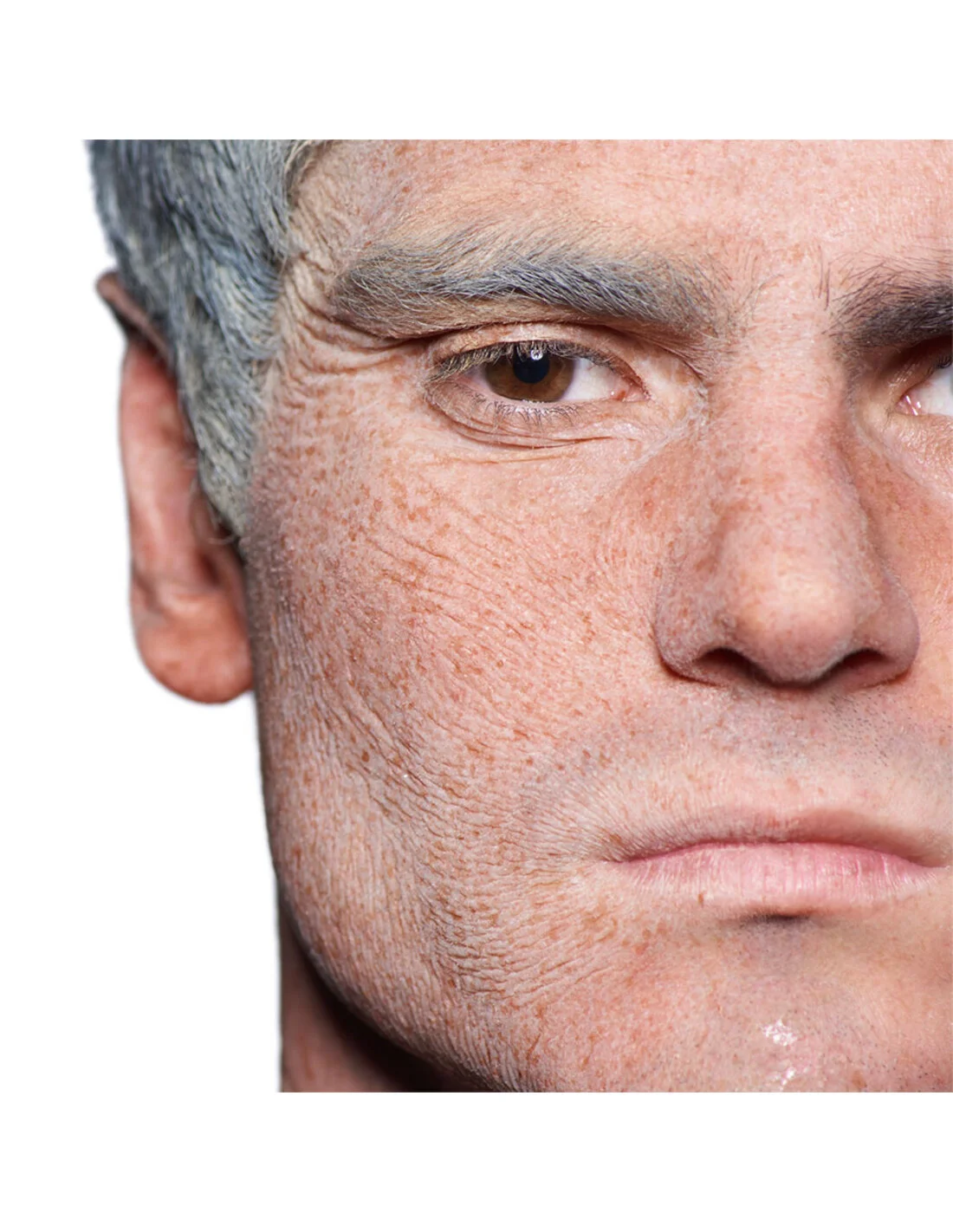
- Simulating aged skin and wrinkle effects using the stretch and stipple technique
- Recreating wounds, cuts, blisters and skin lesions
- Adhering character makeup elements directly onto skin
- Creating textures and false skin layers for transformation effects
- Building mould-cast pieces (layer casting) for SFX and theatre
- Base for burn effects combined with products such as Gelafix Skin
How to use it
- Make sure the skin area where you are going to apply the latex is clean, dry and free of excessive hair (latex adheres to hair and removal can be uncomfortable).
- Gently shake the container before use to homogenise the product.
- Apply a first thin layer with a brush, latex sponge or spatula, depending on the effect you want to achieve.
- Allow each layer to dry completely before applying the next. Drying can be accelerated with a hair dryer on medium heat.
- For the aged skin effect, wrinkle the skin area before applying each layer and stretch it while it dries. Repeat the process 4–6 times.
- To build prosthetics in a mould, apply successive layers over the mould cavity, allowing each layer to dry before the next, until the desired thickness is achieved.
- Once dry, the latex can be painted with Latex Paint Base or water-activated makeup to match skin tone.
- To remove the latex from skin, carefully peel it from a free edge. If necessary, dampen the area with warm water.
Warning — Natural latex allergy: This product contains natural latex. It must not be used on people with a known latex allergy. Before first application, always perform a sensitivity patch test on a small area of skin and wait 24 hours. If irritation, redness or itching occurs, discontinue use immediately. Do not apply to open wounds or mucous membranes.
Usage tips
Storage temperature
Liquid Latex Clear is frost sensitive. Always store it above 0 °C: in a cool, dry place, away from direct heat sources and protected from sunlight. If the latex has frozen, its structure breaks down irreversibly and the product becomes unusable. In cold weather, avoid leaving it in vehicles, unheated storage areas or outdoor spaces.
Layering technique for best results
The key to achieving convincing prosthetics or skin effects lies in patience between layers. Applying layers that are too thick or not fully dry will cause bubbles and uneven results. For prosthetics with body, work with thin, consistent layers and use the hair dryer between each one. If you want to add strength and durability to the finished piece, you can incorporate Permatex into the process or finish the surface with Flex Gloss for a shiny, more wear-resistant finish.
Compatibility with other SFX materials
Colourless liquid latex is compatible with water-activated makeups, water-based pigments and latex paints. It is not compatible with platinum silicones: latex can inhibit the cure of addition silicones if they come into direct contact. If you are combining both materials in the same project, make sure latex pieces are fully cured and physically separated before pouring silicone. For more elaborate aged skin effects or when latex alone is not enough, consider complementing it with Old Age Stipple, specifically formulated for that effect.
Frequently asked questions
Can latex be applied directly onto skin?
Yes, Liquid Latex Clear is formulated for direct application on skin. The manufacturer confirms its skin compatibility. However, a sensitivity patch test is always recommended before first use, especially for people with a history of allergies, as it contains natural latex.
How many layers do I need to make a prosthetic?
It depends on the thickness and rigidity you need. For a basic facial prosthetic (nose, chin) you typically work with between 8 and 15 thin layers, allowing each one to dry thoroughly before the next. For very thin second-skin pieces, 4–6 layers may be sufficient.
How do I colour colourless liquid latex?
You can paint latex pieces once dry with Latex Paint Base, which adheres perfectly to vulcanised latex. You can also mix water-based pigments directly into the liquid latex before applying it, although the colourless version is typically used to give full freedom of colour at the painting stage.
How long does each layer take to dry?
At room temperature, each thin layer takes between 5 and 15 minutes to dry depending on ambient humidity. You can speed up the process with a hair dryer on medium-low heat. Do not apply the next layer until the previous one has completely lost its milky appearance and is translucent or transparent.
Does latex damage skin when removed?
If applied over areas with facial or body hair, removal can be uncomfortable. On hairless areas, latex peels off easily from a free edge. Dampen the area with warm water if there is resistance. Do not pull sharply on sensitive areas.
Can liquid latex be used over plaster or silicone moulds?
Over plaster moulds latex works very well, as plaster absorbs moisture and speeds up demoulding. Over silicone moulds it is also possible, although the latex may adhere slightly; in that case it is advisable to apply a suitable release agent first. For making moulds specifically for latex pieces, plaster or resin moulds are the standard choice in SFX workshops.
What is the difference between this latex and mask latex?
Liquid Latex Clear is optimised for direct skin application and for prosthetics in skin contact, with strict control of ammonia content. Promask Latex is specifically formulated for building full masks in a mould, with different viscosity and casting characteristics, aimed at larger pieces that do not necessarily come into direct contact with sensitive skin areas.
How do I store the product once opened?
Close the container tightly after each use to prevent the latex from drying in the cap or bottle neck. Store at temperatures between 5 °C and 25 °C, away from direct light and cold. Clean any residue from the rim of the container before closing. A properly sealed and stored product retains its properties for months.
No reviews
Tap to zoom