Shopping Cart



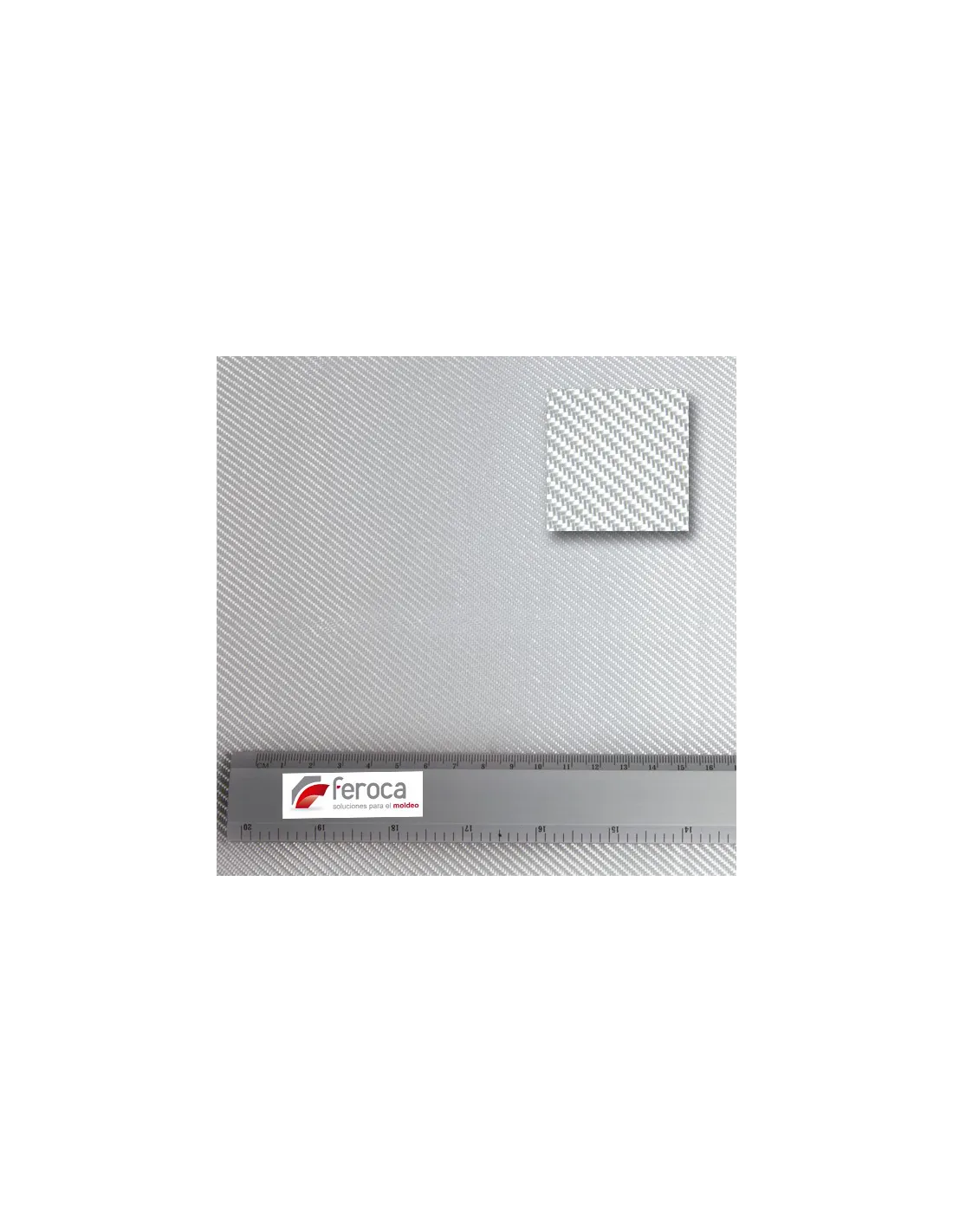
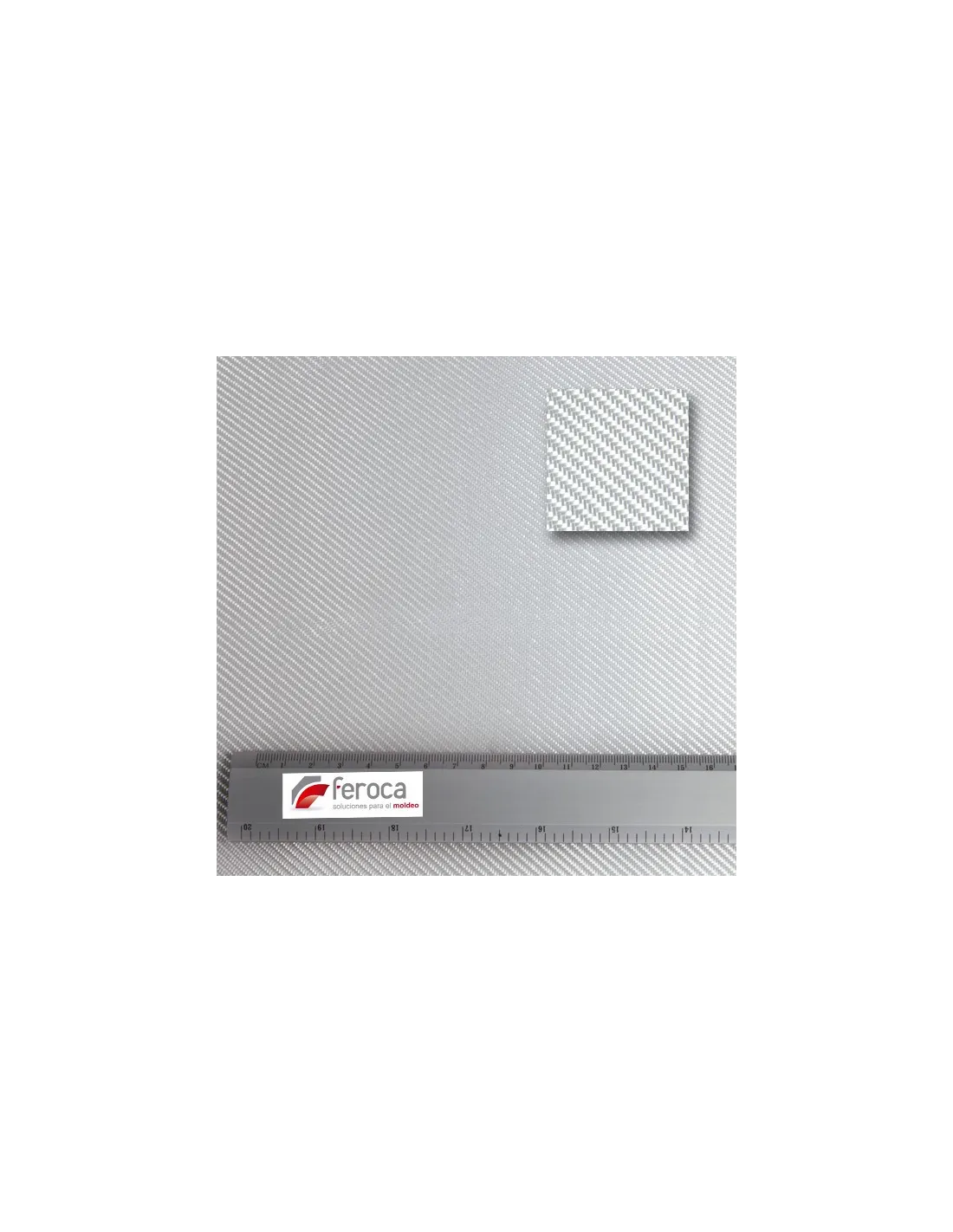
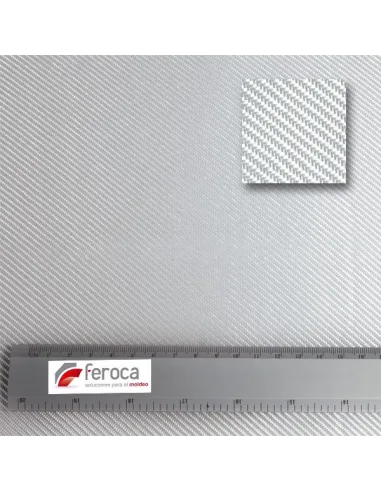
Woven Fiberglass 163 gsm.
103163001
€9.60
11,62 € Tax incl.
11,62 € Tax incl.
163 g/m² fibreglass woven fabric for structural laminates with polyester or epoxy resin. High strength and excellent impregnation.
The 163 g/m² fibreglass woven fabric is a medium-weight reinforcement ideal for structural laminates requiring mechanical strength and a good surface finish. It impregnates easily with polyester resins such as Ferpol 100BSX15 and with epoxy resins, making it a versatile option for composites work, repairs, and the fabrication of rigid shells and moulds.
Technical specifications
| Parameter | Value |
|---|---|
| Material type | Fibreglass woven fabric |
| Weight | 163 g/m² |
| Fabric type | Plain weave (woven) |
| Compatibility | Polyester resins, epoxy resins, vinylester resins |
| Recommended use | Structural laminates, mould shells, repairs |
What it is used for
This 163 g/m² fabric sits at an intermediate weight that combines ease of handling with structural contribution. It is suitable for applications requiring strength as well as for work where surface finish matters. It can be used alone or combined with other weights to build up stepped laminates.
- Fabrication of rigid shells (mother molds) for silicone moulds
- Structural laminates in composite parts: fairings, panels, covers
- Reinforcement of resin moulds to extend their service life
- Repairs to existing polyester and fibreglass parts (bodywork, boats, tanks)
- Construction of rigid prototypes and models
- Intermediate layers in combined laminates with 300 g/m² fabric for greater thickness
- Structural finishes over gel coat
How to use it
- Cut the fabric to the required size before starting. If the patch covers a repair area, cut two pieces of different sizes to step the laminate and avoid abrupt transitions.
- Prepare the surface: sand it, degrease it, and make sure it is dry and free of dust or dirt.
- Apply a first coat of resin (for example, Ferpol 100BSX15 with its catalyst at the indicated ratio) over the surface using a brush or roller.
- Place the fibreglass fabric over the wet resin and press with a brush or degas roller to remove bubbles and ensure complete impregnation of all fibres.
- Apply a second coat of resin over the fabric, ensuring it becomes fully saturated (the fabric turns translucent when properly impregnated).
- If the laminate requires more thickness or strength, add additional layers of fabric while the previous resin is still in the gel phase (tacky), alternating resin and fabric.
- Allow to cure according to the instructions of the resin used, in an environment without excessive humidity and at an appropriate temperature.
- Once cured, sand or trim the edges as needed to achieve the desired finish.
Caution when working with fibreglass: Cut glass fibres can irritate the skin, eyes and respiratory tract. Always wear nitrile gloves, safety goggles and a particle filter mask when cutting or sanding the fabric. Work in a ventilated space. Polyester and epoxy resins also require adequate protection: consult the safety data sheets of the products before use.
Tips for use
Correct fabric impregnation
The fabric is properly impregnated when it changes from opaque white to translucent. If white areas remain, there are unimpregnated spots that will create weak points in the laminate. Use a spike roller or degas roller to work the resin into the fabric and remove trapped air bubbles. Do not over-apply: a laminate with too much resin and too little fibre is heavier and less strong.
Combining weights for better results
For thicker or stronger laminates, combine this 163 g/m² fabric with layers of 300 g/m² fabric in the intermediate layers. For a finer, more sealed surface finish, complete the laminate with the fine 48 g/m² fabric, which seals the surface and reduces weave print-through. If you need very lightweight and transparent layers for decorative or finishing work, the 105 g/m² fabric is another intermediate option.
Cutting and handling the fabric
Always cut the fabric with sharp scissors or a cutter on a cutting surface. Plain weave fabric tends to fray at the edges: if you need pieces with a clean edge, apply masking tape along the cut line before cutting and remove it afterwards. For curved or geometrically complex areas, make small radial cuts at the fabric edges so it conforms without wrinkles. The 166 g/m² fabric is a very close alternative in weight if you need to compare behaviour.
Frequently asked questions
Does fibreglass dissolve or degrade in water?
No. Fibreglass does not dissolve or degrade in contact with water. This 163 g/m² fabric is stable against moisture, making it suitable for applications in boats, tanks and humid environments once correctly laminated with resin.
How many layers of fabric do I need for a strong part?
It depends on the application, but as a general reference, 2–3 layers of 163 g/m² fabric are usually sufficient for a mould shell or a lightweight structural part. For parts that need to bear greater loads, combine layers of this fabric with layers of 300 g/m² fabric in the core of the laminate.
Which resin is compatible with this fabric?
This fabric is compatible with polyester resins (such as Ferpol 100BSX15), epoxy resins and vinylester resins. For high-quality composites work, epoxy resin offers better adhesion and superior mechanical properties, although polyester resin is the most common choice for general applications and repairs.
Can I use this fabric to reinforce a silicone mould?
Yes. One of the most common applications of this fabric is the fabrication of rigid shells (mother molds) that wrap and support the silicone mould. It is laminated over the cured silicone with polyester or epoxy resin, creating a structure that maintains the shape of the mould and makes it easier to handle.
Can you laminate over jesmonite or plaster gel coat with epoxy resin?
Yes, it is possible to reinforce jesmonite or plaster surfaces with epoxy resin and this fibreglass fabric to achieve a rigid and more resistant mould. Make sure the surface is completely dry and that the chosen epoxy resin is compatible with the substrate before laminating.
How do I avoid bubbles in the laminate?
Use a degas roller (spike roller) to work the resin into the fabric after each layer. Apply enough resin to thoroughly impregnate the fibres but without excess. Work at an appropriate ambient temperature (between 18–25 °C): in cold conditions the resin is more viscous and traps more air; in excessive heat the resin gels quickly and there is not enough time to remove bubbles.
What is the difference between woven fabric and fibreglass mat?
Woven fabric has fibres interlaced in a regular structure, providing directional strength and a more uniform finish. Mat is formed by randomly arranged chopped fibres bound with a binder, offering more isotropic strength but lower surface quality. For structural laminates and mould shells, woven fabric such as this 163 g/m² is the most common choice.
Can this fabric be used to repair existing fibreglass parts?
Yes. It is one of its most common applications: repairing bodywork, boats, fairings and any damaged polyester or fibreglass part. For a stepped and strong repair, cut two pieces of different sizes, place the smaller one over the damaged area first and then the larger one on top, thoroughly impregnating each layer with resin.
No reviews
Tap to zoom