Shopping Cart



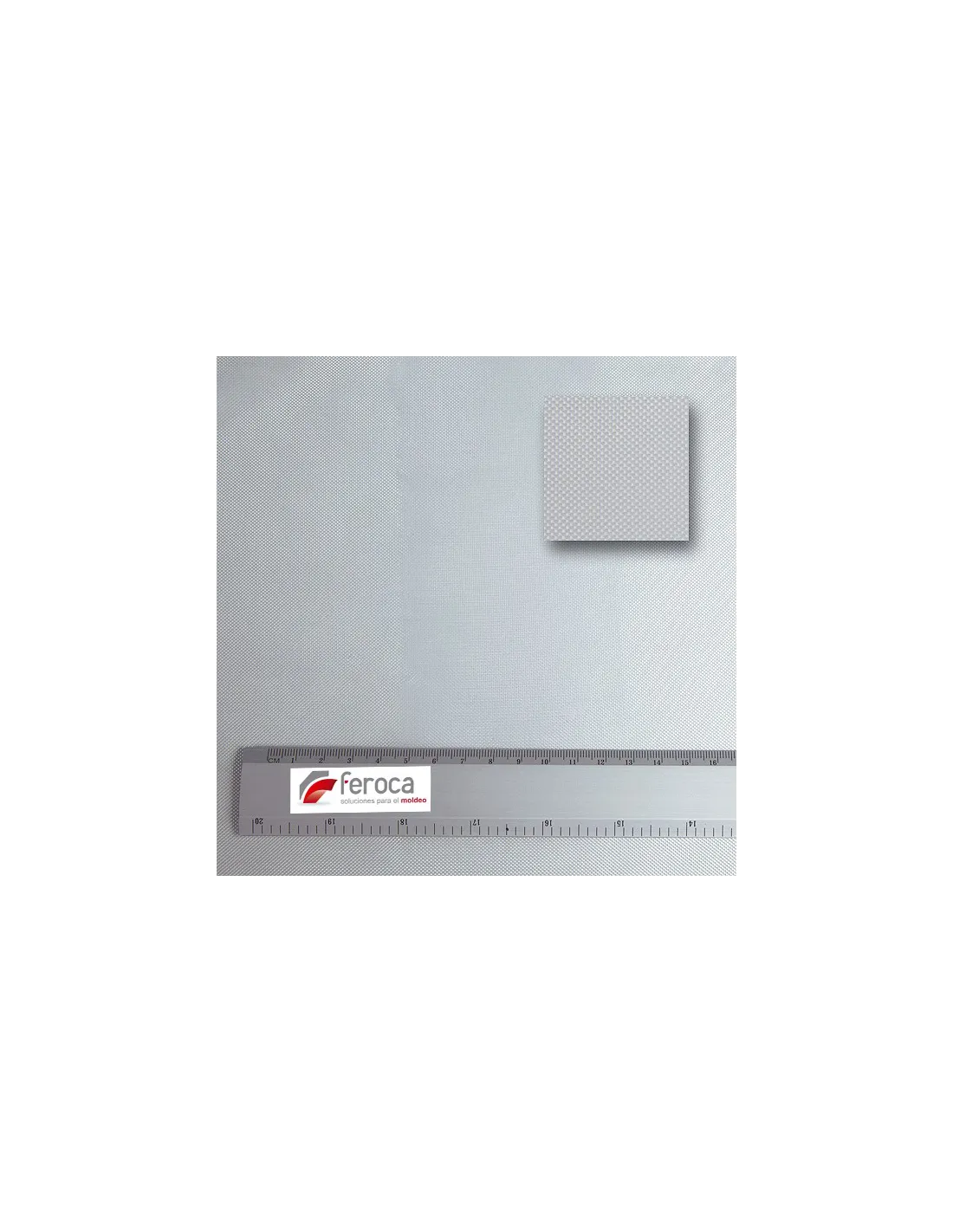
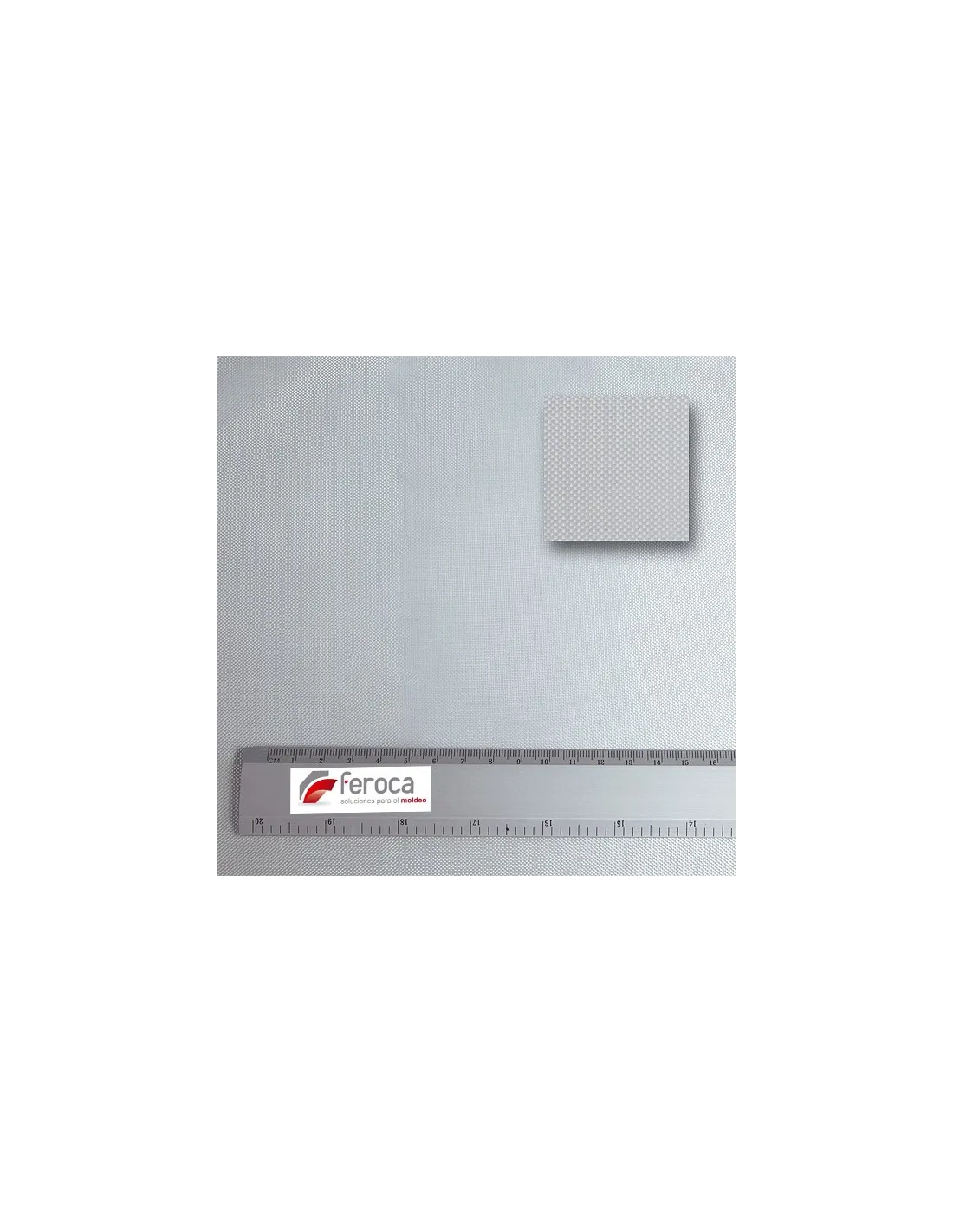
Woven Fiberglass 105 gsm.
103105001
€7.50
9,08 € Tax incl.
9,08 € Tax incl.
105 g/m² plain weave fibreglass fabric. Lightweight reinforcement for polyester or epoxy resin laminates. High strength and easy impregnation.
The 105 g/m² fibreglass woven fabric is a lightweight and versatile structural reinforcement, ideal for laminates with polyester, vinylester or epoxy resin. Its plain weave offers uniform impregnation and an excellent strength-to-weight ratio, making it the reference fabric for intermediate layers, repairs and mould shell fabrication.
Technical specifications
| Parameter | Value |
|---|---|
| Material type | Fibreglass woven fabric |
| Weight | 105 g/m² |
| Weave type | Plain weave |
| Resin compatibility | Polyester, vinylester, epoxy |
| Water resistance | Does not dissolve in water |
| Recommended use | Laminates, repairs, mould shells |
What it is used for
The 105 g/m² fabric covers a wide range of applications where structural reinforcement is needed without accumulating excessive thickness per layer. It is commonly used in professional workshops as well as in craft manufacturing projects or repairs:
- Structural laminates in intermediate layers with polyester or epoxy resin
- Fabrication of rigid shells (mother mould) to reinforce silicone or latex moulds
- Repairs of fibreglass parts: hulls, bodywork, tanks, gutters
- Stepped patches on damaged areas, alternating with the 48 g/m² fabric for smooth, step-free transitions
- Transition layers between heavier fabrics such as the 163 g/m² fabric or the 300 g/m² fabric
- Fabrication of prototypes, tooling and rigid supports in the workshop
- Reinforcement of plaster, jesmonite or other casting material parts to increase their structural strength
How to use it
- Cut the fabric to the required size before starting. Use scissors specifically designed for fibreglass to get clean cuts without fraying the edges.
- Prepare the surface to be laminated: it must be clean, dry and, if it is a mould, properly release-treated.
- Apply the first coat of resin to the surface using a brush or wool roller.
- Place the fabric onto the wet resin, adjusting it without wrinkles or folds. For curved areas, you can make small cuts along the edges so it sits properly.
- Wet out the fabric with more resin, working from the centre towards the edges with the roller or brush. The fabric should become translucent: if areas remain white, add more resin.
- Remove air bubbles by passing the roller firmly and continuously over the surface.
- Add additional layers if the design requires it, before the previous layer cures completely (wet lamination) or after sanding if working dry.
- Allow to cure according to the instructions of the resin used before demoulding or handling the part.
Usage tips
Combine fabric weights for better results
For repairs, cut two pieces of different sizes: the smaller one from the 48 g/m² fabric and the larger one from this 105 g/m² fabric. Place the small piece first and the large one on top. The stepped overlap distributes stresses gradually and avoids the abrupt step that appears when using only a single thick piece.
Cutting and handling without risk
Always work with gloves and, in poorly ventilated spaces, with a particle mask. Loose fibres during cutting can irritate the skin and mucous membranes. Use scissors designed for fibreglass: conventional blades dull quickly with this material. Feroca's fibreglass scissors are specifically designed for this purpose.
Correct impregnation: not too much, not too little
A properly wet-out fabric becomes almost transparent. Excess resin adds unnecessary weight and reduces the mechanical properties of the laminate; insufficient resin leaves dry areas that become failure points. The typical fabric-to-resin ratio in hand laminates is between 40:60 and 50:50 by weight (fabric:resin). Work with the resin at workshop temperature (18–25 °C) to keep viscosity under control.
Frequently asked questions
What resin is compatible with this fibreglass fabric?
This 105 g/m² fabric is compatible with polyester, vinylester and epoxy resins. The choice depends on the application: polyester resin is cost-effective and sufficient for most structural uses; epoxy offers greater mechanical strength and better adhesion in repairs or layers applied over already-cured materials.
How many layers do I need for a mould shell?
For a standard workshop mould shell, two or three well-saturated layers of 105 g/m² fabric are usually sufficient. If the mould is large or will be subjected to pressure or heavy handling, you can alternate with layers of the 163 g/m² fabric or the 166 g/m² fabric to gain rigidity without excessive weight.
Does fibreglass dissolve or degrade in water?
No. Fibreglass does not dissolve in water. Once impregnated with resin and cured, the laminated part is resistant to moisture and many chemical agents. Dry fabric is also unaffected by water, although it is recommended to store it in a dry place to prevent it from absorbing moisture before use.
Can I use this fabric with acrylic or water-based resins?
It is not common practice. Acrylic or water-based resins do not wet out conventional fibreglass fabrics well. For applications with acrylic resins, check whether quadriaxial fabric or other formats are more suitable. This 105 g/m² fabric is optimised for polyester, vinylester and epoxy.
What is the difference between this 105 g/m² fabric and fibreglass mat?
Woven fabric has fibres oriented in a regular weave pattern, which gives it greater mechanical strength in both longitudinal and transverse directions, and allows more controlled impregnation. Mat is made of short fibres distributed randomly, which makes it easier to conform to complex geometries but with inferior mechanical properties. For structural laminates and mould shells, woven fabric is the better option.
Can fibreglass be laminated over polyurethane or flexible materials?
It is not recommended. Fibreglass fabrics are designed to be combined with rigid matrices (polyester or epoxy resins). On flexible materials such as polyurethane, the fabric does not bond correctly and may delaminate. For flexible materials, other more suitable reinforcement solutions exist.
How do you cut fibreglass fabric cleanly without fraying?
The most important thing is to use scissors specifically designed for fibreglass, such as the 28 cm fibreglass scissors available at Feroca. Conventional scissors dull quickly and produce irregular cuts that fray the fabric. Always cut following the weave of the fabric whenever possible.
Which fabric should I choose if I need more thickness or rigidity?
It depends on the balance you are looking for between weight, thickness and rigidity. The 163 g/m² fabric or the 166 g/m² fabric add more material per layer. For very thick and strong laminates, the 300 g/m² fabric is the reference choice. Combining the 105 g/m² fabric with heavier fabrics in alternating layers is a common workshop strategy to optimise the laminate.
No reviews
Tap to zoom