Shopping Cart


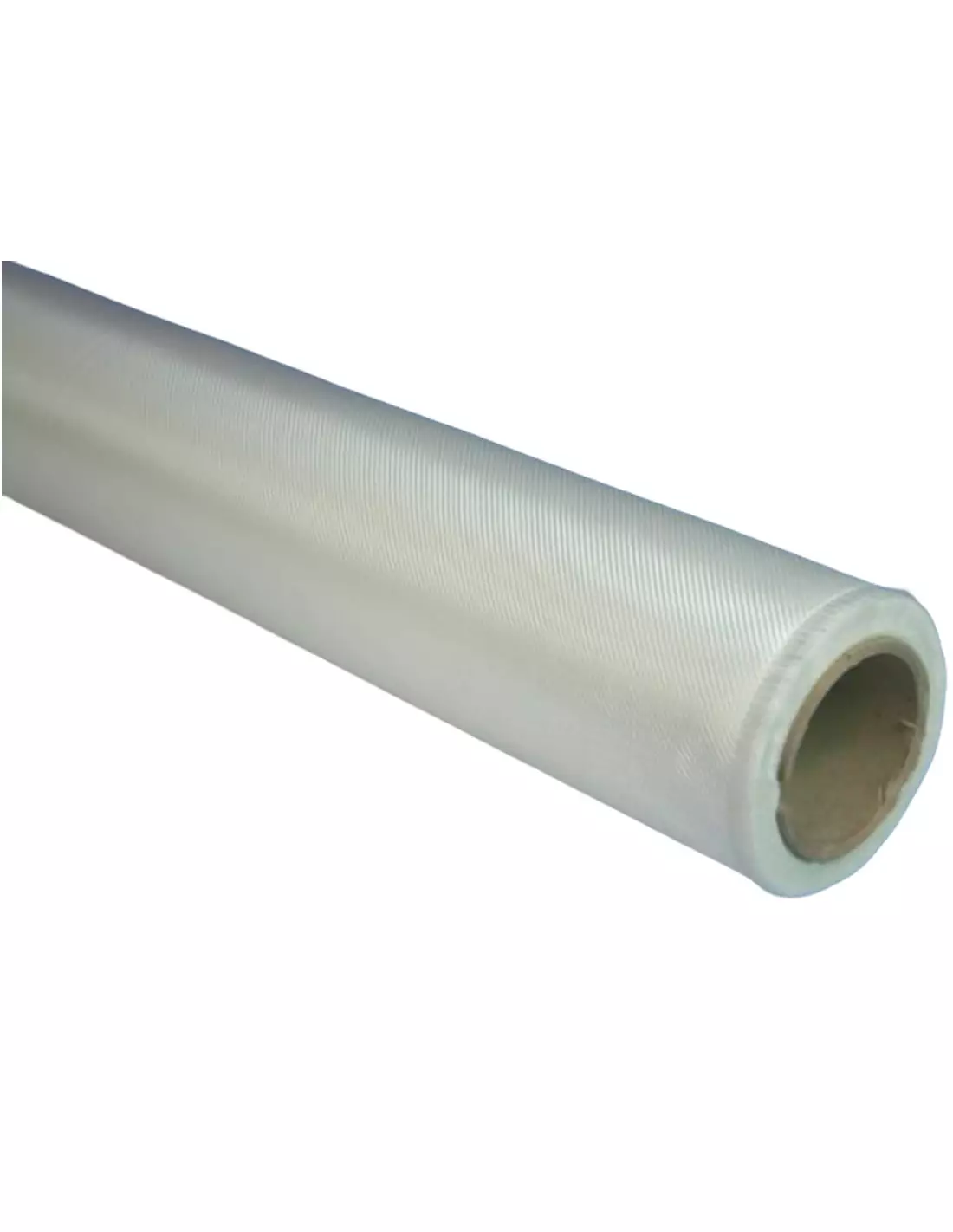
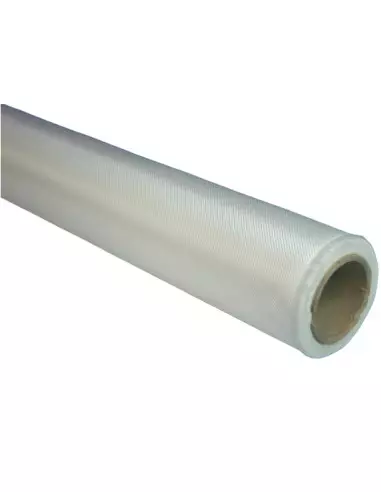
Silionne Twill Glass Fabric 86g x 100cm
103086001
€6.50
7,87 € Tax incl.
7,87 € Tax incl.
Silionne fiberglass fabric, 2/2 twill weave, 86 g/m², 100 cm wide. Silane treatment for maximum adhesion with resins.
The Silionne fiberglass fabric in 2/2 twill weave at 86 g/m² combines the lightness and conformability of a fine plain weave with the structural strength added by the silane treatment, which significantly improves adhesion between the fiber and the resin matrix. It is the ideal choice when you need a lightweight, mouldable reinforcement with excellent wet-out for high-quality laminates with epoxy or polyester resins.
Technical specifications
| Parameter | Value |
|---|---|
| Weight | 86 g/m² |
| Width | 100 cm |
| Weave | 2/2 Twill |
| Finish | Silionne (silane treatment) |
| Weft | 11.5 threads/cm — EC9-34 tex |
| Warp | 12 threads/cm — EC9-34 tex |
What it is used for
The Silionne 86 g/m² twill fabric is particularly versatile. Its low weight makes it ideal as the first or last layer of a laminate, and its twill weave facilitates draping over complex geometries without the fabric distorting or opening up. The silane treatment ensures optimal adhesion with resins, preventing delamination and improving the final mechanical strength of the part.
- Lightweight reinforcement in laminates with epoxy resin for low-weight parts
- First surface finishing layer in moulds and composite parts
- Rigid shells and mother moulds for silicone moulds
- Repairs and patches on existing fiberglass structures
- Laminates over curved or complex geometries thanks to the twill weave
- Reinforcement of resin moulds for greater structural strength
- Applications in humid or outdoor environments due to its moisture resistance
How to use it
- Prepare the mould or surface: apply the appropriate Release agent if you are going to demould the part once cured. For repairs, clean and sand the area to be treated.
- Cut the fabric: cut pieces to the required size with scissors or a cutter. For repairs, cut two pieces of different sizes to create a stepped patch that better distributes stress.
- Prepare the resin: mix the epoxy resin or polyester resin according to the manufacturer's instructions. With polyester resins, the Silionne treatment ensures fast and uniform wet-out.
- Apply the first layer of resin: spread the resin over the surface with a roller or brush before placing the fabric.
- Place the fabric: lay the fabric onto the fresh resin and press gently from the centre outwards to remove air bubbles.
- Wet out the fabric: apply more resin on top with a laminating roller or brush, making sure no dry areas or air pockets remain.
- Add more layers if needed: for greater thickness or strength, repeat steps 4–6 before the previous layer has fully cured (wet lay-up).
- Allow to cure: respect the curing times of the resin used and, if possible, apply uniform pressure (vacuum or counter-mould) to obtain a more compact laminate.
- Demould and finish: once fully cured, demould the part and trim or sand the edges as needed.
Tips for use
Draping over curved areas
The 2/2 twill weave gives the fabric greater flexibility and drapeability compared to a conventional plain weave. If you need to adapt it to double-curvature geometries, make small cuts at the edges of the fabric so it distributes without wrinkles. Always work from the inside out to avoid trapping air.
Combining layers for greater strength
For structures requiring more thickness without excessive weight, combine this 86 g/m² fabric with heavier-weight fabrics such as the 105 g/m² fabric or the 163 g/m² fabric in the inner layers. Reserve the 86 g/m² twill for the outer layer, where surface finish and conformability are the priority.
Storage and handling
Store the fabric in a dry place, away from direct sunlight and sources of moisture. Humidity can affect the silane treatment and reduce adhesion with the resin. Handle it with gloves to avoid contaminating the finish with skin oils, which could create low-adhesion areas in the laminate.
Frequently asked questions
What is the difference between a fabric with Silionne finish and one without treatment?
The silane treatment (Silionne) improves chemical adhesion between the glass fibres and the resin matrix. This results in greater mechanical strength of the laminate, better wet-out during impregnation, and greater dimensional stability against temperature changes or moisture exposure. An untreated fabric may show lower adhesion and a higher risk of delamination.
What types of resin can I use with this fabric?
The Silionne 86 g/m² twill fabric is compatible primarily with epoxy resins and polyester resins. The silane treatment is optimised to maximise adhesion with these matrices. For acrylic resins, consult the manufacturer's recommendations, as in some cases a multiaxial fabric may be preferable.
How many layers do I need for a structurally strong part?
It depends on the final use and the weight chosen. For a strong shell or mother mould, it is common to combine 2–3 layers of lightweight fabric (such as this 86 g/m²) with heavier-weight layers in the core. For repairs, two stepped layers are usually sufficient. Always check the structural requirements of your project.
Does fiberglass degrade with moisture or water?
Fiberglass does not dissolve in water. Furthermore, the silane treatment on this fabric provides an additional barrier against moisture penetration, making it suitable for outdoor or humid environment applications. The resin used also influences the final moisture resistance of the laminate.
Can I use this fabric to reinforce flexible materials such as polyurethane?
This is not recommended. Fiberglass fabrics are designed to work with rigid matrices (epoxy resins, polyester resins, etc.). In flexible materials such as polyurethane rubbers, the fabric does not adhere properly and does not provide the expected structural benefit.
What is the difference between twill and plain weave in a fiberglass fabric?
Plain weave has a 1×1 interlacing that offers greater rigidity and dimensional stability, but drapes less well over curves. The 2/2 twill has a diagonal pattern that provides greater flexibility and conformability, allowing it to adapt better to complex geometries without the fabric distorting or opening up. This is why twill is preferred for curved parts.
How do I make a fiberglass repair patch?
Cut two pieces of different sizes from the Silionne 86 g/m² twill fabric. Sand and clean the area to be repaired thoroughly. Apply resin, place the smaller patch first and then the larger one on top to create a stepped transition that distributes stress more effectively. Wet out each layer thoroughly and allow to cure completely before sanding or painting the finish.
Which fabric should I choose if I need more weight or strength?
If you need greater strength or thickness, you can combine this 86 g/m² fabric with the 105 g/m² fabric or the 163 g/m² fabric in the inner layers. For very lightweight parts with minimal reinforcement, the 48 g/m² fabric is an option to consider.
No reviews
Tap to zoom