Shopping Cart



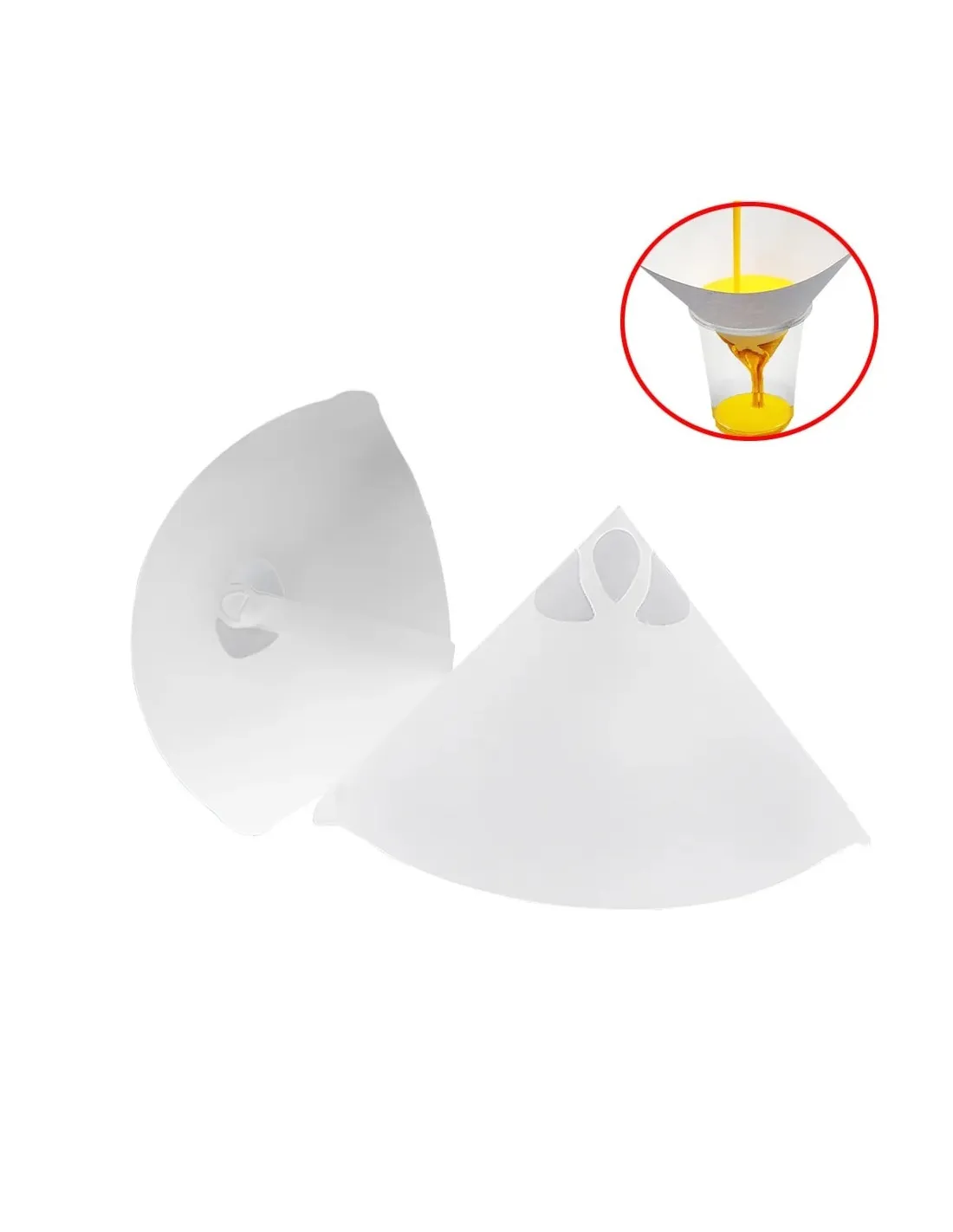
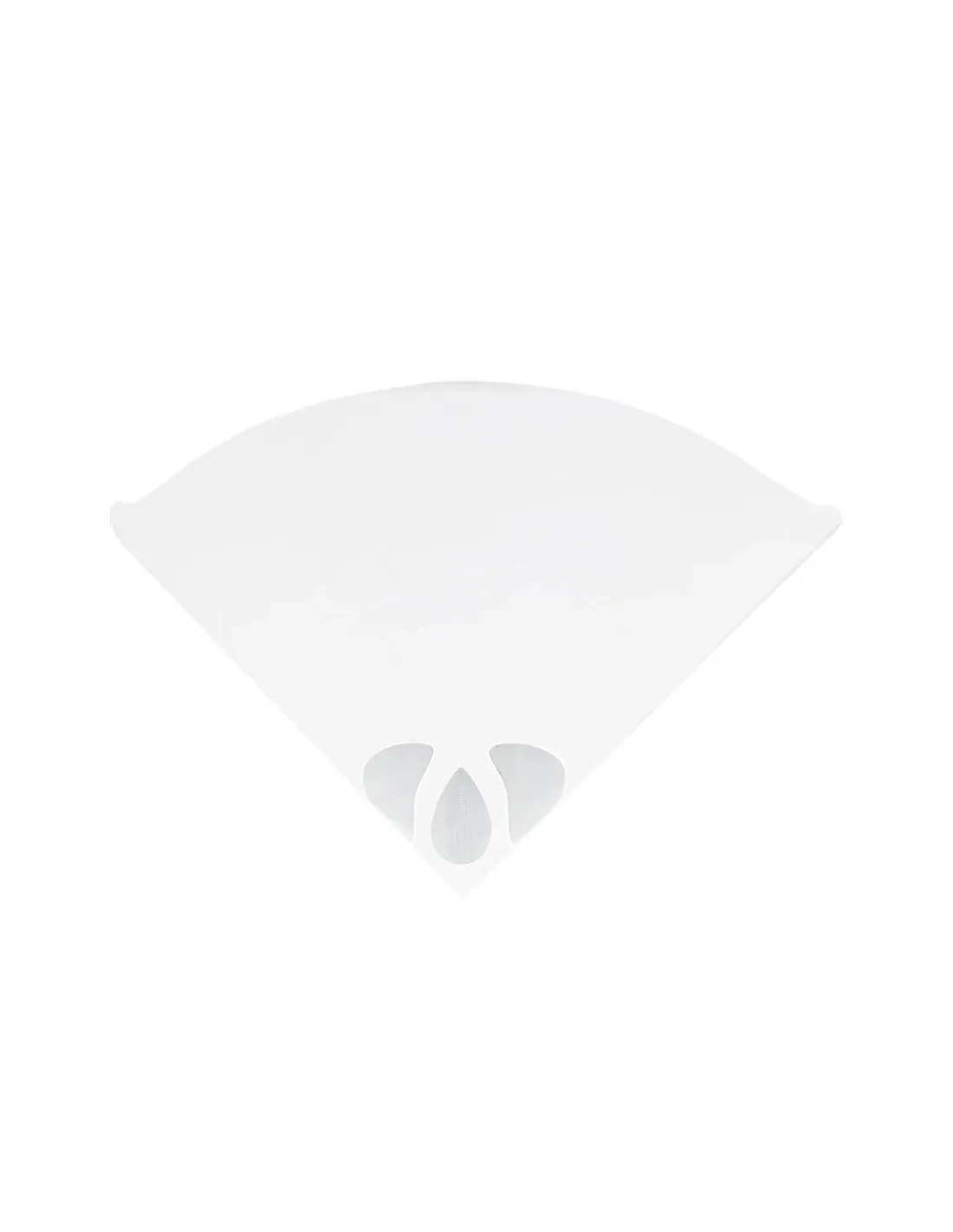
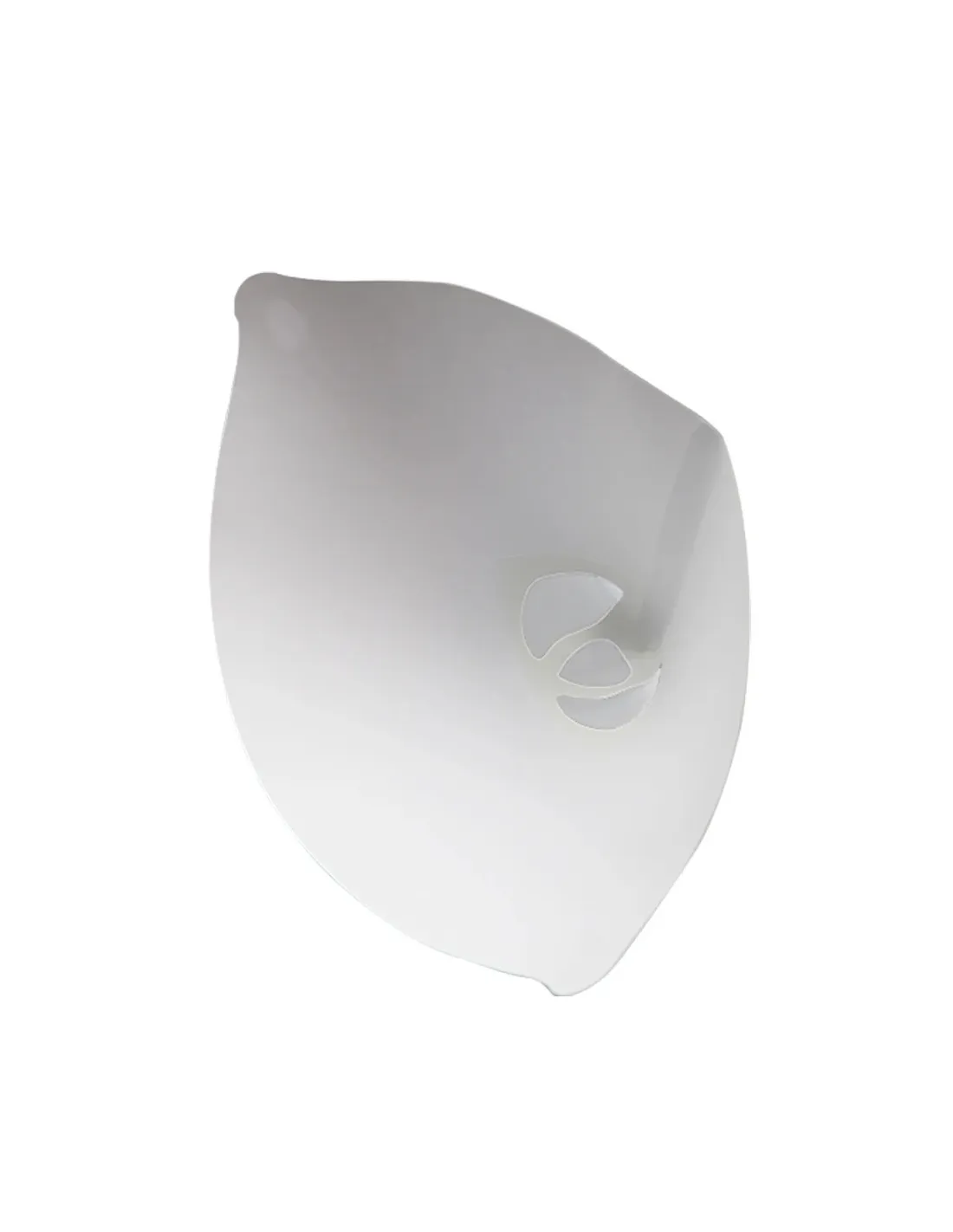
3D Paper Filter for Resin
615027211
€5.50
6,66 € Tax incl.
6,66 € Tax incl.
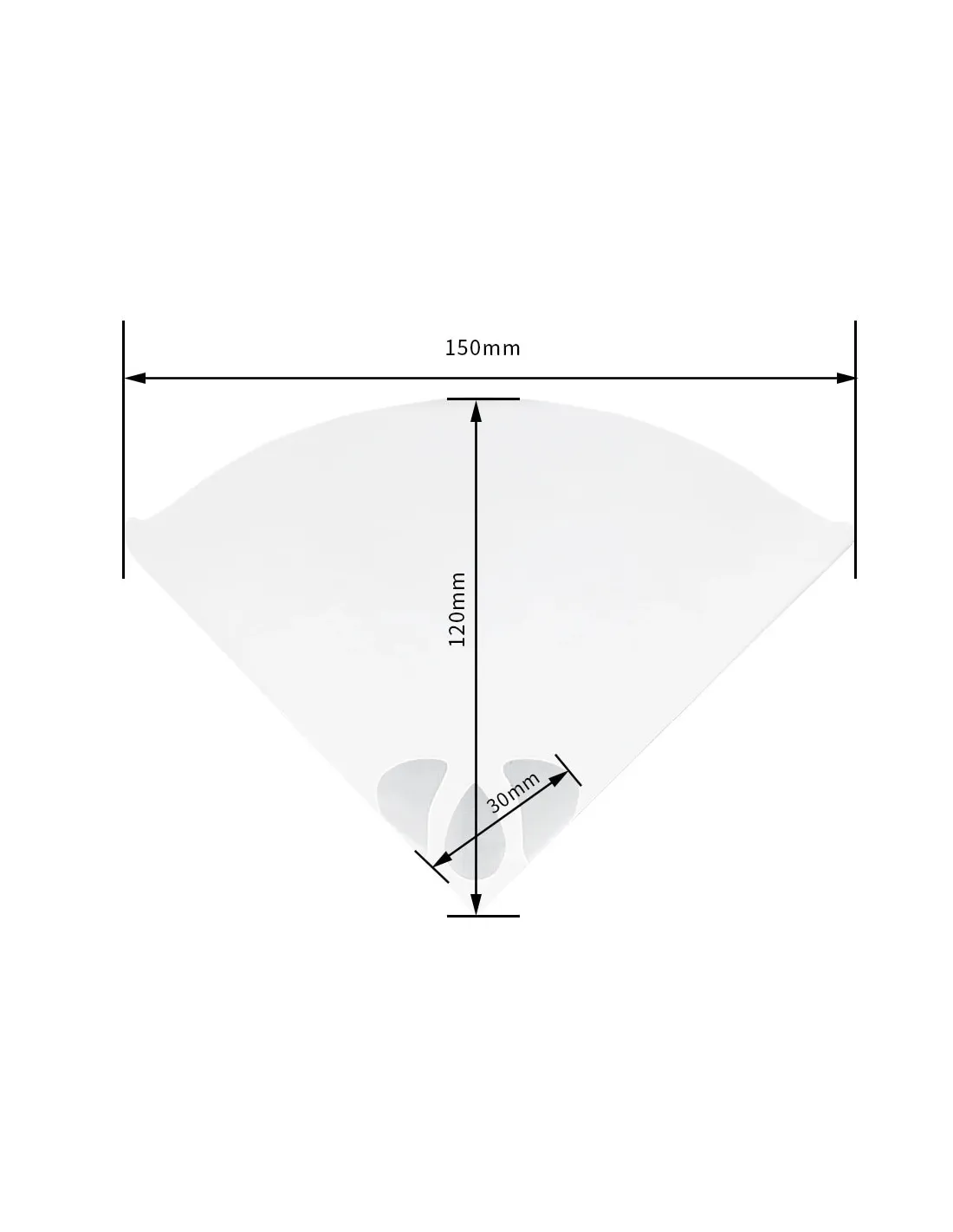
125 μm paper filters for filtering resin from 3D printers. Pack of 100 units. Safely remove cured particles.
Paper resin filters are an essential accessory in any photopolymer resin 3D printer workflow. With a 125 μm mesh, they retain cured particles and remnants from failed prints, returning the resin to a clean, reusable state. Each pack includes 100 units, enough for extended maintenance without interruptions.
Technical specifications
| Feature | Value |
|---|---|
| Mesh size | 125 μm |
| Material | Paper with integrated mesh |
| Units per pack | 100 units |
| Use | Filtering liquid photopolymer resin |
| Disposal after use | Cure under UV light and dispose of with household waste |
What it is used for
Regular resin filtering is a basic practice to keep the tank clean and extend the service life of both the FEP film and the tank itself. These filters are designed to be used whenever the resin may be contaminated, or simply as part of routine maintenance:
- Filtering resin after failed or incomplete prints.
- Removing visible cured particles from the bottom of the tank or in suspension.
- Recovering leftover resin when emptying the tank between sessions or when changing material.
- Periodic preventive maintenance to extend the life of the FEP film and the LCD screen.
- Safe storage of filtered resin in its original container.
How to use it
- Put on your nitrile gloves before handling uncured resin. Work in a ventilated area.
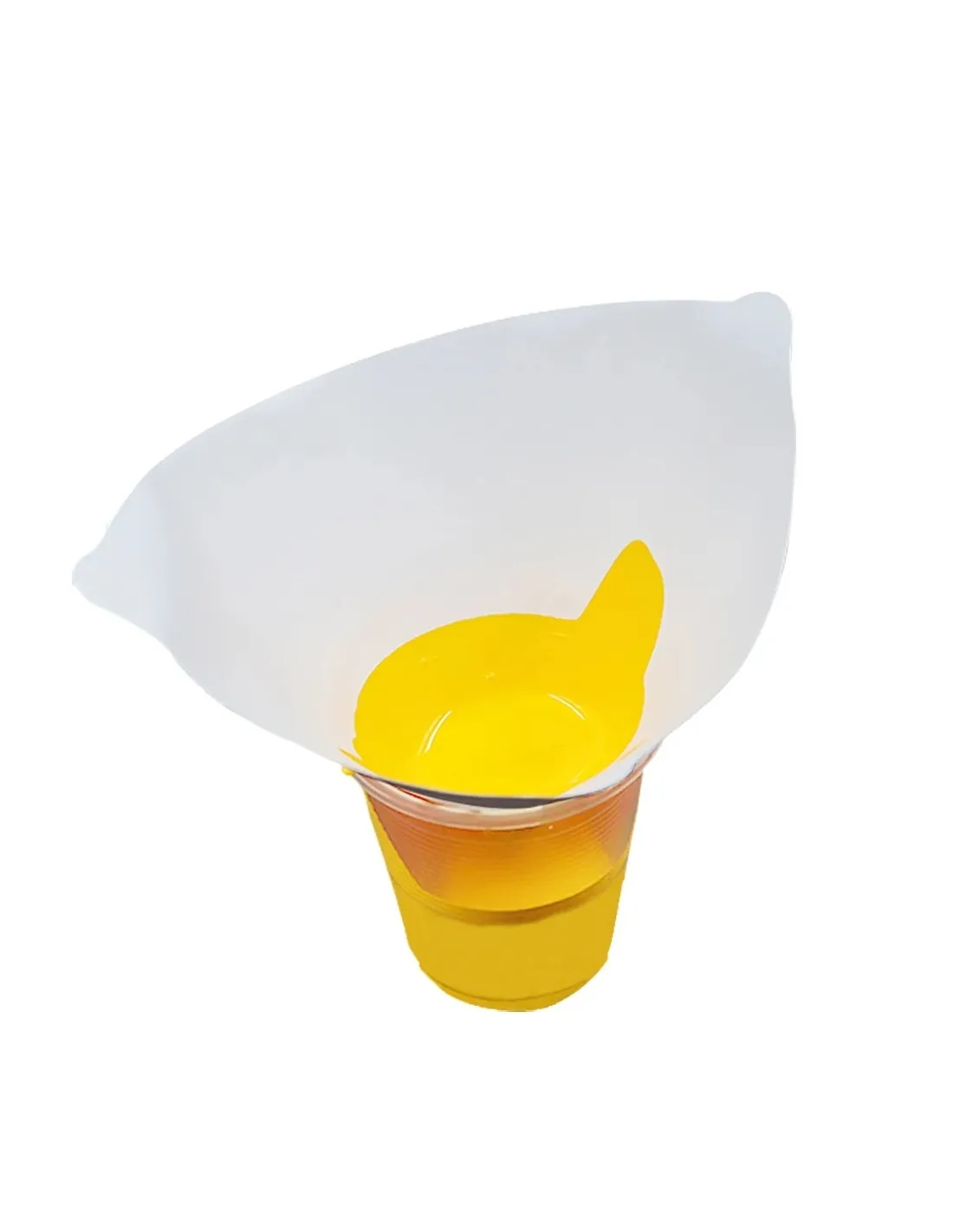
- Place the paper filter over the funnel or directly over the mouth of the resin container you want to return the material to.
- Slowly pour the resin from the printer tank through the filter. Do not force the flow: let the weight of the liquid do the work on its own to avoid tearing the paper.
- Wait for all the resin to pass through. Cured particles will be retained in the mesh.
- Once used, expose the filter with the retained residue to ultraviolet light (UV lamp or direct sunlight for a few minutes) to fully cure the remaining resin.
- Dispose of the cured filter safely with ordinary household waste. Do not discard it with uncured liquid resin residue.
Caution: Uncured photopolymer resin is irritating to the skin, eyes and mucous membranes. Always use nitrile gloves during the filtering process and avoid direct contact. Do not pour uncured resin down the drain. Always cure residues before disposal.
Usage tips
Filtering frequency
There is no need to filter the resin after every session if the print came out correctly and there are no visible residues. Always filter after a print failure, when you see sediment at the bottom of the tank, or when you are going to store the resin for more than a few days. A preventive filter before storing the material avoids problems in the next session.
How to pour without tearing the filter
Paper wetted with resin loses mechanical strength. Pour slowly and in a thin stream, especially at the start. If the tank is large, use a casting ladle to transfer with more control. Never press the resin through the filter with any tool: simply tilt it slightly to redirect the flow if it becomes saturated.
Storage and management of filtered material
Always return filtered resin to its original, tightly sealed container and store it in a cool, dark place. Label the container with the date of the last filtering. If the resin has already gone through several use cycles, consider whether the colour or viscosity have changed, as this may indicate photoinitiator degradation beyond what filtering can correct.
Frequently asked questions
When should you filter the resin from a 3D printer?
Whenever there is a failed print, when you see particles in suspension or sediment at the bottom of the tank, and before storing the resin for several days. These 125 μm filters are designed precisely for that routine maintenance: they retain cured fragments without wasting reusable resin.
Can the paper filter be reused?
No. Each filter is single-use. The paper mesh becomes saturated with the retained particles and loses filtering capacity after the first use. Since the pack includes 100 units, the cost per use is very low and it is not worth the risk of contaminating the resin with an already saturated filter.
What do I do with the filter once used?
Expose the filter with the retained residue to ultraviolet light for a few minutes (curing UV lamp or direct sunlight) to fully solidify the resin residues. Once cured, the filter can be disposed of with ordinary household waste. Never discard it with uncured liquid resin, as it is a potentially irritating waste material.
What types of resin are these filters compatible with?
They are compatible with virtually all liquid photopolymer resins used in 3D printing (LCD, MSLA, DLP, SLA). The filter works mechanically, so there is no chemical incompatibility with the various types of resin on the market.
Can I use the filter for casting or laminating resins?
These filters are optimised for low-viscosity 3D printing photopolymer resins. For epoxy casting or laminating resins, the viscosity may be too high and the flow through the paper will be very slow or impractical. Specific filtration systems exist for those applications.
Is a special funnel or support needed to use these filters?
It is not strictly necessary, but it is recommended. You can place the filter directly over the mouth of the container if the diameter allows, or rest it in a standard funnel. For greater comfort when transferring from the tank, a casting ladle makes controlling the pour much easier.
Is it necessary to wear gloves when filtering resin?
Yes, always. Uncured photopolymer resin is irritating to the skin and can cause sensitisation through repeated exposure. Powder-free nitrile gloves are the minimum recommended protection for any handling of liquid resin.
How many filters are needed per maintenance session?
Normally one is enough to filter the contents of a standard desktop 3D printer tank. If the resin is heavily contaminated with many cured fragments, a second filter may be needed if the first one becomes saturated before the pour is complete. The pack of 100 units comfortably covers intensive use for months.
No reviews
Tap to zoom