Shopping Cart


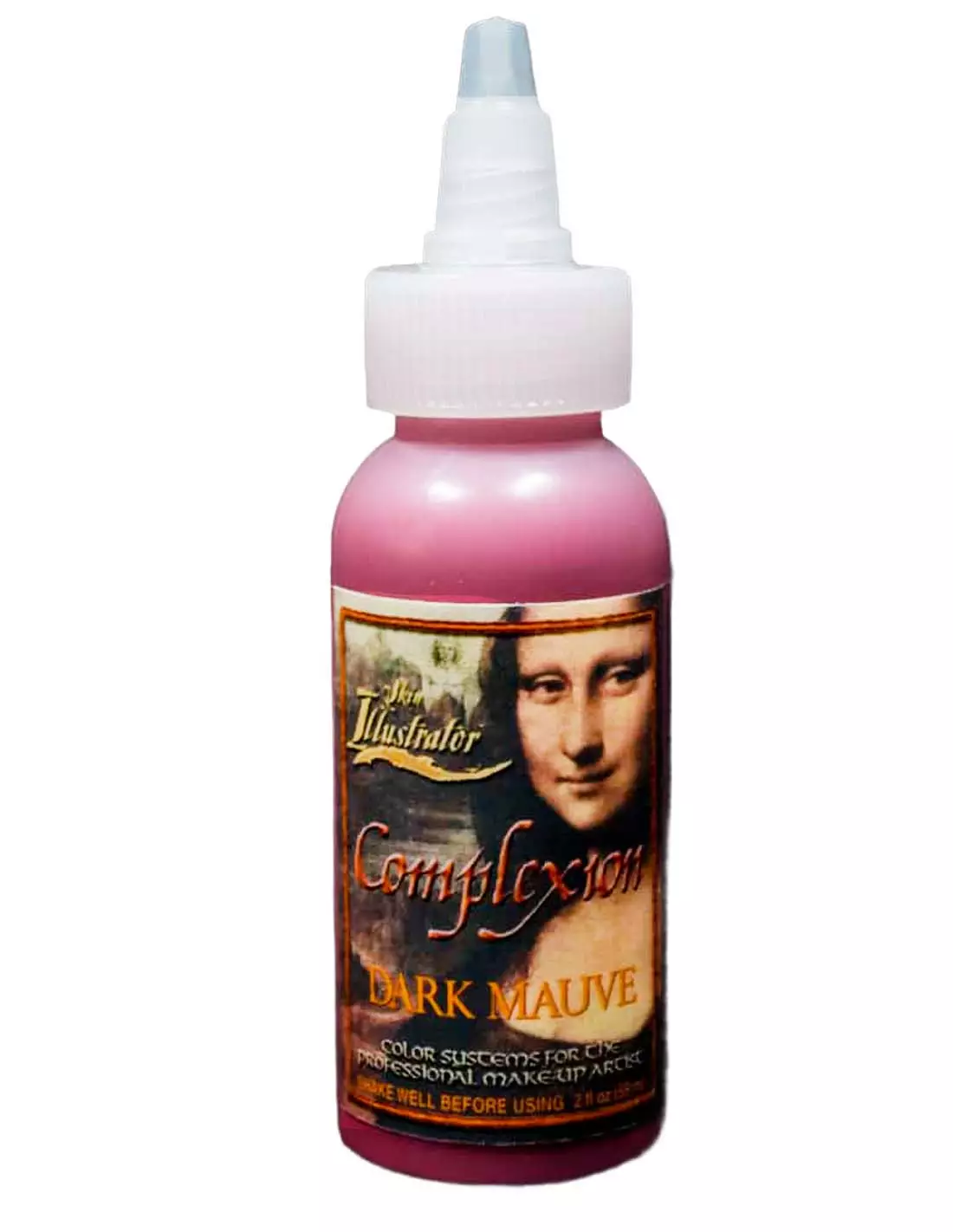
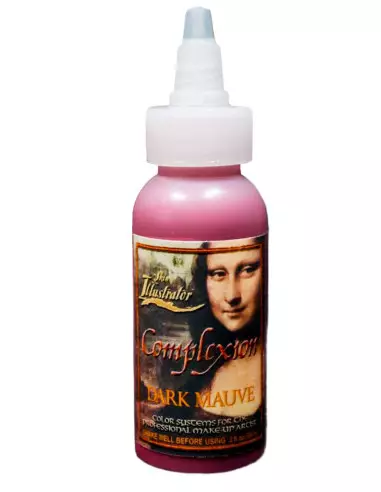
Complexion Palette Liquid and Concentrate
270059902
€55.00
66,55 € Tax incl.
66,55 € Tax incl.
Alcohol-based liquid makeup, 60 ml. Skin tones, reds and adjustment colours. Compatible with skin, silicone, latex and airbrush.
The Skin Illustrator Complexion Palette Liquid and Concentrate is an alcohol-based liquid makeup in a 60 ml format, formulated to offer a range of red tones and high-concentration adjustment colours. Compatible with skin, silicone and latex, and airbrush-ready, it is an essential chromatic precision tool for special effects makeup, character work and professional beauty.
Technical specifications
| Format | 60 ml |
|---|---|
| Base | Alcohol |
| Compatible surfaces | Skin, silicone, latex |
| Airbrush compatible | Yes |
| Colour range | Red tones, adjustment colours and skin tone blends |
| Recommended activator | Skin Illustrator Activator or Slow Activator, or 99° isopropyl alcohol |
| Removal | Specific solvent for alcohol-based makeup |
What it's used for
These concentrated liquids are designed for artists who need chromatic precision and real coverage in professional makeup work. Their alcohol-based formulation guarantees adhesion and durability far superior to conventional products, whether applied with a brush or airbrush. They are especially useful for correcting, enriching and customising skin tones on any type of porous or silicone surface.
- Special effects (SFX) makeup for film, television and theatre
- Character work with complex or fantastical skin tones
- High-coverage, long-lasting beauty makeup
- Tone adjustment and correction on silicone and latex prosthetics
- Airbrush application for thin layers, gradients and precise bases
- Blending and customising colour palettes for each project
- Complement to the solid palettes in the same Skin Illustrator line
How to use it
- Shake the bottle well before use to homogenise the pigment in suspension.
- Apply directly onto the surface (skin, silicone or latex) with a fine brush or sponge, or load it into the airbrush cup.
- If using an airbrush, set the pressure between 15–25 psi for thin layers; adjust according to the desired effect.
- Set the colour by activating with a few drops of alcohol-based activator or 99° isopropyl alcohol: apply it over the already spread colour with a brush, sponge or airbrush.
- Allow to dry completely before applying additional layers or finishing products.
- For tone blending, combine directly on a palette or in the airbrush cup before applying.
- To remove, use a specific solvent for alcohol-based makeup; avoid dry rubbing on delicate surfaces.
Tips for use
Blending and tone adjustment
The high concentration of these liquids allows them to be mixed with other tones in the line to obtain exactly the colour you need. Work in small amounts on a clean palette before committing the blend to the airbrush. If you want more translucent results, add a few drops of alcohol-based activator to dilute the colour without losing adhesion. Combine them with the Skin Illustrator Complexion Palette or the Flesh Tone Palette to expand your colour range.
Airbrush application
For optimal airbrush performance, make sure the liquid is well shaken and at room temperature. Use low pressures (15–20 psi) for glazing layers and slightly higher pressures for dense coverage. Clean the airbrush immediately after each session with 99° isopropyl alcohol to prevent pigment from clogging the feed system.
Integration with prosthetics and silicone or latex surfaces
On silicone or latex prosthetics, these liquids offer excellent adhesion as long as the surface is clean, dry and free of grease. Apply in thin layers and set each layer before adding the next. For final matte finishes on silicone, HD Matting Spray Clear or HD Matting Spray Shinto are the ideal complement to eliminate shine and unify the finish. If you need wet-skin or translucent effects, Skin Illustrator Glazing Gels integrate perfectly over this already-set makeup.
Frequently asked questions
Can it be used directly on skin without prior preparation?
Yes, the Complexion Palette Liquid and Concentrate can be applied directly onto clean, dry skin. A specific primer is not essential, although grease-free skin (use a cleanser or prep alcohol) improves adhesion and the longevity of the makeup.
What is used to activate and set alcohol-based makeup?
The recommended activator is the alcohol-based activator from the same Skin Illustrator line (Activator or Slow Activator). 99° isopropyl alcohol also works well, applied over the already spread colour with a brush, sponge or airbrush. The Slow Activator extends working time, useful for long sessions or complex gradients.
Is it suitable for airbrush use without additional thinning?
Generally yes: the viscosity of these liquids is designed for airbrush use. If you find the mixture is too dense for your equipment or prefer more translucent layers, you can add a few drops of alcohol-based activator or 99° isopropyl alcohol to adjust fluidity without losing colour adhesion.
How is this makeup removed from skin or a prosthetic?
To remove from skin, use a specific solvent or remover for alcohol-based makeup; avoid dry rubbing to prevent irritation. On silicone or latex prosthetics, the same type of solvent is suitable; apply it with a cotton pad or brush and allow it to act for a few seconds before gently removing.
Can it be mixed with water-based or grease-based makeup products?
It is not advisable to mix alcohol-based products with water-based or grease-based products in the same layer, as these are incompatible systems that may cause the makeup to crack or lose adhesion. You can layer different systems once each layer is properly set and dry.
How far does a 60 ml bottle go in a special effects project?
Coverage depends on the application method and the coverage required. With an airbrush in thin layers, a 60 ml bottle can last multiple sessions. With a brush at dense coverage, consumption is higher. The high pigment concentration means very little is needed per layer, which extends the product's useful life.
Is it compatible with the solid palettes from the same line?
Yes, Skin Illustrator concentrated liquids are fully compatible with the solid palettes in the line, such as the Complexion Palette, the Flesh Tone Palette or the Dark Fleshtone Palette. You can combine both formats in the same job to take advantage of the liquid's versatility in the airbrush and the solid's precision with a brush.
Can it be used on foam latex prosthetics as well as silicone?
Yes, the Complexion Palette Liquid and Concentrate is compatible with latex, including foam latex. Always apply in thin layers and properly set each layer before continuing, to ensure the best adhesion and durability on this surface.
No reviews
Tap to zoom